If you’re dreaming of standing at the foot of the world’s highest peak, this 14-day Everest Base Camp (EBC) trek might just be your ticket. We’ve reviewed this tour offered by Hiking Himalayas Treks and Expeditions, and it’s clear this experience is crafted for travelers craving more than just a photo op — it’s about enjoying Nepal’s spectacular landscapes, vibrant culture, and the fulfillment of a personal achievement.
What really catches the eye? First, the guide’s professionalism and local knowledge that guides you safely through high-altitude challenges. Second, the incredible scenery — from lush forests to towering peaks, culminating at Everest’s base. On the flip side, it’s a physically demanding trek, so good fitness and mental preparedness are essential. This tour suits adventure lovers, nature enthusiasts, and those eager for a meaningful Himalayan journey — especially if you value authentic local interactions and eco-conscious travel.
Key Points
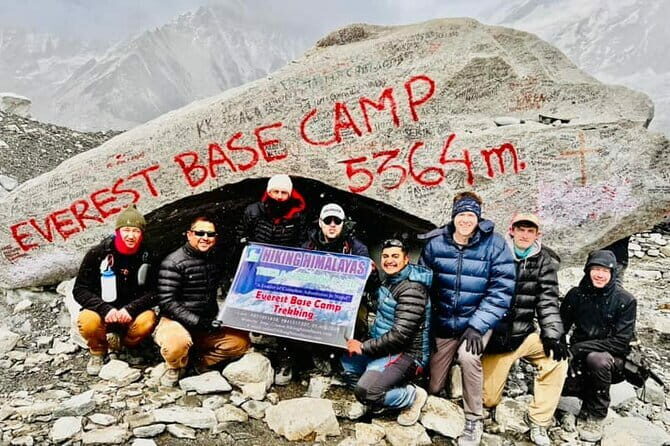
- Expert-guided experience ensures safety and local insights throughout the trek.
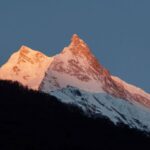
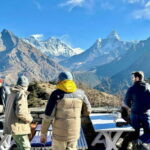
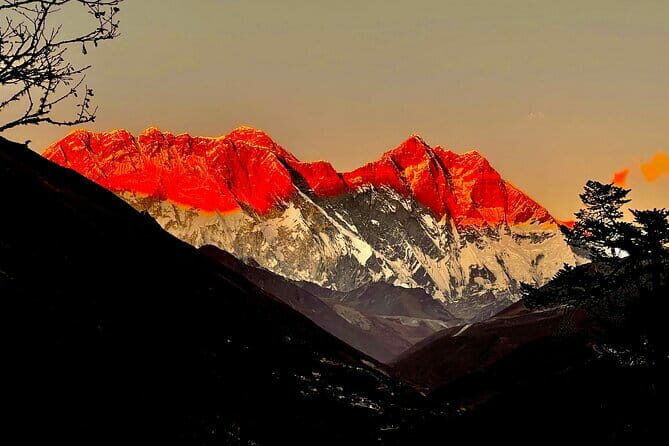
- Stunning panoramic views of Everest, Lhotse, Nuptse, and Ama Dablam are highlights.
- Well-organized logistics from flights to accommodations make the journey smoother.
- Cultural immersion in Sherpa villages and monasteries offers a genuine Himalayan flavor.
- Affordable price point for a 14-day trek with all major logistics covered.
- Positive reviews praise the knowledgeable guides, good value, and delicious food.
👉 Check out our guide to the 2 Best Guided Tours In Jagat
Contents
- Key Points
- An Overview of the Everest Base Camp Trek Experience
- Starting with the Flight into Kathmandu
- Day 2: The Spirited Trek to Lukla
- Day 3: Crossing into Sagarmatha National Park
- Day 4: Acclimatization in Namche
- Day 5: First Glimpse of Everest from Tyangboche
- Days 6-7: Pangboche and Dingboche
- Days 8-9: Lobuche and Everest Base Camp
- Day 10: Climbing Kala Patar and Descending
- Days 11-12: Return to Namche and Lukla
- Final Day: Flight to Kathmandu and Free Time
- Who Is This Trek Best For?
- Frequently Asked Questions
- Final Thoughts
- Our Top Picks in Kathmandu
- More Hiking & Trekking Tours in Kathmandu
- More Tour Reviews in Kathmandu
- Not for you? Here's more things to do in Kathmandu we have recnetly reviewed
An Overview of the Everest Base Camp Trek Experience
This trek offers a balanced blend of adventure, culture, and comfort, although it’s important to acknowledge the physical challenge involved. We loved the way the itinerary carefully combines scenic acclimatization days with breathtaking viewpoints, ensuring that altitude sickness isn’t a surprise. The price of $1,420 covers much of what makes this trek compelling, including flights, permits, cozy lodges, and expert guiding. Plus, the trip contributes to local communities and environmental preservation — a bonus for ethically-minded travelers.
Ready to hit more trails? More hiking adventures we feature in Kathmandu
Starting with the Flight into Kathmandu
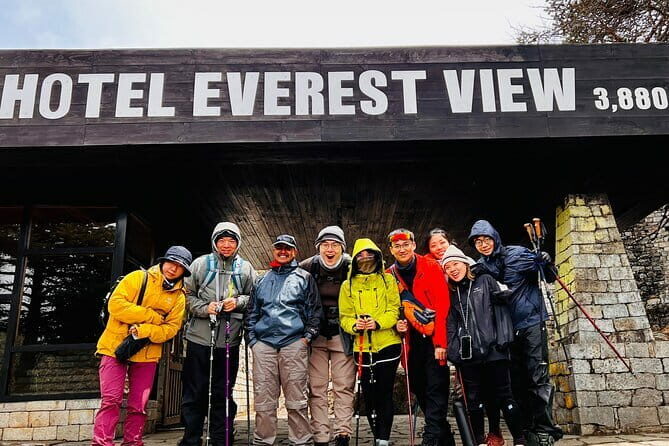
Your journey begins with a scenic flight into Kathmandu, where stunning views of snow-capped peaks unfold below. It’s a moment that instantly sparks excitement — the start of a memorable adventure. The thrill of flying into Lukla on a narrow mountain runway is a highlight, and from there, your trek kicks off in the Dudh Koshi Valley.
Day 2: The Spirited Trek to Lukla
Landing in Lukla (2850m) is an event in itself — the tiny airport’s steep landing strip offers a surreal introduction to mountain flying. You’ll meet your crew, then start walking along a well-marked trail to Phakding. Expect to cross suspension bridges and enjoy views of the rushing Dudh Koshi River. This first day is about setting the pace and getting used to the altitude, laying the groundwork for what’s to come. A seasoned trekker from reviews noted the journey was “well-organized from the start,” making it less daunting.
Day 3: Crossing into Sagarmatha National Park
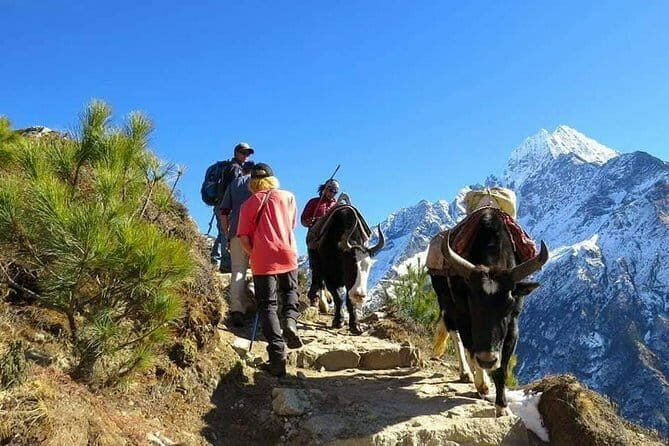
The walk from Phakding to Namche Bazar involves crossing more suspension bridges and passing through lush forests. The crossing into Sagarmatha National Park marks a significant milestone — this protected area is vital for Himalayan conservation. Expect to see quaint villages and perhaps spot some local wildlife. Reviewers praise guides who are “very cooperative,” helping newcomers navigate the terrain comfortably.
Day 4: Acclimatization in Namche
Namche is the bustling heart of Sherpa country — a lively town with cafes, shops, and towering mountain views. It’s a perfect acclimatization day and a chance to soak in the atmosphere. You might take optional short walks to get your body used to higher altitudes, as many travelers appreciate the chance to avoid altitude sickness with this extra day. A reviewer mentioned the “pace of the trek for acclimatization was just right,” highlighting this as a key to success.

Day 5: First Glimpse of Everest from Tyangboche
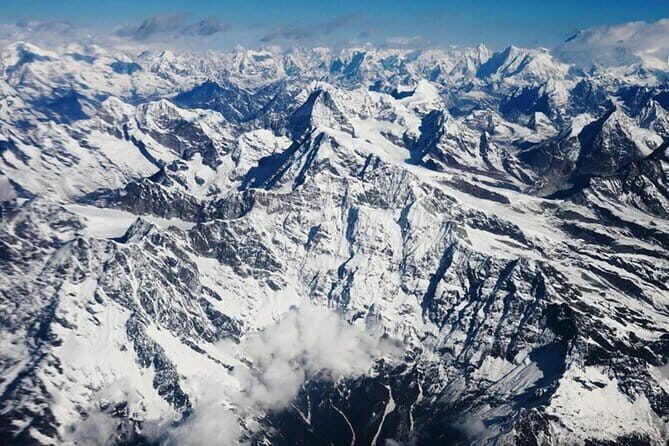
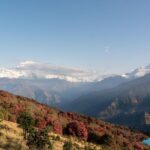
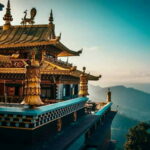
Moving onto Tyangboche, you’ll get your first good glimpses of the Himalayan giants — especially Everest, Lhotse, and Nuptse. The trail contours along the side of the valley, offering incredible mountain panoramas. Visiting the famous monastery here provides cultural insight and some peaceful moments amid the rugged terrain. Travelers mention the “excellent views of Ama Dablam,” which often leaves a lasting impression.
Days 6-7: Pangboche and Dingboche
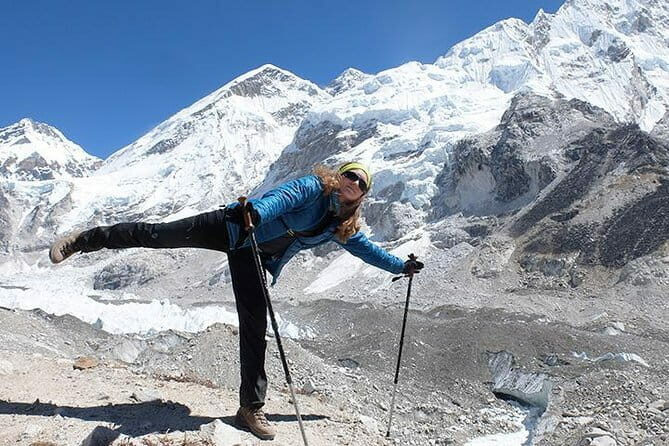
Descending into Pangboche, you’ll see an ancient gompa and traditional Sherpa architecture. The ascent to Dingboche (4,410m) is a steady climb that offers sweeping views of Ama Dablam and other peaks. Dingboche acts as a second acclimatization point, with some travelers taking a short side trip to Tsokha Lake or climbing Nagarjun Peak — a rewarding way to prepare for higher altitudes. Reviews praise the “well-paced schedule” that makes acclimatization manageable.
Days 8-9: Lobuche and Everest Base Camp
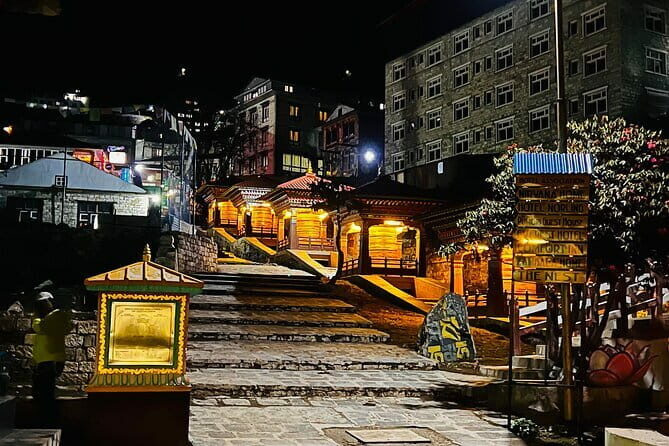
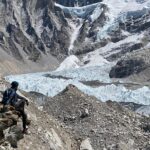
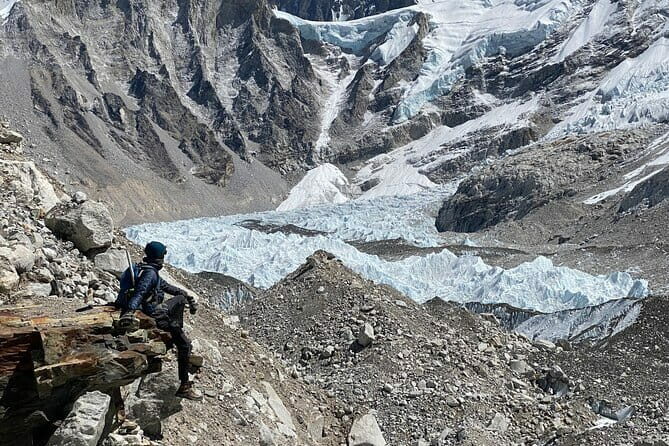
The trek from Dingboche to Lobuche involves crossing glacial streams and climbing gradually into higher terrain. The trail offers spectacular mountain views, especially as you approach the Khumbu Glacier. Mountaineers often describe this section as “surreal,” with the grandiosity of the peaks surrounding you.
Reaching Gorakshep (5164m), you’ll have a chance for a quick rest before heading to Everest Base Camp. The approach through ice pinnacles and crevasses is dramatic — a true highlight. Many reviewers emphasize the “spectacular views” and “well-organized” nature of this part of the trek. Spending time at Base Camp, with its ice formations and history-making significance, makes the challenge worthwhile.
Day 10: Climbing Kala Patar and Descending
Early morning, you’ll trek to Kala Patar (5550m), renowned for its breathtaking vantage point of Everest and the surrounding peaks. This is often considered the best photo spot on the trek — and hikers rave about the “unbeatable views.” Afterward, you descend back to Pheriche and enjoy a well-earned rest.
Days 11-12: Return to Namche and Lukla
The trek back retraces your steps through familiar landscapes, but with a fresh sense of achievement. Crossing through Tengboche and enjoying the views of Everest and Nuptse again is fulfilling. The last night in Lukla is a celebration — many reviewers mention the camaraderie and gratitude for the journey.
Final Day: Flight to Kathmandu and Free Time
The return flight from Lukla to Kathmandu is smooth, offering one last chance to admire the mountains from above. Once in the city, you’re free to explore or relax, with options for last-minute shopping or cultural visits.
Value for Money: At $1,420, this package covers flights, permits, accommodations, and guiding, making it a straightforward investment into a life-changing experience. Many reviews mention it’s “good value” given the inclusions and quality of service.
Expert Guides: From reviews, guides like Hari and Kapil are praised for their professionalism, knowledge, and supportive attitude. They help manage altitude challenges and cultural insights, making the trek safer and richer.
Logistics and Comfort: The use of twin-sharing lodges and seasonal fruits during the trek add comfort and a touch of local flavor. The organized transportation, from Kathmandu to Lukla and back, ensures a seamless experience.
Authentic Cultural Exposure: Visiting monasteries and Sherpa villages allows travelers to connect with local traditions, making this more than just a physical challenge.
Environmental and Community Focus: Booking this trek contributes to sustainable development and preserves the Himalayan environment, a feature appreciated by many modern travelers.
Multiple reviewers highlight the professionalism and friendliness of the guides and staff. One called the experience “flawlessly organized,” emphasizing the importance of reliable logistics in such a remote setting. Others appreciated the “delicious food” served at tea houses, which can really boost morale during tough ascents.
The camaraderie among trekkers and Sherpa staff is a recurring theme — many describe their guides as “knowledgeable,” “supportive,” and “like family,” which makes the journey more meaningful.
This trek is suitable for those with good physical fitness and a willingness to endure some altitude-related discomfort. The itinerary has acclimatization days built in, but managing your own pace remains crucial. The overall duration of 14 days offers a comprehensive experience, but it’s not for the faint-hearted — expect long walking days and variable weather conditions.
The price is quite competitive considering the inclusions, but keep in mind that personal expenses like drinks, hot showers, and Kathmandu accommodations are not included, adding to your overall budget.
Who Is This Trek Best For?
This experience is ideal for adventure seekers wanting to challenge themselves in a safe, well-organized environment. It’s perfect for those who value authentic cultural encounters, stunning mountain scenery, and expert guidance. If you’re looking for a memorable journey that combines physical achievement with cultural discovery, this trek ticks all those boxes.
It’s also well-suited for travelers who appreciate good value for money without sacrificing quality. Those with a flexible schedule and a sense of adventure will find this trek deeply rewarding — especially as it supports sustainable tourism and local communities.
Frequently Asked Questions
Is prior trekking experience necessary? While no technical skills are needed, good physical fitness and comfort with long walks at high altitude are important.
What is included in the price? The $1,420 fee covers all ground transportation, accommodations, guided tours, permits, flight tickets (Kathmandu-Lukla-Kathmandu), and some meals.
Do I need to bring my own equipment? Trekking gear is not specified, but personal equipment like warm clothing, sturdy shoes, and basic supplies are recommended.
How physically demanding is the trek? The trek involves multiple days of walking with significant elevation gains, so being in good shape helps. The itinerary includes acclimatization days, but altitude sickness can affect anyone.
Can I customize the trip? The tour is a private experience, so arrangements can often be tailored to suit your needs or preferences.
What if I have limited time? This is a 14-day experience, but shorter options or additional activities in Kathmandu may be available if you can extend your stay.
How do I prepare for altitude? Follow the guide’s advice, stay hydrated, and take acclimatization days seriously to minimize risks.
14 Days Everest Base Camp Trekking
“Guide Hari was very cooperative and all the arrangements was good..Food, rooms were very good ..would love to come again!”
Final Thoughts
This 14-day Everest Base Camp trek presents an incredible opportunity to witness the Himalayas’ grandeur up close, guided by experienced professionals committed to your safety and enjoyment. With well-organized logistics, authentic cultural experiences, and genuine reviews praising the guides and value for money, it’s a compelling choice for adventure travelers ready to reach new heights — literally.
If you’re seeking a journey that combines physical challenge with cultural richness, this trek offers an authentic Himalayan adventure that will stay with you long after you’ve returned home. Remember, this isn’t just about reaching a destination — it’s about the stories, the sights, and the personal triumphs along the way.