
Kyoto, Japan’s cultural capital, is home to a remarkable UNESCO World Heritage site – Nijo Castle. This 17th-century shogun’s residence showcases exceptional craftsmanship and historical significance, transporting visitors back to the Edo period. With its meticulously preserved Ninomaru Palace, complete with intricately decorated ceilings and the famous ‘nightingale floors,’ the castle grounds offer an unparalleled glimpse into Japan’s architectural and artistic legacy. Strolling through the serene Japanese garden provides a tranquil respite, further highlighting the harmonious integration of nature and built environment that defines the essence of this remarkable site. Preparing for your visit to Nijo Castle, however, requires some careful planning.
Key Points
-
Nijo Castle and Ninomaru Palace are UNESCO World Heritage Sites, recognized for their outstanding universal value and cultural significance.
-
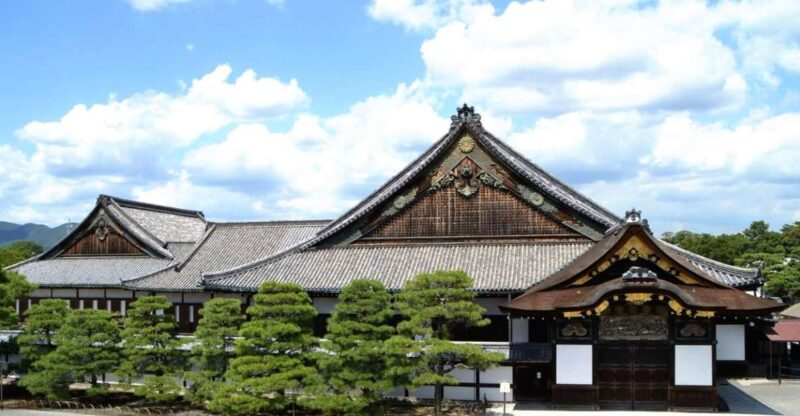
Ninomaru Palace, the main attraction, features meticulously preserved interiors with intricate carvings, detailed paintings, and ‘nightingale floors’ from the Edo period.
-
Visitors can explore the palace’s ornate rooms, which were once the official residence and office of Edo period shoguns.
-
The castle grounds also include a tranquil Japanese garden with a pond, arched bridge, and serene walking paths.
-
Purchasing a ticket provides access to the castle, palace, and gardens, allowing visitors to enjoy Japan’s rich cultural heritage.

👉 Check out our guide to the 5 Best Cruises And Boat Tours In Kyoto
Contents
- Key Points
- UNESCO World Heritage Sites
- Nijo Castle’s Architecture and Grounds
- Ninomaru Palace’s Preserved Rooms and Ceilings
- Shogun’s Residence and Office in Kyoto
- Traditional Japanese Garden Stroll
- Practical Information for Visitors
- Pre-Booked Entrance Ticket Details
- Closing Dates and Times
- Frequently Asked Questions
- Is Photography Allowed Inside the Palace?
- Can I Bring My Own Food and Drinks?
- Are There Any Audio Guides Available?
- How Long Does It Typically Take to Visit the Site?
- Are There Any Discounts for Students or Seniors?
- Recap
- Our Top Picks in Kyoto
- More Tickets in Kyoto
- More Tour Reviews in Kyoto
- Not for you? Here's more things to do in Kyoto we have recnetly reviewed
UNESCO World Heritage Sites
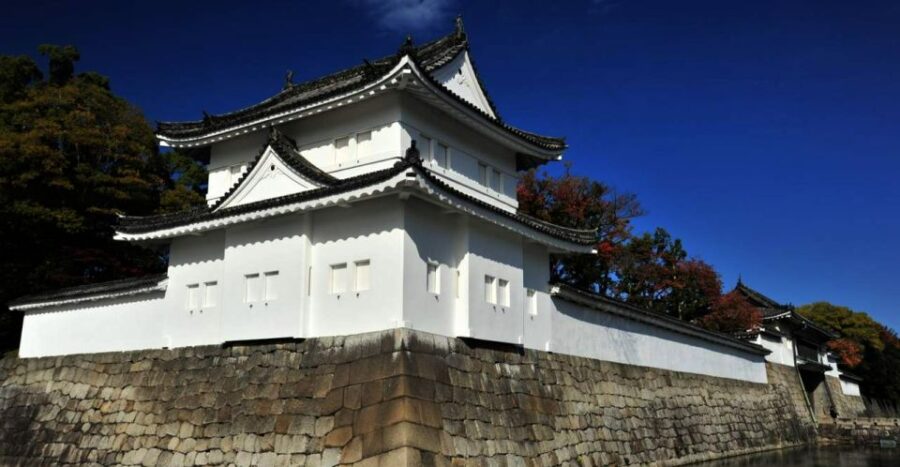
Nijo Castle and Ninomaru Palace have been designated as UNESCO World Heritage Sites, recognizing their outstanding universal value and cultural significance.
These historic structures, dating back to 1603, offer a glimpse into Japan’s Edo period and the residence of the first shogun.
The complex’s well-preserved architecture and meticulously designed gardens exemplify the pinnacle of Japanese craftsmanship and architectural mastery.
As UNESCO World Heritage Sites, Nijo Castle and Ninomaru Palace are internationally recognized as irreplaceable treasures that must be protected and preserved for future generations to explore and appreciate.
This prestigious designation underscores the immense cultural and historical importance of these iconic Kyoto landmarks.
Here are more great tours and experiences we've reviewed in Kyoto


Nijo Castle’s Architecture and Grounds
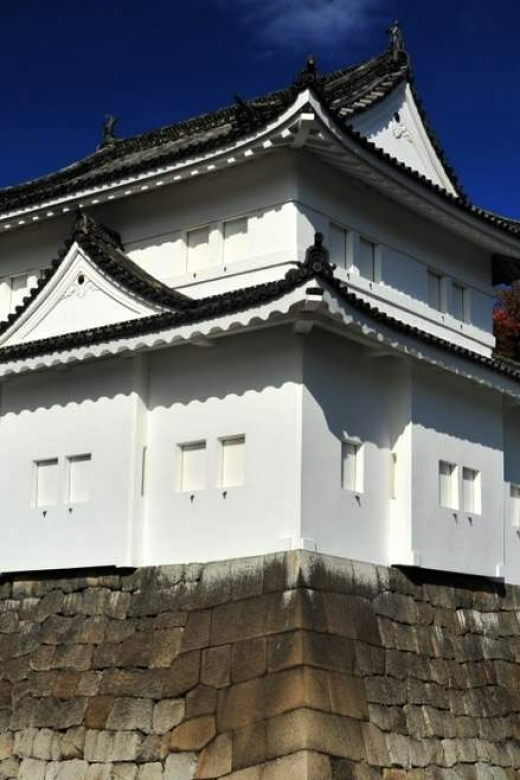
Visitors to Nijo Castle can explore the expansive grounds, which feature a well-preserved architectural marvel from the Edo period.
The castle’s impressive structures, including the Ninomaru Palace, showcase the remarkable craftsmanship and attention to detail that defined this era.
Guests can wander through the castle’s meticulously maintained gardens, admiring the serene ponds and carefully pruned trees.
The interiors of the Ninomaru Palace are particularly noteworthy, with richly decorated ceilings and floors that create a stunning visual experience.
Throughout the castle, visitors will be transported back in time, gaining a deeper appreciation for Japan’s cultural heritage and the enduring legacy of the Edo shogunate.
Ninomaru Palace’s Preserved Rooms and Ceilings
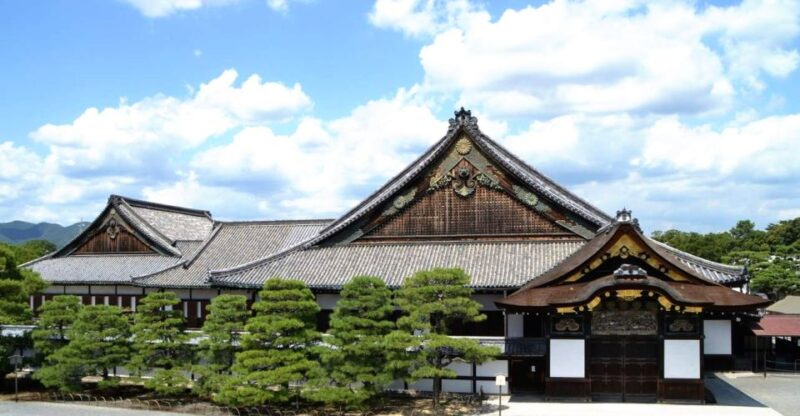
The Ninomaru Palace‘s rooms and ceilings are exceptionally well-preserved, offering visitors a glimpse into the opulent interiors that once housed the Edo period shoguns.
Intricate carvings and detailed paintings adorn the palace’s surfaces, showcasing the remarkable craftsmanship and artistic sensibilities of the era.
Visitors can marvel at the exquisite ‘nightingale floors’ which emit a creaking sound to alert guards of any intruders.
The ceilings feature intricate patterns and designs that were meant to impress and intimidate.
Strolling through the palace’s rooms, one is transported back in time, able to envision the power and grandeur that once defined the shogun’s domain.
Shogun’s Residence and Office in Kyoto
During their visits to Kyoto, the shoguns of the Edo period would make Ninomaru Palace their official residence and office.
As the seat of power in the capital, this elegant palace hosted many important political meetings and ceremonies. The shoguns would conduct state business from the ornately decorated rooms, which featured the famous ‘nightingale floors‘ designed to squeak as a security measure.
After the day’s work, the shoguns could retreat to the peaceful Japanese garden for a moment of tranquility.
Ninomaru Palace provided a centralized base of operations for the shoguns during their crucial visits to Kyoto, the cultural heart of feudal Japan.
More Great Tours NearbyTraditional Japanese Garden Stroll
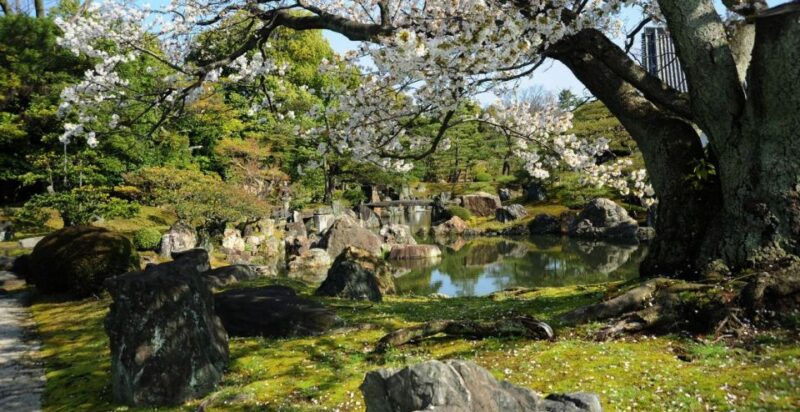
After exploring the ornate interiors of Ninomaru Palace, one can enjoy a peaceful stroll through the traditional Japanese garden nestled within the castle grounds.
This tranquil oasis provides a welcome respite from the bustle of the palace, allowing visitors to enjoy the serene landscape.
The garden features:
- Meticulously manicured bonsai trees and carefully curated foliage
- A placid pond with a scenic arched bridge, home to graceful koi fish
- Winding stone pathways that guide visitors through the lush greenery
- Secluded alcoves and benches, perfect for quiet contemplation
This idyllic garden offers a glimpse into the refined aesthetics and harmonious balance that define traditional Japanese garden design.


Practical Information for Visitors
For those planning a visit, Nijo Castle and Ninomaru Palace are open daily from 8:45 AM to 5:00 PM, with the last admission at 4:00 PM. The complex is closed on certain dates in December and January, so visitors should plan accordingly. To make the most of the experience, it’s recommended to pre-book entrance tickets, which allow you to skip the ticket line. Here’s a quick overview of the key visitor information:
| Admission Hours | 8:45 AM – 5:00 PM |
|---|---|
| Last Admission | 4:00 PM |
| Closed Dates | December, January |
| Ticket Booking | Pre-book tickets |
| Ticket Validity | 1 day |
Booking tickets in advance ensures a hassle-free visit to these UNESCO World Heritage gems in Kyoto.
Pre-Booked Entrance Ticket Details
[TEXT]:
Pre-booked entrance tickets allow visitors to skip the ticket line at Nijo Castle and Ninomaru Palace.
These tickets grant access to the UNESCO World Heritage site for a full day, providing a hassle-free experience.
Guests can explore the castle’s well-preserved architecture and the tranquil Japanese garden at their own pace.
The pre-booked tickets are:
- Non-refundable
- Valid for 1 day
- Grant access to both Nijo Castle and Ninomaru Palace
- Allow visitors to bypass the ticket lines
This convenient option ensures visitors make the most of their time at this historic and culturally significant site in Kyoto.
Closing Dates and Times
Nijo Castle and Ninomaru Palace are open daily from 8:45 AM to 5:00 PM, with last admission at 4:00 PM. However, the complex is closed on certain dates in December and January. To ensure you don’t miss out, check the closure schedule below:
| Date | Status |
|---|---|
| December 29 | Closed |
| December 30 | Closed |
| December 31 | Closed |
| January 1 | Closed |
| January 2 | Open |
Knowing the operating hours and closure dates in advance will help you plan your visit to Kyoto’s historic Nijo Castle and Ninomaru Palace seamlessly.
Frequently Asked Questions
Is Photography Allowed Inside the Palace?
Photography is allowed inside the Ninomaru Palace, but visitors must refrain from using flash. Tripods and selfie sticks are prohibited to preserve the tranquility and protect the delicate historic interiors of this UNESCO World Heritage Site.
Can I Bring My Own Food and Drinks?
Yes, visitors are allowed to bring their own food and drinks to enjoy at the picnic areas within Nijo Castle’s grounds. However, consuming food and beverages is prohibited inside the historic Ninomaru Palace.
Are There Any Audio Guides Available?
Yes, audio guides are available for visitors to Nijo Castle and Ninomaru Palace. These guides provide informative commentary on the site’s history and architectural features, enhancing the visitor experience.
How Long Does It Typically Take to Visit the Site?
The typical visit to Nijo Castle and Ninomaru Palace takes 1-2 hours to explore the well-preserved castle grounds and decorative interiors at a leisurely pace. Visitors can expect to spend more time if they want to fully enjoy the site’s history and architecture.
Are There Any Discounts for Students or Seniors?
Nijo Castle and Ninomaru Palace offer discounted admission for students and seniors. Visitors can receive a reduced rate by presenting valid ID at the entrance. The discounts provide an opportunity to explore these historic sites more affordably.
Kyoto: Nijo Castle and Ninomaru Palace Ticket
Recap
Nijo Castle and Ninomaru Palace in Kyoto offer an unparalleled window into Japan’s Edo period heritage.
As a UNESCO World Heritage Site, these historic structures showcase exceptional craftsmanship and cultural significance.
The serene Japanese garden complements the palace’s meticulously preserved interiors, creating a harmonious experience that transports visitors back in time to the seat of the Edo shogunate’s power.
With practical information and pre-booked tickets, visitors can easily explore this iconic Kyoto destination.
You can check availability for your dates here:


