
Nestled in the heart of Kyoto, the Ninnaji Temple stands as a testament to Japan’s rich cultural heritage. This national treasure, founded in 888 AD, beckons visitors to explore its architectural marvels and enjoy the enchanting world of Shingon Buddhism. From the captivating late-blooming Omuro sakura cherry trees to the impressive five-story pagoda, the temple’s natural beauty is a sight to behold. Intrigued visitors can uncover the fascinating history and unique traditions that make Ninnaji a must-visit destination. With flexible ticketing options and a wealth of cultural experiences, the temple promises to leave a lasting impression on those who venture through its gates.
Key Points
• The entry ticket to Ninnaji Temple in Kyoto provides access to the Goten palace, gardens, and Reiho-kan Museum, showcasing the temple’s architectural and cultural significance.
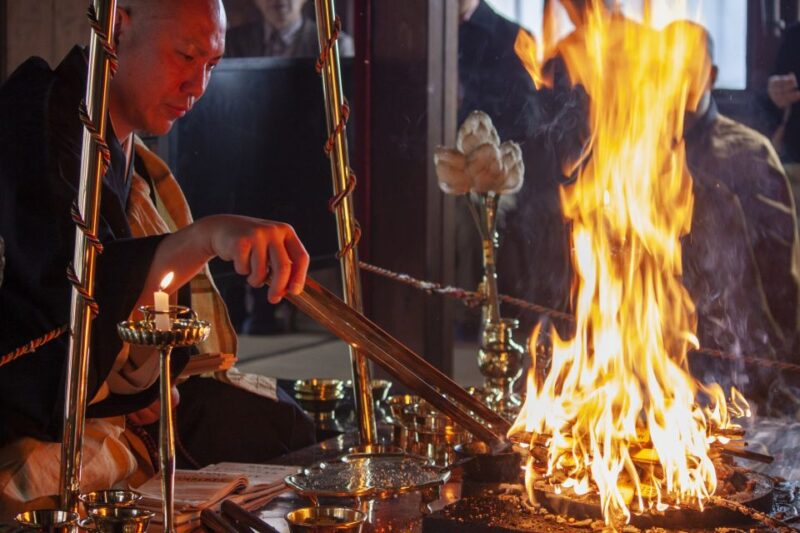
• Ticket holders can experience the beauty of the Omuro sakura cherry trees, seasonal events, and Buddhist ceremonies throughout the year at the temple.
• Ninnaji Temple offers discounted admission for groups, Japanese seniors, and children under 15, as well as free entry for visitors with physical disability certificates.
• Visitors can conveniently reserve their tickets in advance and have the flexibility to cancel with a full refund up to 24 hours before the visit.
• The temple’s operating hours are from 9 AM to 5 PM (March to November) and 9 AM to 4:30 PM (December to February), with ticket booths closing 30 minutes before closure.
You can check availability for your dates here:Contents
- Key Points
- Temple History and Significance
- Architectural Highlights
- Seasonal Attractions
- Ticket Inclusions
- Opening Hours
- Additional Admission Fees
- Accessibility and Discounts
- Booking and Cancellation Policy
- Frequently Asked Questions
- Can I Take Photos Inside the Temple Complex?
- Are There Any Restaurants or Cafes Within the Temple Grounds?
- Are Audio Guides Available for Self-Guided Tours?
- Can I Bring My Own Food and Drinks to the Temple?
- Are There Any ATMS or Currency Exchange Facilities Nearby?
- Recap
Temple History and Significance
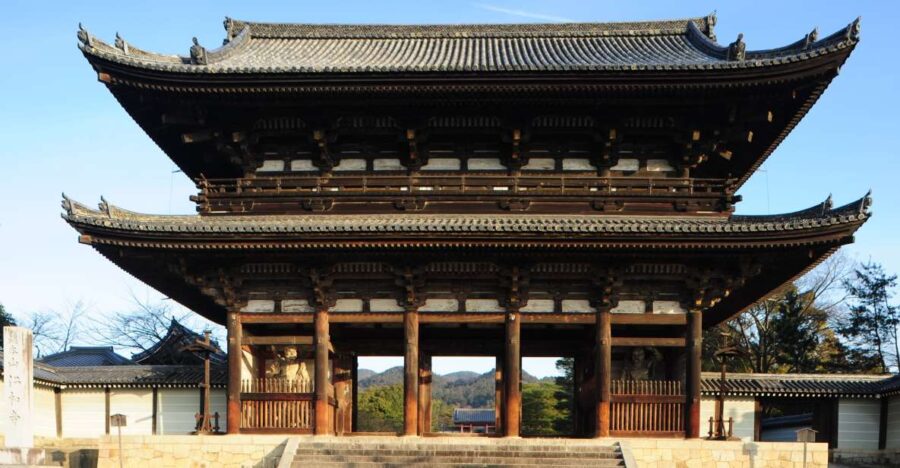
Founded in 888 AD, Ninnaji Temple is the main temple of the Omuro school of the Shingon sect of Buddhism, housing national treasures and cultural artifacts.
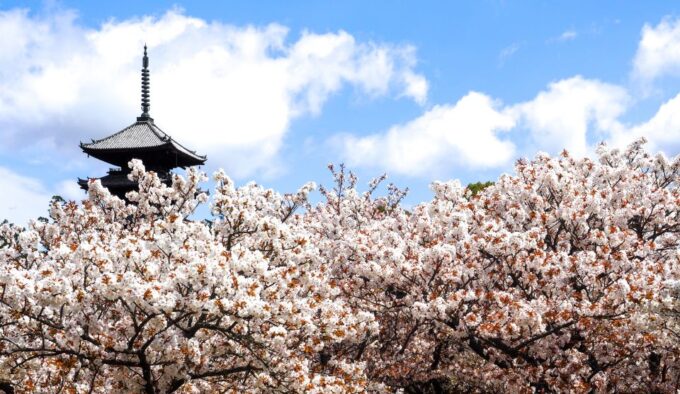
It’s known for its late-blooming Omuro sakura cherry trees and five-story pagoda.
The temple showcases the beauty of nature through the changing seasons: spring cherry blossoms, summer Buddhist ceremonies, fall foliage, and winter snow.
Visitors can marvel at the temple’s architectural and cultural significance, reflecting Japan’s rich heritage. Whether you’re interested in history, art, or nature, Ninnaji Temple offers a truly unique and immersive experience in the heart of Kyoto.
Architectural Highlights
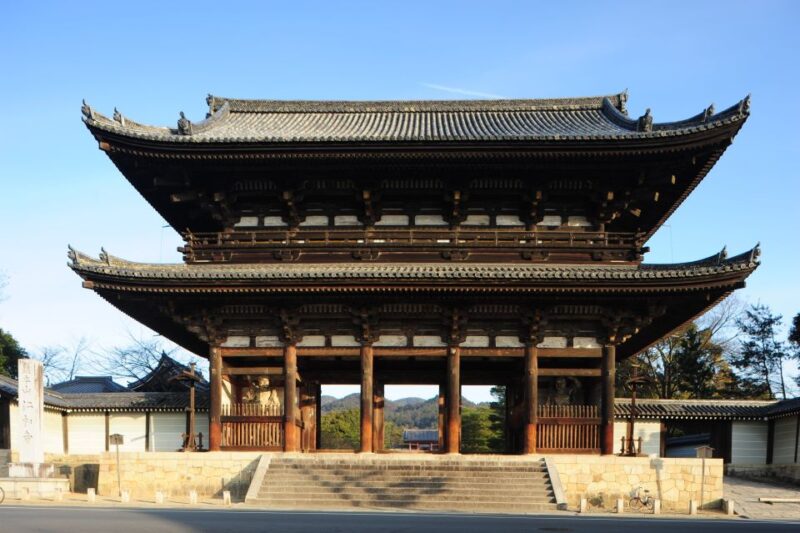
One of the most striking architectural features of Ninnaji Temple is its grand five-story pagoda, which stands as a testament to the temple’s enduring legacy. Rising majestically against the backdrop of the temple grounds, the pagoda is a true masterpiece of Japanese Buddhist architecture. Each level of the pagoda is adorned with intricate carvings and decorations, showcasing the incredible skill and craftsmanship of the builders.
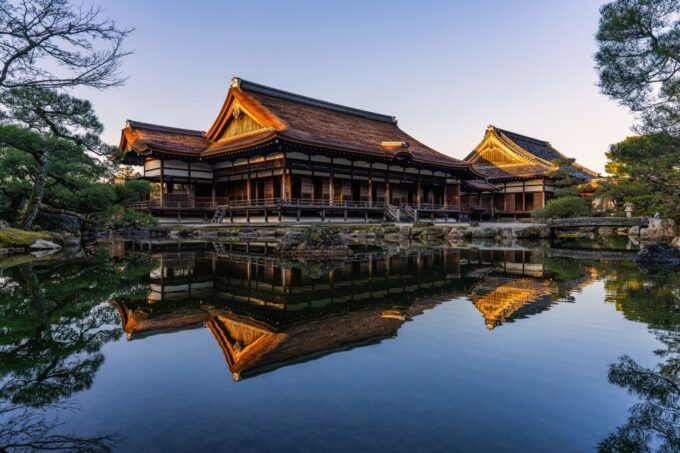
The temple’s main hall, known as the Goten palace, is another architectural gem, boasting stunning traditional Japanese design elements. Visitors can explore these and other architectural wonders during their visit, seeing the rich history and culture of this revered temple.
Seasonal Attractions
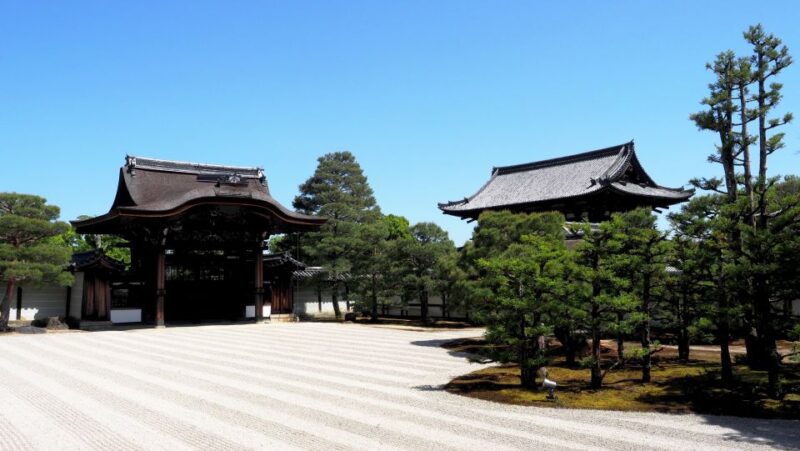
Beyond the temple’s architectural marvels, Ninnaji’s seasonal attractions captivate visitors throughout the year, showcasing the natural beauty of the grounds.
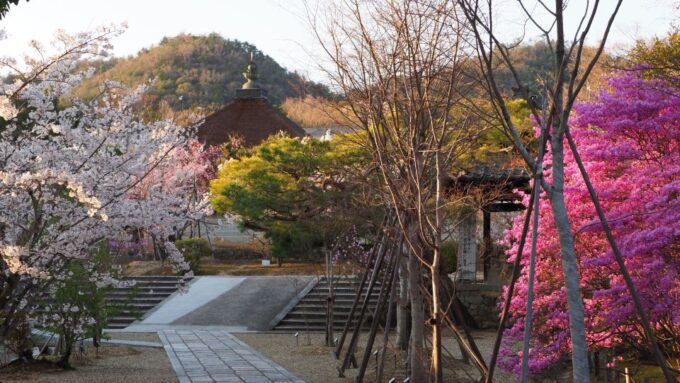
In spring, the famous Omuro sakura cherry trees burst into bloom, painting the landscape in a soft, ethereal pink.
Visitors can enjoy the tranquility of Buddhist ceremonies during the summer months, while the vibrant hues of fall foliage offer a stunning contrast against the temple’s historic structures.
Even in winter, the temple grounds are transformed, blanketed in a serene layer of snow.
Through these changing seasons, Ninnaji seamlessly integrates the natural world with its spiritual essence, creating an unforgettable experience for all who visit.
Ticket Inclusions
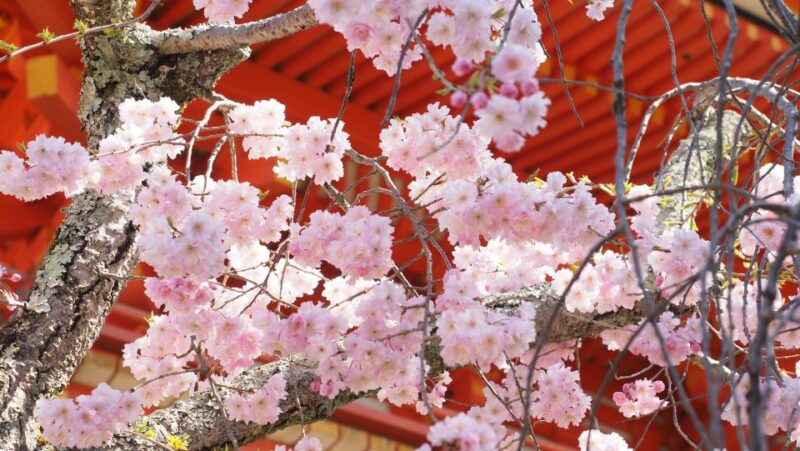
The Ninnaji Temple entry ticket provides access to several highlights within the temple complex, including the Goten palace and gardens, as well as the Reiho-kan Museum, if the optional ticket is selected.
Visitors can also gain entry to any flower festivals or other special events happening during their visit.
The ticket booths close 30 minutes before the temple itself, so it’s important to arrive with enough time to explore.
Those with a physical disability certificate can enter for free, while during cherry blossom season, an additional admission fee is required after passing through the Chumon inner gate to help preserve the beloved Omuro sakura trees.
More Great Tours NearbyOpening Hours
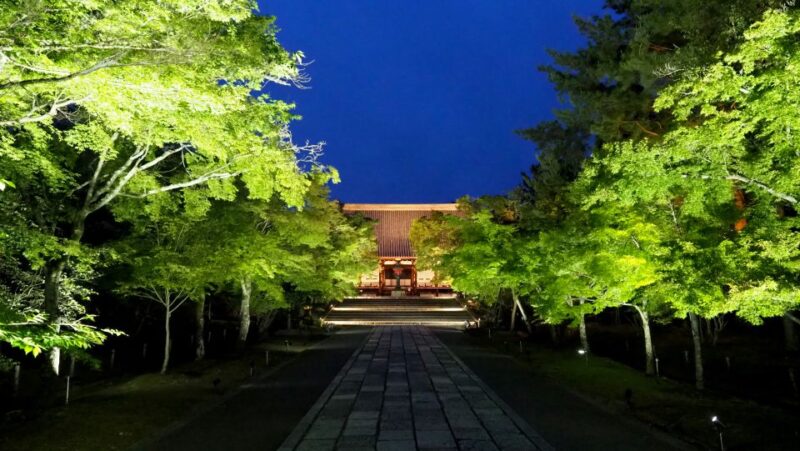
The Ninnaji Temple operates from 9 AM to 5 PM during the months of March through November, while the hours are reduced to 9 AM to 4:30 PM from December to February.
This schedule allows visitors to explore the temple’s rich history and stunning architecture throughout the year.
The ticket booths close 30 minutes before the temple closes, ensuring visitors have ample time to purchase their entry tickets.
Whether you’re visiting in the spring to admire the cherry blossoms or in the winter to witness the temple blanketed in snow, the Ninnaji Temple is open to welcome guests during its operating hours, offering a glimpse into Japan’s cultural heritage.
Additional Admission Fees
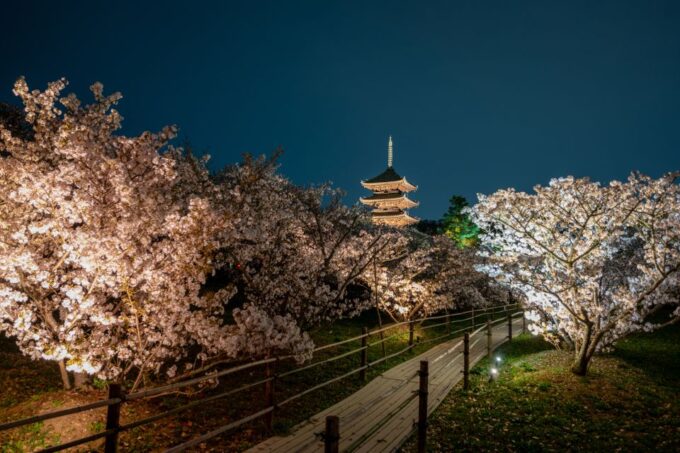
During cherry blossom season, visitors must pay an additional admission fee to enter the area beyond the Chumon inner gate. These fees are used to preserve the Omuro Sakura, the late-blooming cherry trees that are a hallmark of the temple. The period when the fee is required may vary depending on the peak of the cherry blossom season.
| Fee Rates | |
|---|---|
| Adult | ¥500 |
| Child (6-12 years) | ¥250 |
| Senior (65+ years) | ¥250 |
| Disabled Visitors | Free |
| Group (20+) | ¥400 per person |
Visitors with a physical disability certificate can enter for free. These additional fees ensure the protection and preservation of the stunning Omuro Sakura for years to come.
Accessibility and Discounts
Visitors with a physical disability certificate can enter Ninnaji Temple for free, ensuring accessibility for all.
The temple also offers several discounts:
- For groups of 20 or more, a special group discount is available.
- Japanese senior citizens aged 65 and above can enjoy a reduced admission fee.
- Children under the age of 15 can visit the temple free of charge.
These accessibility options and discounts make Ninnaji Temple a welcoming destination for visitors of all ages and abilities. By catering to diverse needs, the temple ensures that everyone can enjoy its rich cultural heritage and natural beauty.
Booking and Cancellation Policy
Ninnaji Temple offers visitors the convenience of reserving their admission tickets in advance, allowing them to secure their spot and plan their visit seamlessly.
Visitors can reserve their tickets now and pay later, ensuring they don’t miss out on this historic temple.
Ninnaji Temple has a flexible cancellation policy, offering free cancellation up to 24 hours in advance for a full refund. This allows travelers to adjust their plans without any hassle.
Whether you’re visiting during the stunning cherry blossom season or exploring the temple’s cultural treasures, booking your tickets in advance is the way to go for a stress-free experience at Ninnaji Temple.
Frequently Asked Questions
Can I Take Photos Inside the Temple Complex?
Yes, visitors can take photos throughout the Ninnaji Temple complex. However, flash photography is not allowed inside the buildings to preserve the delicate artifacts and artwork. Visitors should be respectful and mindful when taking photos on the temple grounds.
Are There Any Restaurants or Cafes Within the Temple Grounds?
There are no restaurants or cafes within the Ninnaji Temple grounds. Visitors can find food and refreshment options in the nearby surrounding areas, but the temple complex itself does not have any dining facilities on-site.
Are Audio Guides Available for Self-Guided Tours?
Audio guides aren’t mentioned in the provided information, so it’s unclear if they’re available for self-guided tours at Ninnaji Temple. Visitors may want to inquire with the temple staff upon arrival about any audio guide offerings.
Can I Bring My Own Food and Drinks to the Temple?
Yes, visitors are allowed to bring their own food and drinks to Ninnaji Temple. This includes snacks, meals, and non-alcoholic beverages, which can be enjoyed on the temple grounds during the visit.
Are There Any ATMS or Currency Exchange Facilities Nearby?
There are ATMs and currency exchange facilities available near Ninnaji Temple. Visitors can easily access them to obtain local currency before or after their temple visit.
Kyoto: Ninnaji Temple Entry Ticket
Recap
Ninnaji Temple is a must-visit destination in Kyoto, offering a unique blend of historical, cultural, and natural wonders.
Visitors can explore the temple’s architectural marvels, experience traditional Buddhist ceremonies, and witness the beauty of seasonal changes.
The entry ticket provides access to the main attractions, ensuring a fulfilling and memorable experience.
With various discount options and flexible booking policies, Ninnaji Temple caters to the needs of diverse visitors, making it an accessible and enjoyable destination.
You can check availability for your dates here: