Tokyo’s soba-making experience offers a unique glimpse into the centuries-old culinary tradition of Japan. At the renowned Sarashina Horii, visitors can enjoy the intricate craft, guiding them through the meticulous process of crafting these delicate buckwheat noodles. From kneading the dough to slicing the thin strands, each step demands the utmost precision and attention to detail. By the end of the 1.5-hour session, you will not only savor the nuanced flavors, but also gain a deeper appreciation for the dedication and mastery required to create this quintessential Japanese delicacy.
Key Points
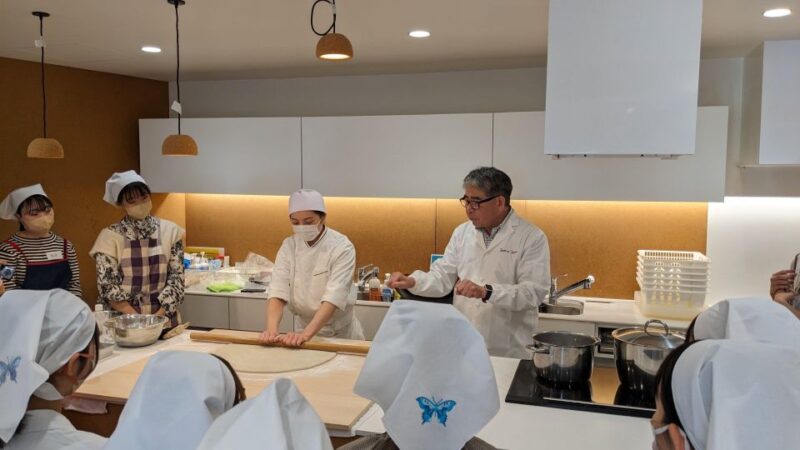
- Participate in a 1.5-hour small-group soba-making session led by an English-speaking instructor at the renowned Sarashina Horii soba house in Tokyo.
- Learn the traditional soba-making process step-by-step, including mixing the buckwheat flour dough, rolling it out, and precisely cutting the noodles.
- Observe the expertise of a master craftsman and engage in hands-on practice to create your own batch of freshly boiled soba noodles.
- Savor the delicate, nutty flavors and al dente texture of your handcrafted soba noodles, served with a flavorful dipping sauce.
- Gain insights into the art and skill required for soba-making through collective feedback and discussions with the instructor.

👉 Check out our guide to the 3 Best Guided Tours In Japan
Contents
- Key Points
- About Soba Noodles
- Background of Sarashina Horii
- Soba Making Experience Details
- Mixing the Dough
- Rolling Out the Dough
- Cutting the Noodles
- Boiling the Soba
- Tasting and Feedback
- Frequently Asked Questions
- Can I Take the Soba Noodles I Make Home With Me?
- Is There a Dress Code for the Soba Making Experience?
- What Should I Do if I Have Food Allergies or Dietary Restrictions?
- Can I Take Photos or Videos During the Soba Making Process?
- Is There a Minimum Age Requirement for Participants?
- Recap
- Our Top Picks in Japan
- More Tour Reviews in Japan
- Not for you? Here's more things to do in Japan we have recnetly reviewed
About Soba Noodles
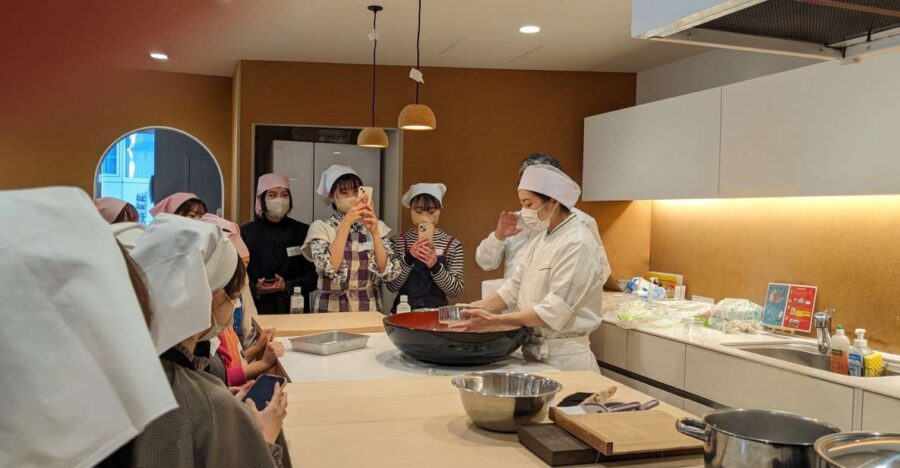
Soba is a traditional Japanese noodle that’s commonly made from buckwheat flour. It’s highly regarded in Japan, with skilled chefs often training for years to perfect the art of soba making.
The process involves meticulously mixing the flour and water to create the perfect dough, rolling it into thin sheets, and then precisely cutting the dough into fine, even noodles. The resulting soba noodles are then boiled and served, often with a variety of toppings and dipping sauces.
This delicate and nuanced dish is a testament to the dedication and skill of Japanese artisans who’ve honed their craft over generations, elevating soba to an art form in its own right.
You can also read our reviews of more tours and experiences in Japan.



Background of Sarashina Horii
Sarashina Horii boasts a storied history dating back to 1789, cementing its reputation as a renowned soba house in Japan.
This esteemed hotel has been honing the art of soba making for over 230 years, with artisans dedicated to perfecting their craft.
Located in Tokyo, Sarashina Horii‘s mastery of soba has been passed down through generations, ensuring the preservation of traditional techniques.
The soba house’s commitment to quality and authenticity has earned it a loyal following among both locals and visitors to Japan.
Soba Making Experience Details
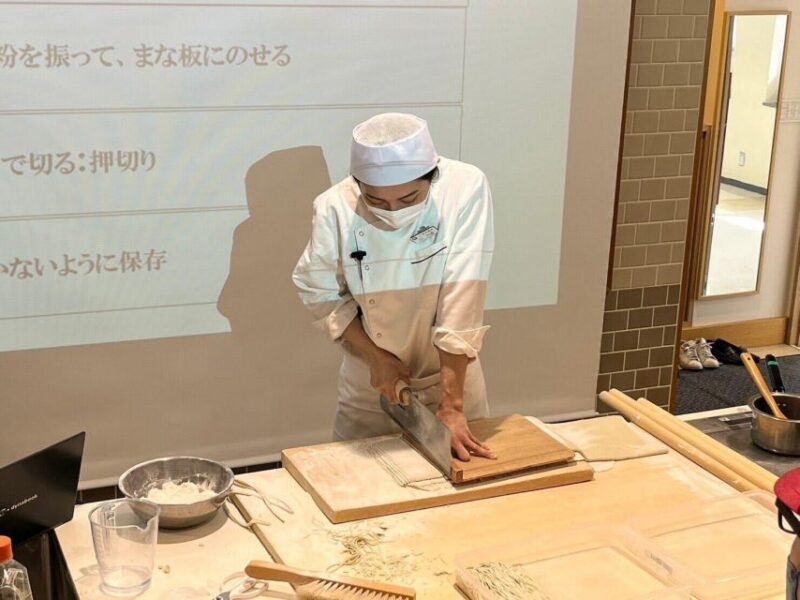
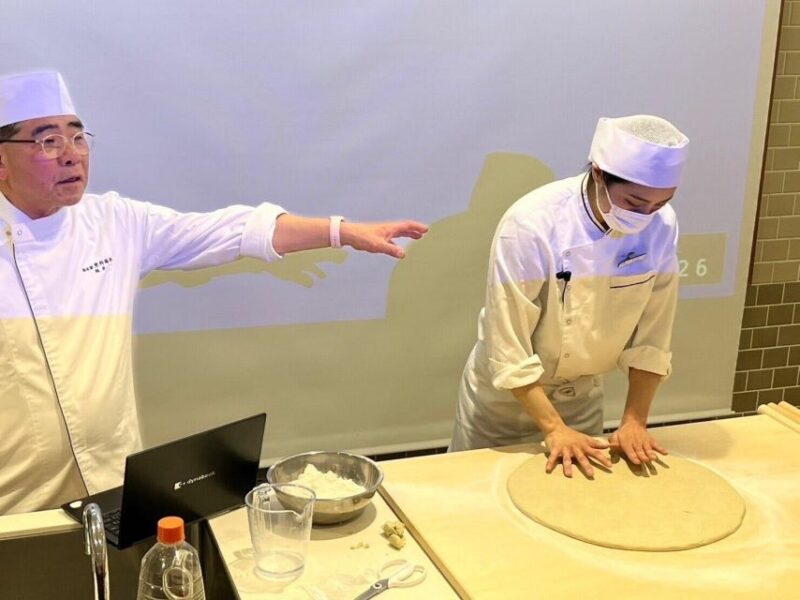
Building on the renowned reputation of Sarashina Horii, the soba making experience offers participants a unique opportunity to learn the traditional art firsthand. Lasting an hour and a half, the small-group session is led by an English-speaking instructor who guides attendees through each step of the soba-making process. After a brief introduction, the master craftsman demonstrates the techniques, before participants get hands-on experience mixing the buckwheat flour, rolling out the dough, and cutting the noodles. Finally, they get to enjoy tasting the fresh soba and providing feedback. With all necessary equipment and materials provided, this immersive experience allows anyone to become a soba-making apprentice for the day.
| Step | Activity | Duration |
|---|---|---|
| 1 | Introduction and overview | 10 minutes |
| 2 | Demonstration by the master craftsman | 10 minutes |
| 3 | Soba making experience | 30 minutes |
| 4 | Boiling the soba noodles | – |
| 5 | Tasting and feedback | 40 minutes |
Mixing the Dough
After the initial demonstration, participants eagerly begin the hands-on soba making process by mixing the buckwheat flour and water to create the foundational dough.
The instructor guides them on the right ratio of ingredients, emphasizing the importance of achieving the perfect consistency. Participants carefully measure and combine the flour and water, kneading the mixture until it forms a cohesive, pliable dough.
The process requires a delicate touch, as the dough must be neither too dry nor too sticky. With the instructor’s watchful eye, the group diligently works to master this crucial first step, knowing that the quality of the final soba noodles will depend heavily on the foundation laid by this initial dough-mixing stage.
More Great Tours NearbyRolling Out the Dough
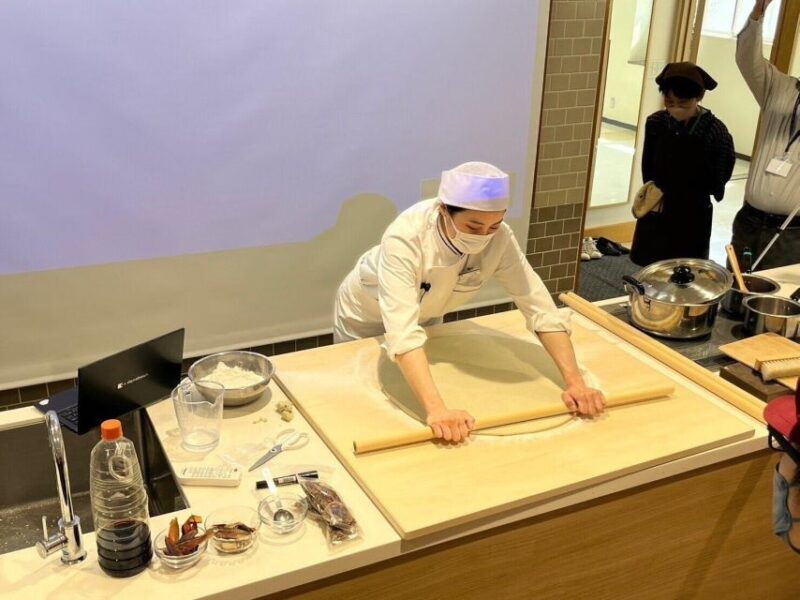
Next, participants carefully roll out the dough into thin, even sheets, using traditional wooden rolling pins.
With focused determination, they apply steady pressure and even strokes, gradually transforming the pliable dough into a delicate canvas.
The instructor closely monitors their technique, offering guidance on maintaining the proper thickness and consistency across the entire surface.
As the dough is meticulously rolled out, participants marvel at the skill and precision required to achieve the desired result – a thin, smooth sheet that will ultimately be cut into the signature soba noodles.
Rolling the dough to the perfect thinness is a critical step, as it ensures the noodles will cook evenly and have the desired texture and mouthfeel.






Cutting the Noodles
With great care and precision, the participants pick up the delicately rolled dough sheets and begin to carefully slice them into fine, even soba noodles using a specialized cutting tool. Under the watchful eye of the expert instructor, they apply gentle, downward strokes to effortlessly transform the supple dough into the signature, long, thin soba noodles. Concentration etched on their faces, the participants work diligently to ensure each noodle is uniform in width and length, a testament to the skill and attention required in this time-honored craft.
| Step | Description | Time |
|---|---|---|
| 1 | Carefully place the rolled dough sheet on the cutting board | 2 minutes |
| 2 | Align the specialized soba cutter at the edge of the dough | 1 minute |
| 3 | Apply gentle, even pressure to slice the dough into long, thin noodles | 5 minutes |
| 4 | Inspect each noodle for consistency in width and length | 2 minutes |
| 5 | Repeat the process until all dough is transformed into soba noodles | 20 minutes |
Boiling the Soba
Having carefully sliced the delicate soba noodles, the participants now turn their attention to the crucial step of boiling them to perfection.
Under the guidance of the expert instructor, they carefully lower the noodles into a pot of gently simmering water, ensuring each strand is fully submerged.
The group closely watches the noodles as they cook, observing how the vibrant hue of the buckwheat transforms.
After just a few minutes, the soba is ready, with a perfect al dente texture.
The instructor demonstrates the proper technique for fishing out the noodles and transferring them to a serving dish, where they’ll be dressed with a flavorful dipping sauce and enjoyed immediately.
Tasting and Feedback
After carefully boiling the soba noodles to perfection, the participants eagerly gather around the table to taste their handcrafted creations.
With anticipation etched on their faces, they dip the noodles into the provided dipping sauce, savoring the delicate, nutty flavors and the satisfying, al dente texture.
The instructor encourages the group to provide feedback, guiding them through a discussion on the nuances of soba preparation and inviting suggestions for improvement.
As the group shares their impressions, the instructor takes note, highlighting the key points and offering insights into achieving the perfect soba consistency and taste.
The collective feedback helps reinforce the art and skill required to craft these traditional Japanese noodles.
Frequently Asked Questions
Can I Take the Soba Noodles I Make Home With Me?
The soba noodles made during the experience are typically not taken home. Participants enjoy tasting the freshly prepared noodles on-site, but the focus is on the hands-on learning process rather than producing noodles to take away.
Is There a Dress Code for the Soba Making Experience?
There is no specific dress code for the soba making experience. Participants should wear comfortable, casual clothing that they don’t mind getting a bit dirty. Aprons will be provided to protect participants’ clothes during the hands-on noodle making activity.
What Should I Do if I Have Food Allergies or Dietary Restrictions?
For those with food allergies or dietary restrictions, simply notify the instructor ahead of time. They can accommodate vegan participants and make adjustments to the ingredients to cater to specific needs, ensuring everyone can fully enjoy the soba-making experience.
Can I Take Photos or Videos During the Soba Making Process?
Guests are typically allowed to take photos and videos during the soba making process, though it’s best to check with the instructor first. Some venues may have restrictions to avoid disrupting the delicate prep work.
Is There a Minimum Age Requirement for Participants?
There is typically a minimum age requirement of 8 years old for participants in soba making classes. However, the exact age restriction may vary by provider. Younger children may be permitted with adult supervision.
Tokyo: Soba (Buck Wheat Noodles) Making Experience
Recap
Immersing oneself in the art of soba-making at Sarashina Horii offers a captivating cultural experience. Participants learn the intricate process firsthand, from mixing the buckwheat flour to savoring the nuanced flavors.
This hands-on workshop provides a deep appreciation for the dedication and mastery required to craft this quintessential Japanese delicacy, leaving visitors with a newfound respect for the centuries-old tradition.
You can check availability for your dates here: