
The ancient city of Nora, located just outside the bustling city of Cagliari, offers an unparalleled glimpse into Sardinia’s rich history. This private guided tour, limited to just five participants, promises an immersive experience through the remnants of the first Phoenician settlement on the island. From the grandeur of Roman theaters and thermal baths to the intricate decorations of the necropolises, each step in this four-hour journey unravels the captivating stories of the civilizations that once thrived in this remarkable archaeological site. Prepare to be captivated as you explore the fascinating layers of Nora’s past.
Key Points
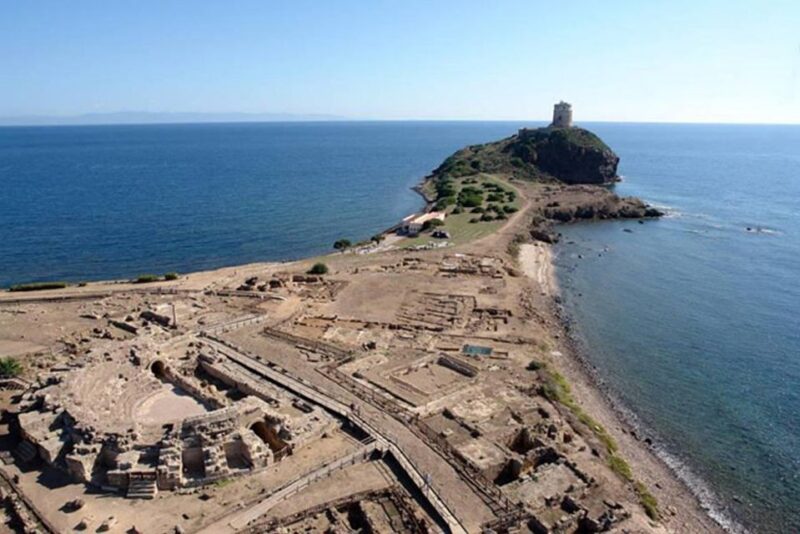
- Guided private tour of the Nora Archaeological Site, the first Phoenician city in Sardinia, with a duration of approximately 4 hours and a group size limited to 5 participants.
- Explore the well-preserved Roman and Phoenician-Punic remains, including a theater, thermal baths, temples, necropolis, and aqueduct, providing insights into the rich history of this ancient Sardinian settlement.
- Discover the Necropolis and aqueduct, which offer insights into the daily lives and death rituals of the ancient inhabitants, and the Nora Stone, the oldest document mentioning Sardinia.
- Opportunity to snorkel at Punta del Coltellazzo, where you can explore the crystal-clear waters and marine life, with the scenic backdrop of the ancient ruins.
- Visit the nearby town of Pula, featuring a well-preserved historic center, local shops, and traditional Sardinian cuisine, complementing the archaeological exploration.
Contents
- Key Points
- Experience Overview
- Historical Significance
- Key Attractions
- Exploring the Ruins
- Visiting the Necropolis
- Discovering Phoenician-Punic Remains
- Snorkeling at Punta Del Coltellazzo
- Exploring the Town of Pula
- Frequently Asked Questions
- What Should I Bring for the Guided Tour?
- Is the Tour Suitable for Children?
- Is There a Dress Code for the Archaeological Site?
- Are There Any Dietary Requirements for the Tour?
- Can I Extend My Stay in Pula After the Tour?
- Recap
Experience Overview
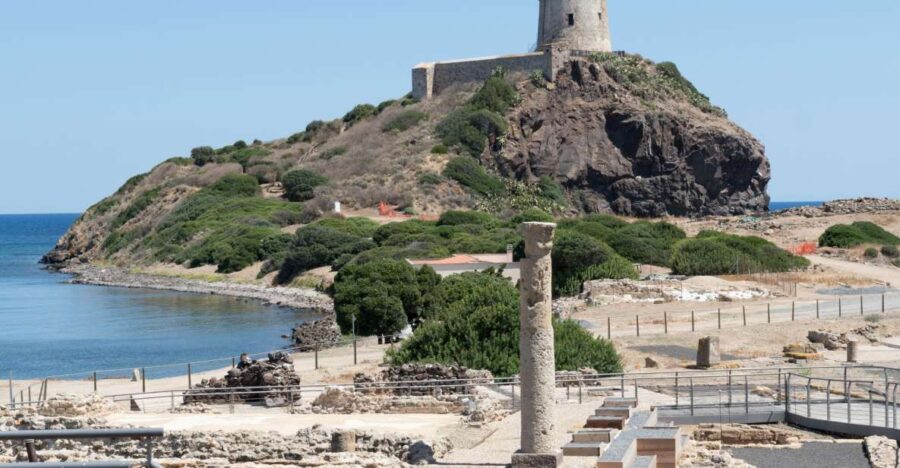
This private guided experience at the Nora Archaeological Site transports visitors back in time to the first Phoenician city established in Sardinia. Lasting approximately 4 hours, the experience accommodates a group size limited to 5 participants.
Offered in Portuguese, Italian, French, English, and Spanish, this immersive tour includes pickup from the Domus de Maria and Chia area, allowing guests to fully focus on exploring the ancient ruins.
As the guide navigates the historic site, you will discover the wealth of Roman and Phoenician-Punic remains, including a theater, thermal baths, temples, and the necropolis and aqueduct.
The highlight for many is the opportunity to see the Nora Stone, the oldest document mentioning Sardinia.
Historical Significance
The Nora Archaeological Site dates back to the 8th century BC, when it was established as a crucial commercial port for the Phoenicians.
This ancient city was later conquered by the Romans in 238 BC, who transformed it into a thriving municipium during the 1st century AC.
At its peak, Nora was home to a population of around 8,000 people.
Today, the archaeological park showcases a remarkable blend of Roman and Phoenician-Punic remains, providing visitors with a captivating glimpse into the site’s storied past.
Exploring the ancient ruins, from the theater and thermal baths to the temples and necropolis, offers a unique opportunity to take in the rich history of this once-prosperous Sardinian settlement.
Key Attractions
Visitors can explore a wealth of ancient ruins at the Nora Archaeological Site, including a captivating theater, well-preserved thermal baths, and a collection of intriguing temples. The site’s highlights include:
-
Discovering the necropolis and aqueduct, offering insights into the daily lives of Nora’s ancient inhabitants.
-
Visiting the Temple of Tanit, a sacred site dedicated to the Punic fertility goddess.
-
Examining the Nora Stone, the oldest known document mentioning the island of Sardinia.
-
Enjoying snorkeling opportunities at the scenic Punta del Coltellazzo, where visitors can explore the area’s clear waters and marine life.
These diverse attractions provide a comprehensive glimpse into the rich history and culture of this ancient Phoenician city.
Exploring the Ruins
Exploring the ancient ruins of Nora provides visitors with a captivating glimpse into the city’s storied past.
One can wander through the remarkably well-preserved remnants of a grand Roman theater, whose weathered stone seats once echoed with the lively performances of antiquity.
Further exploration leads to the impressive thermal baths, where visitors can envision the relaxation and socializing that occurred within these grand chambers.
The temple complexes, such as the Temple of Tanit, offer insight into the religious traditions of the Phoenician-Punic and Roman eras.
Each ruin tells a tale, inviting visitors to uncover the rich history that shaped this once-thriving commercial port along the Sardinian coast.
More Great Tours NearbyVisiting the Necropolis
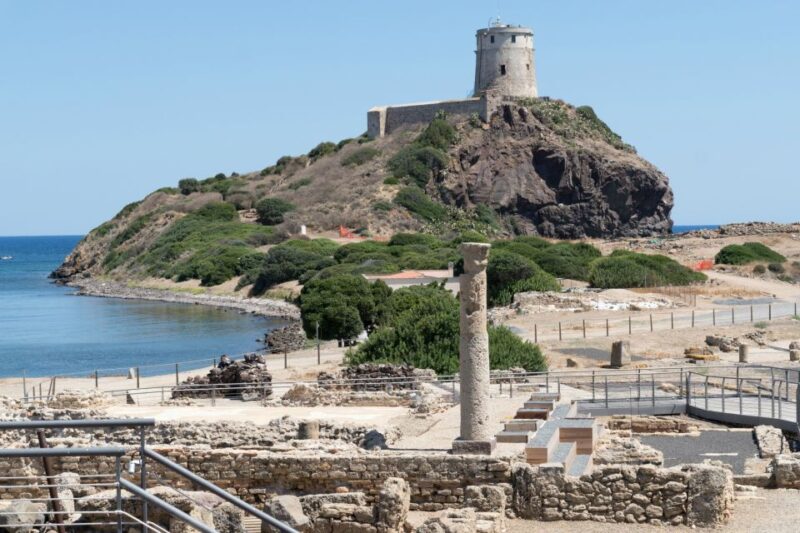
‘Cagliari: Nora Archaeological Site Private Experience’
Beyond the grand structures and temples, Nora’s necropolis offers a window into the burial practices and beliefs of the city’s ancient inhabitants. Visitors can explore the vast necropolis, which contains:
-
Intricately decorated tombs, showcasing the Phoenician and Punic cultures’ reverence for the dead.
-
An aqueduct that once provided water to the necropolis, highlighting the city’s advanced infrastructure.
-
Inscriptions and artifacts that provide insights into the religious and cultural rituals surrounding death and the afterlife.
-
Stunning coastal views, as the necropolis is situated along the rugged Sardinian shoreline.
Delving into this sacred site allows travelers to truly enjoy Nora’s rich and multilayered history.
Discovering Phoenician-Punic Remains
Delving into the Phoenician-Punic remnants at the Nora Archaeological Site unveils a captivating glimpse into the region’s ancient maritime trading empire. Visitors can explore the remarkably preserved ruins of temples, residential quarters, and commercial structures that exemplify the architectural prowess and cultural sophistication of this ancient civilization. The site’s highlights include the Temple of Tanit, dedicated to the goddess of fertility and love, and the iconic Nora Stone, the oldest known written record mentioning Sardinia. Uncovering these vestiges of the Phoenician-Punic era provides a profound understanding of the site’s pivotal role in the Mediterranean’s vibrant commercial networks centuries ago.
| Feature | Description |
|---|---|
| Temple of Tanit | Dedicated to the goddess of fertility and love |
| Nora Stone | Oldest known written record mentioning Sardinia |
| Residential Quarters | Showcasing advanced architecture and urban planning |
Snorkeling at Punta Del Coltellazzo
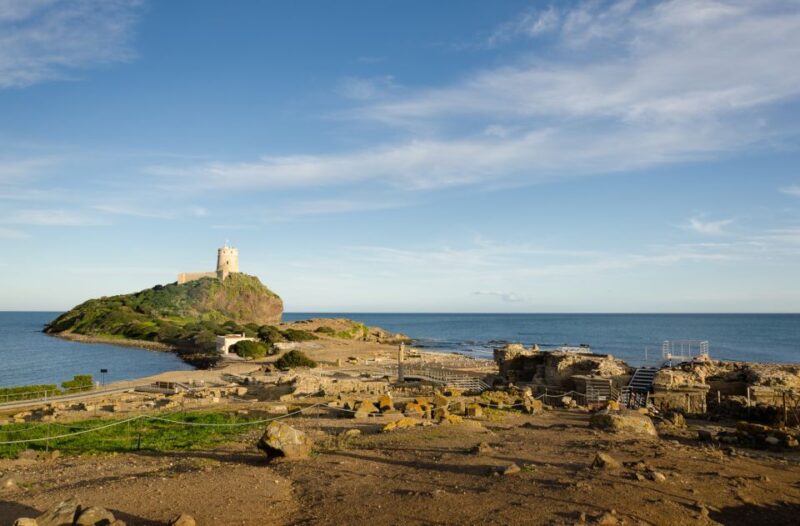
One of the highlights of visiting the Nora Archaeological Site is the opportunity to go snorkeling at Punta del Coltellazzo, where visitors can enjoy the crystal-clear waters and explore the vibrant marine life. The picturesque location offers an ideal setting for this activity, with the ancient ruins providing a unique backdrop.
Here’s what you can expect:
-
Discover a diverse array of colorful fish and marine creatures in their natural habitat.
-
Observe the intricate underwater rock formations and hidden coves along the coastline.
-
Enjoy the tranquility and refreshing waters, perfect for a midday break from exploring the archaeological site.
-
Snap breathtaking photos to capture the memorable experience of combining ancient history and natural beauty.
Exploring the Town of Pula
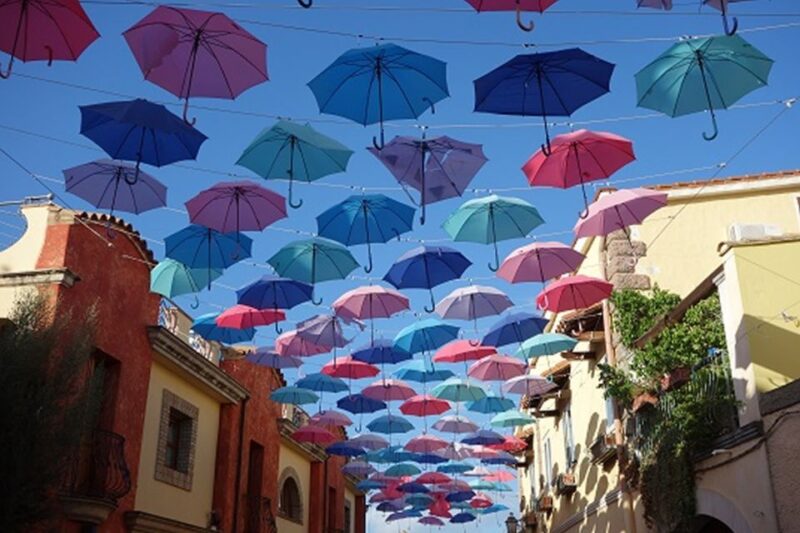
Often, visitors to the Nora Archaeological Site take the opportunity to explore the charming town of Pula, located just a short distance from the archaeological site.
Pula boasts a well-preserved historic center, with its winding alleys and patrician homes providing a glimpse into the town’s rich past. Visitors can stroll through the picturesque streets, stopping to browse the local shops for traditional Sardinian crafts and souvenirs.
The town also offers a range of dining options, from casual cafes to traditional restaurants serving authentic Sardinian cuisine.
With its quaint atmosphere and proximity to the Nora ruins, Pula provides a delightful complement to the archaeological exploration, offering a chance to take in the local culture and history.
Frequently Asked Questions
What Should I Bring for the Guided Tour?
For the guided tour, visitors should bring comfortable walking shoes, sun protection, and any necessary medication. Bringing a camera is also recommended to capture the ancient ruins and scenic coastal views.
Is the Tour Suitable for Children?
The tour may be suitable for children, as the group size is limited to 5 participants. However, the 4-hour duration and focus on archaeological ruins may not engage younger visitors. It’s best to check with the tour operator about child-friendly activities.
Is There a Dress Code for the Archaeological Site?
There is no formal dress code, but visitors should wear comfortable, weather-appropriate clothing and sturdy shoes suitable for walking on uneven terrain at the archaeological site. Covering up is generally recommended to avoid sun exposure.
Are There Any Dietary Requirements for the Tour?
The tour accommodates various dietary requirements. Participants should inform the tour provider about any special dietary needs, such as vegetarian, vegan, or food allergies, so they can make the necessary arrangements to ensure a comfortable experience.
Can I Extend My Stay in Pula After the Tour?
Yes, you can extend your stay in Pula after the tour. The charming town offers opportunities for souvenir shopping, dining in traditional restaurants, and further exploration of the historic alleys and patrician homes.
Cagliari: Nora Archaeological Site Private Experience
Recap
The Nora Archaeological Site in Cagliari offers a captivating private tour that delves into the rich history of this ancient Phoenician city.
Visitors can explore the well-preserved Roman theaters, thermal baths, and temples, gaining insights into the intricate past of this remarkable site.
With knowledgeable guides and a small group setting, this exclusive experience provides an immersive journey through the remnants of Sardinia’s first Phoenician settlement.
You can check availability for your dates here: