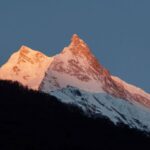
Trekking to Everest Base Camp is a bucket-list adventure for many adventurous souls. This renowned journey through Nepal’s Khumbu region offers unparalleled views of the world’s highest peaks and a chance to take in the rich Sherpa culture. While the trek presents a moderate to strenuous challenge, strategic acclimatization days ensure trekkers’ safety at high altitudes. From picturesque villages to ancient monasteries, this 12-day expedition promises an unforgettable experience for those seeking both natural beauty and personal growth. With the right preparation and mindset, the Everest Base Camp Trek could be the journey of a lifetime.
Key Points
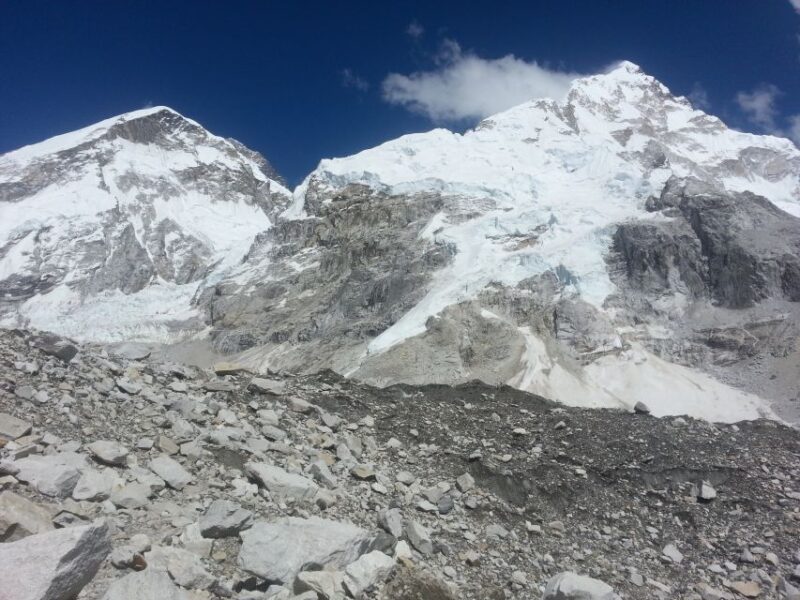
• The Everest Base Camp Trek is a 12-day trekking experience in the Khumbu region of Nepal, with a price of $1,380 per person and a group size limit of 15 participants.
• The trek offers highlights such as visiting Sherpa villages, immersing in Tibetan Buddhist culture, and enjoying magnificent views of the Himalayas, with experienced guides enhancing the experience.
• The trek includes acclimatization days to prevent altitude sickness, and the best seasons for the trek are March to May and September to November.
• The package includes airport pick-up, return flights between Kathmandu and Lukla, government-licensed guides, trekking permits, and emergency services, but excludes international airfare and personal expenses.
• A good fitness level and proper gear, including warm clothing and sturdy boots, are essential for the moderate to strenuous trek, which requires several months of preparation.
You can check availability for your dates here:
👉 Check out our guide to the 2 Best Guided Tours In Jagat
Contents
- Key Points
- Trek Overview and Pricing
- Trek Highlights and Experience
- Day-to-Day Itinerary
- Inclusions and Services
- Additional Information
- Arrival and Departure
- Fitness and Preparation
- Frequently Asked Questions
- Frequently Asked Questions
- What Is the Average Temperature During the Trek?
- Can I Bring My Own Trekking Gear?
- What Is the Internet Connectivity Like During the Trek?
- How Difficult Is the Altitude Acclimatization Process?
- Can I Extend the Trek to Visit Other Areas?
- Recap
- Our Top Picks in Kathmandu
- More Hiking & Trekking Tours in Kathmandu
- More Tour Reviews in Kathmandu
- Not for you? Here's more things to do in Kathmandu we have recnetly reviewed
Trek Overview and Pricing
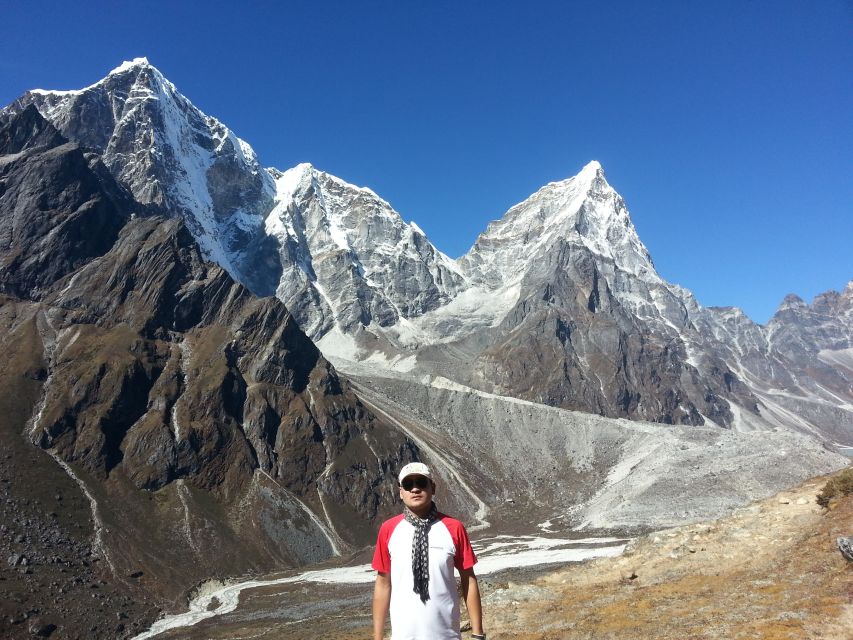
The Everest Base Camp Trek is priced at $1,380.00 per person and lasts 12 days, with a small group size limited to 15 participants.
Travelers can take advantage of the free cancellation policy, which allows them to cancel up to 24 hours in advance for a full refund, and the reserve now & pay later option.
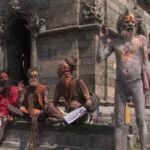
This trek takes adventurers through the Khumbu region, passing Sherpa villages and offering the opportunity to learn about Tibetan Buddhist culture.
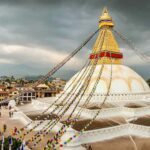
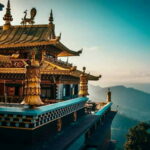
Trekkers can expect to enjoy magnificent views of the Himalayas and alpine flora and fauna, as well as visits to ancient monasteries like Pangboche and Tengboche.
The trek also includes acclimatization to prevent altitude sickness, with the best seasons being March to May and September to November.
Ready to hit more trails? More hiking adventures we feature in Kathmandu
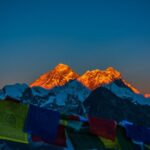
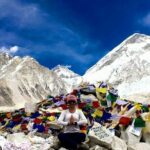
Trek Highlights and Experience
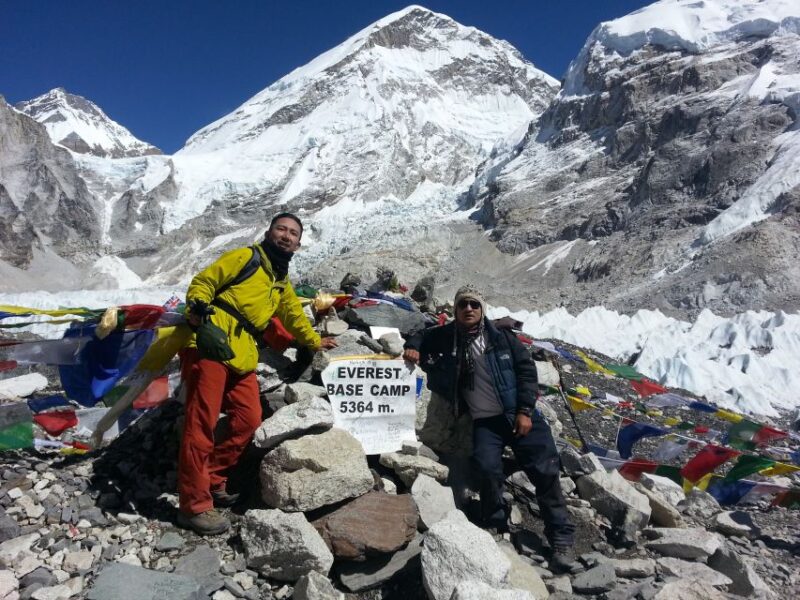
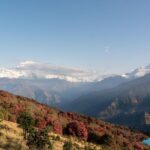
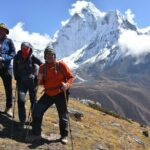
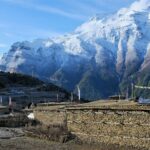
Trekkers follow the trail through the Khumbu region, passing by picturesque Sherpa villages and seeing the Tibetan Buddhist culture along the way. They’ll get to view alpine flora and fauna, as well as ancient monasteries like Pangboche and Tengboche.
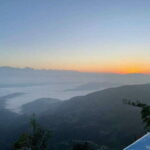
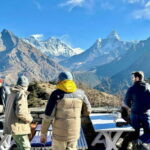
Trekkers are treated to magnificent views of the Himalayas throughout the journey. To prevent altitude sickness, the itinerary includes proper acclimatization.
The best seasons to tackle this trek are March to May, and September to November when the weather is mild and clear. With an experienced guide leading the way, trekkers can fully enjoy this once-in-a-lifetime adventure to Everest Base Camp.
Day-to-Day Itinerary
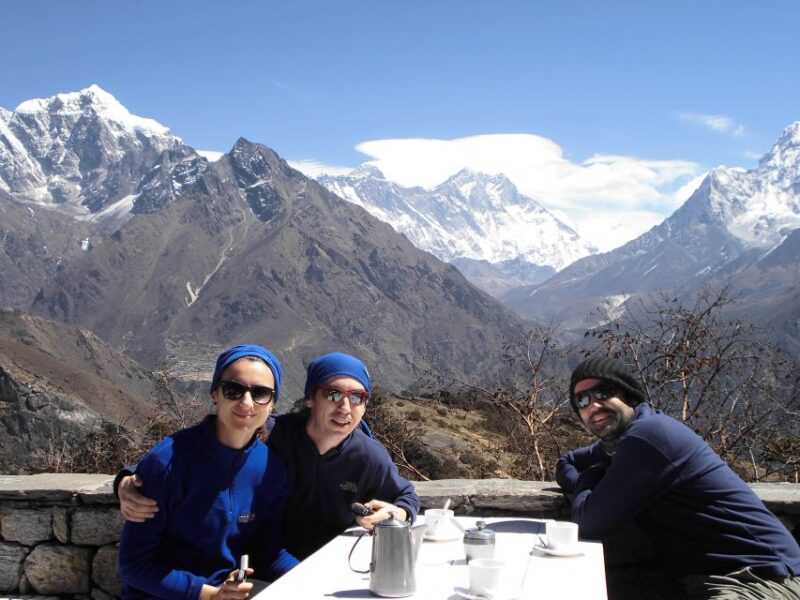
The 12-day Everest Base Camp trek begins with a flight to Lukla (2,652m/8,699ft), followed by a 3-4 hour trek to Phakding.
From Phakding, trekkers embark on a 6-hour journey to Namche Bazaar (3,440m/11,283ft) on Day 2. The next day is dedicated to acclimatization in Namche.
On Day 4, the trek continues for 5 hours to Tengboche (3,860m/12,660ft), followed by a 6-hour hike to Dingboche (4,410m/14,464ft) on Day 5. Another acclimatization day is scheduled in Dingboche on Day 6 before the trek proceeds to Lobuche (4,940m/16,105ft) on Day 7.
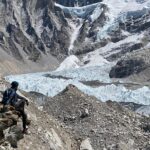
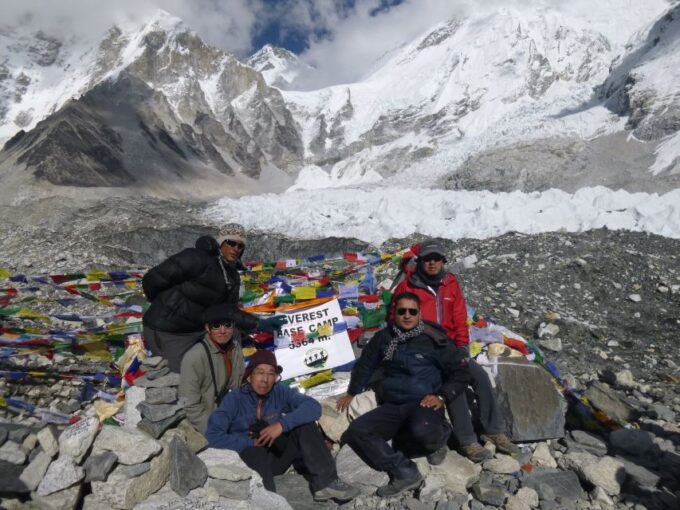
The highlight comes on Day 8 with the trek to Everest Base Camp (5,364m/17,594ft) and Gorakshep (5,164m/16,994ft), which takes 8 hours.
Inclusions and Services
The Everest Base Camp trek package includes comprehensive services, such as airport pick-up, return flights between Kathmandu and Lukla, and the services of a government-licensed, experienced guide.
This guide’s expenses, including food, accommodation, salary, equipment, transport, and insurance, are all covered.
Trekkers will also receive a trekking map of the Everest region and an achievement certificate upon completing the trek.
The package covers all necessary permits and fees, including the Sagarmatha National Park permit and TIMS (Trekkers’ Information Management System) fee.
On top of that, a first-aid medical kit and emergency helicopter rescue service are provided in case of any medical emergencies during the trek.
However, international airfare, additional accommodations in Kathmandu, travel and rescue insurance, personal expenses, and tips aren’t included in the package.
More Great Tours NearbyAdditional Information
Along With the included services, there are a few important items to consider for the Everest Base Camp trek.
International airfare to and from Kathmandu isn’t covered in the package price. Travelers can obtain a Nepal entry visa upon arrival at Tribhuwan International Airport.
Participants should also budget for any extra accommodation and meals in Kathmandu if the itinerary needs to be adjusted. Comprehensive travel and rescue insurance is required for the trek. This ensures you’re covered in case of any emergencies or unexpected changes during the challenging Himalayan adventure.
Plus, personal expenses and tips for guides and porters aren’t included in the trek price. By being aware of these additional considerations, trekkers can better prepare for a successful and memorable Everest Base Camp expedition.

Arrival and Departure
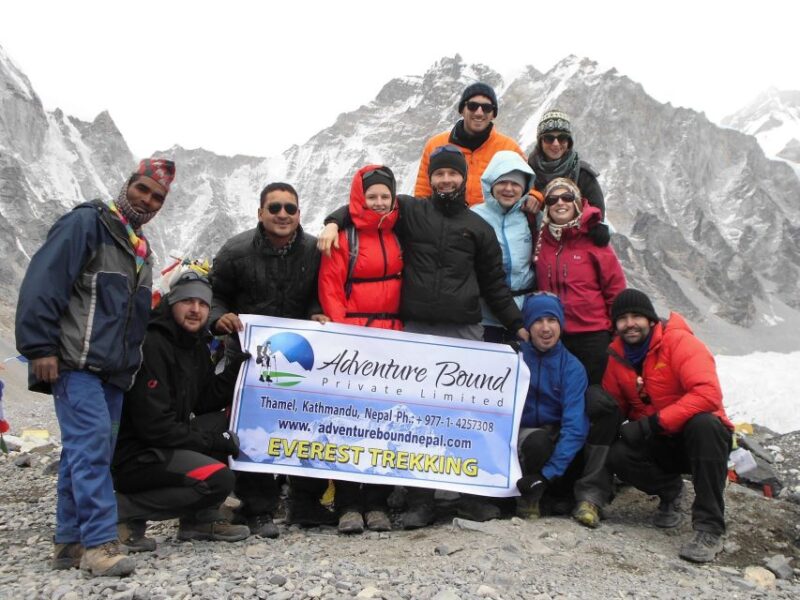
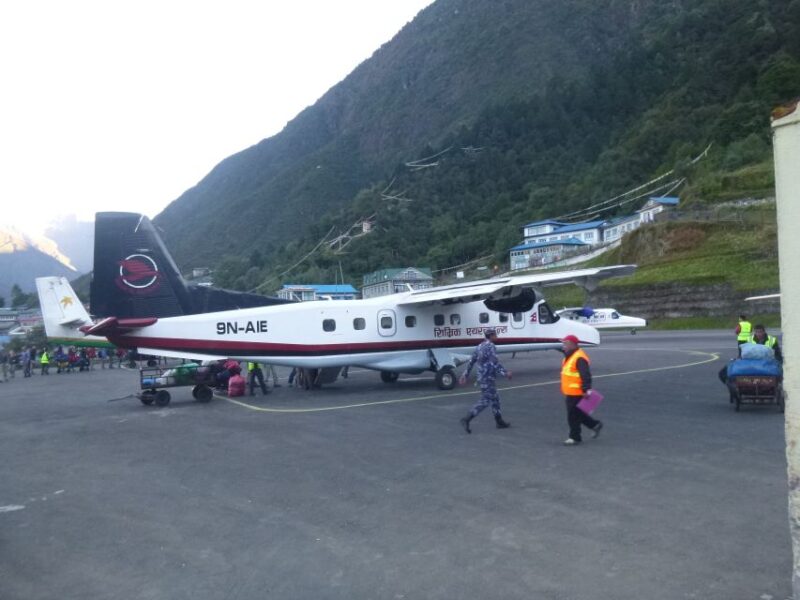
Travelers kick off their Everest Base Camp adventure by flying into Tribhuwan International Airport in Kathmandu, the capital of Nepal. From there, they’ll take a short 30-minute flight to Lukla, the gateway to the Everest region. This scenic flight offers stunning mountain views and gets trekkers right into the heart of the Himalayas.
At the end of the trek, hikers will retrace their steps back to Lukla to catch the return flight to Kathmandu. Depending on weather conditions, this final flight can be the most nerve-wracking part of the journey.
But once back in the capital, trekkers can celebrate their Everest Base Camp achievement and enjoy the sights and sounds of vibrant Kathmandu.
Fitness and Preparation
Reaching Everest Base Camp requires a good level of fitness and preparation. Prospective trekkers should train for several months prior to the trip, building up their endurance and strength through activities like hiking, cycling, or swimming.
To ensure a successful and enjoyable trek, it’s crucial to consider the following:
-
Proper Gear: Investing in high-quality, well-fitting trekking boots, warm layers, and other essential equipment can make a significant difference in comfort and performance.
-
Acclimatization: The trek involves significant changes in elevation, so it’s important to allow time for your body to adjust to the altitude to prevent altitude sickness.
-
Hydration and Nutrition: Staying hydrated and fueling your body with nutritious meals and snacks is vital for maintaining energy and endurance throughout the trek.
Frequently Asked Questions
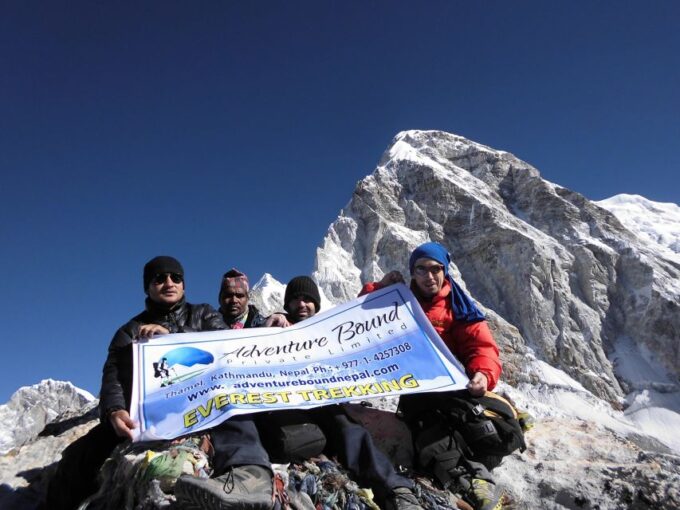
What’re some common questions about the Everest Base Camp Trek? Many trekkers wonder how difficult the hike is, what the weather conditions are like, and what type of physical preparation is required.
The Everest Base Camp Trek is considered a moderate to strenuous hike, with long trekking days and significant elevation gains.
Temperatures can vary widely, from freezing at night to pleasant during the day. Proper acclimatization is crucial to prevent altitude sickness.
Travelers should train by hiking with a weighted backpack and doing cardiovascular exercises. It’s also essential to pack the right gear, including warm clothing, sturdy boots, and trekking poles.
With the right preparation, the Everest Base Camp Trek can be an incredibly rewarding and unforgettable experience.
Frequently Asked Questions
What Is the Average Temperature During the Trek?
The average temperature during the trek varies depending on the season, but it’s typically mild during the popular hiking months of March to May and September to November, with daytime highs around 10-15°C (50-59°F) and nighttime lows around 0-5°C (32-41°F).
Can I Bring My Own Trekking Gear?
Yes, you can bring your own trekking gear. This allows you to use equipment you’re familiar with and comfortable in. Many trekkers opt to bring their own gear to ensure it meets their specific needs and preferences during the trek.
What Is the Internet Connectivity Like During the Trek?
During the trek, internet connectivity is limited. Most lodges have basic Wi-Fi, but it’s often slow and unreliable, especially in remote areas. Trekkers should expect limited access and plan accordingly, as online activities may be challenging.
How Difficult Is the Altitude Acclimatization Process?
The acclimatization process can be challenging, as rapid ascent to high altitudes can lead to altitude sickness. Proper acclimentation, with rest days, is crucial to prevent altitude-related issues and ensure a safe and enjoyable trek.
Can I Extend the Trek to Visit Other Areas?
Yes, the trek can be extended to visit other areas like Gokyo Lakes or Kala Patthar for better Himalayan views. This would require additional time and cost, but it provides opportunities to explore the Khumbu region more extensively.
Everest Base Camp Trek
Recap
The Everest Base Camp Trek is a once-in-a-lifetime opportunity to take in the awe-inspiring beauty of the Himalayas.
With its moderate to strenuous difficulty, the trek promises an unforgettable journey for adventure seekers, allowing them to experience the rich Sherpa culture and the thrill of reaching Everest Base Camp.
This trek is a true test of endurance and a chance to create lasting memories amidst the stunning natural landscape.
You can check availability for your dates here: