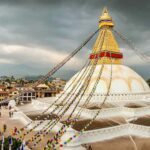
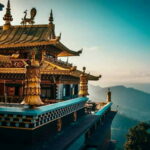
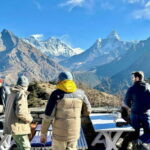
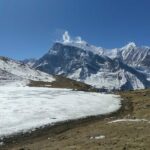
Embarking on the 16-day Mount Everest 3 Passes Trek from Kathmandu is no easy feat, but for those seeking an unparalleled adventure in the heart of the Himalayas, it’s an opportunity not to be missed. This challenging high-altitude expedition takes trekkers through awe-inspiring landscapes, immersing them in the vibrant Sherpa culture, and offering breathtaking panoramic views of the majestic mountain range. With experienced guides and porters leading the way, participants can expect comfortable accommodations and authentic local cuisine, ensuring a truly memorable journey. But before setting out on this unforgettable adventure, there are a few crucial considerations to explore.
Key Points
- This 16-day trek from Kathmandu explores the stunning Khumbu region, including crossing three high-altitude passes: Kongma La, Cho La, and Renjo La.
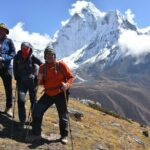
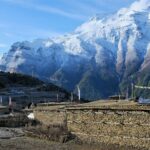
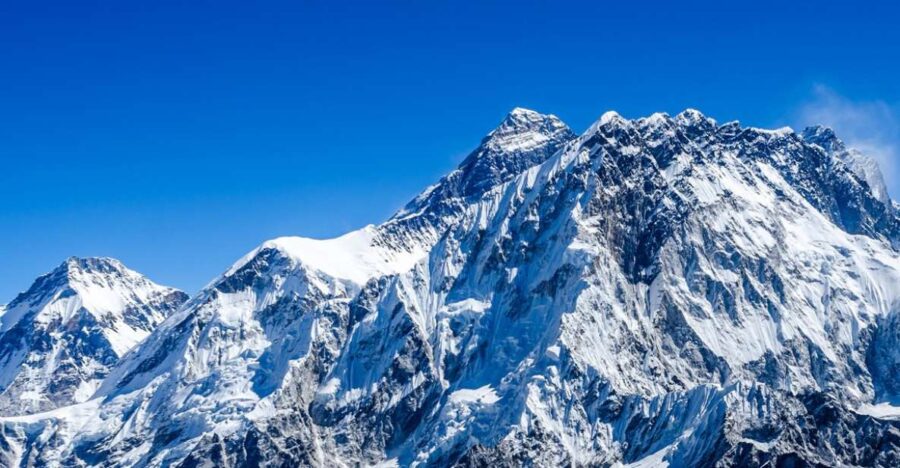
- The trek offers breathtaking panoramic views of the Himalayan range, including Mount Everest, Lhotse, and Nuptse, and the opportunity to experience Sherpa culture.
- Accommodation is provided in traditional Nepalese tea houses, and meals include local and international dishes to cater to various dietary needs.
- A high level of physical fitness is required to navigate the steep ascents and high altitudes, with proper acclimatization included in the itinerary to prevent altitude sickness.
- The trek is led by experienced English-speaking guides who ensure the safety and provide expertise on terrain navigation and altitude risks.
👉 Check out our guide to the 2 Best Guided Tours In Jagat
Contents
- Key Points
- Trek Overview
- Itinerary Breakdown
- Inclusions and Exclusions
- Accommodation and Meals
- Trekking and Safety
- Cultural Experiences
- Physical Preparation
- Additional Information
- Frequently Asked Questions
- What Are the Essential Items for the Trek?
- How Difficult Is the Cho La Pass Crossing?
- Can I Rent Hiking Equipment in Kathmandu?
- What Are the Risks of Altitude Sickness?
- How Can I Best Prepare for the Physical Demands?
- Recap
- Our Top Picks in Kathmandu
- More Hiking & Trekking Tours in Kathmandu
- More Tour Reviews in Kathmandu
- Not for you? Here's more things to do in Kathmandu we have recnetly reviewed
Trek Overview
This 16-day Mount Everest 3 Passes Trek offers an ultimate Himalayan adventure, taking trekkers from Thamel to Gokyo via the Renjo La pass (5345m) and then on to Everest Base Camp via the Cho La pass (5420m).
The trek starts at a price of $1,899 per person and features panoramic views of the Himalayan range as well as the opportunity to immerse in local culture and cuisine.
Cancellation is free up to 24 hours in advance, and an English-speaking guide and optional audio guide are provided.
Whether you’re a seasoned trekker or a first-timer, this trek promises an unforgettable experience in the heart of the Himalayas.
Ready to hit more trails? More hiking adventures we feature in Kathmandu
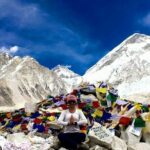
Itinerary Breakdown
The 16-day itinerary for the Mount Everest 3 Passes Trek takes trekkers on an unforgettable journey through the Himalayas, covering a diverse range of landscapes and elevations. The trek starts with a flight to Lukla and a trek to Phakding, followed by a challenging ascent to Namche Bazaar for acclimatization.
Trekkers then proceed to Tengboche, Dingboche, Chhukung, and Lobuche, crossing the Kongma La pass (5,535m) before reaching Gokyo via the Cho La pass (5,368m). The final leg includes crossing the Renjo La pass (5,360m) and returning to Namche Bazaar and Lukla before the flight back to Kathmandu.
-
Traverse high mountain passes reaching over 5,000 meters
-
Experience panoramic views of the Himalayan range
-
Explore the vibrant Sherpa culture and local communities
-
Acclimatize properly to ensure a safe and enjoyable trek
Inclusions and Exclusions
The Mount Everest 3 Passes Trek package includes airport/hotel transfers in a private vehicle, 2 nights of hotel accommodation in Kathmandu with breakfast, and 13 nights in tea houses during the trek with shared bathroom facilities.
Plus, it provides an experienced English-speaking trekking guide and porter (with a ratio of 2 trekkers to 1 porter), as well as all meals during the trek: breakfast, lunch, and dinner.
However, the package doesn’t include international flights, Nepalese visa fees, travel insurance, and personal expenses such as bottled water, alcoholic beverages, and tips for the guide and porter.
Participants are responsible for obtaining their own travel insurance to cover medical expenses, trip cancellation, and other contingencies.
Accommodation and Meals
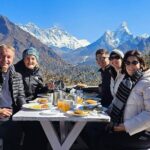
During the Mount Everest 3 Passes Trek, trekkers enjoy comfortable accommodation in traditional Nepalese tea houses along the route, which provide shared bathroom facilities.
Meals served throughout the trek consist of a variety of local and international dishes, including breakfast, lunch, and dinner.
The tea house accommodations offer a glimpse into the Sherpa culture, with cozy common areas to rest and socialize.
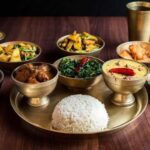
Meals feature hearty Nepali staples like dal, rice, and vegetable curries, as well as more familiar options like pasta, pizza, and sandwiches.
Dietary needs can be accommodated, and fresh produce and baked goods are often available.
The meals provide the necessary fuel for the challenging days of trekking through the Himalayas.
More Great Tours NearbyTrekking and Safety
Trekkers can expect a challenging yet exhilarating journey along the Mount Everest 3 Passes Trek, which requires a good level of fitness and experience to navigate the high-altitude terrain and unpredictable weather conditions.
The trek crosses several high mountain passes, including Kongma La (5,535m), Cho La (5,368m), and Renjo La (5,360m), offering stunning views of the Himalayan peaks.
Safety is of utmost importance, and trekkers will be accompanied by experienced guides who can navigate the trails and provide assistance in case of emergencies.
Proper acclimatization is crucial to prevent altitude sickness, and the itinerary includes rest days to allow the body to adjust.
With the right preparation and mindset, the Mount Everest 3 Passes Trek promises an unforgettable adventure.

Cultural Experiences
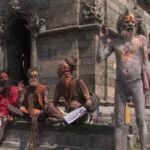
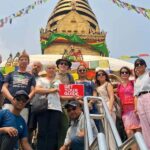
Along the Mount Everest 3 Passes Trek, trekkers enjoy the rich cultural tapestry of the Khumbu region, where they’ll encounter vibrant Sherpa communities, sacred monasteries, and ancient Buddhist traditions. The journey offers a unique window into local life, allowing participants to witness colorful festivals and religious ceremonies that have been practiced for centuries.
On top of that, trekkers can explore the iconic Tengboche Monastery, a spiritual hub and one of the largest Buddhist monasteries in the Himalayas. They have the opportunity to interact with Sherpa families and learn about their centuries-old mountaineering heritage and deep connection to the land.
Physical Preparation
The Mount Everest 3 Passes Trek demands a high level of physical fitness, as trekkers will navigate steep ascents, challenging terrain, and high altitudes throughout the journey.
To prepare, it’s crucial to engage in regular cardiovascular exercise, such as hiking, running, or cycling, to build endurance.
Strength training, particularly targeting the legs and core, can also help hikers handle the strenuous climbs.
Flexibility exercises are essential to prevent injuries and ease muscle recovery.
Prospective trekkers should also gradually acclimate to higher elevations by taking shorter hikes in hilly areas.
With proper training and preparation, adventurers will be well-equipped to conquer the three iconic passes and witness the awe-inspiring Himalayan landscapes.
Additional Information
Proper gear and equipment are essential for the Mount Everest 3 Passes Trek. Trekkers must bring warm, weatherproof clothing, sturdy hiking boots, trekking poles, and a well-stocked first-aid kit.
Proper hydration and nutrition are also crucial, with hikers advised to carry sufficient water, electrolyte-replenishing drinks, and high-calorie snacks. Experienced guides will provide expertise on navigating the challenging terrain and mitigating altitude-related risks.
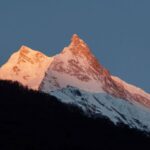
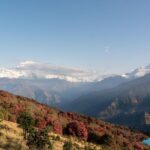
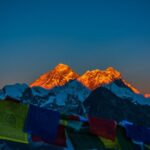
The trek offers breathtaking views of the Himalayan Range, including Everest, Lhotse, and Nuptse.
There are opportunities to immerse in Sherpa culture and visit centuries-old monasteries.
Trekkers will face challenging high-altitude passes like Cho La and Renjo La.
Plus, stunning glacial lakes, such as the iconic Gokyo Lakes, can be enjoyed along the route.
Frequently Asked Questions
What Are the Essential Items for the Trek?
The essential items for the trek include warm clothing, sturdy hiking boots, a backpack, water bottles, snacks, trekking poles, a headlamp, sun protection, first-aid kit, and personal hygiene items. Proper gear is crucial for a safe and comfortable hiking experience.
How Difficult Is the Cho La Pass Crossing?
The Cho La Pass crossing is considered one of the most challenging parts of the trek. It’s a high-altitude, steep, and technically demanding pass that requires caution and proper preparation. Trekkers should be experienced and well-acclimatized before attempting this crossing.
Can I Rent Hiking Equipment in Kathmandu?
Yes, hikers can easily rent high-quality hiking equipment in Kathmandu. Numerous shops offer gear like boots, backpacks, jackets, and trekking poles for reasonable rates. This allows travelers to pack light and focus on the adventure ahead.
What Are the Risks of Altitude Sickness?
Altitude sickness is a serious risk at high elevations, causing headaches, nausea, and fatigue. Proper acclimatization, hydration, and being aware of symptoms are crucial to prevent and manage altitude-related illnesses on high-altitude treks.
How Can I Best Prepare for the Physical Demands?
To best prepare for the physical demands, one should engage in cardiovascular exercises like hiking and cycling several months in advance. Strength training and core workouts can also help build the necessary stamina and stability for the challenging trek.
From Kathmandu: 16-Day Mount Everest 3 Passes Trek
Recap
The Mount Everest 3 Passes Trek is an unparalleled adventure that takes trekkers through the stunning Himalayan landscapes and vibrant Sherpa culture of the Khumbu region.
Accompanied by experienced guides and porters, travelers will conquer challenging high-altitude passes, savor authentic local cuisine, and enjoy the serene tranquility of the mountains.
This creates an unforgettable experience that will leave a lasting impression.
You can check availability for your dates here: