
Freemasonry, a centuries-old fraternity, has long captivated the public’s imagination with its shrouded rituals and symbolism. While some view it as a secretive cabal wielding hidden power, the reality paints a more nuanced picture – one of a group rooted in Enlightenment ideals, promoting personal growth and community service. Delving into the true essence of this organization reveals a complex interplay between its public face and its private workings, challenging the common myths and shedding light on its profound influence throughout history. Unraveling the mysteries of Freemasonry unveils a fascinatingly multifaceted story that begs further exploration.
Key Points
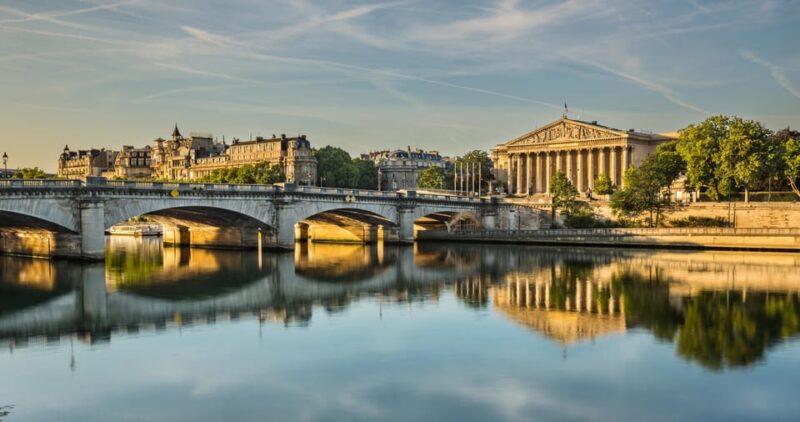
- Freemasonry emerged in 18th-century Britain, expanding rapidly across Europe due to its affinity with Enlightenment philosophy.
- The Masonic fraternity is characterized by a complex hierarchy, intricate symbolism, and arcane rituals that foster unity and exclusivity among members.
- Iconic Masonic figures, such as George Washington and Winston Churchill, highlight the order’s historical prominence and influence on various domains, including politics and the arts.
- The Masonic presence in Paris is evident in the city’s architecture and urban layout, reflecting the order’s significant impact on the Enlightenment-era landscape.
- Despite the Masons’ emphasis on secrecy, guided tours in Paris provide insights into the visible and hidden traces of Freemasonry’s historical influence on the city.

👉 Check out our guide to the 2 Best Guided Tours In Musee D Orsay
Contents
- Key Points
- Origin and Spread of Freemasonry
- Core Principles and Teachings
- Masonic Hierarchy and Structure
- Iconic Masonic Figures
- Symbolism and Rituals
- Relationship With Enlightenment Philosophy
- Visible and Hidden Traces in Paris
- Practical Information for the Tour
- Frequently Asked Questions
- What Role Does Numerology Play in Freemasonry?
- How Are Conflicts Between Freemasonry and Organized Religion Resolved?
- Is There a Formal Process for Leaving the Freemasonry?
- What Are the Requirements to Become a High-Level Freemason?
- How Do Freemasons Ensure the Secrecy of Their Organization?
- Recap
- Our Top Picks in Paris
- More Tour Reviews in Paris
- Not for you? Here's more things to do in Paris we have recnetly reviewed
Origin and Spread of Freemasonry
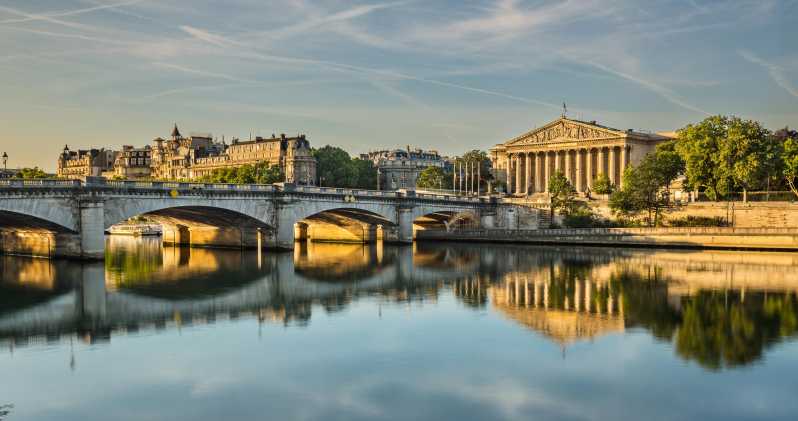
Freemasonry was born in Great Britain in the early 18th century. The secret society quickly expanded through Europe, linked to Enlightenment philosophy.
Freemasonry’s fundamental principles established by its English founders remain central to the organization today. Understanding Freemasonry is essential for comprehending major historical and social phenomena in France since the Enlightenment.
The fraternity is characterized by a complex organization, symbolism, secrecy, co-option, and an arcane hierarchy. Masonic teachings are imbued with biblical references and a taste for mystery, attracting iconic public figures who’ve influenced politics and the arts.
You can also read our reviews of more tours and experiences in Paris.


Core Principles and Teachings
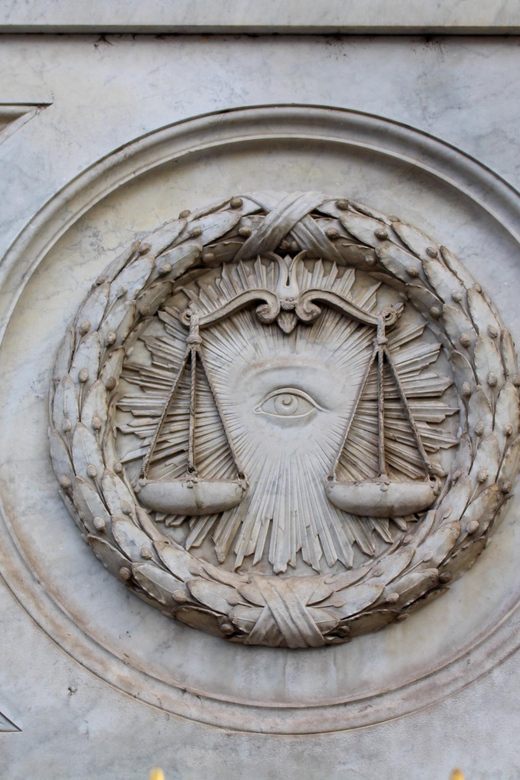
The core principles and teachings of Freemasonry are rooted in biblical references and a fascination with mystery. The organization is characterized by a complex hierarchy, symbolic rituals, and an emphasis on secrecy.
Masonic members, who include prominent public figures, are imbued with teachings that draw from Judeo-Christian traditions and explore esoteric themes. This mystical element is central to Freemasonry, with members engaging in arcane practices and progressing through an intricate system of degrees.
While the specifics of these rituals and beliefs remain closely guarded, their influence can be seen in various aspects of history, politics, and the arts within France and beyond.
Masonic Hierarchy and Structure
A complex hierarchy underpins the structure of Freemasonry, with an intricate system of degrees and ranks that members progress through.
The organization is divided into distinct tiers, with the lowest being the Entered Apprentice, followed by the Fellowcraft, and then the Master Mason.
Beyond this, members can advance to higher degrees, each with its own unique ceremonies and responsibilities.
At the top of the pyramid sits the Grand Master, who oversees the entire Masonic jurisdiction.
This hierarchical structure reinforces the secretive and exclusive nature of the fraternity, granting higher-ranking members greater access to Masonic knowledge and influence.
Iconic Masonic Figures
Iconic public figures, from politicians to artists, have long been associated with Freemasonry throughout history. The secretive nature of the organization has fueled speculation and conspiracy theories about the involvement of famous members. While the full extent of their participation remains shrouded in mystery, some well-known Masonic figures include:
| Name | Occupation | Masonic Role |
|---|---|---|
| George Washington | US President | Master Mason |
| Winston Churchill | UK Prime Minister | Freemason |
| Wolfgang Amadeus Mozart | Composer | Possible Freemason |
| Arthur Conan Doyle | Author | Freemason |
| Muhammad Ali | Boxer | Prince Hall Freemason |
The influence of these and other prominent Freemasons on society, politics, and the arts has been the subject of much debate and fascination over the centuries.
More Great Tours NearbySymbolism and Rituals
Freemasonry is renowned for its intricate symbolism and esoteric rituals, which are deeply rooted in the organization’s history and beliefs.
From the ubiquitous square and compass to the elaborate initiation ceremonies, Masonic symbols and rituals hold profound significance for members.
These elements are designed to impart moral and philosophical lessons, fostering a sense of unity, tradition, and mystique within the fraternity.
While some of these practices may seem enigmatic to outsiders, they’re integral to the Masonic experience, shaping the identity and experiences of those who’ve been initiated into this ancient and influential organization.


Relationship With Enlightenment Philosophy
Although Freemasonry emerged in the early 18th century, its fundamental principles and ideals were closely aligned with the Enlightenment philosophy that was sweeping through Europe at the time.
The emphasis on reason, individual liberty, and religious tolerance reflected the core values of the Enlightenment. Freemasons embraced these progressive ideas and played a significant role in disseminating them throughout society.
This affinity with Enlightenment thought was a major factor in Freemasonry’s rapid expansion and influence, particularly in France where it became a powerful force shaping political, social, and cultural spheres.
The Masonic principles of equality, secularism, and the pursuit of knowledge resonated with the Enlightenment’s progressive agenda.
Visible and Hidden Traces in Paris
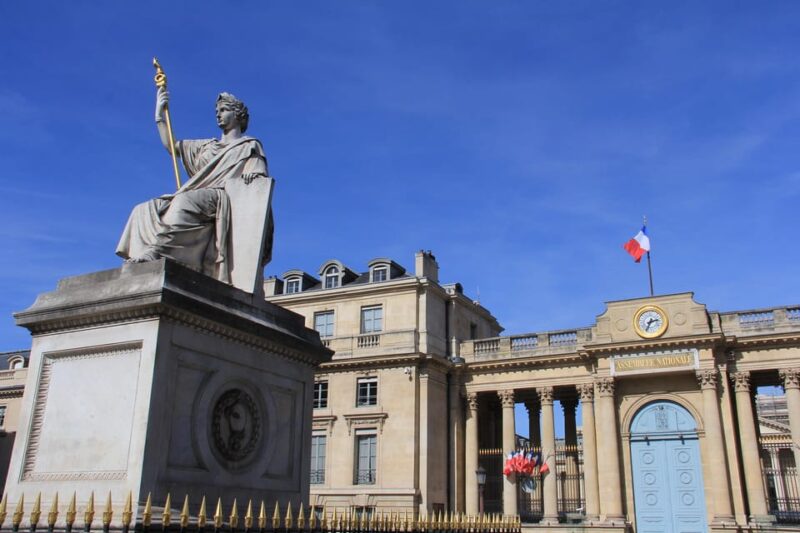
Paris’ cobblestone streets and grandiose architecture conceal numerous symbols and cues that point to the historic presence of Freemasonry within the city.
Masonic influence can be found in the design of specific buildings, monuments, and landmarks across the capital. From the iconic pyramid at the Louvre to the layout of Parisian districts, Freemasons have left their mark in both visible and subtle ways.
Tracing these elements during guided tours offers insights into the organization’s extensive involvement in shaping the urban fabric and cultural landscape of Paris.
Recognizing these Masonic traces is key to understanding the profound impact the secret society has had on the city’s development over the centuries.
Practical Information for the Tour
For those interested in exploring Paris’ Masonic heritage, the guided tour offers practical details to help plan your visit.
The tour meets at 3 place Saint-Germain-des-Prés, right in front of the Saint-Germain-des-Prés Church. Participants can check availability and select their preferred starting time when booking.
The tour is accessible for wheelchair users and lasts approximately 1.5 hours, conducted entirely in French. Priced from $16.23 per person, the tour includes a walking exploration with a guide and all necessary transfers.
Flexibility is built-in, as guests can cancel up to 24 hours in advance for a full refund. With these logistical details in hand, visitors can confidently embark on an immersive journey into the storied past of Freemasonry in Paris.
Frequently Asked Questions
What Role Does Numerology Play in Freemasonry?
Numerology plays an important role in Freemasonry, as members believe certain numbers hold symbolic significance. They use numerology to interpret rituals, architectural elements, and other aspects of their secret society’s practices and beliefs.
How Are Conflicts Between Freemasonry and Organized Religion Resolved?
Conflicts between Freemasonry and organized religion are often resolved through the organization’s emphasis on tolerance, moral conduct, and non-interference in religious matters. Freemasons generally respect the religious beliefs of their members and don’t require adherence to any specific faith.
Is There a Formal Process for Leaving the Freemasonry?
There’s no formal process for leaving Freemasonry. Members can simply stop participating in Masonic activities and rituals. However, some lodges may have policies requiring members to formally resign their membership.
What Are the Requirements to Become a High-Level Freemason?
To become a high-level Freemason, one must prove their commitment, leadership skills, and understanding of Masonic principles through a lengthy initiation process and progression through the organization’s complex hierarchy over many years.
How Do Freemasons Ensure the Secrecy of Their Organization?
Freemasons maintain secrecy through a hierarchical structure, elaborate rituals, and vows of silence. They carefully control information access and rely on member loyalty to preserve the organization’s mystique and exclusivity.
Freemason; Myths and Revelation of a Secret Organization
“Bonne visite, toutefois guide un peu evasif parfois”
Recap
Freemasonry’s rich heritage extends far beyond the myths, revealing its core principles of personal development and community service. While its symbolism and rituals may seem mysterious, the fraternity’s true essence lies in its commitment to Enlightenment ideals, promoting liberty, morality, and brotherhood. Though its influence is sometimes exaggerated, Freemasonry’s historical impact and presence in Paris are undeniable, offering insights into a complex, multifaceted organization.
You can check availability for your dates here:


