
Lisbon’s role during World War II is often overlooked, but this walking tour offers a captivating glimpse into the city’s wartime past. Participants will explore key sites like Praça Marquês de Pombal and Avenida da Liberdade, where espionage and intrigue thrived under the Estado Novo regime. Led by knowledgeable guides, the tour delves into the impact on refugees and the city’s preparations, all while providing a historical ambiance through visits to local cafes. Those interested in uncovering Lisbon’s hidden wartime stories won’t want to miss this insightful journey.
Key Points
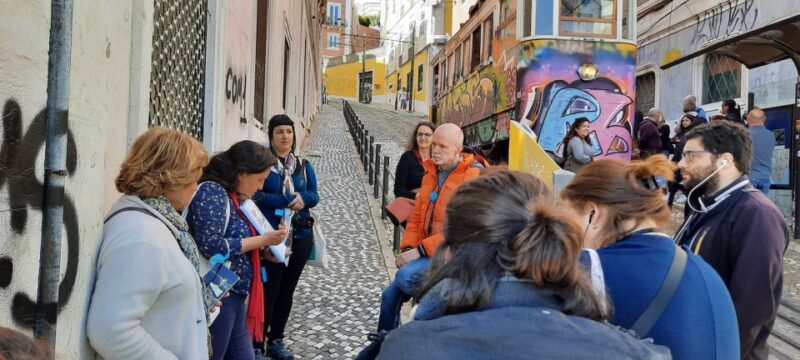
- This 3-hour walking tour explores Lisbon’s role as a neutral haven for refugees and a hub of espionage during World War II.
- Participants will visit significant sites like Parque Eduardo VII and Avenida da Liberdade, learning about the impact of the authoritarian Estado Novo regime.
- The tour highlights historical cafes frequented by notable wartime figures, providing insights into the atmosphere of excitement and trepidation in Lisbon during the period.
- Guides offer in-depth knowledge about Lisbon’s preparations against potential Axis invasion, including the implementation of security measures and evacuation plans.
- The tour has received excellent feedback, with participants appreciating the exploration of espionage-related sites and the experiences of refugees during World War II.

👉 Check out our guide to the 8 Best Canoe And Kayak Experiences In Lisbon
Contents
- Key Points
- Tour Overview
- Itinerary Highlights
- Historical Context
- Guided Exploration
- Espionage and Refugees
- Estado Novo Regime
- Lisbon’s Preparations
- Booking and Feedback
- Frequently Asked Questions
- What Is the Dress Code for the Tour?
- Are Any Meals or Refreshments Included During the Tour?
- Can Children Participate in the Tour?
- Is There a Minimum/Maximum Age Requirement for Participants?
- Does the Tour Include Any Indoor or Museum Visits?
- Recap
- Our Top Picks in Lisbon
- More Walking Tours in Lisbon
- More Tour Reviews in Lisbon
- Not for you? Here's more things to do in Lisbon we have recnetly reviewed
Tour Overview
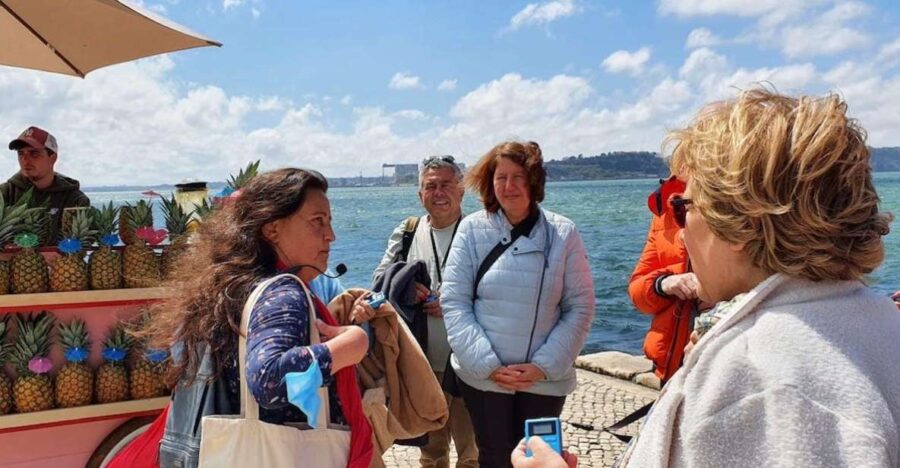
The walking tour "Lisbon in the Shadows of World War II" offers participants a captivating 3-hour exploration of the city’s intriguing role during the conflict.
Priced at $151.11 for groups of up to 6, the tour is available in German and English and caters to small groups of 12 or fewer.
Wheelchair-accessible, the tour begins at Praça Marquês de Pombal and concludes near Time Out Market at Cais do Sodré.
Highlights include visits to iconic landmarks like Parque Eduardo VII, Avenida da Liberdade, and Baixa de Lisboa, as well as historical cafes that served as backdrops for wartime espionage and intrigue.
If you're enjoying exploring Lisbon on foot, you'll love these other walking tours we recommend


Itinerary Highlights
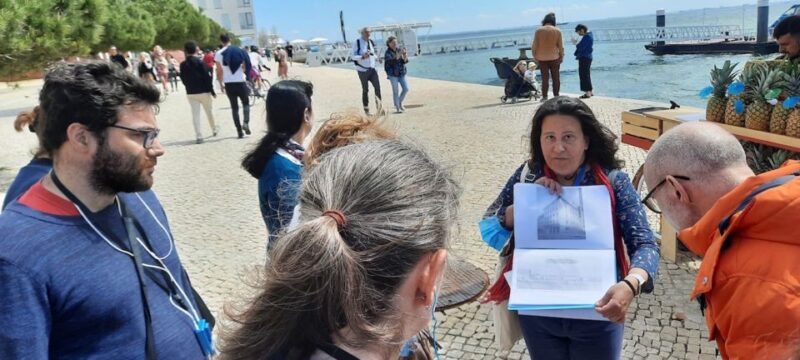
The walking tour’s itinerary highlights Lisbon’s iconic landmarks and historical cafes that were central to the city’s wartime intrigue.
Visitors begin at Praça Marquês de Pombal, then explore:
- Parque Eduardo VII, where the city’s residents prepared for a potential Axis invasion.
- Avenida da Liberdade, the grand boulevard that served as a hub for espionage activities.
- Restauradores Square, a location frequented by notable figures like Josephine Baker and Leslie Howard during the war.
The tour also includes a visit to Baixa de Lisboa and an optional stop in Chiado, before concluding at Praça Dom Pedro IV, where the blend of excitement and trepidation in local cafes like Café Chave d’Ouro and Pastelaria Suíça is discussed.
Historical Context
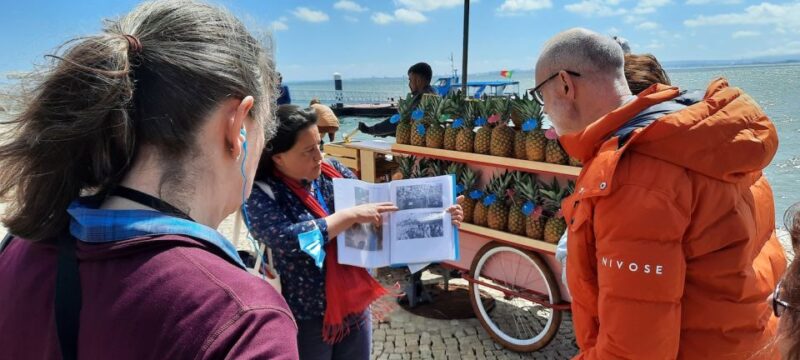
Lisbon’s role during World War II as a neutral haven for refugees is the focus of this walking tour.
The regime of António Oliveira Salazar and its impact on refugees and espionage are highlighted. Lisbon served as a backdrop for spies from Britain, Germany, and the USA. Notable figures like Josephine Baker and Leslie Howard frequented the city.
The tour explores the policies of the Estado Novo regime regarding refugees and discusses the city’s preparations against potential Axis invasions.
Participants gain insight into the blend of excitement and trepidation in cafes due to the presence of spies during this tumultuous period in Lisbon’s history.
Guided Exploration
This guided tour offers visitors a captivating exploration of Lisbon’s past, transporting them through the shadows of World War II.
Knowledgeable guides lead participants on a journey, unveiling the city’s role as a neutral haven for refugees and the backdrop for espionage.
The tour highlights:
-
Insights into the policies of the Estado Novo regime and its impact on refugees and spies.
-
Discussions about Lisbon’s preparations against potential Axis invasions and the blend of excitement and trepidation in its cafes.
-
Opportunities to visit historical cafes frequented by notable figures like Josephine Baker and Leslie Howard during the war.
Espionage and Refugees
During the World War II years, Lisbon served as a neutral sanctuary for refugees fleeing persecution, as well as a backdrop for espionage activities involving agents from Britain, Germany, and the United States.
The authoritarian regime of António Oliveira Salazar profoundly shaped the experiences of these refugees and spies in the city.
Lisbon’s cafes and bars were hubs of intrigue, where notorious figures like Josephine Baker and Leslie Howard mingled with a tense mix of excitement and trepidation.
The city’s preparations against a potential Axis invasion added to the atmosphere of uncertainty and adventure that permeated Lisbon during this tumultuous era.


Estado Novo Regime
The Estado Novo regime, led by António Oliveira Salazar, had a significant impact on the experiences of refugees and spies in Lisbon during World War II. Salazar’s authoritarian policies tightly controlled who could enter and leave the country, making Lisbon a challenging environment for those fleeing the war.
The regime’s surveillance and censorship efforts created an atmosphere of suspicion, where even innocuous activities could draw unwanted attention. Despite these challenges, Lisbon remained a hub of espionage activity, with spies from various nations operating within the city’s shadows.
The tour highlights several key aspects of the Estado Novo’s influence:
- Restrictive immigration policies that hindered refugee entry.
- Pervasive surveillance and censorship that fostered an environment of unease.
- Lisbon’s strategic importance as a neutral territory coveted by warring factions.
Lisbon’s Preparations
As the threats of war loomed, Lisbon’s leaders took proactive steps to prepare the city for potential Axis invasion. They fortified the city’s defenses, building air-raid shelters and implementing blackout measures to deter aerial attacks.
The authorities also stockpiled essential supplies and developed evacuation plans to safeguard the population. Plus, Lisbon’s strategic location on the Atlantic coast prompted measures to secure the port and coastline, deterring any seaborne assault.
These preparations, though disruptive, instilled a sense of vigilance and resilience among Lisbon’s residents, who braced themselves for the possibility of conflict reaching their doorstep during the tumultuous years of World War II.
Booking and Feedback
For those interested in booking the walking tour, free cancellation is available up to 24 hours in advance for a full refund.
Plus, a "Reserve now & pay later" option is offered for added convenience.
Past participants have overwhelmingly praised the tour, with a 5/5 rating based on 4 reviews.
Highlights from customer feedback include:
- Knowledgeable guides who provide valuable insights into Lisbon’s wartime history.
- An enjoyable exploration of the city’s espionage-related sites and refugee experiences.
- A deeper understanding of the impact of the Estado Novo regime on Lisbon during World War II.
Frequently Asked Questions
What Is the Dress Code for the Tour?
The tour has no specific dress code, allowing participants to wear comfortable clothing suitable for walking. Casual attire is recommended to ensure a relaxed and enjoyable experience during the 3-hour guided exploration of Lisbon’s historical sites.
Are Any Meals or Refreshments Included During the Tour?
The tour does not include any meals or refreshments. However, it does feature stops at historical cafes like Café Chave d’Ouro and Pastelaria Suíça, where participants can purchase food and drinks at their own expense.
Can Children Participate in the Tour?
The tour is suitable for children, though group size is limited to 12 participants total. Children can participate, but parents are responsible for supervising their children throughout the 3-hour walking tour.
Is There a Minimum/Maximum Age Requirement for Participants?
There’s no minimum age requirement, but the tour may not be suitable for very young children. The maximum group size is 12, so it’s best for families with older kids or adults.
Does the Tour Include Any Indoor or Museum Visits?
The tour doesn’t include any indoor or museum visits. It focuses on exploring Lisbon’s historical sites and cafes related to the city’s role during World War II as a neutral haven for refugees and spies.
Walking Tour: Lisbon in the Shadows of World War II
“Our guide was extremely knowledgeable and came prepared with supplemental materials. A very enjoyable and elucidating three hours.”
Recap
Lisbon’s role during World War II is uncovered on this captivating walking tour. Visitors explore key sites where espionage thrived and learn about the impact of the Estado Novo regime on refugees. Led by knowledgeable guides, the tour provides an insightful journey into the city’s wartime past, allowing participants to enjoy Lisbon’s historical ambiance and uncover its fascinating connections to the global conflict.
You can check availability for your dates here:


