
Discover Lisbon’s lesser-known African history and heritage on this immersive walking tour. Led by knowledgeable guides, participants explore key sites that reveal the profound impact of the slave trade and colonial legacies on the city’s identity. From the Chafariz DEl Rei fountain to the Campo das Cebolas square, the tour uncovers captivating narratives about social class divisions and the shaping of Lisbon’s multicultural character. With engaging storytelling and cultural insights, this 3.5-hour experience offers a unique opportunity to gain a deeper understanding of how African influences have indelibly shaped the city’s past and present.
Key Points
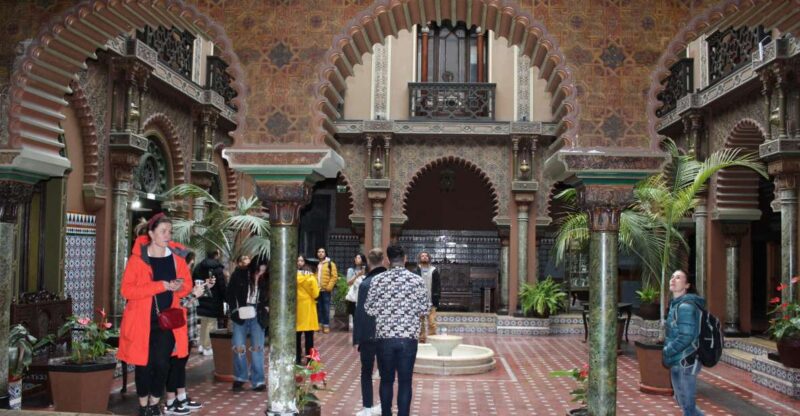
- This 3.5-hour walking tour explores the African heritage and historical connections that have shaped Lisbon’s cultural landscape.
- Participants will visit key sites like Chafariz DEl Rei, Campo das Cebolas, and Praça do Comércio to learn about the city’s social class divisions and slave trade history.
- The knowledgeable guides provide vivid historical context and insights into the integration of African communities within Lisbon’s urban fabric.
- Highlights include discussions on the role of African culture in shaping Portuguese Catholicism and the gradual assimilation of African elements into the city.
- The tour is not suitable for individuals with mobility impairments due to extensive walking and uneven terrain, but is highly recommended for those interested in Lisbon’s rich cultural history.

👉 Check out our guide to the 8 Best Canoe And Kayak Experiences In Lisbon
Contents
- Key Points
- Tour Overview and Pricing
- Tour Experience and Highlights
- Tour Inclusions
- Accessibility and Recommendations
- Customer Reviews
- Exploring African Heritage
- Significance of Key Sites
- Understanding Colonial Legacies
- Frequently Asked Questions
- Is the Tour Suitable for Children?
- Can the Tour Be Conducted in Other Languages?
- What Is the Maximum Group Size for the Tour?
- How Physically Demanding Is the Walking Involved?
- Are There Any Discounts Available for Students or Seniors?
- Recap
- Our Top Picks in Lisbon
- More Walking Tours in Lisbon
- More Tours in Lisbon
- More Tour Reviews in Lisbon
- Not for you? Here's more things to do in Lisbon we have recnetly reviewed
Tour Overview and Pricing

The "Lisbon: African History and Heritage Walking Tour" offers visitors an immersive 3.5-hour exploration of the city’s African connections.
Priced from $100.66 per person, the tour is available in English, Spanish, and Portuguese. Guests can enjoy a full refund if they cancel up to 24 hours in advance, and there’s no upfront payment required to reserve a spot.
The tour covers key sites like the Alfama district, Chafariz DEl Rei, and the Rossio Train Station, providing insights into Portugal’s African heritage and the integration of African culture.
While hotel pickup and drop-off aren’t included, a bottle of water is provided, and the experience is suitable for most visitors interested in cultural history.
If you're enjoying exploring Lisbon on foot, you'll love these other walking tours we recommend


Tour Experience and Highlights
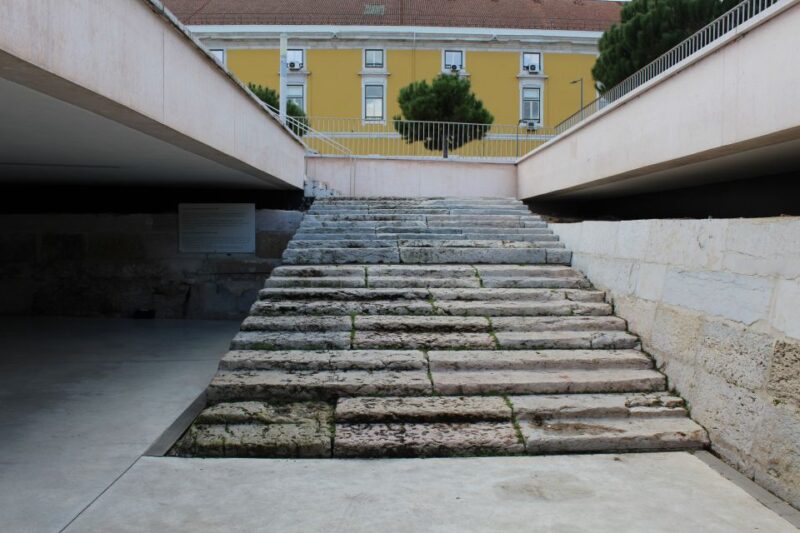
On the Lisbon: African History and Heritage Walking Tour, guests explore the African heritage and historical connections woven throughout the city.
Key sites along the route include:
- Chafariz DEl Rei, which represents social class division
- Campo das Cebolas, the arrival point for the first African slaves in Europe
- Praça do Comércio, significant in Portugal’s history and slave trade
- Baixa, the central neighborhood discussing African integration
Plus, the tour visits Rua Cor de Rosa, the site of services provided by African women, and the Rossio Train Station, a symbol of Portugal’s colonial ambitions post-Berlin Conference.
Throughout the 3.5-hour experience, the knowledgeable guide provides a vivid narrative of African influence in Portuguese history.
Tour Inclusions
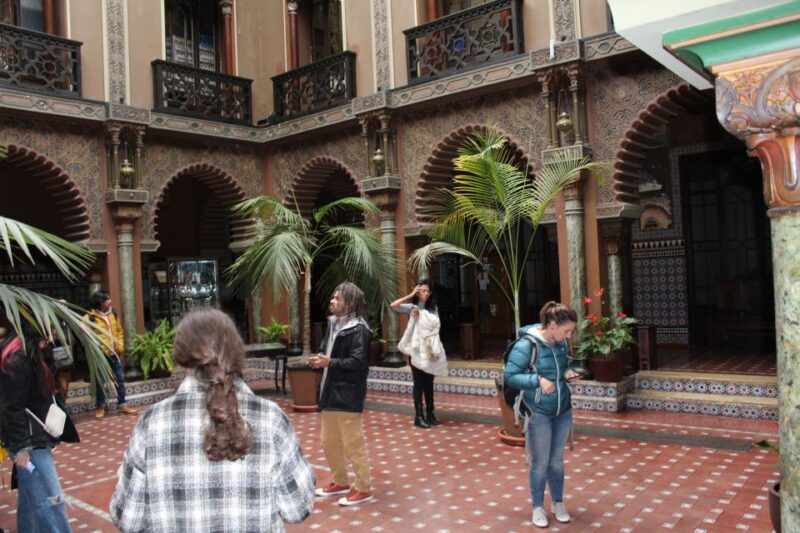
The Lisbon: African History and Heritage Walking Tour includes several key inclusions to enhance the overall experience.
Participants will receive a complimentary bottle of water to stay hydrated during the 3.5-hour tour. The tour is led by knowledgeable, live guides who provide a captivating narrative of the African influence in Portuguese history as you explore the city’s key sites.
Transportation to and from your hotel isn’t included, but the walking tour itself is provided. While food and additional drinks aren’t part of the package, the tour offers enjoyable snack breaks to keep participants energized throughout the experience.
Accessibility and Recommendations
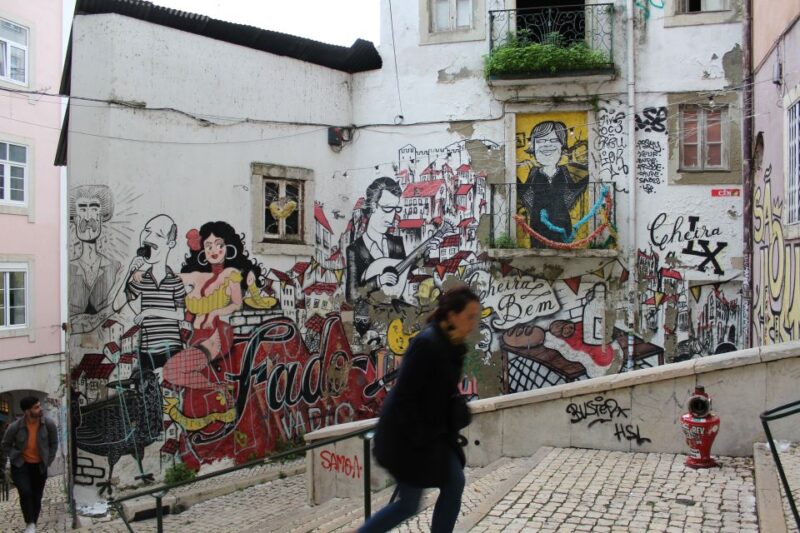
Despite its informative and engaging nature, the Lisbon: African History and Heritage Walking Tour may not be suitable for individuals with mobility impairments. The tour involves extensive walking, with no wheelchair accessibility.
However, the experience is ideal for curious individuals interested in exploring Lisbon’s rich cultural history and African heritage.
Key recommendations include:
- Wear comfortable walking shoes
- Bring a water bottle and sun protection
- Be prepared for uneven terrain and cobblestone streets
- Consider your physical capabilities before booking the tour
The guided walking tour provides a vivid narrative of Africa’s influence on Portuguese history, making it a compelling experience for those able to participate fully.
More Great Tours NearbyCustomer Reviews
From the overwhelmingly positive customer reviews, it’s clear that the Lisbon: African History and Heritage Walking Tour provides an exceptional experience for those interested in exploring the city’s rich cultural heritage.
Reviewers praise the knowledgeable and engaging guides, who weave a vivid narrative of African influence throughout Portuguese history.
Participants appreciate the cultural insights and enjoyable breaks for snacks.
With an overall rating of 5/5 based on 9 reviews, this tour offers an immersive and informative exploration of Lisbon’s African connections, making it a must-do activity for anyone seeking to deepen their understanding of the city’s diverse past.
Fascinated by Lisbon's past? More historical tours we've covered


Exploring African Heritage
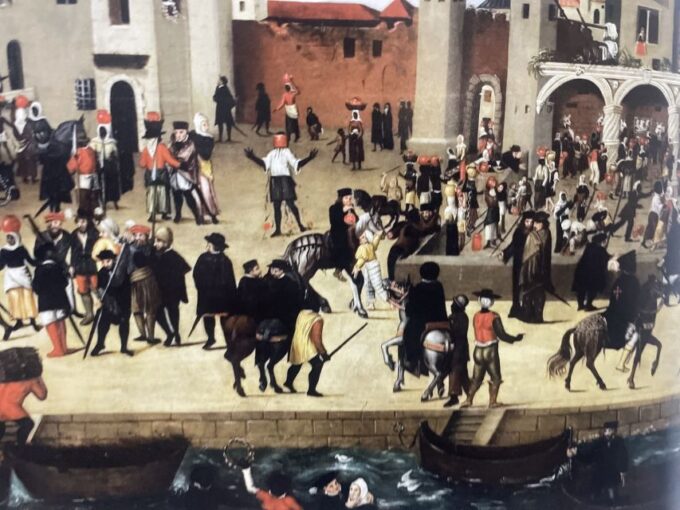
Delving into the city’s African heritage, the Lisbon: African History and Heritage Walking Tour takes visitors on an immersive journey through the influential role of African cultures in shaping Portugal’s past.
Key sites along the tour include:
- Chafariz DEl Rei, which represents social class division
- Campo das Cebolas, the arrival point for the first African slaves in Europe
- Praça do Comércio, significant in Portugal’s history and slave trade
- Rua Cor de Rosa, the site of services provided by African women
Through these stops, the tour provides a vivid narrative of African integration and influence, offering participants a deeper understanding of Lisbon’s rich cultural tapestry.
Significance of Key Sites
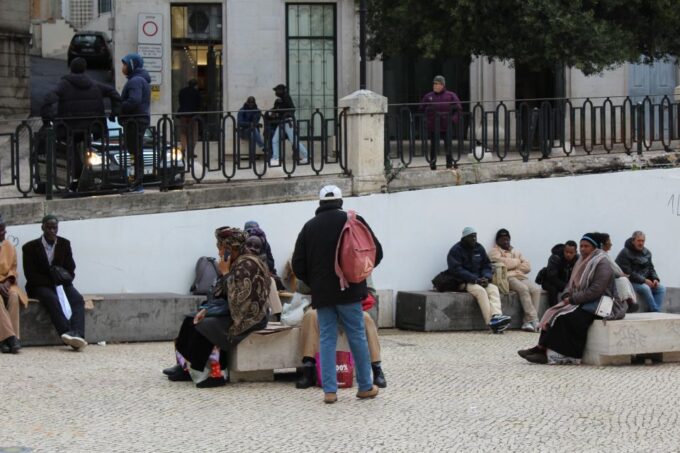
The Chafariz DEl Rei, or the King’s Fountain, represents the stark social class division that existed in Lisbon’s past. It was a place where the upper class drew water, while the lower class and slaves had to access a separate, less maintained fountain.
The Campo das Cebolas, or the Onion Square, was the arrival point for the first African slaves brought to Europe.
Praça do Comércio, the grand commercial square, was significant in Portugal’s history and slave trade.
The Baixa neighborhood discusses the integration of Africans into Lisbon’s society.
The Rua Cor de Rosa, or the Pink Street, was once the site of services provided by African women.
The Rossio Train Station symbolizes Portugal’s colonial ambitions after the Berlin Conference in 1884.
Understanding Colonial Legacies
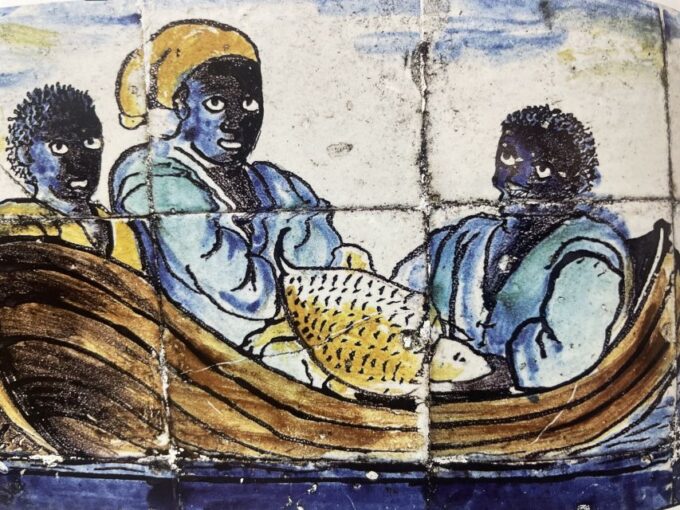
The Lisbon walking tour provides a profound examination of Portugal’s colonial past and its lasting impact on the city’s cultural landscape.
Visitors explore sites that were central to the country’s slave trade, gaining insights into the complex social dynamics and power structures that emerged during this tumultuous era.
The tour delves into:
- The Rossio Train Station, a symbol of Portugal’s colonial ambitions in the aftermath of the Berlin Conference
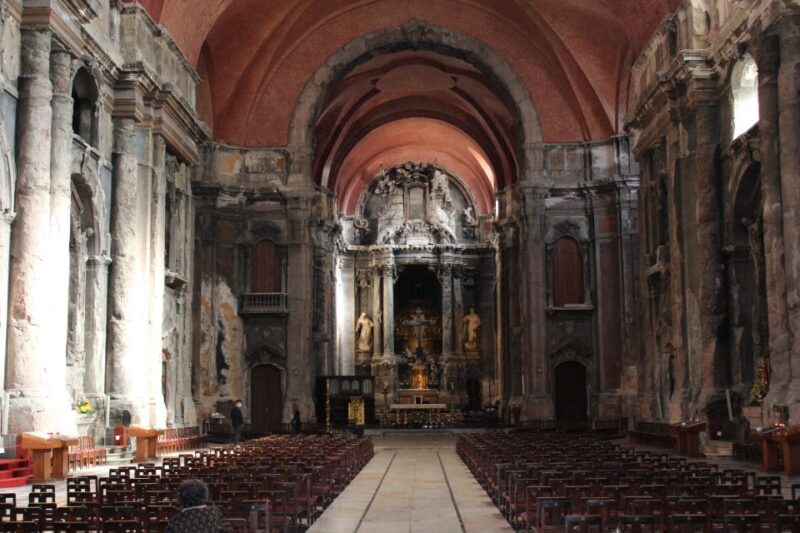
- The Church of S. Domingos, which offers a window into the integration of African influences within Catholicism
- The Rua Cor de Rosa, where African women once provided vital community services
- The Baixa neighborhood, which illustrates the gradual integration of African communities into Lisbon’s urban fabric.
Frequently Asked Questions
Is the Tour Suitable for Children?
The tour may not be suitable for young children. It focuses on mature historical topics and lacks specialized content for kids. While older children interested in culture may enjoy it, the experience is better suited for curious adults.
Can the Tour Be Conducted in Other Languages?
The tour can be conducted in English, Spanish, and Portuguese, allowing participants to choose the language that suits them best. This multilingual approach ensures the tour is accessible to a wider audience.
What Is the Maximum Group Size for the Tour?
The tour’s group size isn’t specified, but it’s likely a small group experience to provide an intimate and engaging exploration of Lisbon’s African history and heritage. The tour operates in multiple languages to cater to diverse travelers.
How Physically Demanding Is the Walking Involved?
The walking tour involves an moderate amount of strolling, with some hills and stairs. It may not be suitable for those with mobility issues, but it’s accessible for most able-bodied participants who can comfortably walk 3.5 hours at a relaxed pace.
Are There Any Discounts Available for Students or Seniors?
The tour does not offer any student or senior discounts. However, there is a free cancellation policy up to 24 hours in advance, allowing flexibility for those on a tighter budget.
Lisbon: African History and Heritage Walking Tour
“I was so excited about getting another historical perspective of this beautifyl city and the tour did not disappoint. Our guide was so knowledgeabl…”
Recap
The Lisbon: African History and Heritage Walking Tour offers an insightful exploration of the city’s rich African legacy. Participants explore key historical sites, uncovering the narratives of social class divisions and the lasting impact of the slave trade. This immersive experience provides a profound understanding of how African influences have shaped Lisbon’s identity, making it a must-do for those interested in exploring the city’s diverse cultural heritage.
You can check availability for your dates here:


