The Sashiko workshop promises an immersive exploration of a celebrated Japanese craft. Participants will learn essential techniques, including the iconic running stitch, as they create functional coasters imbued with cultural significance. Beyond honing practical skills, attendees will gain insights into the rich heritage and symbolism of this meditative practice. Through a relaxed and creative environment, the workshop offers a unique opportunity to connect with Japan’s artisanal traditions and continue the meaningful pursuit of this centuries-old textile art. With transferable needlework skills and a deepened appreciation for Japanese culture, the journey ahead promises to be both enriching and inspiring.
Key Points
- Participants learn the traditional Japanese art of Sashiko stitching, exploring its history, techniques, and cultural significance in a hands-on, immersive workshop.
- Guided by an experienced instructor, attendees practice essential Sashiko stitches and patterns, crafting their own unique Sashiko coasters.
- The workshop delves into the symbolic meanings and regional variations of Sashiko, providing insights into Japanese craftsmanship and heritage.
- Participants develop transferable needlework skills and a deeper appreciation for the meditative practice of Sashiko.
- The workshop fosters a relaxed, creative environment that encourages experimentation, personalization, and a sense of cultural awareness.

👉 Check out our guide to the 2 Best Craft Beer Tours And Tastings In Osaka
Contents
- Key Points
- About the Sashiko Workshop
- Exploring Sashiko History and Evolution
- Sashiko Techniques and Stitches
- Crafting Sashiko Coasters
- Symbolism and Cultural Significance
- Relaxed and Creative Environment
- Anticipated Learning Outcomes
- What to Expect in the Workshop
- Frequently Asked Questions
- Is the Sashiko Workshop Suitable for Children?
- Can I Bring My Own Materials to the Workshop?
- Will the Instructor Provide Any Handouts or References?
- Is It Possible to Customize the Sashiko Design I Create?
- Can I Attend the Workshop if I Have Limited Mobility?
- Recap
- Our Top Picks in Osaka
- More Tour Reviews in Osaka
- Not for you? Here's more things to do in Osaka we have recnetly reviewed
About the Sashiko Workshop
In this immersive workshop, you will have the opportunity to learn the traditional Japanese art of Sashiko stitching. Over the course of 2.5 hours, beginners and enthusiasts alike will explore the rich history and evolution of this celebrated craft.
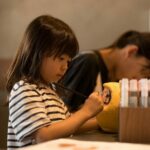
Under the guidance of an experienced instructor, attendees will practice essential Sashiko techniques and stitches while crafting their own handmade Sashiko coasters. Participants will explore the symbolism and cultural significance of the geometric patterns, fostering a deeper appreciation for Japanese heritage.
You can also read our reviews of more tours and experiences in Osaka.



Exploring Sashiko History and Evolution
Sashiko, a centuries-old Japanese textile art, has evolved from a practical technique to a celebrated form of cultural expression. Originally developed during the Edo period (1603-1868) to reinforce and insulate clothing, this intricate stitching has transcended its utilitarian roots to become an iconic art form.
| Evolution of Sashiko | |
|---|---|
| Origins | Practical technique to reinforce and insulate clothing |
| Edo Period (1603-1868) | Developed as a utilitarian craft |
| Modern Times | Transformed into a celebrated art form |
| Regional Patterns | Unique motifs and designs emerged across Japan |
| Cultural Significance | Sashiko stitches now carry symbolic meanings |
The regional diversity and cultural symbolism of Sashiko patterns have contributed to its enduring legacy as a cherished Japanese heritage.
Sashiko Techniques and Stitches
At the heart of Sashiko lies a deceptively simple, yet mesmerizing stitching technique. Participants in the workshop will learn the iconic Sashiko running stitch – a rhythmic, parallel line of small, evenly-spaced stitches. They’ll practice this foundational technique on scrap fabric, developing muscle memory and an intuitive feel for the process.
Beyond the running stitch, the workshop will introduce more intricate Sashiko patterns, from the geometric "hitomezashi" to the graceful "moyozashi." Participants will explore how these patterns evolved from functional reinforcement to symbolic representation of Japanese culture. With guidance from the experienced instructor, attendees will gain the skills and confidence to continue their Sashiko journey long after the workshop ends.
Crafting Sashiko Coasters
Crafting Sashiko coasters allows participants to apply their newfound Sashiko stitching skills to a practical, everyday item. During the workshop, attendees will:
- Select from a variety of geometric Sashiko patterns to adorn their coasters
- Carefully transfer the pattern onto a fabric square using a special marking tool
- Stitch the pattern using the traditional Sashiko running stitch, creating a visually striking design
- Finish the coaster by hemming the edges, resulting in a beautiful and functional piece
- Take home their handcrafted Sashiko coaster as a tangible memento of the workshop experience.
This hands-on activity bridges the gap between the historical significance of Sashiko and its modern-day application, allowing participants to create a practical item infused with Japanese cultural heritage.
More Great Tours NearbySymbolism and Cultural Significance
The geometric patterns woven into Sashiko stitching hold deep cultural significance, reflecting centuries of Japanese history and tradition. Each motif carries symbolic meaning, from the wave-like "Kamon" pattern representing the eternal flow of the ocean, to the "Asanoha" diamond design symbolizing prosperity and growth.
Sashiko patterns also evolved to suit the practical needs of the craftspeople, with reinforced stitches providing warmth and durability to worn garments. As participants explore these intricate designs during the workshop, they’ll gain insight into the rich cultural heritage behind this celebrated Japanese needlework art form.



Relaxed and Creative Environment
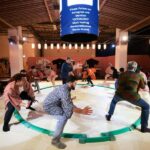
Participants can expect a relaxed and creative atmosphere throughout the Sashiko workshop. The experienced instructor fosters an environment conducive to learning and exploration. Participants can feel free to ask questions, experiment with techniques, and enjoy the meditative practice of Sashiko stitching.
The workshop space encourages:
- Casual conversation and exchange of cultural insights
- Taking breaks as needed to recharge and enjoy the process
- Collaborating with fellow participants to share tips and inspiration
- Embracing mistakes as opportunities for growth and personalization
- Leaving the stresses of daily life at the door to fully focus on the craft
Anticipated Learning Outcomes
By engaging in the Sashiko workshop, you will gain a deeper appreciation for Japanese culture and heritage. They’ll acquire transferable skills to continue exploring this intricate needlework, allowing them to create captivating Sashiko pieces at home. Ultimately, the workshop fosters a profound sense of accomplishment, as attendees leave with a handcrafted memento that embodies the essence of this centuries-old art form.
| Learning Outcomes | |
|---|---|
| Appreciation | for Japanese culture |
| Transferable | needlework skills |
| Sense of | personal accomplishment |
| Enhanced | cultural awareness |
| Continued | Sashiko exploration |
What to Expect in the Workshop
Attendees can expect a 2.5-hour immersive session guided by an experienced Sashiko instructor. The workshop will provide a hands-on introduction to the traditional Japanese stitching technique.
Participants will:
- Learn the basic Sashiko stitches and explore their cultural symbolism
- Practice their skills by crafting Sashiko coasters using geometric patterns
- Discover the evolution of Sashiko from a utilitarian craft to a celebrated art form
- Gain an appreciation for Japanese culture and heritage through this unique textile art
- Take home a beautifully handmade Sashiko piece as a memento of the experience.
The relaxed, creative environment allows attendees to develop their Sashiko skills and gain a deeper understanding of this captivating Japanese craft.
Frequently Asked Questions
Is the Sashiko Workshop Suitable for Children?
The Sashiko workshop is suitable for older children with good fine motor skills. They’ll enjoy learning the intricate stitching techniques and creating their own handmade Sashiko piece to take home, but supervision is recommended for younger participants.
Can I Bring My Own Materials to the Workshop?
Participants can bring their own materials to the Sashiko workshop, but the instructor will provide all the necessary tools and supplies needed to complete the project. It’s best to check with the organizers if you have any special requests.
Will the Instructor Provide Any Handouts or References?
The instructor will provide handouts and references on Sashiko techniques, patterns, and cultural significance to assist participants during the workshop and serve as a guide for continuing their Sashiko exploration after the session.
Is It Possible to Customize the Sashiko Design I Create?
The instructor encourages participants to customize their Sashiko designs. They’ll provide guidance on selecting and arranging traditional patterns to create a unique handcrafted piece during the workshop.
Can I Attend the Workshop if I Have Limited Mobility?
The workshop accommodates participants with limited mobility. The instructor can provide guidance and assistance to ensure everyone can create their Sashiko project comfortably. Just let the organizers know about any special needs when signing up.
Sashiko Workshop: a Deep Dive Into Japanese Craftsmanship
Recap
The Sashiko workshop offers a unique opportunity to explore the intricate Japanese art of stitching. Participants will learn essential techniques, explore captivating patterns, and craft functional coasters imbued with cultural significance. Through this immersive experience, attendees will cultivate an appreciation for Japanese craftsmanship, develop transferable needlework skills, and continue their exploration of the meditative practice of Sashiko.
You can check availability for your dates here: