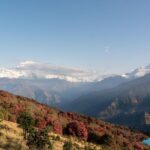
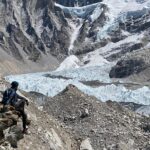
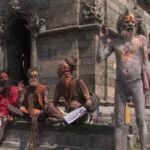
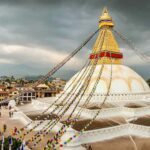
Embarking on the Everest Base Camp Trek is a captivating 13-day adventure that takes trekkers through Nepal’s breathtaking landscapes. This challenging yet rewarding journey offers unparalleled views of the world’s highest peak, Mount Everest, and over 40 other majestic mountains. Along the way, trekkers enjoy the rich Sherpa culture, exploring charming villages and gaining insights into the local way of life. With a combination of stunning scenery, cultural exploration, and the thrill of reaching Everest Base Camp, it’s no wonder this trek attracts thousands of adventurers each year. To learn more about what to expect on this unforgettable journey, let’s dive deeper into the details.
Key Points
- The Everest Base Camp Trek is a 13-day trekking adventure that covers approximately 130 km, starting and ending in Kathmandu, Nepal.
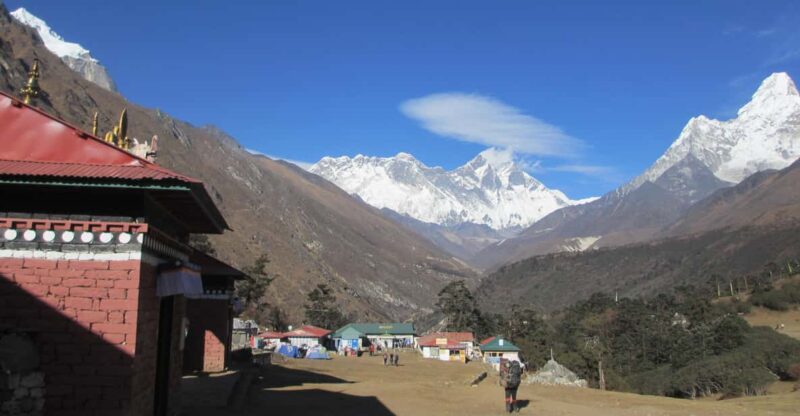
- The trek offers breathtaking views of Mount Everest and over 40 other peaks, as well as the opportunity to explore Sherpa culture in villages like Phakding, Namche, and Dingboche.
- The trekking itinerary includes a scenic flight to Lukla, a day of acclimatization in Namche Bazaar, and the highlight of reaching Everest Base Camp and hiking to Kala Patthar for panoramic vistas.
- The trek is suitable for physically fit individuals, with 5-6 hours of daily walking and elevation changes, and certain exclusions like meals in Kathmandu, international airfare, and Nepal visa fees.
- The Everest Base Camp Trek is a popular destination, attracting over 40,000 travelers annually, with opportunities to spot diverse wildlife, including endangered species like the Himalayan black bear and snow leopard.
👉 Check out our guide to the 2 Best Guided Tours In Jagat
Contents
- Key Points
- Overview of the Trek
- Detailed Itinerary
- Inclusions and Exclusions
- Suitability and Recommendations
- Popularity and Key Attractions
- Cultural Exploration
- Wildlife Experiences
- Scenic Flight to Lukla
- Frequently Asked Questions
- What Is the Best Time of Year to Do This Trek?
- How Difficult Is the Everest Base Camp Trek?
- Can I Bring My Dog on the Trek?
- Is Wifi Available Along the Trek Route?
- What Is the Weather Like During the Trek?
- Recap
- Our Top Picks in Kathmandu
- More Hiking & Trekking Tours in Kathmandu
- More Tour Reviews in Kathmandu
- Not for you? Here's more things to do in Kathmandu we have recnetly reviewed
Overview of the Trek
The Everest Base Camp trek is a popular and challenging trekking adventure that takes adventurers through the heart of the Himalayas.
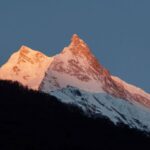
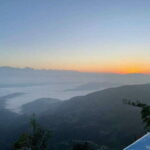
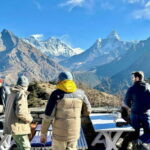
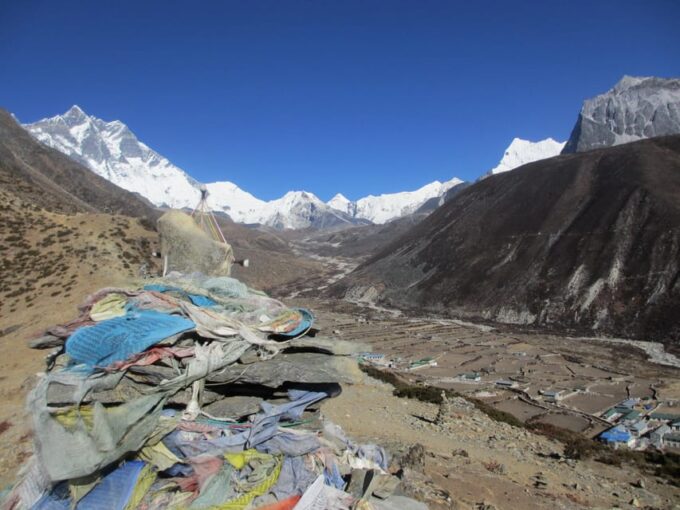
This 13-day trek covers a distance of roughly 130 km, starting and ending in Kathmandu, Nepal. Trekkers will be captivated by the stunning views of the world’s highest peak, Mount Everest, as well as over 40 other high peaks.
Along the way, they’ll have the opportunity to explore the vibrant Sherpa culture in villages like Phakding, Namche, and Dingboche. The trek also offers incredible wildlife experiences in the Himalayan region.
With over 40,000 travelers undertaking this trek annually, it has become a must-do for adventure-seekers worldwide.
Ready to hit more trails? More hiking adventures we feature in Kathmandu
Detailed Itinerary
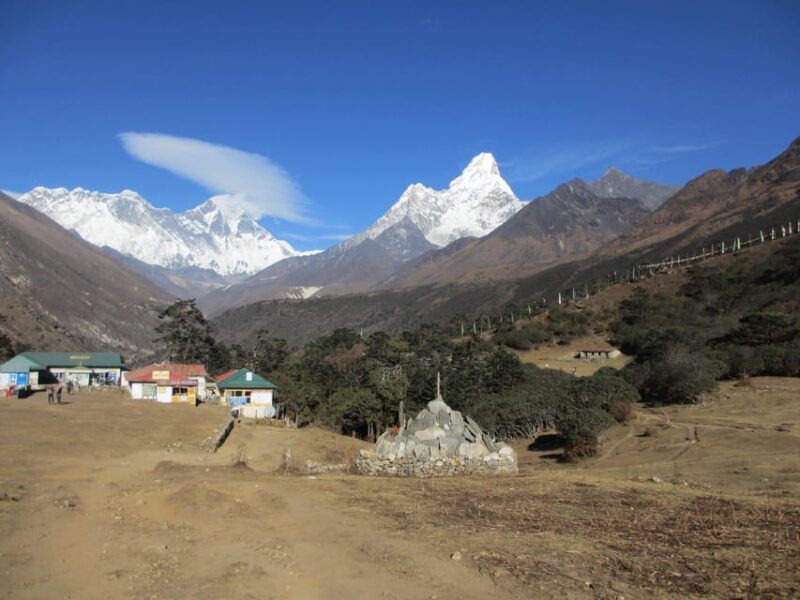
Stepping into the detailed itinerary, the Everest Base Camp trek commences with participants’ arrival in Kathmandu, Nepal’s vibrant capital.
After a meet-and-greet with the staff, the adventure begins with a scenic flight to Lukla, the gateway to the Himalayan trails.
The trek continues through Phakding and the renowned Sherpa village of Namche Bazaar, where a day is dedicated to acclimatization.
The journey progresses, reaching landmarks like Tengboche, Dingboche, and Lobuche, with regular rest days for proper acclimatization.
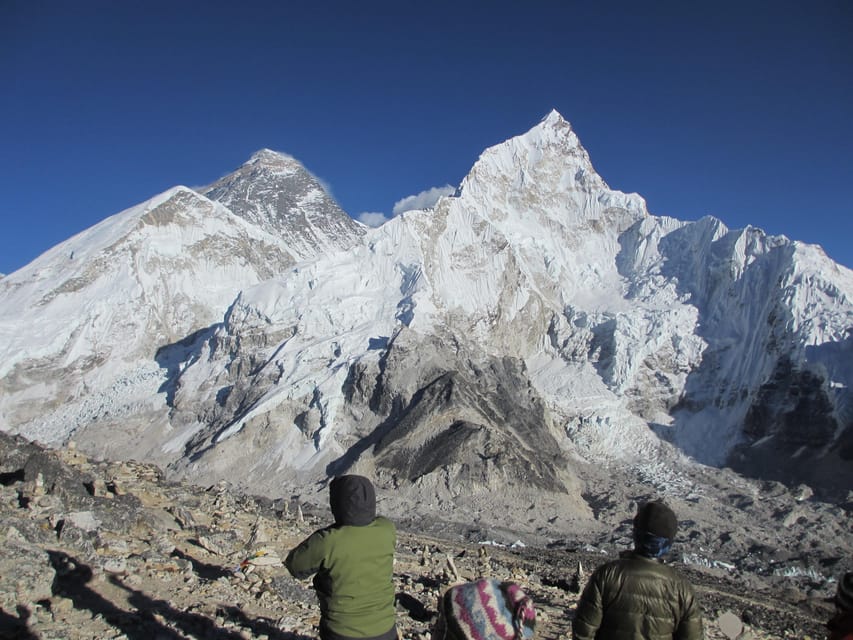
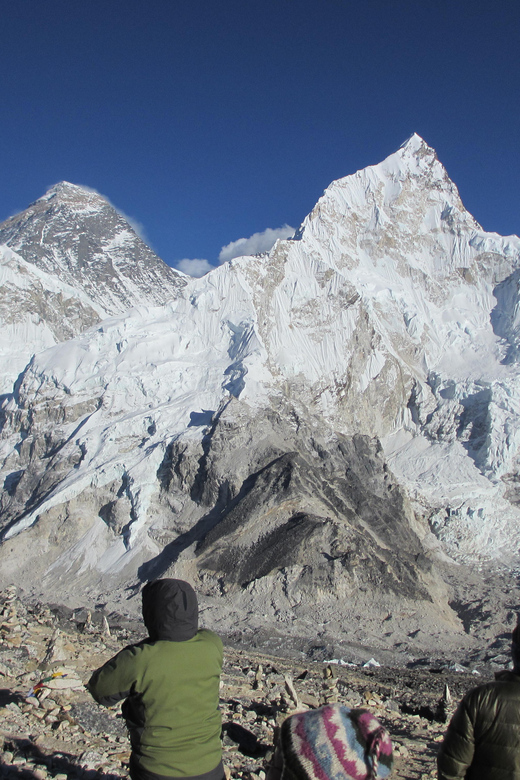
The highlight is reaching Gorak Shep and the iconic Everest Base Camp, followed by a hike to Kala Patthar for stunning mountain vistas.
The return trek traverses the same route, providing ample time to immerse in the region’s captivating culture and natural wonders.
Inclusions and Exclusions
With the Everest Base Camp trek, the package includes airport transfers, two nights of accommodation in Kathmandu, and all meals during the trek.
Flights to and from Lukla, a licensed guide, necessary permits, a medical kit, and rescue assistance are also covered.
However, meals in Kathmandu, international airfare, Nepal entry visa fees, travel insurance, personal expenses like showers and battery charges, and tips for staff and drivers are excluded.
Participants should be aware of these inclusions and exclusions to plan their budget and prepare accordingly for this incredible Himalayan adventure.
Suitability and Recommendations
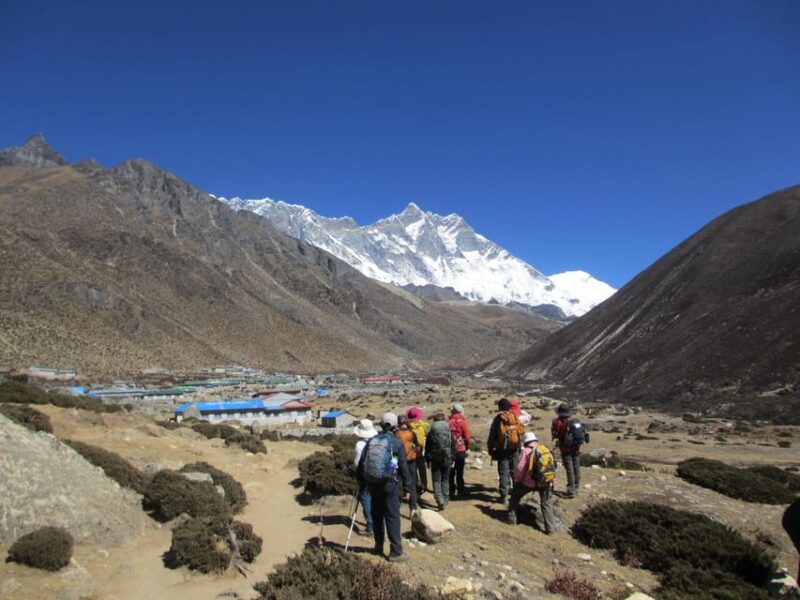
The Everest Base Camp trek is not suitable for certain groups, including children under 10, wheelchair users, visually impaired individuals, those prone to altitude sickness, babies under 1 year, and persons over 70. To have an enjoyable and safe trek, the organizers recommend bringing the following essential gear:
| Item | Recommendation |
|---|---|
| Footwear | Comfortable, broken-in trekking shoes |
| Clothing | Warm layers, sun protection |
| Accessories | Trekking poles, headlamp, water bottle |
Plus, participants should be physically fit, as the trek involves 5-6 hours of daily walking with significant elevation changes. Proper preparation and adherence to the organizers’ recommendations will ensure a memorable Everest Base Camp experience.
More Great Tours NearbyPopularity and Key Attractions
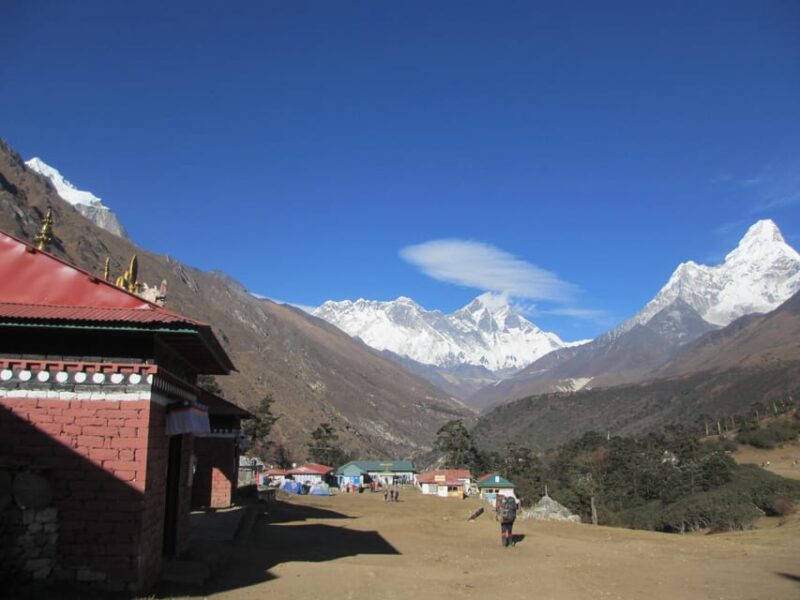
Over 40,000 travelers undertake this trek annually, making it one of the most popular treks in the Himalayas.
The key attractions include:
- Conquering the world’s highest peak, Mt. Everest, and over 40 other high peaks.
- Cultural exploration of Sherpa villages like Phakding, Namche, and Dingboche.
- Scenic flight from Kathmandu to Lukla, offering breathtaking aerial views of the Himalayas.
- Wildlife experiences, from spotting musk deer to the elusive Himalayan black bear.
This trek offers a once-in-a-lifetime opportunity to take in the grandeur of the Everest region and the rich Sherpa heritage.

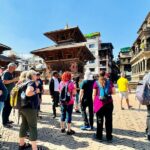

Cultural Exploration
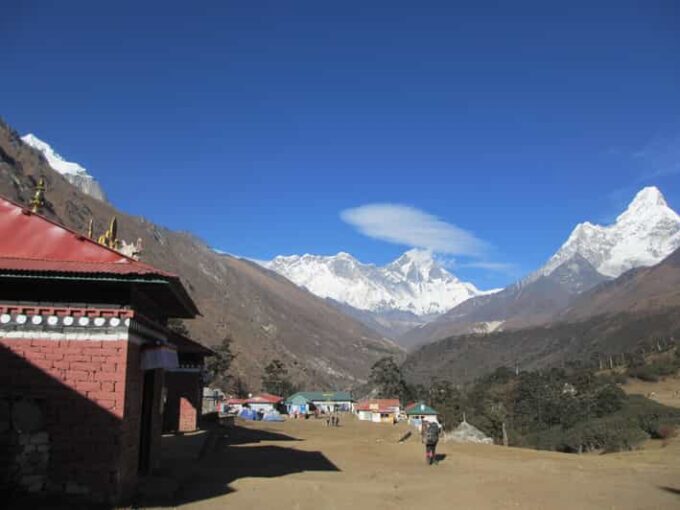
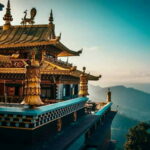
Trekking through the Everest region offers travelers a unique opportunity to enjoy the rich cultural heritage of the Sherpa people. Along the way, hikers will visit traditional Sherpa villages like Phakding, Namche, and Dingboche, experiencing firsthand the local customs, architecture, and way of life. From vibrant festivals and ancient monasteries to hearty Sherpa cuisine and warm hospitality, this trek provides an authentic cultural exchange that leaves a lasting impression.
| Cultural Site | Key Attractions | Significance |
|---|---|---|
| Namche Bazar | Iconic Sherpa market, Sherpa Museum | Commercial and cultural hub |
| Tengboche Monastery | Buddhist rituals, prayer wheels | Spiritual center of the region |
| Dingboche | Traditional Sherpa homes, yak herding | Authentic Sherpa village experience |
Wildlife Experiences
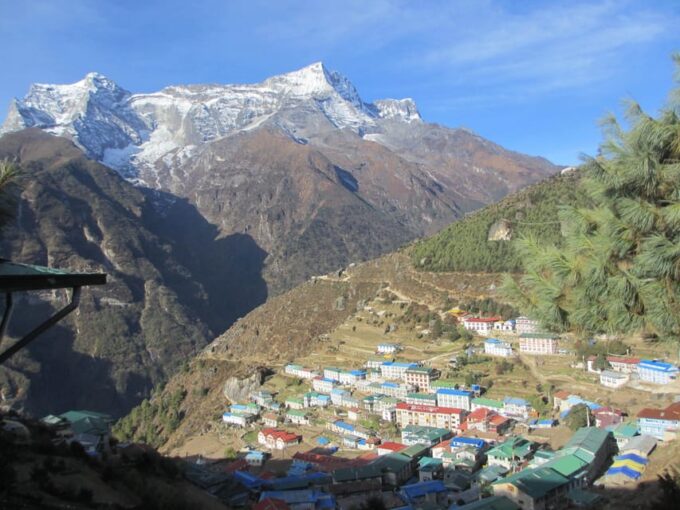
Hikers on the Everest Base Camp trek can expect to spot a diverse array of Himalayan wildlife as they ascend through the various ecosystems.
The region is home to several endangered species, including:
- The majestic Himalayan black bear, known for its distinctive cream-colored chest patch.
- The elusive snow leopard, often spotted in the high alpine areas.
- The charismatic Himalayan musk deer, recognizable by its long, curved tusks.
- The colorful Himalayan pheasants, such as the Impeyan monal and the blood pheasant.
While wildlife sightings are never guaranteed, trekkers must remain cautious and respectful of the animals’ natural habitats throughout their journey.
Scenic Flight to Lukla
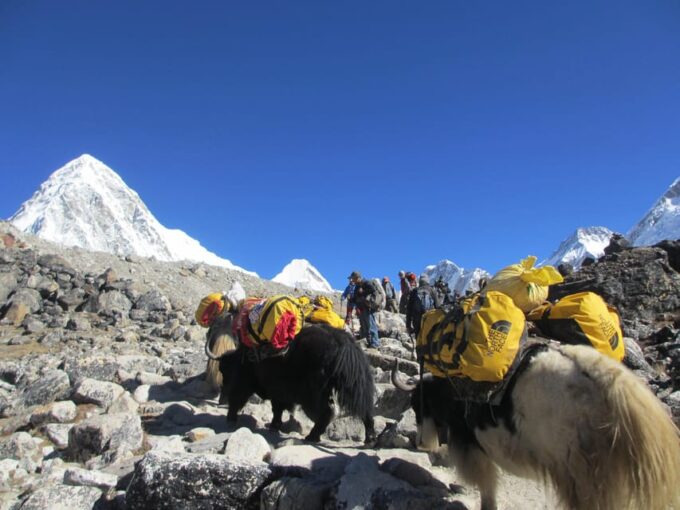
The journey to Everest Base Camp begins with a thrilling scenic flight from Kathmandu to Lukla, the gateway to the Khumbu region.
Travelers soar over the majestic Himalayas, catching glimpses of snow-capped peaks and deep valleys. The 35-minute flight is an exhilarating start to the trek, as the small plane navigates the narrow Lukla runway, which is perched on the side of a mountain.
This scenic flight sets the stage for the incredible journey ahead, offering a taste of the breathtaking landscapes and remote villages that trekkers will encounter on their way to Everest Base Camp.
Frequently Asked Questions
What Is the Best Time of Year to Do This Trek?
The best time to undertake the trek is during the spring (March to May) and autumn (September to November) seasons. These periods offer clear skies, mild temperatures, and fewer crowds for an optimal trekking experience.
How Difficult Is the Everest Base Camp Trek?
The Everest Base Camp trek is moderately difficult, requiring good physical fitness and acclimatization to high altitudes. It involves long daily hikes with significant elevation changes, which can be challenging for less experienced trekkers.
Can I Bring My Dog on the Trek?
Unfortunately, dogs are not allowed on the Everest Base Camp trek. The trek passes through national parks and involves camping, where dogs are prohibited for environmental and safety reasons. Trekkers must leave their furry friends at home.
Is Wifi Available Along the Trek Route?
WiFi connectivity is limited along the Everest Base Camp trek route. Some lodges and teahouses may offer basic WiFi services, but it’s generally unreliable and slow. Trekkers should expect minimal internet access and prepare accordingly for the remote mountain environment.
What Is the Weather Like During the Trek?
The weather during the trek is generally cool and dry, with average temperatures ranging from 10-20°C. Mornings and evenings can be chilly, so trekkers should pack warm layers. Daytime conditions are often sunny, making for pleasant hiking.
Everest Base Camp Trek 13 Days.
Recap
The Everest Base Camp Trek offers an unparalleled adventure, combining stunning Himalayan landscapes, rich culture, and the challenge of reaching one of the world’s most iconic destinations. Trekkers can expect breathtaking views, a unique cultural experience, and the satisfaction of accomplishing a remarkable feat. With its growing popularity, the trek remains a bucket-list adventure for outdoor enthusiasts seeking an unforgettable journey.
You can check availability for your dates here: