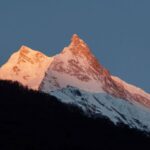
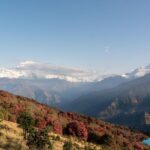
The Everest Base Camp Trek is a renowned 11-day journey that takes adventurers on an unforgettable exploration of Nepal’s Khumbu region. From the picturesque flight to Lukla to the breathtaking vistas at Everest Base Camp and Kala Patthar, this trek promises an immersive cultural experience and a chance to witness the grandeur of the world’s highest mountain. With guided support and a moderate difficulty level, the trek caters to outdoor enthusiasts seeking a challenging yet rewarding adventure. But before embarking on this journey, it’s crucial to understand the itinerary, pricing, and safety considerations that will ensure a seamless and memorable trekking experience.
Key Points
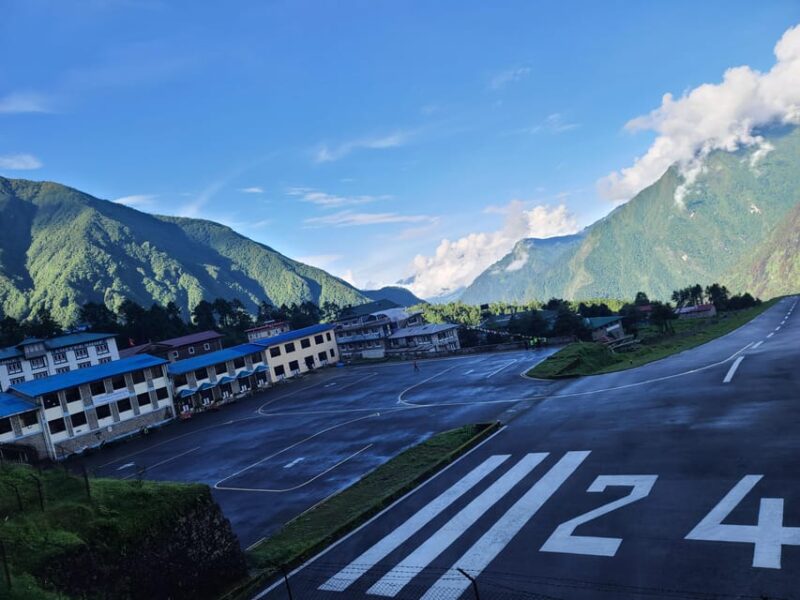
- The Everest Base Camp Trek spans 11 days, starting with a scenic flight from Kathmandu to Lukla (2,860m) and ending with a return to Lukla.
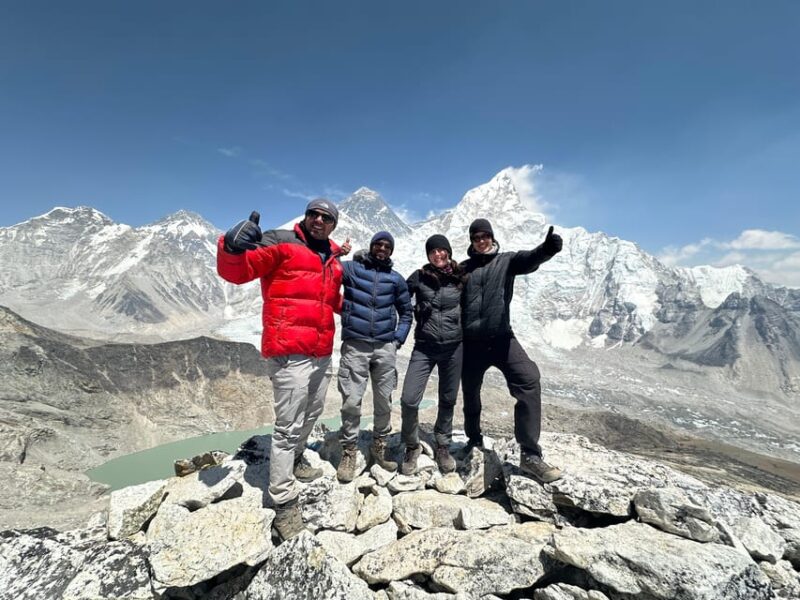
- The trek includes acclimatization days in Namche Bazaar (3,440m) and reaches Everest Base Camp (5,364m) and Kala Patthar (5,545m) for panoramic mountain views.
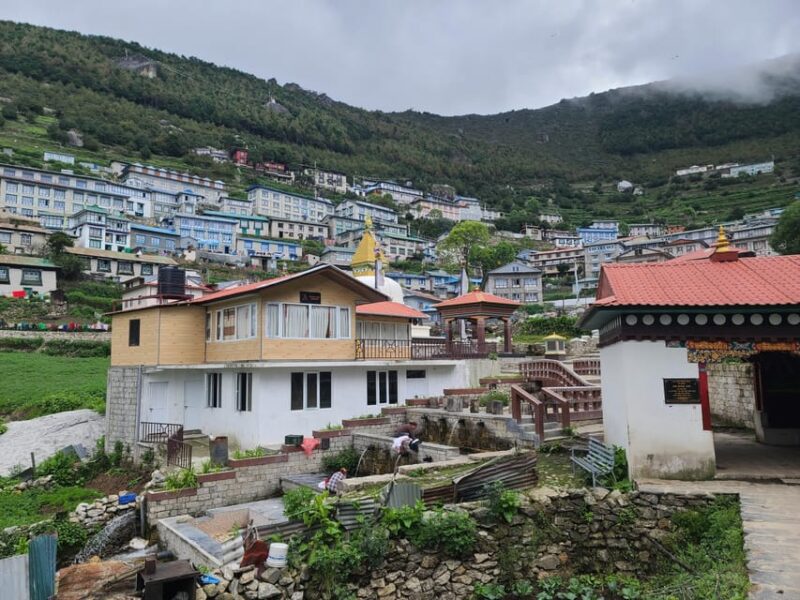
- The trek traverses through the vibrant Sherpa town of Namche Bazaar and the picturesque Tengboche Monastery at an elevation of 3,860m.
- The trek is classified as moderately difficult, requiring good physical fitness, and is best undertaken during the spring (March-May) or autumn (September-November) seasons.
- The package includes hotel transfers, professional English-speaking guides, necessary trekking permits, and comfortable teahouse accommodations, with a maximum group size of 10 participants.
👉 Check out our guide to the 2 Best Guided Tours In Jagat
Contents
- Key Points
- Overview and Highlights
- Itinerary and Duration
- Pricing and Booking
- Included Services
- Group Size and Language
- Difficulty and Fitness Level
- Best Time to Visit
- Safety and Responsible Travel
- Frequently Asked Questions
- Are There Any Special Permits Required for the Trek?
- Can I Purchase Any Additional Gear or Equipment During the Trek?
- Is It Possible to Extend or Shorten the Standard 11-Day Itinerary?
- What Are the Typical Weather Conditions Encountered During the Trek?
- Are There Any Restrictions or Guidelines Regarding Waste Management on the Trail?
- Recap
- Our Top Picks in Kathmandu
- More Hiking & Trekking Tours in Kathmandu
- More Tour Reviews in Kathmandu
- Not for you? Here's more things to do in Kathmandu we have recnetly reviewed
Overview and Highlights

The Everest Base Camp (EBC) Trek is one of the most iconic trekking routes globally, offering breathtaking views of the Himalayas and insight into Sherpa culture.
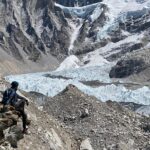
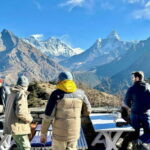
Key highlights include a scenic flight from Kathmandu to Lukla, the vibrant Sherpa town of Namche Bazaar, the panoramic views from Tengboche Monastery, reaching Everest Base Camp at 5,364 meters, and the unparalleled vistas from Kala Patthar at 5,545 meters.
Trekkers will also have the opportunity to explore Sagarmatha National Park, a UNESCO World Heritage Site known for its diverse flora and fauna.
Ready to hit more trails? More hiking adventures we feature in Kathmandu
Itinerary and Duration
Typically, the Everest Base Camp Trek spans 11 days, offering trekkers a comprehensive exploration of the Khumbu region. The itinerary includes:
-
Day 01: Fly to Lukla (2,860m) and trek to Phakding (2,610m)
-
Day 02-03: Acclimatize in Namche Bazaar (3,440m)
-
Day 04-08: Trek through Tengboche (3,860m), Dingboche (4,410m), Lobuche (4,940m), and reach Everest Base Camp (5,364m)
-
Day 09-11: Descend through Pheriche (4,240m), Namche Bazaar, and fly out from Lukla.
This well-paced itinerary allows trekkers to gradually ascend, acclimatize, and fully experience the magnificent Himalayas while ensuring a safe and rewarding journey.
Pricing and Booking
As per the available information, the Everest Base Camp Trek can be booked at prices starting from DKK10,431 per person.
The trek offers flexible booking options, allowing travelers to reserve their spot without any upfront payment. Plus, the tour provider offers free cancellation up to 24 hours in advance, providing peace of mind for travelers.
The pricing includes a range of services, such as hotel transfers, professional guides, trekking permits, teahouse accommodation, meals, and more.
With a small group size limited to 10 participants, the trek provides an intimate and personalized experience, led by an English-speaking guide.
Included Services
Alongside the flexible booking options, the Everest Base Camp Trek offers an impressive array of included services to ensure a seamless and enjoyable experience for trekkers.
The trek package covers:
- Hotel-to-airport transfers via private vehicle
- Professional, English-speaking guides to lead the way
- Necessary trekking permits, including for Sagarmatha National Park
- Comfortable teahouse accommodations throughout the trek
These inclusions, along with the farewell dinner, Nepal visa fee, and insurance coverage, provide trekkers with a comprehensive and worry-free journey to the base of the world’s highest mountain.
More Great Tours NearbyGroup Size and Language
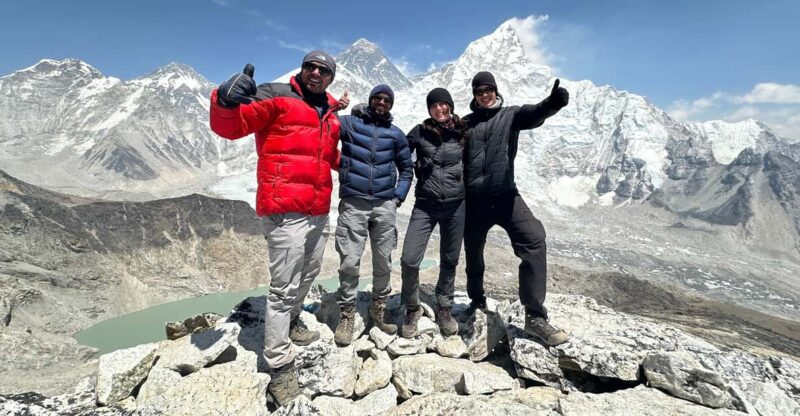
The Everest Base Camp Trek limits its group size to a maximum of 10 participants, allowing for a more intimate and personalized experience.
This small group size ensures each trekker receives attentive care and guidance from the English-speaking tour guide.
The meeting point for the trek is at a hotel pickup near Thamel, providing a convenient starting point for the adventure.
With the guidance of a knowledgeable and experienced local, trekkers can enjoy the rich Sherpa culture and stunning Himalayan landscapes that make the Everest Base Camp Trek such an iconic experience.

Difficulty and Fitness Level
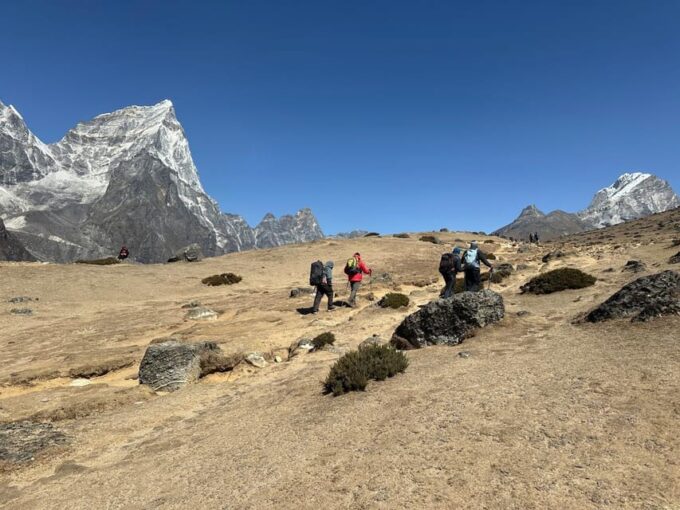
The Everest Base Camp Trek is considered a moderately difficult trek that requires a good level of physical fitness.
The trek involves:
- Trekking at high altitudes, with the maximum elevation reaching 5,545 meters (18,192 feet) at Kala Patthar.
- Covering long distances, with the total trek covering approximately 130 kilometers.
- Navigating steep ascents and descents, which can be challenging for some trekkers.
- Adapting to the cold temperatures, which can range from below freezing at higher elevations to mild temperatures in the lower regions.
Proper preparation, including physical conditioning and acclimatization, is essential for a successful and enjoyable Everest Base Camp trek.
Best Time to Visit
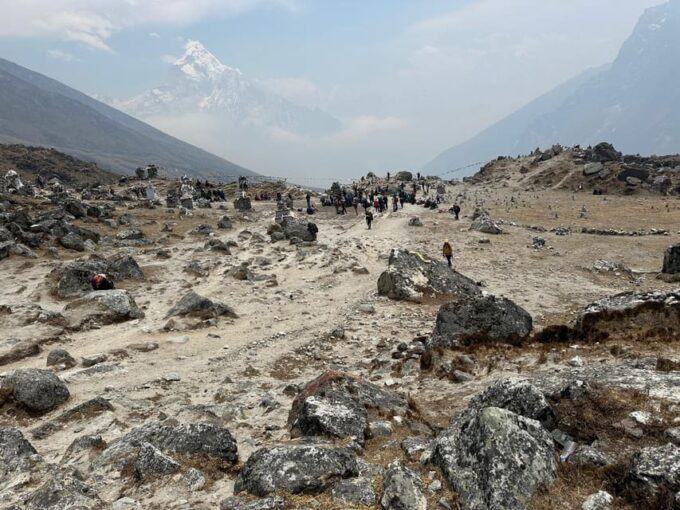
When it comes to the best time to visit Everest Base Camp, several factors come into play. The most popular seasons are spring (March to May) and autumn (September to November).
During spring, the weather’s milder, skies are clearer, and the mountain views are stunning. The autumn months offer similarly pleasant conditions, with the added bonus of fewer crowds.
While the winter months (December to February) can be bitterly cold, they provide an opportunity to experience the Himalayas in solitude.
The summer monsoon season (June to August) brings heavy rain and snow, making trekking more challenging.
Ultimately, the best time depends on your preferences – whether you prioritize optimal weather, fewer crowds, or a more authentic, off-season experience.
Safety and Responsible Travel
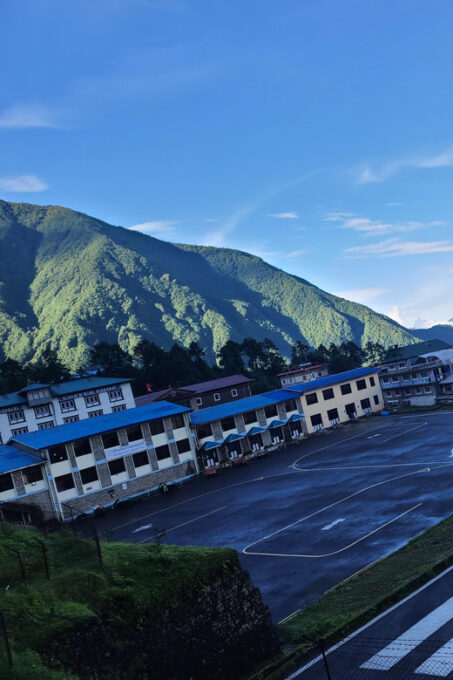
For those considering the Everest Base Camp Trek, the safety and responsible travel practices are of utmost importance. The trek takes place in a remote, high-altitude environment, so participants must be prepared and follow guidelines to ensure a safe and sustainable experience.
Some key safety considerations include:
- Proper acclimatization to avoid altitude sickness.
- Hiring experienced, knowledgeable guides and porters.
- Adhering to Leave No Trace principles to preserve the fragile ecosystem.
- Purchasing comprehensive travel insurance that covers emergency medical expenses and evacuation.
Frequently Asked Questions
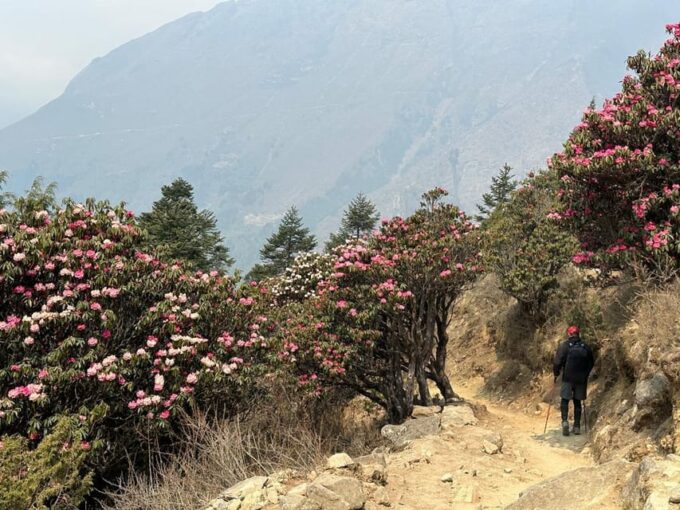
Are There Any Special Permits Required for the Trek?
Yes, there are a few special permits required for the trek. Trekkers need to obtain a Sagarmatha National Park Permit and a Khumbu Rural Municipality Entry Permit before starting the Everest Base Camp Trek. These permits ensure proper access and support for the trek.
Can I Purchase Any Additional Gear or Equipment During the Trek?
Yes, trekkers can purchase additional gear and equipment during the trek. Local shops and teahouses along the route offer a range of trekking supplies, allowing hikers to pick up any necessary items they may have forgotten.
Is It Possible to Extend or Shorten the Standard 11-Day Itinerary?
Yes, the itinerary can be extended or shortened. Travelers can customize the trek duration to suit their fitness level and schedule, though the standard 11-day route is popular for providing ample time to acclimatize and explore the region.
What Are the Typical Weather Conditions Encountered During the Trek?
The weather during the trek can vary widely. Daytime temperatures are typically mild, but nights can be quite cold, especially at higher elevations. Trekkers should prepare for potential rain, snow, and windy conditions throughout the journey.
Are There Any Restrictions or Guidelines Regarding Waste Management on the Trail?
Trekkers must comply with strict waste management guidelines along the EBC trail. Proper disposal of trash and human waste is mandatory to preserve the pristine Himalayan environment. Guides provide instructions on eco-friendly practices throughout the trek.
Everest Base Camp Trek 11 Days
Recap
The Everest Base Camp Trek is a remarkable 11-day adventure that takes trekkers through the breathtaking Khumbu region of Nepal. With stunning views, culture, and a guided support system, it offers a challenging yet rewarding experience for outdoor enthusiasts. The trek culminates at the iconic Everest Base Camp, providing panoramic vistas and an unforgettable journey.
You can check availability for your dates here: