
Hiep Phuoc Port, just outside Ho Chi Minh City, offers visitors a profound journey into Vietnam’s tumultuous past. At the Cu Chi Tunnels, they’ll discover the ingenious underground network that once stretched over 250 kilometers, serving as a crucial lifeline for the Viet Cong resistance. Nearby, the War Remnants Museum presents a sobering counterpoint, its harrowing exhibits illuminating the immense human cost of the conflict. From crawling through claustrophobic tunnels to confronting the visceral realities of war, this tour provides a thought-provoking exploration of Vietnam’s wartime resilience and the complexities that linger long after the guns have fallen silent.
Key Points
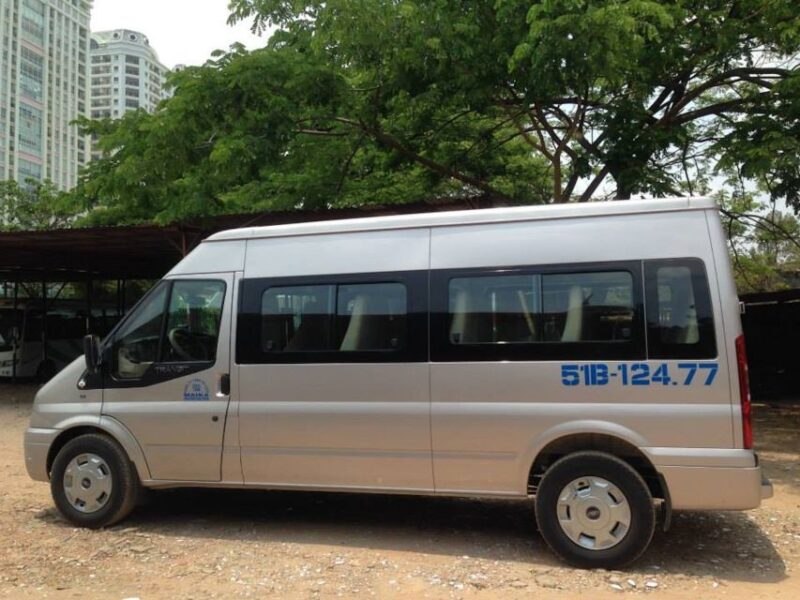
- Tour the Cu Chi Tunnels to experience the ingenious hideouts and cramped conditions used by the Vietnamese resistance during the war.
- Visit the War Remnants Museum to confront the harsh realities and immense human cost of the Vietnam War through powerful photographic exhibits.
- Witness the process of extracting latex from rubber trees at a local tapping facility to gain insight into Vietnam’s significant natural rubber production.
- Explore the expansive underground tunnel network that provided critical hideouts, communication lines, and supply routes for the Vietnamese forces.
- Discover the resourcefulness and unwavering determination of the Viet Cong through the ingenious design and construction of the Cu Chi tunnels.

👉 Check out our guide to the 3 Best Canoe And Kayak Experiences In Ho Chi Minh City
Contents
- Key Points
- Exploring Cu Chi Tunnels
- Discovering Viet Cong Ingenuity
- Vietnam’s Rubber Production Insight
- Harrowing Exhibits at Museum
- Photographic Perspectives on the War
- Experiencing Soldiers’ Hardships
- Accommodating Dietary Requirements
- Additional Tour Information
- Frequently Asked Questions
- Can I Bring My Own Food on the Tour?
- Is Photography Allowed in the Museum?
- What Should I Wear to the Tour?
- Is There a Minimum Number of Participants Required?
- Is the Tour Suitable for Young Children?
- Recap
- Our Top Picks in Ho Chi Minh City
- More Museum Experiences in Ho Chi Minh City
- More Tours in Ho Chi Minh City
- More Tour Reviews in Ho Chi Minh City
- Not for you? Here's more things to do in Ho Chi Minh City we have recnetly reviewed
Exploring Cu Chi Tunnels
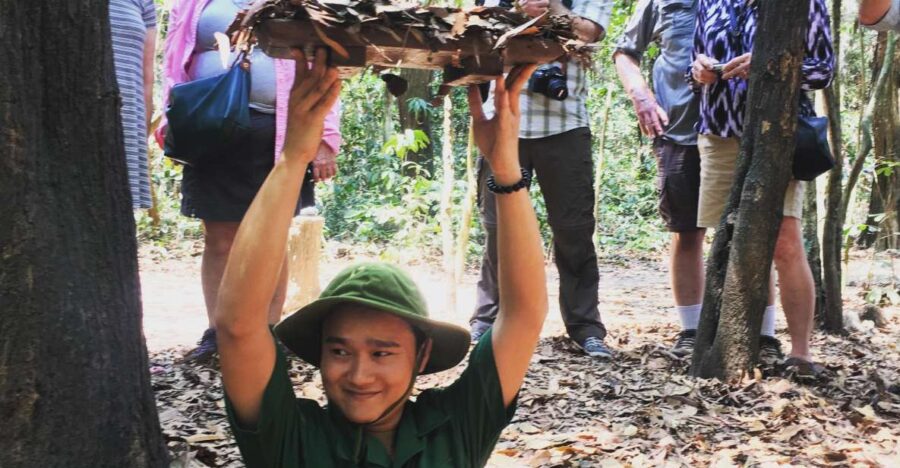
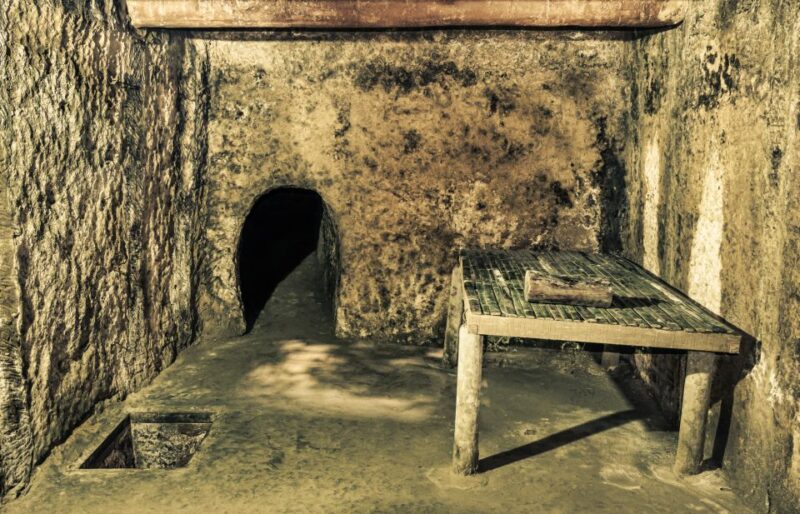
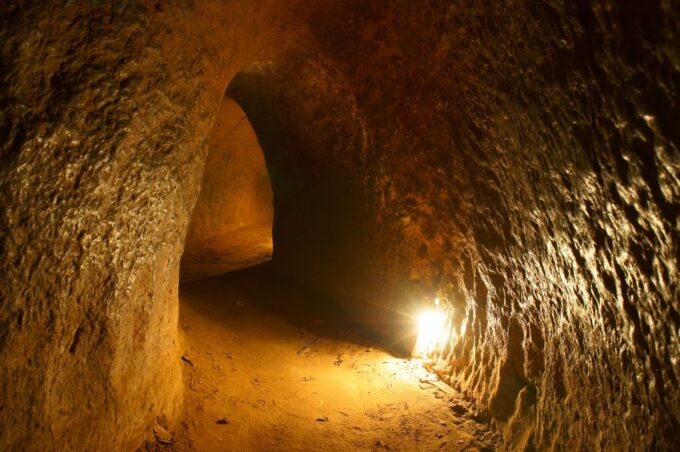
Visitors can crawl through a 100-meter section of the ingeniously constructed Cu Chi tunnels to experience the harsh realities faced by Viet Cong fighters during the Vietnam War.
These underground passageways, which once stretched for over 250 kilometers, provided critical hideouts, communication lines, and supply routes for the Vietnamese resistance.
Although the tunnels have been widened slightly for tourist access, visitors can still get a sense of the cramped, claustrophobic conditions the soldiers endured.
Along the way, they’ll discover hidden kitchens and sample the simple meals the Viet Cong subsisted on during the conflict.
The Cu Chi tunnels stand as a memorial/monument/tribute to the ingenuity and determination of the Vietnamese people in their fight for independence.
Ready for more culture? More museums we feature in Ho Chi Minh City


Discovering Viet Cong Ingenuity
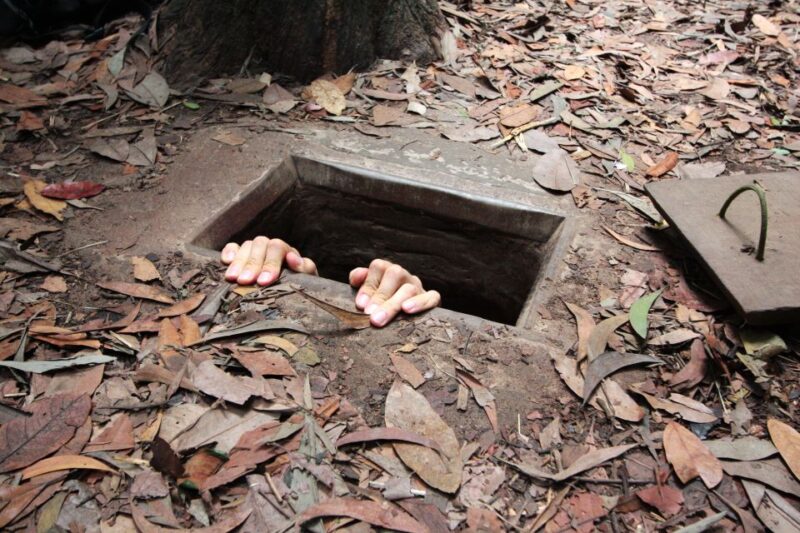
The ingenious design and construction of the Cu Chi tunnels showcased the remarkable resourcefulness and determination of the Viet Cong forces during the Vietnam War.
Built over years of tireless effort, these expansive underground networks provided critical hideouts, communication lines, and supply routes for the Vietnamese resistance fighters, enabling them to evade and outmaneuver their American and South Vietnamese adversaries.
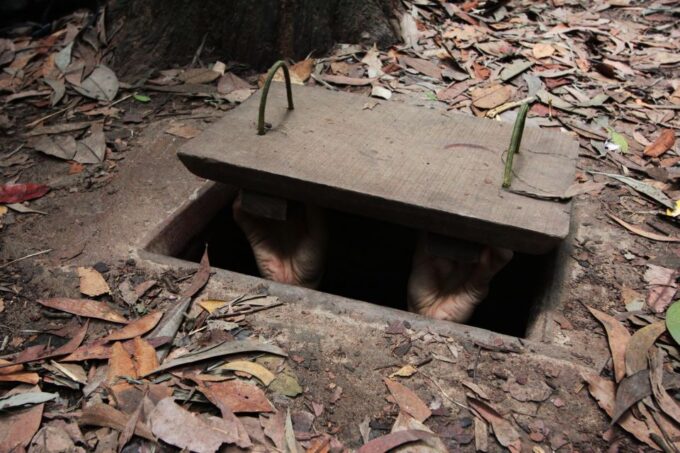
The tunnels featured hidden entrances, ventilation shafts, and even booby traps to defend against intruders. Visitors can experience the cramped, claustrophobic conditions the soldiers endured by crawling through the narrow, low-ceilinged passageways.
These ingenious structures stand as a memorial to the Viet Cong’s ingenious adaptability and unwavering determination in the face of a formidable foe.
Vietnam’s Rubber Production Insight
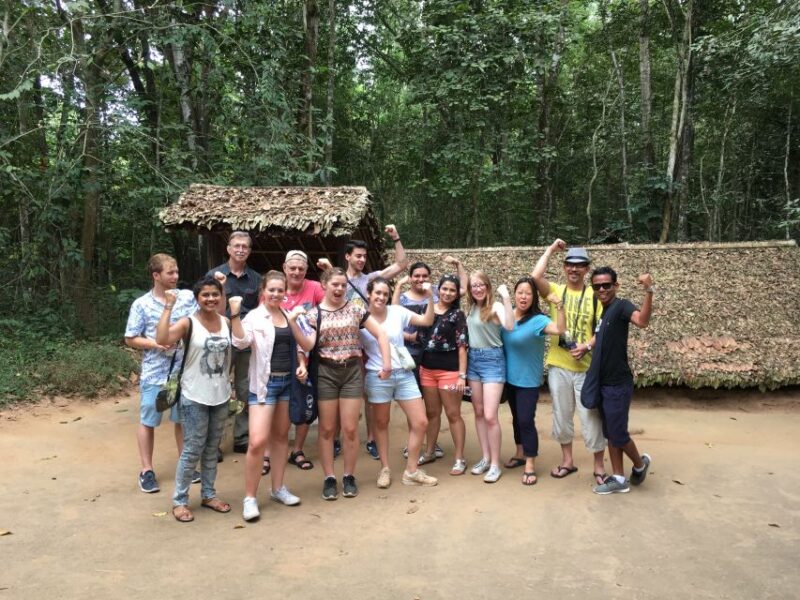
Vietnam’s natural rubber production plays a significant role in the global economy, with the country ranking as the world’s third-largest producer of this essential commodity. During the tour, visitors have the opportunity to learn about the country’s rubber industry at a local tapping facility. Here, they can witness firsthand the process of extracting latex from rubber trees, a skill that has been honed by generations of Vietnamese workers. The tour provides a unique insight into this important aspect of Vietnam’s agricultural landscape and economic development.
| Key Facts | ||
|---|---|---|
| Rank | Production (metric tons) | Share of Global Production |
| 3rd | 1,040,000 | 8.5% |
| Largest Exporters | Largest Consumers | |
| Thailand, Indonesia, Vietnam | China, India, Malaysia |
Harrowing Exhibits at Museum
Alongside the opportunity to explore Vietnam’s rubber industry, the War Remnants Museum offers a profound and harrowing perspective on the country’s tumultuous past.
The museum’s displays include historic photographs by renowned war photographers, visceral visual representations of the tragedies inflicted on innocent lives, and heart-wrenching testimonials from survivors.
Visitors are confronted with the harsh realities of Agent Orange, napalm bombings, and other atrocities that tore through Vietnamese communities.
The museum’s alternative viewpoint provides a sobering counterbalance to more traditional war narratives, inviting deep reflection on the immense human cost of conflict.
More Great Tours NearbyPhotographic Perspectives on the War
Renowned war photographers have immortalized the Vietnam War’s harrowing realities through their powerful visual narratives showcased at the War Remnants Museum.
Visitors can explore historic photos that capture the devastating impact on civilians, from graphic images of napalm attacks to poignant scenes of grieving families.
The museum’s exhibits provide an alternative perspective on the conflict, conveying the immense human toll through the lenses of acclaimed photojournalists.
These powerful photographs serve as a sobering reminder of the war’s traumatic aftermath, inspiring reflection on the complexities of armed struggle and its consequences.
The museum’s photographic displays offer a visceral and unforgettable experience, leaving a lasting impression on all who visit.


Experiencing Soldiers’ Hardships
Along With the powerful photographic displays, visitors to the Cu Chi Tunnels can directly experience the grueling conditions endured by Viet Cong fighters during the war.
Guests have the opportunity to crawl through the narrow, 100-meter tunnels that served as the Viet Cong’s ingenious underground network, providing a visceral understanding of the hardships faced by these soldiers. The tunnels have been slightly widened for travelers, but they still offer a glimpse into the cramped, stifling quarters the fighters occupied.
Visitors can also discover hidden kitchens and sample the food the Viet Cong subsisted on, further highlighting the challenging existence of these resourceful guerilla fighters during one of history’s most pivotal conflicts.
Accommodating Dietary Requirements
The tour provider accommodates various dietary requirements, ensuring that all guests can fully enjoy the culinary aspects of the experience. Whether you have specific dietary needs or just personal preferences, the team works closely with each guest to cater to their needs. Here’s a breakdown of the meal options available:
| Diet | Accommodations |
|---|---|
| Vegetarian | Meatless dishes, dairy-free options |
| Vegan | Plant-based meals, no animal products |
| Gluten-free | Gluten-free bread, pasta, and snacks |
| Halal | Halal-certified meats and dishes |
Additional Tour Information
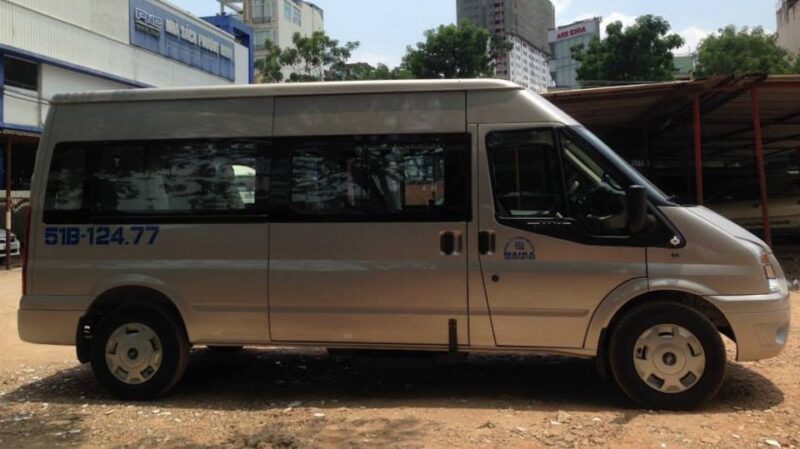
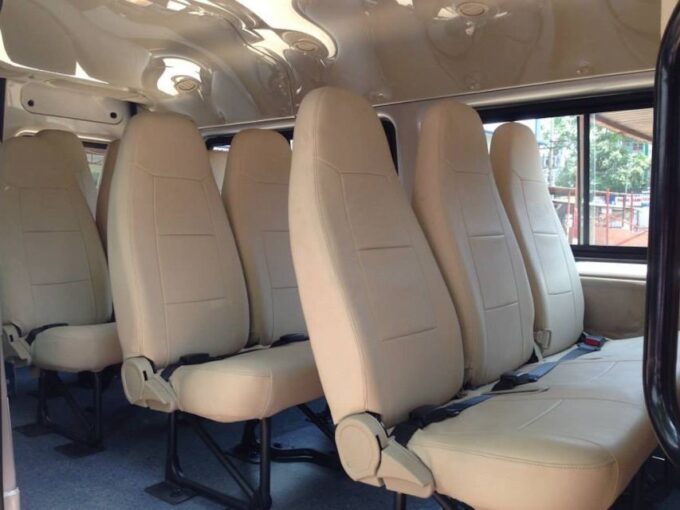
Typically, the tour provider offers a range of additional services and amenities to enhance the overall experience for guests. The air-conditioned vehicle guarantees a comfortable journey, while the complimentary bottled water helps guests stay hydrated.
The English-speaking guide provides insightful commentary throughout the tour, sharing their knowledge of the historical and cultural significance of the sites visited. Lunch is included in the package, with the tour operator accommodating any dietary requirements or preferences.
While gratuities and personal expenses aren’t included, the tour price covers all necessary entrance fees and taxes, securing a hassle-free experience. Visitors are encouraged to dress comfortably and respectfully, as the tour explores sensitive historical sites.
Frequently Asked Questions
Can I Bring My Own Food on the Tour?
Yes, participants can bring their own food on the tour. However, a provided lunch is included in the tour package, so bringing your own food is not necessary. Dietary requirements can also be accommodated.
Is Photography Allowed in the Museum?
Photography is generally allowed in the War Remnants Museum, though visitors should be mindful and respectful when taking photos of the harrowing exhibits. Some restrictions may apply in specific areas, so it’s best to check with the museum staff.
What Should I Wear to the Tour?
For a tour like this, it’s recommended to wear comfortable and respectful attire. Loose, breathable clothing and closed-toe shoes are ideal to navigate the tunnels and museum comfortably. Avoid anything too revealing or inappropriate for the serious historical sites.
Is There a Minimum Number of Participants Required?
There is no minimum number of participants required for this tour. The tour can accommodate individuals, couples, or small groups. The tour provider arranges transportation and activities regardless of group size.
Is the Tour Suitable for Young Children?
The tour may not be suitable for young children, as it explores the harrowing history of the Vietnam War and includes crawling through narrow underground tunnels. Parental discretion is advised to confirm the content is appropriate for a child’s age and maturity level.
Hiep Phuoc Port: Cu Chi Tunnels and War Remnants Museum Tour
Recap
The Cu Chi Tunnels and War Remnants Museum provide a profound exploration of Vietnam’s wartime ingenuity and resilience. Visitors can enjoy the expansive tunnel network and confront harrowing exhibits depicting the immense human cost of the conflict.
This tour offers a sobering counterpoint to traditional war narratives, inviting deep reflection on the sacrifices made during this pivotal period in Vietnam’s history.
You can check availability for your dates here:


