
Behind Bucharest’s grand Communist-era structures like the imposing Palace of Parliament lies a darker history. Ceaușescu’s totalitarian regime forcibly relocated over 40,000 people, erasing historic neighborhoods in the process. Citizens endured harsh realities – strict rationing, pervasive surveillance, and the ruthless Securitate secret police. Yet, they found ingenious ways to resist and survive. What stories of defiance and dignity lie hidden beneath the surface of this turbulent past? Uncovering the human cost and resilience of life under Communism in Bucharest provides a revealing glimpse into a complex and contentious chapter of Romania’s history.
Key Points
- Firsthand accounts of the daily struggles and resilience of ordinary Romanians under the oppressive Ceaușescu regime in Bucharest.
- Untold narratives of how citizens subverted the communist system through black market trading, secret gatherings, and small acts of defiance.
- Insights into the trauma and disillusionment experienced by older generations who lived through the violent suppression of the 1989 Romanian Revolution.
- Exploration of the lingering social and architectural impacts of communist rule, from the imposing Palace of Parliament to the monotonous concrete apartment blocks.
- Reflections on the complexities of reconciling Bucharest’s turbulent past with its present-day identity, as the city navigates its post-communist transformation.

👉 Check out our guide to the 2 Best Craft Beer Tours And Tastings In Bucharest
Contents
- Key Points
- Palace of Parliament
- Symbols of Communist Rule
- Life Under Communism
- Revolution Square Uprising
- Survival Tactics and Resistance
- Lingering Impacts of Communism
- Exploring Communist-Era Structures
- Reflections on a Turbulent Past
- Recap
- Our Top Picks in Bucharest
- More Tour Reviews in Bucharest
- Not for you? Here's more things to do in Bucharest we have recnetly reviewed
Palace of Parliament
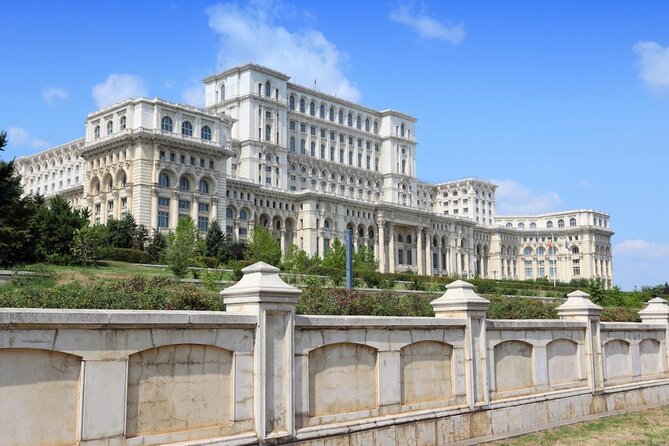
The Palace of Parliament, also known as the People’s Palace, is the centerpiece of the Communist tour, showcasing the grandiose architecture and excessive opulence that defined the Ceaușescu regime’s architectural vision.
Covering an area of over 330,000 square meters, it’s the second-largest administrative building in the world after the Pentagon. Visitors are struck by the sheer scale and extravagance of the structure, which features 1,100 rooms, 4 underground levels, and a weight of over 4 million tons.
The tour explores how this monument to communist power was built through the forced relocation of over 40,000 people and the destruction of historic neighborhoods. It stands as a lasting symbol of the Ceaușescu’s totalitarian ambitions.
You can also read our reviews of more tours and experiences in Bucharest.


Symbols of Communist Rule
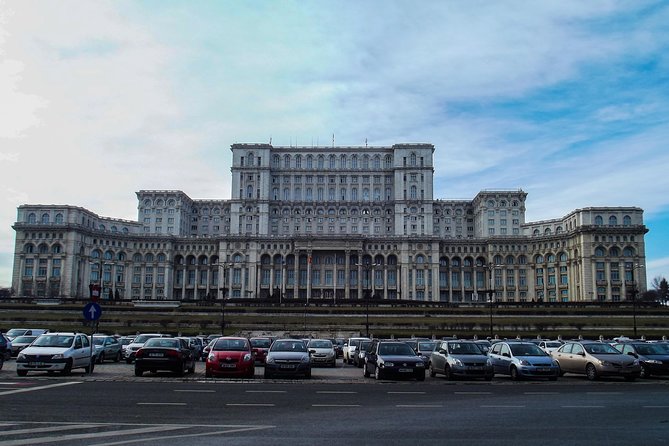
Across Bucharest, various landmarks and public spaces stand as enduring symbols of the communist regime’s control and influence over the city’s landscape.
The colossal Palace of Parliament, once the pride of the Ceaușescu era, looms large, a monument to the regime’s grandiose ambitions. Likewise, Revolution Square, the site of the 1989 uprising, bears the scars of the regime’s violent suppression of dissent.
The House of the Free Press, a stark reminder of the regime’s tight grip on media and information.
The Athenaeum concert hall, where classical performances were censored and monitored by the authorities.
The State Circus, a venue used to showcase the regime’s propaganda and cultural control.
The ubiquitous statues and monuments glorifying communist leaders and ideology.
These symbols serve as a sobering testament to the lasting impact of Romania’s communist past.
Life Under Communism
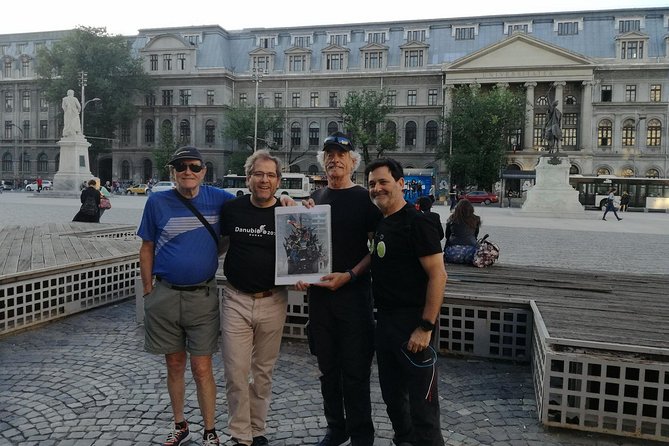
Beneath the grand monuments and symbols of communist power, the daily lives of Bucharest’s residents were profoundly shaped by the regime’s pervasive control and restrictive policies.
Under the watchful eye of the Securitate, the dreaded secret police, citizens navigated a web of surveillance and repression. Shortages of basic goods, strict rationing, and endless queues were the norm, as the regime prioritized industrial development over consumer needs.
Dissent was ruthlessly crushed, and free expression was heavily censored. Yet, amid the constraints, Romanians found ways to resist and subvert the system, whether through black market trading, underground art, or quiet acts of defiance.
Life under communism was a constant struggle, but the indomitable spirit of the people endured.
Revolution Square Uprising
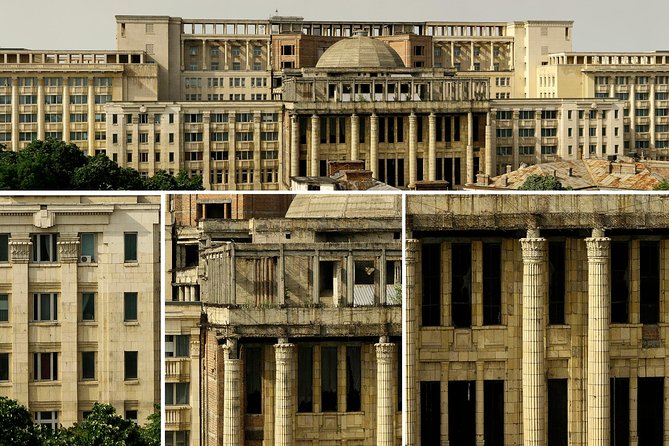
On December 21, 1989, thousands of Romanians gathered at Bucharest’s Revolution Square to protest the repressive communist regime, sparking a series of events that would culminate in the overthrow of Nicolae Ceaușescu’s dictatorship. The protesters, angered by decades of oppression, faced off against security forces, leading to violent clashes.
Demonstrators stormed the headquarters of the Romanian Communist Party, setting it ablaze.
Ceaușescu and his wife, Elena, fled the capital, only to be captured, put on trial, and executed on Christmas Day.
The military switched sides, siding with the protesters and forming a new governing body.
The uprising led to the end of communist rule in Romania, paving the way for a transition to democracy.
Survival Tactics and Resistance
During the Ceaușescu regime, Romanians employed a variety of tactics to survive and resist the oppressive communist rule.
They carefully navigated the system, finding ways to obtain scarce resources, express dissent, and protect their families. Some engaged in black market trading, bartering goods and services to supplement their meager rations.
Others participated in passive resistance, subverting the regime through art, literature, and humor. Many risked their lives to speak out against the government, holding secret gatherings and distributing underground publications.
Families provided crucial support, sharing information and sheltering those in danger. These acts of defiance, both big and small, allowed Romanians to maintain their humanity and dignity in the face of tyranny.


Lingering Impacts of Communism
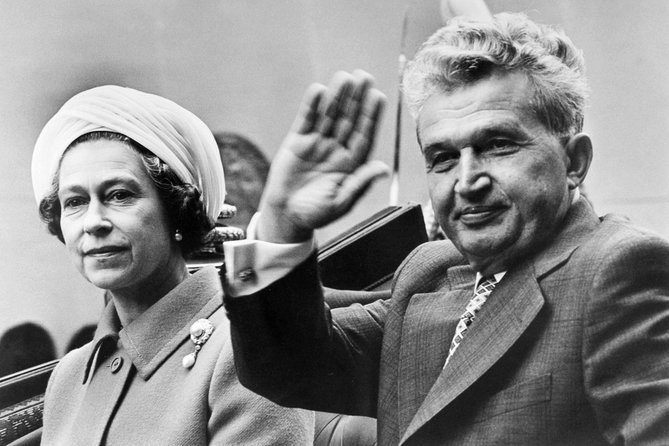
The remnants of communism continue to shape Bucharest’s urban landscape and social dynamics, decades after the regime’s collapse. Iconic structures like the Palace of the Parliament, the world’s second-largest administrative building, serve as tangible reminders of the communist era’s architectural legacy.
Many neighborhoods still bear the scars of forced urbanization, with monotonous, concrete apartment blocks that replaced vibrant communities. The economic and social divide between the privileged elite and the working class persists, reflecting the lasting impact of communist policies.
Older generations carry the trauma and disillusionment of living under an oppressive regime, shaping their perspectives and experiences. The ongoing process of reconciling the past with the present poses challenges as Bucharest navigates its post-communist identity.
Exploring Communist-Era Structures
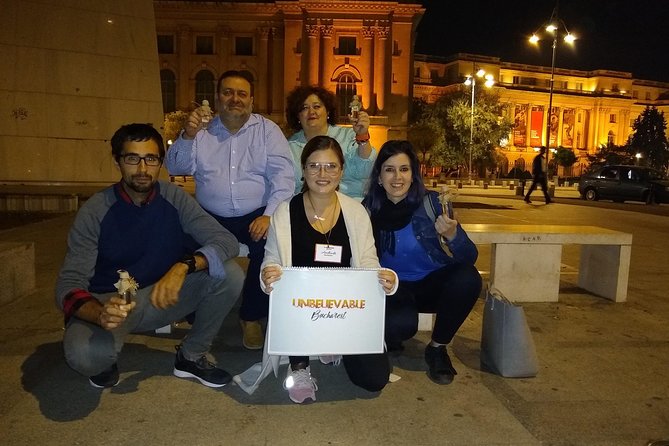
Across Bucharest’s cityscape, visitors can’t help but notice the imposing structures that once served as symbols of communist power and control. Chief among them is the colossal Palace of the Parliament, the second-largest administrative building in the world. Its gargantuan scale and grandiose design embody the megalomaniacal ambitions of Romania’s former communist dictator, Nicolae Ceaușescu.
| Structure | Purpose | Impact |
|---|---|---|
| Palace of the Parliament | Seat of communist government | Exemplified Ceaușescu’s authoritarian rule |
| Revolution Square | Site of 1989 anti-communist protests | Marked the beginning of the regime’s downfall |
| Civic Center | Envisioned as a communist utopia | Displaced thousands, erased historic neighborhoods |
These architectural relics stand as stark reminders of Romania’s turbulent communist past and the lasting scars it has left on the city’s landscape.
Reflections on a Turbulent Past
Wandering through Bucharest’s streets today, one can’t help but ponder the turbulent history that has shaped the city’s physical and social landscape.
Under the iron grip of communist rule, the capital endured decades of oppression, mass displacement, and architectural upheaval.
Sorrow for the lives lost and families torn apart during the Romanian Revolution of 1989.
Fascination with the remnants of grandiose communist-era structures, like the colossal Palace of Parliament.
Admiration for the resilience of the Romanian people, who rebuilt their lives and reclaimed their city.
Cautious optimism for a future where the lessons of the past inform a more inclusive, democratic society.
The Untold Stories of Communist Bucharest
“It was both informative and fascinating. Ali is a wonderful guide & extremely knowledgeable. She was also friendly and professional, and the pace w…”
Recap
The untold stories of Communist Bucharest serve as a powerful reminder of the human cost of totalitarian ambition.
The forced relocations, pervasive surveillance, and brutal suppression of dissent left an indelible mark on the city and its people.
Yet, Romanians found ways to resist and preserve their spirit, from black market trading to subversive acts of art and humor.
The lingering impacts of this turbulent past continue to shape Bucharest’s identity and its people’s collective memory.


