
Pedra Do Sal, a rocky outcrop in Rio de Janeiro, has long been a sanctuary for the Afro-Brazilian community. This sacred site was once a gathering place for enslaved Africans to practice their rituals, traditions, and the soulful rhythms of samba. Today, it remains an important cultural landmark, where the resilient spirit of those who fought for freedom and self-expression continues to thrive. The pulsing beats that emanate from this historical site offer a glimpse into the vibrant tapestry of Afro-Brazilian identity and the unwavering resistance that has defined its legacy.
Key Points
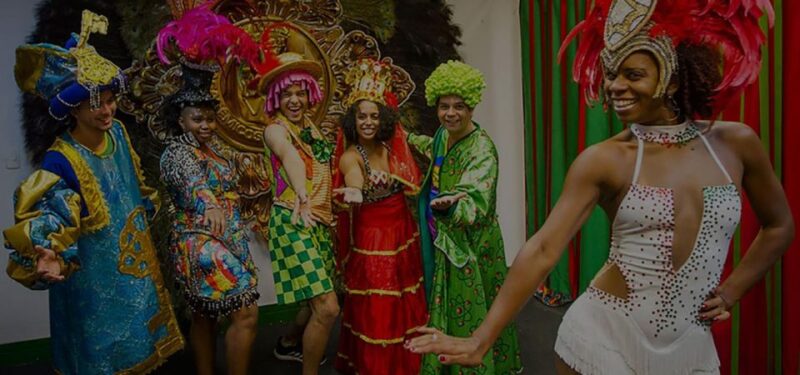
- Pedra Do Sal serves as a historic hub for Afro-Brazilian communities to preserve their cultural identity and resist oppression through samba music and dance.
- The weekly samba street parties at Pedra Do Sal showcase the resilience and pride of Afro-Brazilian communities, using samba as a means of expression and resistance.
- Samba school warehouses in Rio de Janeiro are essential hubs for vibrant Afro-Brazilian culture, where the traditions of Carnival are preserved and celebrated.
- Influential Black personalities, such as Zumbi dos Palmares and Luiza Mahin, played vital roles in the struggle for racial justice and the end of slavery in Brazil.
- The Afro-Brazilian gastronomy and the quintessential caipirinha cocktail at Pedra Do Sal are integral parts of the lively cultural experience and reflect the community’s African heritage.

👉 Check out our guide to the 6 Best Canoe And Kayak Experiences In Rio De Janeiro
Contents
- Key Points
- Historical Significance of Pedra Do Sal
- Afro-Brazilian Cultural Traditions
- Samba School Warehouses
- Carnival Celebrations
- Influential Black Personalities
- Gastronomy and Caipirinha
- Weekly Samba Street Parties
- Tour Accessibility and Restrictions
- Frequently Asked Questions
- How Many Participants Are Typically in the Tour Group?
- Is the Tour Offered in Multiple Languages?
- Can I Bring My Own Food and Drinks on the Tour?
- Is There an Age Limit or Minimum Age Requirement for the Tour?
- What Is the Cancellation and Refund Policy for This Tour?
- Recap
- Our Top Picks in Rio De Janeiro
- More Tour Reviews in Rio De Janeiro
- Not for you? Here's more things to do in Rio De Janeiro we have recnetly reviewed
Historical Significance of Pedra Do Sal
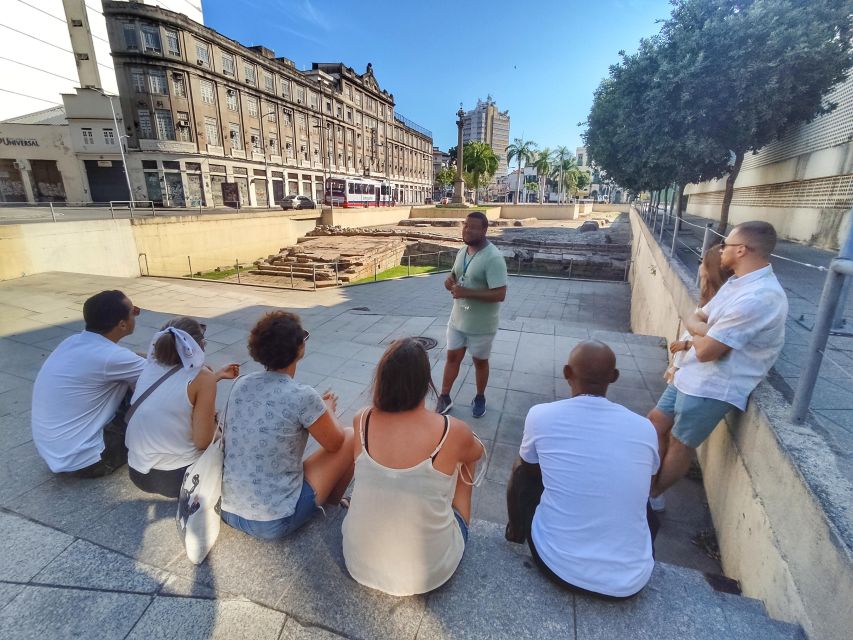
The Pedra do Sal, or "Salt Rock", is a site of immense historical significance in Rio de Janeiro. This rocky outcrop was once a hub for enslaved Africans who gathered to practice their rituals, traditions, and music.
It served as a meeting place where the enslaved could resist their oppression and preserve their cultural identity. The Pedra do Sal was a sanctuary, a place of refuge, and a symbol of the resilience of the Afro-Brazilian community.
Today, it remains an important cultural landmark, where samba music and dance continue to thrive, honoring the legacy of those who fought for freedom and self-expression.
You can also read our reviews of more tours and experiences in Rio De Janeiro.


Afro-Brazilian Cultural Traditions
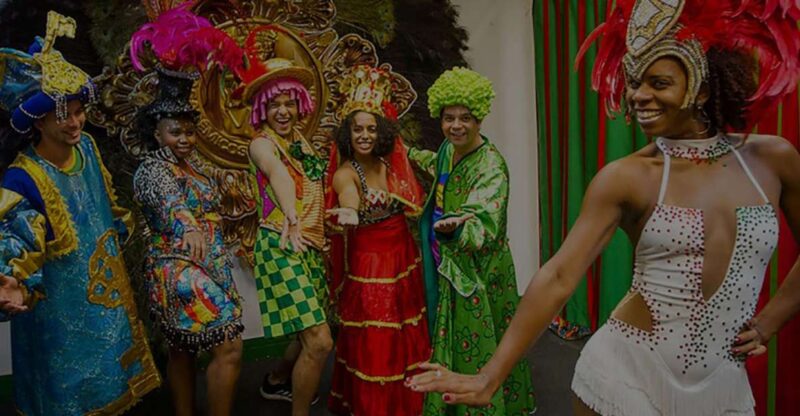
How deeply rooted are the Afro-Brazilian cultural traditions within the community of Pedra do Sal? The area is a living testament to the enduring legacy of African heritage in Brazil. Samba rhythms reverberate through the streets, as locals gather for weekly celebrations. Traditional cuisine and rituals are proudly preserved, passing down from one generation to the next. At the heart of this community lies a profound sense of identity, forged through centuries of struggle and resistance against oppression. This unwavering connection to Afro-Brazilian culture is embodied in the very fabric of Pedra do Sal, serving as a beacon of pride and resilience.
| Afro-Brazilian Cultural Elements |
|---|
| Samba Music |
| Traditional Cuisine |
| Spiritual Rituals |
| Carnival Celebrations |
| Resistance Movements |
Samba School Warehouses
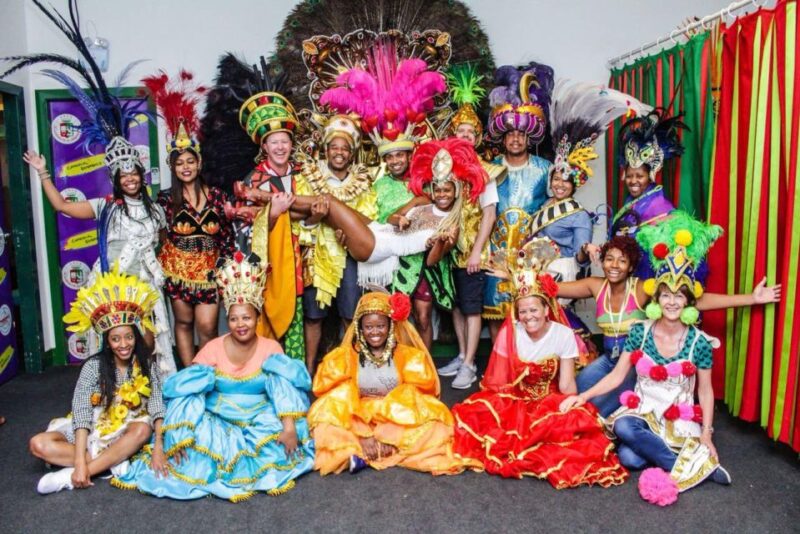
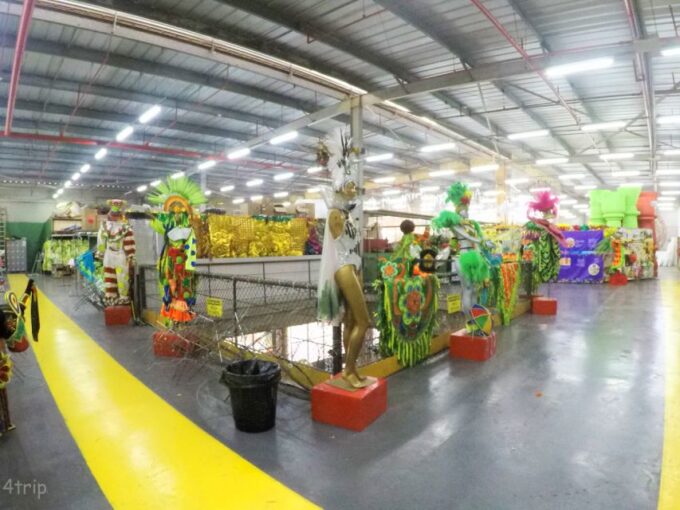
What role do the Samba School Warehouses play in the cultural fabric of Pedra do Sal? The Samba School Warehouses are essential hubs where the vibrant Afro-Brazilian culture thrives. These warehouses serve as the nerve centers for samba schools, where costumes, floats, and choreographies for the annual Carnival celebrations are meticulously crafted.
Visitors can enjoy the vibrant energy as they tour these spaces, learning about the intricate traditions and the passionate individuals who dedicate themselves to preserving this integral part of Rio’s cultural heritage. The Samba School Warehouses represent the resilience and creativity of the Afro-Brazilian community, showcasing their rich history and their unwavering commitment to celebrating their identity.
Carnival Celebrations
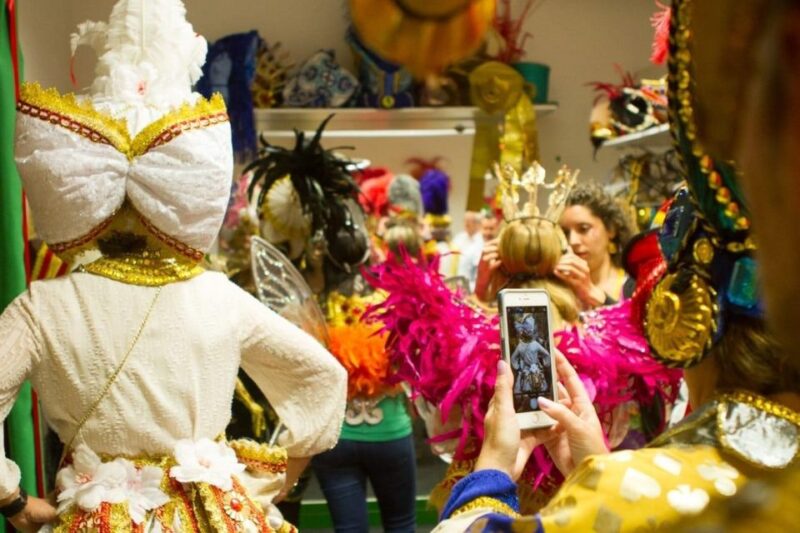
At the heart of Pedra do Sal’s cultural fabric lies the annual Carnival celebrations, a vibrant display of Afro-Brazilian heritage and resilience. This iconic event is a testament to the community’s enduring spirit, showcasing the rhythmic beats of samba, colorful costumes, and a deep-rooted tradition of resistance.
Key aspects of Pedra do Sal’s Carnival include:
- Lively street parties and parades that bring the neighborhood to life
- Spirited performances by local samba schools, each vying for the coveted championship
- Opportunity for the community to come together, celebrate their identity, and honor the legacy of those who fought against slavery
- Fusion of music, dance, and culinary delights that embody the rich cultural tapestry of Afro-Rio.
Influential Black Personalities
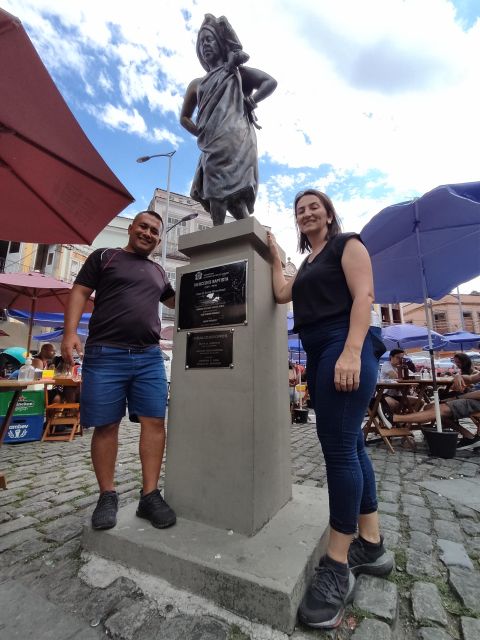
Pedra do Sal’s rich cultural history wouldn’t be complete without acknowledging the influential Black personalities who fought to end slavery in Brazil. One such figure was Zumbi dos Palmares, a leader of the Quilombo dos Palmares, a community of runaway slaves. Zumbi successfully defended the Quilombo for over 20 years until his capture and execution in 1695.
Another prominent activist was Luiza Mahin, a freed slave who organized rebellions against the slave trade. Her son, the poet and revolutionary José do Patrocínio, was a key figure in the abolitionist movement. These individuals played vital roles in the long struggle for racial justice and the end of slavery in Brazil.


Gastronomy and Caipirinha
The Pedra do Sal walking tour offers visitors a chance to enjoy the rich Afro-Brazilian gastronomy that has long defined the neighborhood. One of the highlights is the opportunity to indulge in the quintessential Brazilian cocktail, the caipirinha. Made with cachaça, lime, and sugar, this refreshing drink is the perfect accompaniment to the lively atmosphere.
Visitors can also explore the local cuisine, which features:
- Acarajé – a savory fritter made with black-eyed peas, shrimp, and spices
- Moqueca – a flavorful seafood stew seasoned with coconut milk and palm oil
- Feijoada – the national dish, a hearty black bean and pork stew
- Pão de queijo – cheesy Brazilian bread rolls
Weekly Samba Street Parties
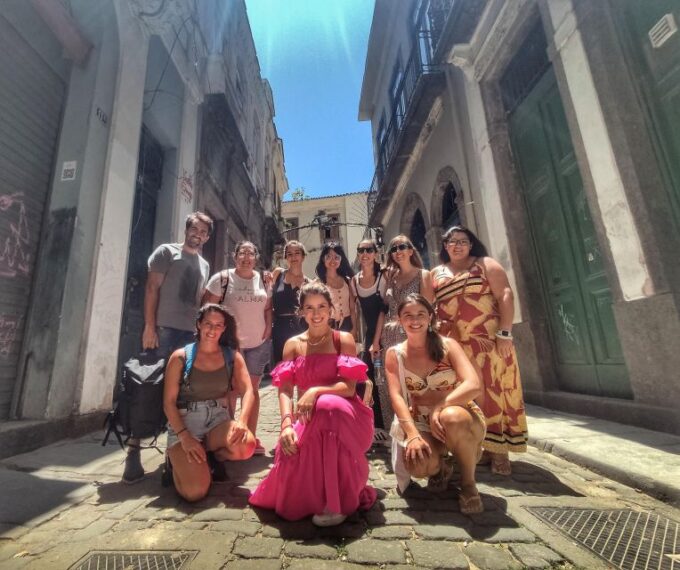
On weekends, the cobbled streets of Pedra do Sal come alive with the rhythmic beats of samba. This historic neighborhood hosts weekly samba parties that draw locals and visitors alike.
The festivities take place in the open-air, with musicians and dancers performing traditional samba styles. Onlookers can enjoy the lively atmosphere, tapping their feet and soaking in the vibrant cultural heritage.
These street parties showcase the resilience and pride of Afro-Brazilian communities, who’ve long used samba as a means of expression and resistance. Participants can enjoy the sights, sounds, and flavors that make this neighborhood a hub of Afro-Rio culture.
Tour Accessibility and Restrictions
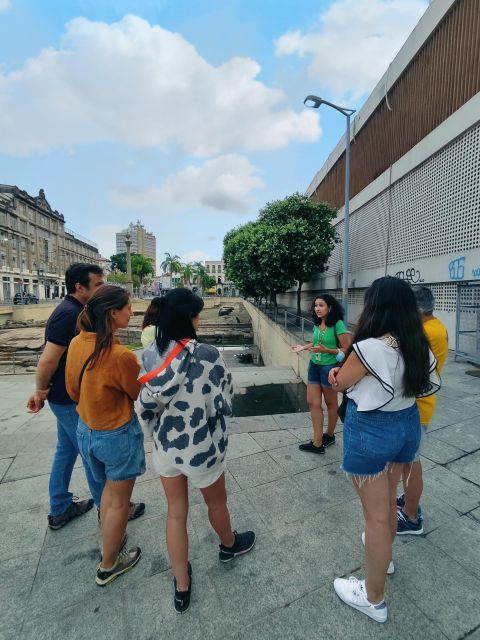
While the weekly samba street parties in Pedra do Sal are a highlight for many visitors, the tour has some accessibility restrictions to be aware of. The tour isn’t suitable for those with mobility impairments, as the walking component is extensive.
Plus, visitors aren’t allowed to bring high-heeled shoes or large bags. This is to ensure the safety and comfort of all participants.
The tour also doesn’t include hotel pickup or drop-off, nor any food or drinks. Guests should plan accordingly.
The tour’s accessibility policies prioritize the enjoyment and well-being of all attendees.
- Not suitable for people with mobility impairments
- No high-heeled shoes or large bags allowed
- No hotel pickup or drop-off
- No food and drinks included
Frequently Asked Questions
How Many Participants Are Typically in the Tour Group?
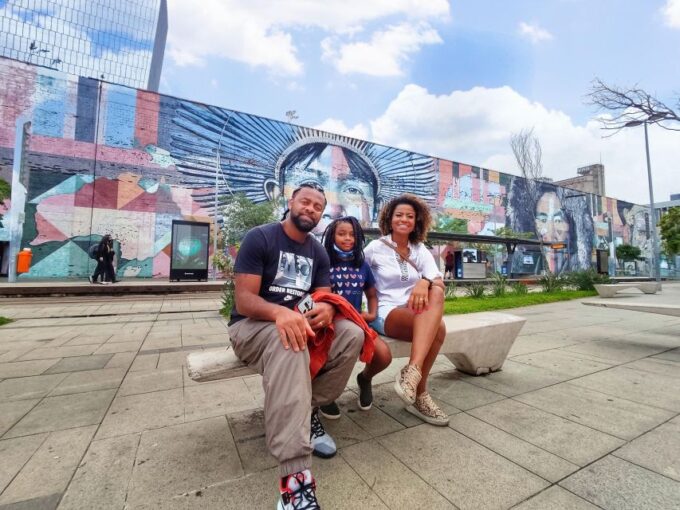
The tour group size is typically small, with a maximum of 15 participants. This allows for a more intimate and interactive experience during the walking tour through the historical Afro-Rio de Janeiro neighborhoods.
Is the Tour Offered in Multiple Languages?
The tour is offered in multiple languages, including English and Portuguese, allowing participants from different backgrounds to fully engage with and enjoy the Afro-Brazilian cultural experience.
Can I Bring My Own Food and Drinks on the Tour?
No, visitors cannot bring their own food and drinks on the tour. The inclusions only cover entry tickets and transportation, and do not include any food or beverages. Participants must purchase refreshments separately during the tour.
Is There an Age Limit or Minimum Age Requirement for the Tour?
The tour doesn’t have an age limit or minimum age requirement. It’s suitable for all ages, though the walking tour may not be appropriate for young children or those with mobility issues. Participants should be able to navigate the tour comfortably.
What Is the Cancellation and Refund Policy for This Tour?
This tour has a free cancellation policy up to 24 hours in advance. Customers can receive a full refund if they cancel their booking within this time frame. The tour does not offer any refunds for last-minute cancellations.
Pedra Do Sal – Samba and Resistance
Recap
Pedra Do Sal remains a vital hub for Afro-Brazilian culture, where the rhythms of samba echo the resilience of those who fought for freedom and self-expression. This sacred site continues to host weekly street parties, Carnival celebrations, and serve as a gathering place for the community, preserving the rich traditions and identity of the Afro-Brazilian people. Pedra Do Sal stands as a symbol of the unwavering spirit that has endured through generations.
You can check availability for your dates here:


