
Kyoto, the cultural heart of Japan, offers visitors a rare opportunity to enjoy the timeless practices of Zen meditation. At a private temple, a knowledgeable monk guides seekers through the fundamentals of this transformative discipline, teaching proper sitting posture and breathing techniques. As participants explore the art of mindfulness and inner stillness, they’ll discover a profound sense of calm and clarity, setting the stage for a deeper exploration of Kyoto’s rich cultural heritage. From serene tea ceremonies to captivating temple histories, this experience promises to leave an indelible mark on the soul.
Key Points
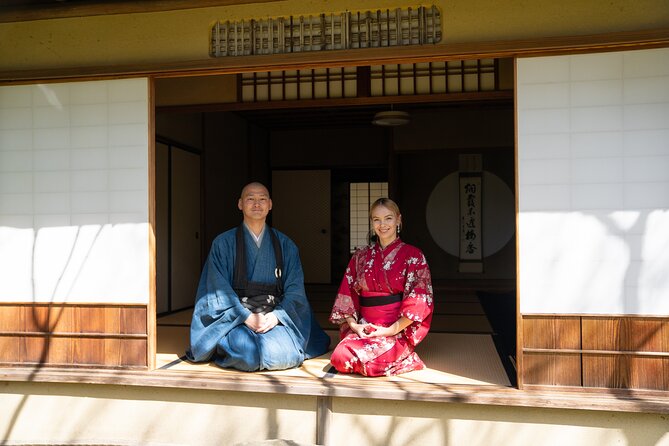
- Participants embark on an immersive Zen meditation experience at a private temple, guided by a knowledgeable monk.
- Emphasis is placed on mindfulness, presence, and inner stillness through proper sitting posture and breathing techniques.
- The tour provides a profound sense of calm and clarity during the silent meditation session.
- Visitors explore the historic Kodaiji Park, learning about the rich cultural heritage and architectural significance of the temples.
- The experience culminates with a serene matcha tea ceremony and sampling of traditional Japanese snacks, deepening the understanding of Kyoto’s refined tea culture.

👉 Check out our guide to the 5 Best Cruises And Boat Tours In Kyoto
Contents
- Key Points
- Experiencing Zen Meditation
- Exploring Kodaiji Park
- Discovering Temple History
- Matcha and Traditional Snacks
- Meeting the Tour Guide
- Guided Temple Tour
- Nene-no-michi Destination
- Booking and Cancellation Policy
- Frequently Asked Questions
- What Is the Dress Code for the Meditation Session?
- Can I Take Photographs During the Meditation?
- Are Vegetarian or Gluten-Free Options Available for the Snacks?
- Is There an Age Limit for Participating in the Tour?
- Can I Extend the Tour Duration for an Additional Fee?
- Recap
- Our Top Picks in Kyoto
- More Private Tours in Kyoto
- More Tour Reviews in Kyoto
- Not for you? Here's more things to do in Kyoto we have recnetly reviewed
Experiencing Zen Meditation
Participants embark on a serene journey to a private temple, where they’re welcomed by a knowledgeable monk who guides them through the fundamentals of Zen meditation.
The monk shares insights into the history and philosophy behind this ancient practice, emphasizing its focus on mindfulness, presence, and inner stillness. Guests learn proper sitting posture and breathing techniques, then engage in periods of silent meditation under the monk’s gentle instruction.
As they settle into the peaceful environment, participants experience a profound sense of calm and clarity, gaining a deeper understanding of Zen’s transformative potential.
The session concludes with a mindful tea ceremony, allowing everyone to savor the tranquility they’ve cultivated.
Want to keep it personal? More private experiences we love in Kyoto


Exploring Kodaiji Park
Typically, the tour begins in Kodaiji Park, a historic area in Kyoto’s Higashiyama district known for its old temple vibes and serene atmosphere. The tour guide waits for participants in front of the park’s restrooms, ready to lead them on an immersive journey through the area’s rich history and cultural heritage. Along the way, visitors will learn about the fascinating origins of the surrounding temples and shrines, all while soaking in the tranquil ambiance that permeates the space. The tour culminates at the Nene-no-michi, a scenic pathway that offers a peaceful conclusion to the experience.
| Highlights of Kodaiji Park | |||
|---|---|---|---|
| Historic Temples | Serene Atmosphere | Informative Guide | Scenic Recap |
| The park is home to several ancient temples, each with its own unique story. | The peaceful setting and lush greenery create a calming ambiance for visitors. | The knowledgeable guide provides valuable insights into the area’s history and culture. | The tour ends at the picturesque Nene-no-michi, leaving a lasting impression. |
Discovering Temple History
As the tour guide leads participants through the serene paths of Kodaiji Park, they unveil the captivating histories of the ancient temples that dot the landscape. Each structure holds a unique story, reflecting the rich cultural heritage of Kyoto’s Higashiyama district.
The tour delves into the origins of the Kodaiji Temple, founded in 1606 by Nene, the wife of the legendary warlord Toyotomi Hideyoshi.
The temple’s architectural design blends elements of Zen Buddhism and traditional Japanese aesthetics.
The symbolic significance of the carefully curated gardens is designed to evoke a sense of tranquility and contemplation.
The temple’s role as a center of learning and spiritual practice throughout the centuries.
The intriguing legends and anecdotes that have been passed down through generations of worshippers and devotees.
Matcha and Traditional Snacks
The tour culminates with a serene matcha tea ceremony and the sampling of traditional Japanese snacks, providing participants a chance to enjoy the refined flavors and customs of Kyoto’s tea culture.
Under the guidance of the monk, guests learn the proper way to prepare and drink matcha, a finely ground green tea powder whisked into a frothy brew.
Alongside the matcha, they’ll savor delicate wagashi, traditional confections made with natural ingredients like red bean paste and rice flour.
This intimate experience allows visitors to appreciate the artistry and attention to detail that characterizes Japanese tea ceremonies, leaving them with a deeper understanding of this centuries-old cultural tradition.
Meeting the Tour Guide
Visitors meet the tour guide in front of the toilet located within Kodaiji Park, a 17th-century area known for its old temple vibes. The guide, who patiently waits for the group, will lead the participants on a journey through the historic surroundings.
The meeting point offers several key benefits:
- Convenient location: The park’s central position makes it an easily accessible starting point.
- Distinct landmarks: The toilet and the park’s architecture provide recognizable meeting cues.
- Guidance from the expert: The tour guide’s presence ensures a smooth transition into the experience.
- Immersive atmosphere: The ancient temple ambiance sets the tone for the Zen meditation ahead.
With the guide ready to go, the group can look forward to delving deeper into Kyoto’s cultural treasures.


Guided Temple Tour
The guide leads participants along the historic streets, sharing insights about the area’s rich cultural heritage as they approach the private temple.
Visitors learn about the temple’s history, dating back to 1606, and how it embodies the serene Zen aesthetic. The guide points out architectural details and explains the significance of various elements, immersing the group in the temple’s tranquil atmosphere.
They explore the grounds, discovering hidden corners and marveling at the beautifully manicured gardens. Throughout the tour, the guide encourages participants to engage their senses, inviting them to fully enjoy the temple’s peaceful ambiance.
This guided exploration provides a deeper understanding of Kyoto’s cultural treasures and the enduring traditions of Zen Buddhism.
Nene-no-michi Destination
After exploring the temple’s grounds, the tour winds its way to the Nene-no-michi, a historic alleyway named after Nene, the wife of the renowned samurai Toyotomi Hideyoshi.
This quaint pedestrian street, with its traditional machiya townhouses and charming shops, offers a glimpse into Kyoto’s living heritage. Visitors can:
- Browse the artisanal shops showcasing local crafts and delicacies.
- Admire the well-preserved wooden architecture and picturesque lanes.
- Savor a refreshing matcha or sample traditional Japanese sweets.
- Immerse themselves in the peaceful atmosphere and leisurely ambiance.
The Nene-no-michi provides a perfect ending to the Zen meditation experience, allowing participants to fully absorb the tranquility and cultural essence of Kyoto.
Booking and Cancellation Policy
Participants receive a confirmation at the time of booking this Zen meditation experience with a monk in Kyoto.
Cancellation is possible up to 24 hours before the scheduled tour for a full refund, though the experience isn’t wheelchair accessible and accommodates a maximum of 9 travelers.
This policy provides flexibility for guests while also ensuring the tour operates smoothly with a small, intimate group.
The exclusion of wheelchair access should be noted, as it may limit accessibility for some participants.
Frequently Asked Questions
What Is the Dress Code for the Meditation Session?
The dress code for the meditation session is casual and comfortable. Participants are advised to wear loose, breathable clothing that allows for easy movement during the session. No special attire is required, as the focus is on the meditation experience.
Can I Take Photographs During the Meditation?
No, participants generally cannot take photographs during the meditation session. Most meditation experiences request participants to refrain from taking photos to maintain a quiet, distraction-free environment that allows for deeper focus and reflection during the practice.
Are Vegetarian or Gluten-Free Options Available for the Snacks?
Vegetarian and gluten-free options for the traditional Japanese snacks are available upon request. The tour provider accommodates various dietary needs, so participants should let them know about any restrictions when booking the experience.
Is There an Age Limit for Participating in the Tour?
There is no age limit for participating in this tour. The experience is open to travelers of all ages, though the minimum age for participation is not specified. Participants should be able to comfortably walk the tour route.
Can I Extend the Tour Duration for an Additional Fee?
Yes, guests can typically extend the tour duration for an additional fee. The tour provider may offer extended options or customized experiences that allow participants to spend more time at the temple or explore the area further.
Kyoto: Zen Meditation at a Private Temple With a Monk
“Amazing experience our guide was amazing and the ceremony was beautiful and the meditation was a wonderful experience”
Recap
Immersing oneself in Kyoto’s rich cultural heritage, one embarks on a transformative journey through Zen meditation, guided by a knowledgeable monk.
The experience offers a profound sense of calm and clarity, complemented by the serene beauty of Kodaiji Park and the history-laden temples.
Engaging in a matcha tea ceremony and savoring traditional Japanese snacks further enhances the authentic culture.


