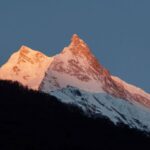
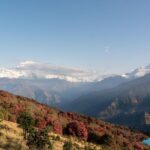
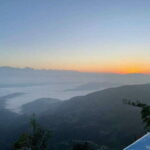
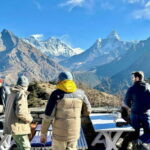
The Annapurna Base Camp trek is a renowned adventure that beckons outdoor enthusiasts to Nepal’s breathtaking Himalayan landscapes. Trekkers embark on a journey through diverse terrains, from lush forests to dizzying ascents, while marveling at the iconic peaks of Annapurna I and Machapuchare. Along the way, they enjoy the rich cultural tapestry of Gurung villages and Buddhist monasteries, creating a truly unforgettable experience. With meticulous planning and preparation, this trek offers a thrilling challenge for those seeking to push their limits and discover the natural and cultural wonders that make Nepal a premier destination for adventurers.
Good To Know
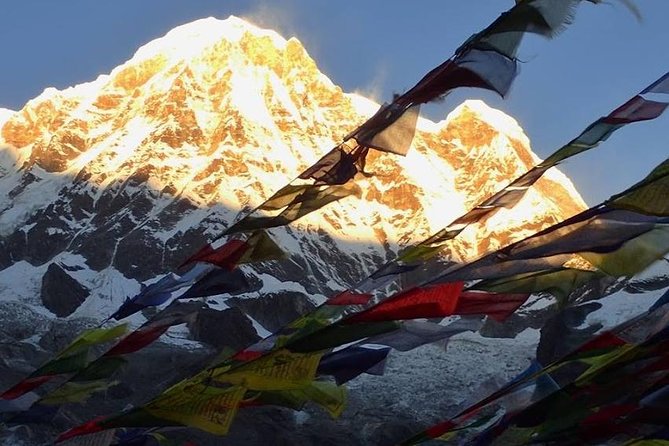
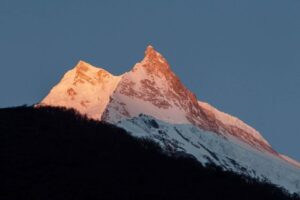
- The Annapurna Base Camp trek offers a classic Himalayan adventure with close-up views of Annapurna I (8091m) and Machapuchare (6997m).
- Trekkers can expect a culture in Gurung villages, encounters with Buddhist traditions, and opportunities to bond with fellow adventurers over shared meals.
- The trekking terrain traverses forested areas, river crossings, and high-altitude landscapes, requiring moderate physical fitness and proper gear.
- Experienced guides and porters provide support and expertise, ensuring a safe and memorable journey.
- Past trekkers have praised the exceptional organization, warm hospitality, and unforgettable vistas, cementing the Annapurna Base Camp trek as a must-do adventure.
👉 Check out our guide to the 2 Best Guided Tours In Jagat
Contents
- Good To Know
- Overview of the Trek
- Itinerary Highlights
- Trekking Terrain and Elevations
- Gear and Fitness Requirements
- Cultural Experiences
- Accommodation and Meals
- Safety and Logistics
- Past Trekkers’ Feedback
- Frequently Asked Questions
- What Are the Risks of Altitude Sickness During the Trek?
- Can I Purchase Trekking Gear While in Nepal?
- How Difficult Is It to Trek From Chhomrong to Annapurna Base Camp?
- Can I Extend or Shorten the Duration of the Trek?
- What Are the Visa Requirements for Traveling to Nepal?
- Sum Up
- Our Top Picks in Kathmandu
- More Hiking & Trekking Tours in Kathmandu
- More Tour Reviews in Kathmandu
- Not for you? Here's more things to do in Kathmandu we have recnetly reviewed
Overview of the Trek
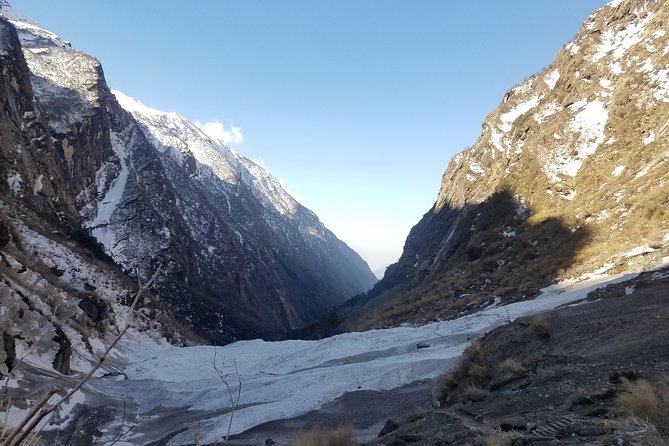
The Annapurna Base Camp Trek is a classic trekking route in Nepal, leading adventurers through the heart of the Annapurna Sanctuary.
This captivating journey offers close-up views of the towering Annapurna I (8091m) and the iconic Machapuchare (6997m), also known as the "Fishtail" mountain.
Trekkers are rewarded with 360-degree panoramas of the majestic Himalayas and the serene Annapurna Sanctuary.
Along the way, they’ll have the opportunity to enjoy the rich cultural heritage of the Gurung villages and experience the local Buddhist traditions.
The trek also includes a visit to the picturesque lakeside city of Pokhara, making it a well-rounded adventure in Nepal’s stunning mountain landscape.
Ready to hit more trails? More hiking adventures we feature in Kathmandu
Itinerary Highlights
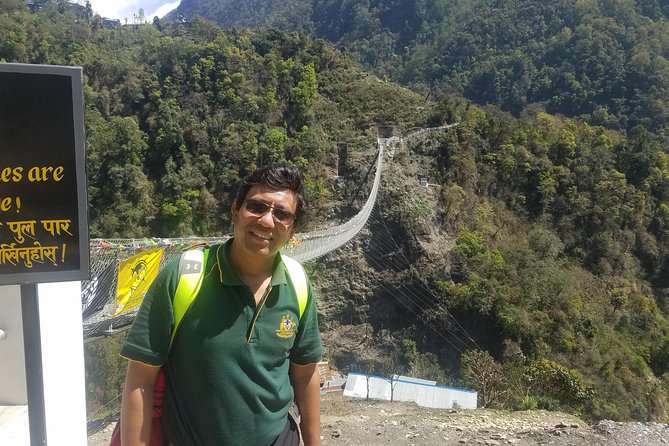
The Annapurna Base Camp trekking itinerary begins with travelers’ arrival in Kathmandu, where they’ll enjoy a welcome dinner and introduction to their trekking crew.
The next day, they’ll explore four UNESCO World Heritage sites in the capital.
Then, they’ll journey to the scenic lake city of Pokhara by tourist bus.
The core trekking days span from Nayapul to Annapurna Base Camp, with notable stops at Ulleri, Ghorepani, Poon Hill, Tadapani, Chhomrong, and Jhinu Hot Springs.
After reaching the base camp, trekkers will return to Kathmandu for a farewell dinner before their departure from Tribhuvan International Airport.
Trekking Terrain and Elevations
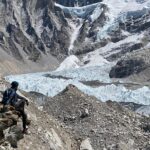
Along the Annapurna Base Camp trek, trekkers can expect to cover a range of elevations, from the lower villages at around 2,200 meters to the base camp itself at 4,130 meters.
The route includes several notable stops, such as Ulleri at 2,440 meters, Ghorepani at 2,860 meters, and Poon Hill at 3,210 meters.
The trek also involves traversing through forested areas and crossing rivers before reaching the high-altitude landscapes near the base camp.
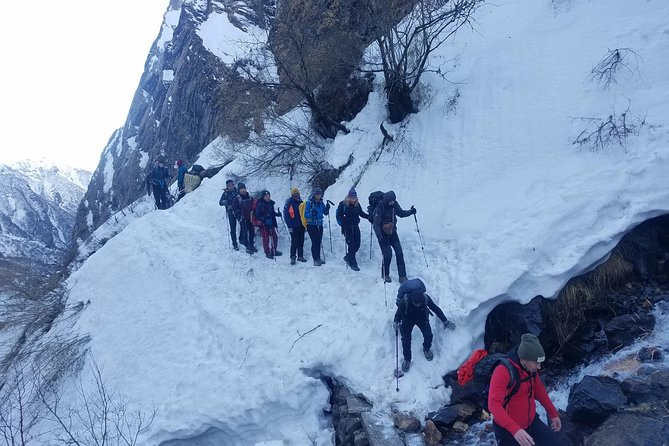
Trekkers should be prepared for the physical demands of the terrain, which can include steep ascents and descents.
The scenic views and cultural experiences, however, make the challenge well worth the effort.
Gear and Fitness Requirements
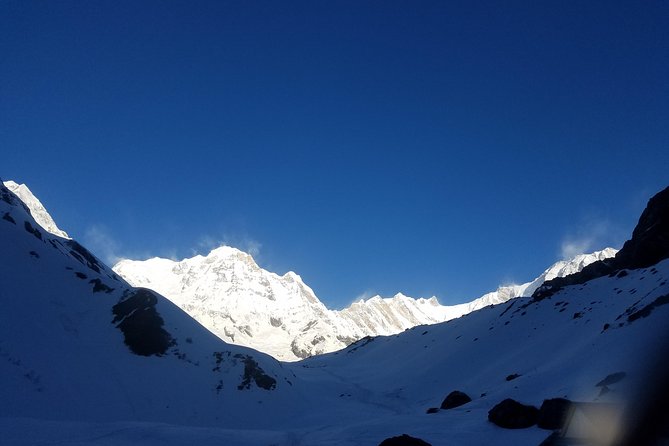
Prospective trekkers will need to ensure they’ve the proper gear and fitness level to undertake the Annapurna Base Camp trek.
The trek requires moderate physical fitness, as the daily elevations changes can be challenging. Pregnant travelers and those with serious medical conditions aren’t recommended for this trek.
Key gear includes:
- Warm, weatherproof layers for the changing mountain climate.
- Sturdy, broken-in hiking boots with good traction.
- Trekking poles to assist with the steep ascents and descents.
Plus, travel insurance is mandatory, as medical evacuation may be necessary in case of emergencies.
Cultural Experiences
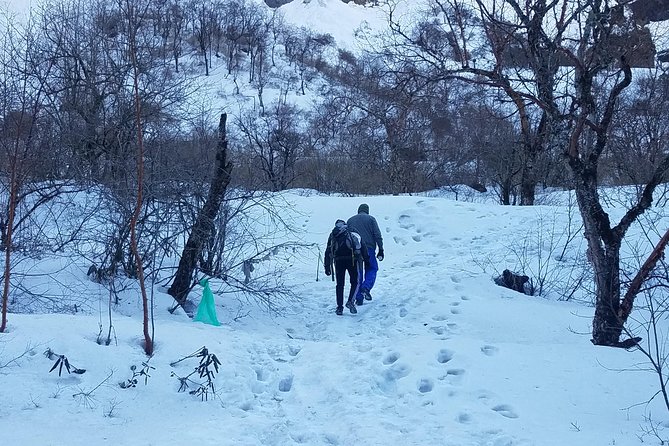
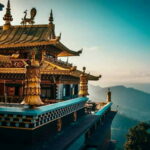
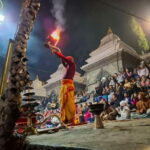
Beyond the physical demands, the Annapurna Base Camp trek offers immersive cultural experiences. Trekkers will encounter the vibrant Gurung villages, steeped in Buddhist traditions. They’ll witness ancient monasteries, prayer wheels, and chanting monks, providing insights into the local way of life. Interactions with friendly villagers offer further opportunities to learn about their customs and beliefs.
| Cultural Highlights | Description |
|---|---|
| Gurung Villages | Picturesque settlements showcasing traditional architecture and livelihoods |
| Buddhist Monasteries | Historic sites for prayer, meditation, and religious ceremonies |
| Local Interactions | Engaging with hospitable residents to understand their daily lives |
These cultural touchpoints enrich the trekking experience, fostering a deeper appreciation for the Himalayan region and its people.

Accommodation and Meals
During the Annapurna Base Camp trek, trekkers enjoy a range of accommodation options catering to their needs. The teahouses, or family-run lodges, along the route offer basic but comfortable rooms with beds, blankets, and shared bathroom facilities.
Meals are typically served in the communal dining areas, featuring Nepali staples like dal bhat (lentils and rice) as well as Western-style dishes. Trekkers can look forward to:
- Savoring authentic Nepali cuisine and sipping hot tea after a long day on the trail.
- Bonding with fellow trekkers over shared meals and exchanging stories.
- Experiencing the warm hospitality of the Gurung people who run the teahouses.
These accommodations and meals provide sustenance and camaraderie throughout the Annapurna Base Camp journey.
Safety and Logistics
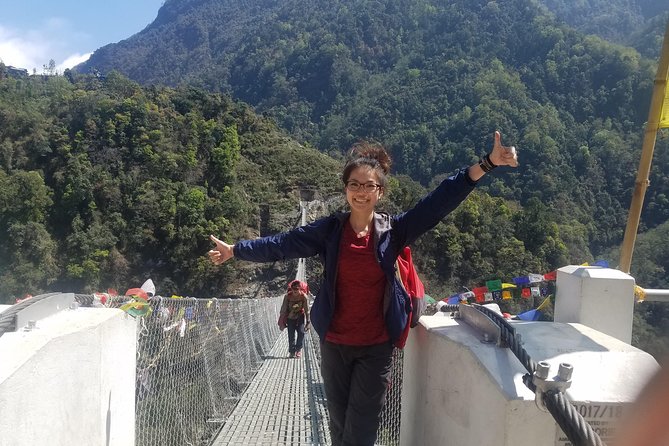
The safety and logistical considerations of the Annapurna Base Camp trek are paramount for ensuring a seamless and enjoyable experience. Proper acclimatization is crucial, and the trek’s elevation changes require careful monitoring.
Emergency medical support is available, though trekkers must purchase travel insurance. Porters carry supplies, and guides expertly navigate the terrain.
Accommodations range from basic tea houses to more comfortable lodges, with meals prepared by experienced cooks.
River crossings and weather conditions demand vigilance, but the trek’s organization mitigates risks. Proper preparation, including fitness and gear, enhances the adventure.
With the right precautions, trekkers can enjoy the stunning Himalayan scenery and Gurung culture.
Past Trekkers’ Feedback
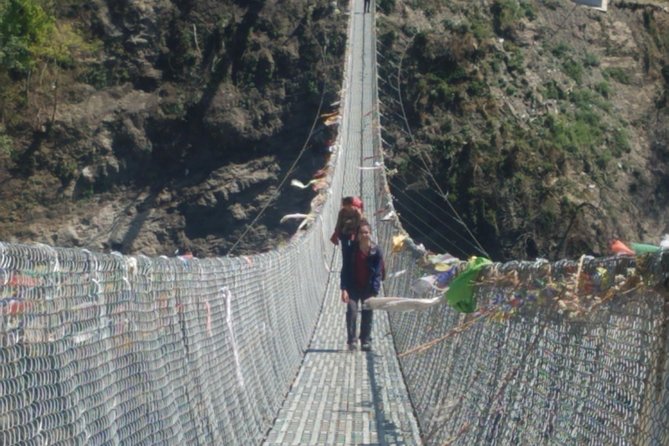
Garnering widespread acclaim, the Annapurna Base Camp trek has consistently received glowing reviews from past trekkers. With a 5-star rating across 7 reviews, the trek has been praised for its exceptional organization, warm hospitality, and immersive cultural experiences.
Trekkers have highlighted the unwavering support and adaptability of the guides, who navigated the challenging terrain with expertise.
The trek’s standout features include:
- Unforgettable vistas of the majestic Annapurna range and the serene Annapurna Sanctuary.
- Engaging interactions with the friendly Gurung communities and their vibrant Buddhist traditions.
- An unparalleled sense of achievement in reaching the awe-inspiring Annapurna Base Camp.
These glowing testimonials underscore the Annapurna Base Camp trek’s status as a must-do adventure for outdoor enthusiasts.
Frequently Asked Questions
What Are the Risks of Altitude Sickness During the Trek?
The risk of altitude sickness increases as trekkers ascend to higher elevations, reaching its peak at Annapurna Base Camp (4,130m). Symptoms like headaches, nausea, and fatigue can develop, requiring immediate descent to avoid potentially life-threatening complications.
Can I Purchase Trekking Gear While in Nepal?
Yes, you can purchase trekking gear while in Nepal. Many outdoor outfitters in Kathmandu and Pokhara offer a wide range of high-quality hiking equipment, from boots and backpacks to jackets and trekking poles, at affordable prices.
How Difficult Is It to Trek From Chhomrong to Annapurna Base Camp?
The trek from Chhomrong to Annapurna Base Camp is moderately challenging, with steep ascents and descents. It’s crucial to maintain a steady pace, stay hydrated, and acclimatize properly to handle the high elevation and strenuous terrain.
Can I Extend or Shorten the Duration of the Trek?
Yes, the duration of the Annapurna Base Camp trek can be extended or shortened. Trekkers can add or remove days based on their fitness level and desired pace. However, changes may impact the overall itinerary and experience.
What Are the Visa Requirements for Traveling to Nepal?
Foreign travelers to Nepal typically require a tourist visa, which can be obtained prior to arrival or upon entry at Tribhuvan International Airport. Visa requirements vary by nationality, and multiple-entry visas are available for extended stays.
Adventurous Annapurna Base Camp Trekking
“Everything from start to end was well planned by our guide Raj and the company. The trek was enjoyable with many laughters and fun along the way. A…”
Sum Up
The Adventurous Annapurna Base Camp Trekking offers a captivating journey through Nepal’s stunning Himalayan landscapes, culminating at the awe-inspiring Annapurna Base Camp. Trekkers will experience diverse terrains, from lush forests to steep ascents, while enjoying panoramic views of iconic peaks. Cultural immersion in charming Gurung villages and encounters at Buddhist monasteries further enrich this must-do adventure for outdoor enthusiasts seeking both natural beauty and cultural depth.