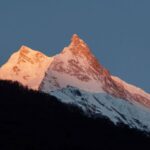
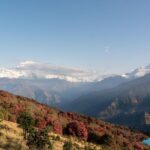
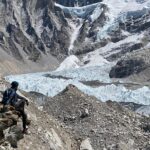
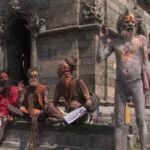
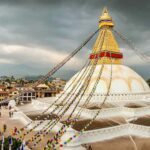
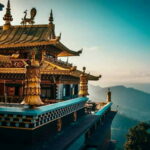
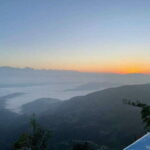
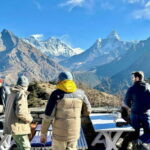
Embarking on the 14-Day Everest Base Camp Trek is a once-in-a-lifetime opportunity to take in the majestic Himalayan landscape and vibrant Sherpa culture. This all-inclusive journey promises an unforgettable adventure, with experienced local guides leading the way to iconic landmarks like Everest Base Camp and Kala Patthar. Carefully planned to ensure a safe and enriching experience, the trek features acclimatization days and cultural engagement, allowing trekkers to fully appreciate the awe-inspiring natural wonders and heritage of the region. As you prepare to embark on this remarkable exploration, the question remains: what hidden gems and unexpected discoveries await you along the way?
Good To Know
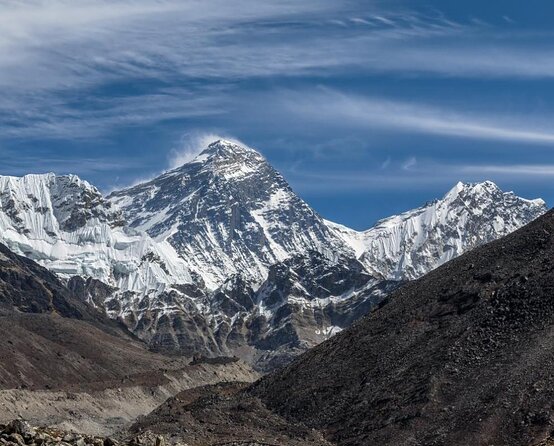
- The 14-day Everest Base Camp Trek is an all-inclusive, small-group expedition that takes trekkers to the world’s highest mountain base camp at 5,365 meters.
- The trek features visits to high-altitude Sherpa villages, immersion in Buddhist culture, and opportunities to trek to Kala Patthar at 5,555 meters.
- Trekkers should be prepared with essential items such as proper trekking boots, warm layers, and hydration equipment, and be aware of altitude considerations.
- The trek is led by experienced local Sherpa guides who provide valuable insights into the local culture and history, and porters who carry the bulk of the trekking gear.
- The booking process is straightforward, requiring basic information and a deposit to secure a spot on the trek, with the tour operator handling all logistics and permits.
👉 Check out our guide to the 2 Best Guided Tours In Jagat
Contents
- Good To Know
- Trek Overview
- Itinerary Highlights
- Packing Essentials
- Altitude Considerations
- Cultural Immersion
- Safety and Health
- Guide and Porters
- Booking Information
- Frequently Asked Questions
- Can I Bring My Own Trekking Equipment?
- Is There Cellular Network Coverage During the Trek?
- How Much Spending Money Should I Bring?
- Is Travel Insurance Required for the Trek?
- Can I Extend My Stay in Nepal After the Trek?
- Sum Up
- Our Top Picks in Kathmandu
- More Hiking & Trekking Tours in Kathmandu
- More Tour Reviews in Kathmandu
- Not for you? Here's more things to do in Kathmandu we have recnetly reviewed
Trek Overview
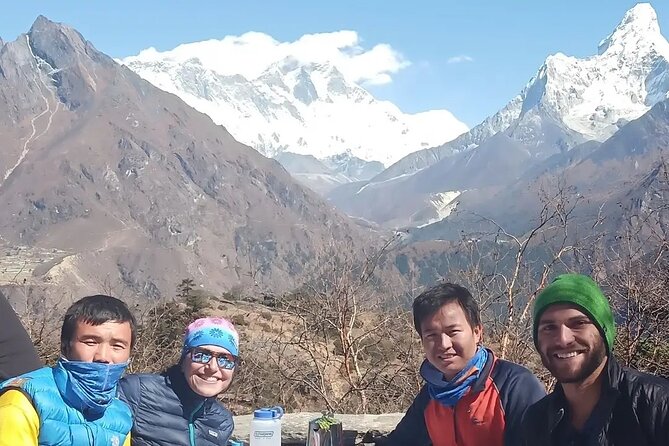
The 14-day Everest Base Camp Trek is a small-group, all-inclusive excursion that takes adventurers on a captivating journey to the renowned base camp of the world’s highest mountain.
Participants will visit high-altitude Sherpa villages, enjoy Buddhist culture, and experience Nepali hospitality.
The trek includes domestic flights, a trekking guide and porters, most meals, a trekking permit, and accommodation.
With 5 reviews and a 5.0/5 rating, this trek offers an unforgettable experience for those seeking to conquer one of the most iconic destinations in the world.
Ready to hit more trails? More hiking adventures we feature in Kathmandu
Itinerary Highlights
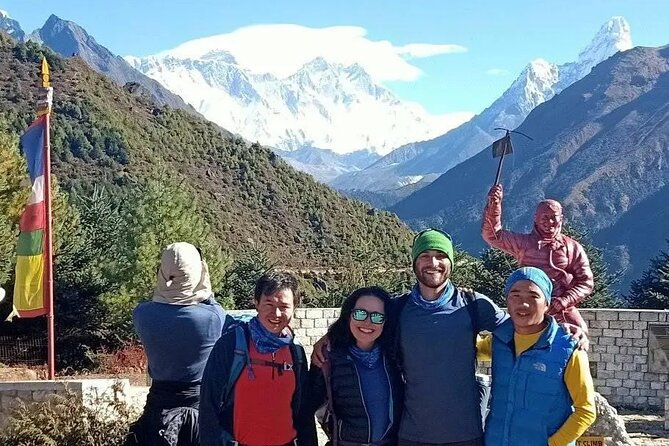
This 14-day Everest Base Camp Trek follows a well-curated itinerary, taking adventurers on a captivating journey through the Himalayas.
The trek begins with a flight to Lukla and a hike to Phakding, followed by a challenging ascent to Namche Bazaar.
The itinerary includes:
- An acclimatization day in Namche Bazaar to adjust to the high altitude.
- Trekking through picturesque villages to reach Tengboche, Dingboche, and Lobuche.
- The highlight, a trek to the iconic Everest Base Camp (5,365 m) and the breathtaking Kala Patthar (5,555 m).
- The return journey, descending through Pheriche, Namche Bazaar, and Lukla, before the final flight back to Kathmandu.
Packing Essentials
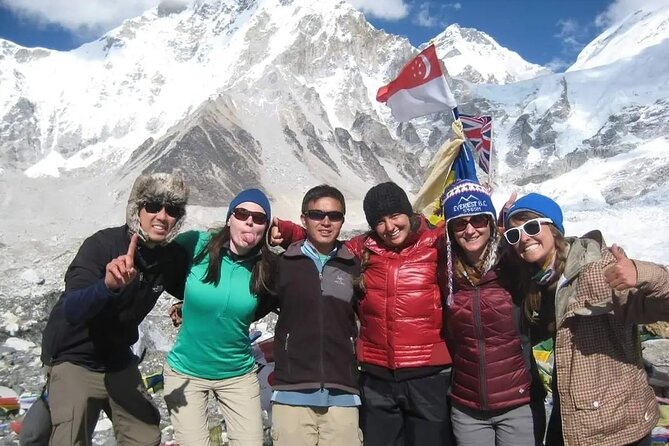
Preparing for the Everest Base Camp trek requires thoughtful packing to ensure comfort and safety throughout the journey. Proper trekking boots, warm layers, and rain/wind protection are essential.
Hydration and snacks are crucial on the trail. Toiletries, first-aid kit, and personal medications should be packed. A headlamp or flashlight, power bank, and camera gear are valuable additions.
Trekkers should also bring local currency, identification, and copies of important documents. While porters carry the bulk of the gear, each trekker is responsible for their own daypack.
Altitude Considerations
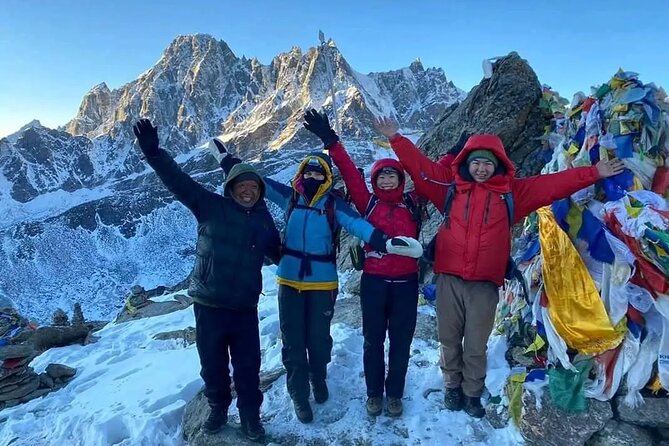
As trekkers embark on the Everest Base Camp journey, they must be mindful of the heightened altitude they’ll encounter. The trek reaches elevations up to 5,555 meters (18,208 feet), putting significant strain on the body.
To manage this, trekkers should:
- Acclimatize gradually by taking rest days to allow their bodies to adjust to the thin air.
- Stay hydrated and consume a high-calorie diet to maintain energy levels.
- Monitor for symptoms of altitude sickness and be prepared to descend if necessary.
- Carry supplemental oxygen and know how to use it in case of emergency.
Careful attention to altitude-related concerns will ensure a safe and successful Everest Base Camp trek.
Cultural Immersion
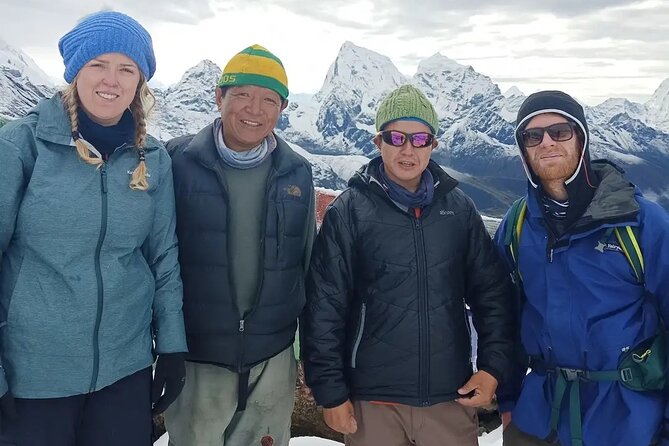
Alongside the physical trek, the Everest Base Camp experience offers a rich culture.
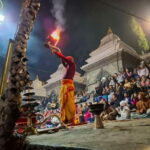
Travelers will have the opportunity to visit high-altitude Sherpa villages and engage with the local Buddhist traditions. From witnessing colorful prayer flags and monasteries to observing spiritual rituals, the journey provides unparalleled insights into the vibrant Nepali culture.
Trekkers will also savor the renowned Nepali hospitality, enjoying meals prepared by friendly locals and experiencing the warmth of the Himalayan communities.
This cultural exposure enhances the overall trekking adventure, allowing participants to fully enjoy the captivating essence of the Everest region.


Safety and Health
Safety and health are paramount considerations for the Everest Base Camp trek. Trekkers must be prepared to handle the challenges of high-altitude environments, including reduced oxygen levels, extreme weather, and potential altitude sickness.
The trekking company provides necessary safety measures, including:
- Experienced guides and porters who monitor trekkers’ well-being and can administer first aid.
- Availability of supplemental oxygen and emergency medical evacuation procedures in case of emergencies.
- Thorough pre-trek health screenings and recommendations for proper acclimatization.
- Guidance on proper hydration, nutrition, and rest to maintain physical and mental well-being during the trek.
Guide and Porters
The Everest Base Camp trek is led by experienced and knowledgeable guides who are well-versed in the terrain and capable of ensuring the safety and well-being of trekkers.
These guides are local Sherpas, highly skilled mountaineers who’ve spent their lives in the Himalayas. They not only lead the way but also provide valuable insights into the local culture and history.
Porters, typically Nepali or Tibetan locals, carry the bulk of the trekking gear, allowing participants to focus on the trek itself.
Both guides and porters are essential to the success of the Everest Base Camp expedition, ensuring a smooth and enjoyable experience for all.
Booking Information
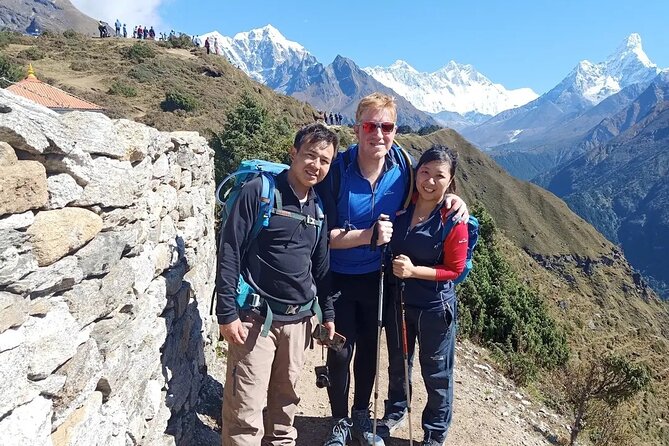
Booking the Everest Base Camp trek is straightforward. To reserve your spot, you’ll need to provide some basic information and make a deposit. The tour operator will handle all the logistics, from flights to permits.
Here’s what the booking process typically entails:
- Choose your preferred departure date and group size.
- Submit your personal details, such as your name, passport information, and emergency contact.
- Pay the required deposit to secure your spot.
- Receive confirmation of your booking and information about the next steps.
The tour operator will take care of the rest, ensuring a seamless and enjoyable trek to Everest Base Camp.
Frequently Asked Questions
Can I Bring My Own Trekking Equipment?
Yes, trekkers can bring their own trekking equipment. The trek package includes the necessary gear, but personal equipment like hiking boots, backpacks, and clothing can be brought to ensure comfort and familiarity during the trek.
Is There Cellular Network Coverage During the Trek?
There is limited cellular network coverage during the Everest Base Camp trek. Reception is spotty at best, with a few areas providing more reliable coverage. Trekkers should expect to have limited connectivity for the majority of the journey.
How Much Spending Money Should I Bring?
The amount of spending money you’ll need depends on your personal expenses, but a general recommendation is to bring around $10-15 per day for snacks, water, and any incidentals during the Everest Base Camp trek.
Is Travel Insurance Required for the Trek?
Travel insurance is not strictly required for this Everest Base Camp trek, but it’s highly recommended. It can cover medical expenses, trip cancellations, and emergencies that may arise during the high-altitude trek.
Can I Extend My Stay in Nepal After the Trek?
Yes, you can extend your stay in Nepal after the Everest Base Camp trek. Many trekkers choose to explore other parts of the country, such as Kathmandu, Pokhara, or Chitwan National Park, to further enjoy Nepali culture and scenery.
14 Days Everest Base Camp Trek
“Me and my family went to EBC and it was such an wonderful experience. Special thanks to bishal for taking care of everything. He is a brilliant as …”
Sum Up
The 14-Day Everest Base Camp Trek offers a once-in-a-lifetime opportunity to take in the grandeur of the Himalayas. From iconic landmarks to vibrant Sherpa culture, this expertly-guided trek promises an unforgettable adventure amidst breathtaking landscapes. With careful planning and safety protocols in place, trekkers can embark on this high-altitude journey, emerging with lasting memories and a deeper appreciation for the wonders of Nepal’s majestic mountains.