
Nestled in Colombia’s northern coast, the town of Palenque holds a remarkable history. Founded in the 17th century by escaped slaves, it’s now a vibrant Afro-Colombian community celebrated for its unique Creole language and rich cultural heritage. Palenque’s traditional music styles are integral to its celebrations and rituals, reflecting the resilience of its people and their African roots. As a significant cultural center, the town offers visitors an immersive experience into its storied past and present-day communal practices. Uncovering the layers of Palenque’s distinctive identity proves a captivating journey for those eager to discover its enduring legacy.
Key Points
-
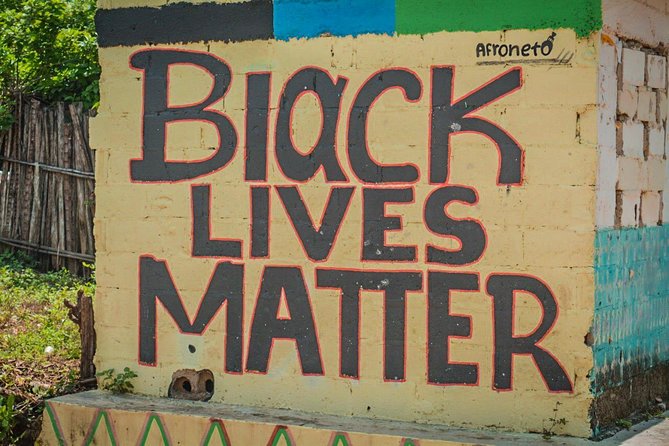
Palenque is a historic Afro-Colombian community established in the 17th century by escaped slaves, serving as a fortified cultural refuge.
-
The Palenquera language combines a Spanish lexical base with Bantu grammar, reflecting the community’s African roots and history as a sanctuary.
-
Music is essential to Palenquero cultural celebrations, with vibrant styles like "sitting Bullernege" and "Son palenquero" deeply rooted in African heritage.
-
Palenque’s community practices, such as traditional healing and cooperative work groups, foster a strong sense of unity and cultural preservation.
-
Visitors can experience Palenque’s rich cultural heritage through immersive tours, including local cuisine and insights into the community’s centuries-old traditions.

👉 Check out our guide to the 15 Best Canoe And Kayak Experiences In Cartagena
Contents
- Key Points
- History of Palenque
- Linguistic Heritage
- Musical Traditions
- Cultural Celebrations
- Community Practices
- Visitor Experiences
- Logistical Considerations
- Traveler Tips
- Frequently Asked Questions
- How Does the Community Maintain Its Independence and Self-Governance?
- What Economic Activities Sustain the Residents of Palenque?
- Are There Any Plans for Future Development or Preservation Initiatives?
- How Does the Community Address Modern Challenges While Preserving Traditions?
- What Is the Role of Women in the Leadership and Decision-Making of Palenque?
- Recap
- Our Top Picks in Cartagena
- More Tour Reviews in Cartagena
- Not for you? Here's more things to do in Cartagena we have recnetly reviewed
History of Palenque
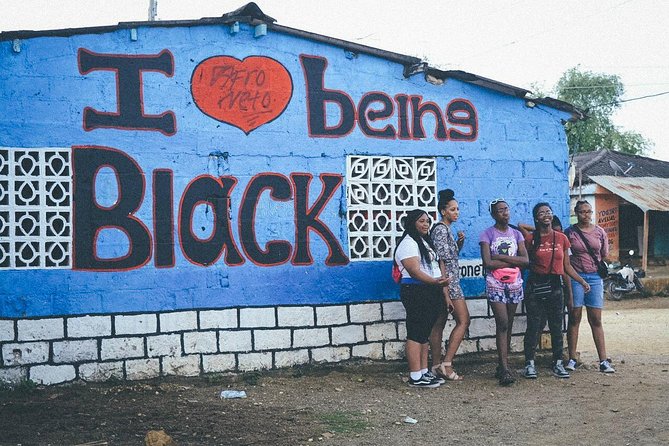
The origins of Palenque de San Basilio can be traced to the 17th century, when it was established by those who’d escaped the shackles of slavery.
As a fortified community, Palenque served as a refuge for runaway slaves, providing a sanctuary where they could preserve their cultural heritage.
Over time, the settlement evolved, developing a unique Creole language and vibrant musical traditions that continue to this day.
Despite the challenges of the past, Palenque has endured, standing as a testament to the resilience and ingenuity of its founders.
Today, this historic community remains an important center of Afro-Colombian culture, offering visitors a glimpse into its remarkable history and traditions.
You can also read our reviews of more tours and experiences in Cartagena.


Linguistic Heritage
One of Palenque de San Basilio’s most distinctive features is its Palenquera language, a Creole tongue that combines a Spanish lexical base with Bantu grammatical elements.
This linguistic heritage reflects the community’s African roots and its history as a refuge for escaped slaves. The Palenquera language remains an integral part of the cultural identity and daily life in Palenque, with its unique pronunciation, syntax, and vocabulary used in both formal and informal settings.
This rich linguistic diversity is a testament to the resilience and adaptability of the Palenquero people, who’ve preserved their linguistic and cultural traditions despite centuries of oppression and displacement.
Musical Traditions
Music plays a vital role in the cultural celebrations and daily life of Palenque de San Basilio. The community’s rich musical traditions include "sitting Bullernege," "Son palenquero," and "Son de negro." These styles are deeply rooted in African heritage and are integral to events like baptisms, weddings, and religious ceremonies.
| Musical Style | Description |
|---|---|
| "Sitting Bullernege" | A rhythmic, percussive style with African influences |
| "Son palenquero" | A lively, syncopated sound that blends African and Spanish elements |
| "Son de negro" | A genre that celebrates the African ancestry and identity of the Palenqueros |
| Community Celebrations | Music is essential for marking significant life events and cultural festivities |
Palenque’s musical traditions are a vibrant expression of its centuries-old African roots and a testament to the resilience of its people.
Cultural Celebrations
Woven throughout the cultural fabric of Palenque de San Basilio are vibrant celebrations that honor the community’s African heritage.
From baptisms to weddings, these events are infused with the rhythmic beats of traditional musical styles like "sitting Bullernege," "Son palenquero," and "Son de negro." The pulsing melodies and soulful lyrics are the heartbeat of the community, connecting the past to the present.
These celebrations aren’t merely social gatherings but rather sacred rituals that preserve the unique identity and ancestral traditions of the Palenque people.
Through music, dance, and shared experiences, the community reaffirms its resilience and cultural pride.
Community Practices
Embedded within the social fabric of Palenque de San Basilio are intricate community practices that preserve the collective identity of its residents.
The community maintains a strong sense of unity through various traditions, including:
- Traditional healing practices that rely on herbal remedies and spiritual rituals
- Cooperative work groups known as "falanges" that assist with tasks like house construction and agricultural labor
- The Palenquera language, a Creole dialect that serves as a unifying force and a link to the community’s African heritage
- Communal celebrations like baptisms, weddings, and religious events that feature unique musical styles and dances
- Oral histories and storytelling that transmit the community’s rich history and cultural values across generations.


Visitor Experiences
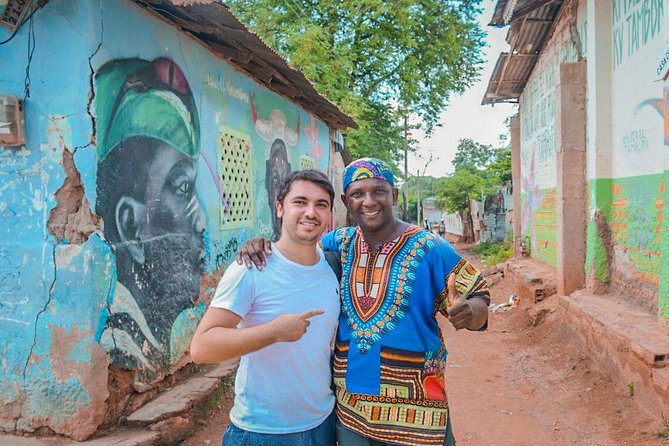
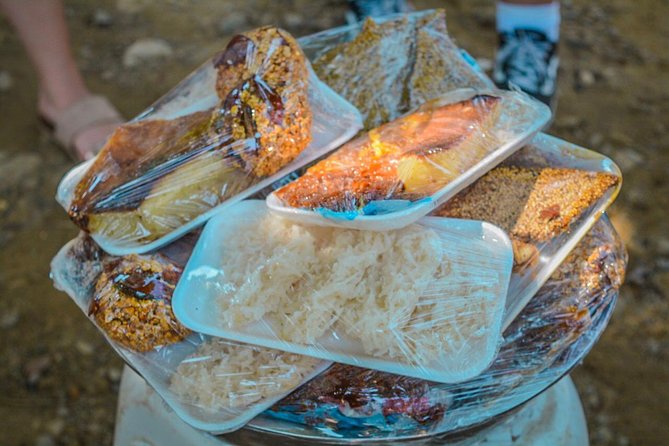
For visitors to Palenque de San Basilio, the tour experience provides an immersive glimpse into the community’s vibrant cultural heritage. The tour includes a luncheon featuring local dishes and alcoholic beverages, with pickup available from various locations in Cartagena. While the experience lasts approximately 2 hours, visitors should have a moderate level of physical fitness, as the tour is not wheelchair accessible.
| Logistics | Positive Feedback | Negative Feedback |
|---|---|---|
| 2-hour duration | Knowledgeable guides | Comfort of transportation |
| Pickup from Cartagena | Enriching cultural experiences | Cleanliness and amenities |
| Moderate physical fitness required | – | Issues on weekends |
Despite some logistical challenges, many reviewers recommend the tour for its educational value and connection to African heritage in Palenque de San Basilio.
Logistical Considerations
When planning a visit to Palenque de San Basilio, travelers should consider several logistical factors. The tour lasts approximately 2 hours and includes lunch and alcoholic beverages, with pickup available from various locations in Cartagena.
However, reviewers have highlighted some issues, such as the need for better amenities and transportation comfort, particularly on weekends. Visitors are advised to have a moderate physical fitness level, as the tour isn’t wheelchair accessible.
To enhance the experience, travelers should:
- Bring small bills in Colombian pesos for tips and restroom usage
- Wear sunscreen and hats due to the hot climate
- Expect mixed reviews on facilities and transportation
- Be prepared for potential logistical challenges, especially on peak days
- Consider the tour’s educational value and culture despite the logistics
Traveler Tips
To make the most of a visit to Palenque de San Basilio, travelers should come prepared.
Wear comfortable clothing and walking shoes, as the tour involves some walking. Bring small bills in Colombian pesos for tips and restroom usage. Sunscreen and hats are essential due to the hot climate.
Visitors should also be aware that the tour isn’t wheelchair accessible, so a moderate level of physical fitness is required.
While the cultural experience is highly enriching, some travelers have noted the need for improvements in transportation comfort and facilities, particularly on weekends.
Keeping these tips in mind can help ensure a more enjoyable and authentic visit to this unique Afro-Colombian community.
Frequently Asked Questions
How Does the Community Maintain Its Independence and Self-Governance?
The community maintains its independence and self-governance through its unique cultural practices, including the Palenquera language, traditional music, and community-based decision-making. This allows them to preserve their African heritage and autonomy within the larger Colombian context.
What Economic Activities Sustain the Residents of Palenque?
The residents sustain themselves through a mix of agriculture, handicrafts, and small businesses. They also benefit from tourism, which provides income and exposure for the community’s unique cultural heritage and traditions.
Are There Any Plans for Future Development or Preservation Initiatives?
Though no specific future development plans have been announced, efforts are underway to preserve Palenque de San Basilio’s unique cultural heritage, including its Creole language, music, and traditions passed down from its origins as a refuge for escaped slaves.
How Does the Community Address Modern Challenges While Preserving Traditions?
The community balances preserving traditions with addressing modern challenges through adapting cultural practices, investing in infrastructure, and leveraging tourism to generate income while maintaining the unique identity and heritage of Palenque de San Basilio.
What Is the Role of Women in the Leadership and Decision-Making of Palenque?
Women play a vital role in Palenque’s leadership and decision-making, serving as community leaders, healers, and custodians of cultural traditions. Their voices are integral to preserving the unique heritage and guiding the community’s future.
Palenque
“Great experience learing the history of Palenque. We learned about their culture, music, way of life, their language, medicinal practices, and spir…”
Recap
Palenque stands as a resilient Afro-Colombian community, preserving its rich cultural heritage. Its unique Creole language and vibrant musical traditions reflect the community’s resilience and connection to its African roots. Visitors can enjoy Palenque’s history, celebrations, and communal practices, gaining a deeper understanding of this significant cultural center and the resilience of its people.


