
Towering above Rome’s modern skyline, the ancient aqueducts stand as silent witnesses to the city’s illustrious past. These engineering marvels, built centuries ago, played a vital role in sustaining the bustling metropolis, transporting water from distant sources. Yet, their significance extends beyond mere utility, as these structures have been repurposed and integrated into the fabric of the city over time. Exploring the aqueducts offers a unique glimpse into Rome’s rich history, where the past and present converge, inviting visitors to uncover the stories that lie within their weathered walls.
Key Points
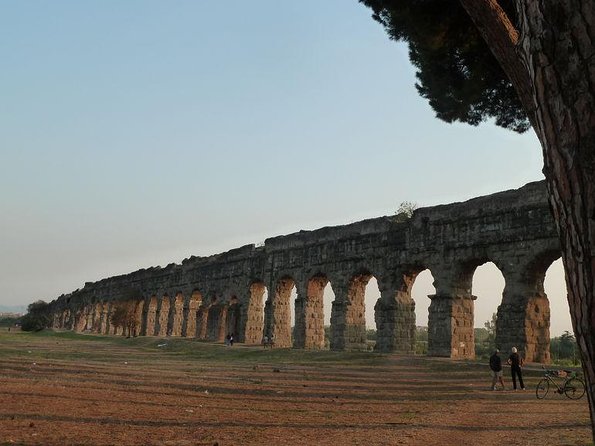
- The impressive scale and engineering prowess of ancient Roman aqueducts, including the Acquedotto Marcio from 144 BC, are showcased in the Parco degli Acquedotti.
- Aqueducts were vital for water supply in Rome, transporting water from distant sources, and have since been repurposed for various uses over time.
- The Parco degli Acquedotti offers a serene and tranquil environment for visitors to explore the captivating remnants of these ancient structures and learn about their rich history.
- Acquedotto Marcio, at 91 km long, is an exemplary achievement of Roman engineering and represents the enduring legacy of the city’s water transport infrastructure.
- The tour of the Parco degli Acquedotti is accessible, inclusive, and provides a convenient snack break, allowing a wide range of visitors to experience the aqueduct ruins.

👉 Check out our guide to the 20 Best 2 Day Tours In Rome
Contents
- Key Points
- Exploring the Aqueduct Ruins
- Unveiling the Aqueduct’s History
- Repurposing the Aqueduct Over Time
- Experiencing the Parco Degli Acquedotti
- Discovering Acquedotto Marcio’s Past
- Enjoying the Serene Atmosphere
- Tour Logistics and Accessibility
- Traveler Reviews and Feedback
- Frequently Asked Questions
- How Do I Reach the Meeting Point From Central Rome?
- Can I Bring My Own Snacks on the Tour?
- Are There Any Height Restrictions for the Tour?
- Can I Extend the Tour Duration if I Need More Time?
- Is the Tour Offered in Languages Other Than English?
- Recap
- Our Top Picks in Rome
- More Tour Reviews in Rome
- Not for you? Here's more things to do in Rome we have recnetly reviewed
Exploring the Aqueduct Ruins
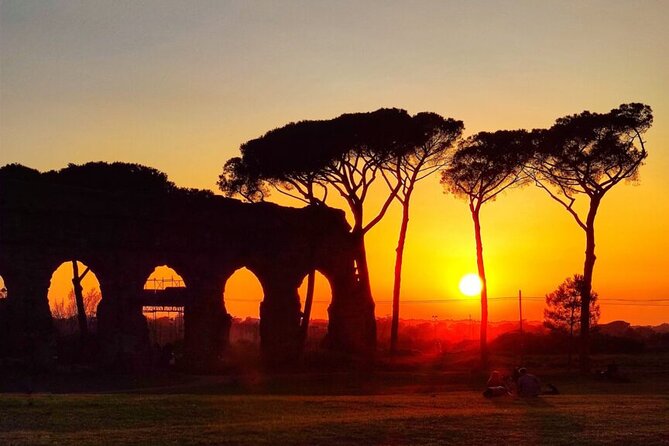
As visitors explore the ancient aqueduct ruins, they’ll be struck by the sheer scale and engineering prowess of these structures that once carried water across the Roman landscape.
Spanning seven aqueducts in a small area, the Parco degli Acquedotti offers a unique opportunity to marvel at these architectural wonders. The centerpiece, the Acquedotto Marcio, dates back to 144 BC and was in use until relatively recently.
Wandering amidst the weathered arches, visitors can imagine the bustling lives of ancient Romans, slaves, and workers who maintained these vital waterways.
Beyond their historical significance, the aqueducts have been repurposed over the centuries, from quarries to catacombs, and now even serve as mushroom cultivation sites, showcasing their enduring legacy.
You can also read our reviews of more tours and experiences in Rome.


Unveiling the Aqueduct’s History
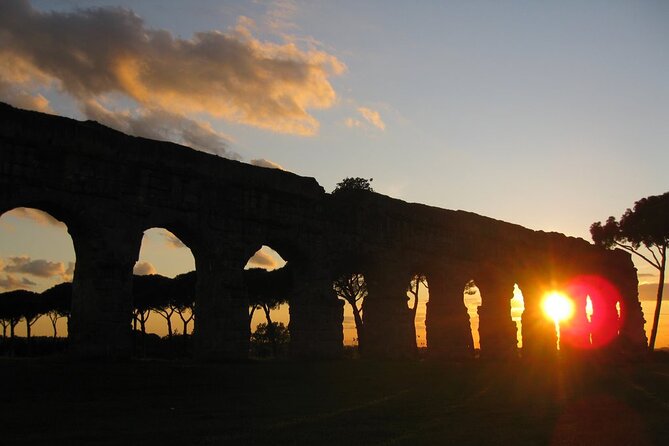
Beneath the weathered arches of the ancient aqueducts, the history of Rome’s complex water system unfolds. These engineering marvels, constructed over two millennia ago, transported life-giving water from distant sources to the bustling metropolis.
Delving into the aqueducts’ past reveals the intricate lives of the slaves, workers, and engineers who built and maintained these structures. From serving as quarries and catacombs to hosting modern-day mushroom cultivation, the aqueducts have continuously adapted to the changing needs of the city.
Exploring these captivating remnants provides a unique window into Rome’s rich history and the resilience of its infrastructure, inspiring wonder and appreciation for the ingenuity of the ancient world.
Repurposing the Aqueduct Over Time
Over the centuries, the ancient aqueducts of Rome have undergone remarkable transformations, adapting to the changing needs of the city.
Once vital for supplying water, these structures have been repurposed for various uses. From serving as quarries for building materials to becoming catacombs for Christian burials, the aqueducts have proven their versatility.
More recently, the aqueducts have even been utilized for urban farming, with mushroom cultivation thriving within their cool, damp environments.
These adaptations showcase the resilience and historic significance of the aqueducts, which continue to captivate visitors with their ability to evolve and find new purposes over time.
Experiencing the Parco Degli Acquedotti
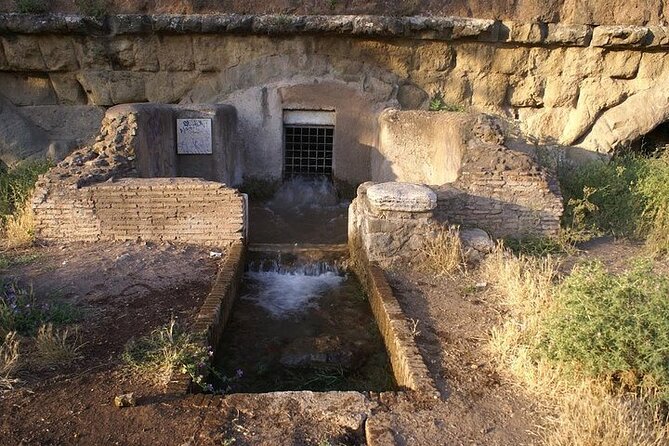
The Parco degli Acquedotti, a unique archaeological site in Rome, allows visitors to experience the grandeur of the city’s ancient aqueducts firsthand.
The park features seven aqueducts, including the Acquedotto Marcio, built in 144 BC and partially in use until recently.
Visitors can explore this serene area, free from typical tourist crowds, and discover the historical significance of these structures.
Key highlights include:
- Witnessing the impressive scale and architecture of the aqueducts.
- Observing how these structures have been repurposed over time, from quarries to catacombs and even mushroom cultivation.
- Enjoying the peaceful atmosphere and immersing oneself in the rich history of ancient Rome.
Discovering Acquedotto Marcio’s Past
Among the ancient aqueducts featured in the Parco degli Acquedotti, the Acquedotto Marcio stands out as a testament to Rome’s engineering prowess. Built in 144 BC, this impressive structure was partially in use until recent times, highlighting its enduring legacy.
| Construction | 144 BC |
|---|---|
| Length | 91 km |
| Purpose | Water Supply |
The Acquedotto Marcio traversed the landscape, bringing vital water resources to the growing city. Today, visitors can explore its remains, gaining a deeper appreciation for the ingenuity and determination of the ancient Romans who constructed this engineering marvel.


Enjoying the Serene Atmosphere
From the bustling streets of Rome, visitors step into the tranquil Parco degli Acquedotti, where the ancient aqueducts create a serene atmosphere.
Away from the typical tourist crowds, the park offers a peaceful respite, allowing travelers to enjoy the historical significance of these structures.
Three key reasons why the serene atmosphere is a highlight of the tour:
-
The aqueducts’ impressive scale and architectural beauty inspire a sense of wonder and calm.
-
The lack of crowds provides an opportunity for quiet reflection and connection with the past.
-
The park’s natural surroundings, including lush greenery and birdsong, contribute to an overall sense of tranquility.
Tour Logistics and Accessibility
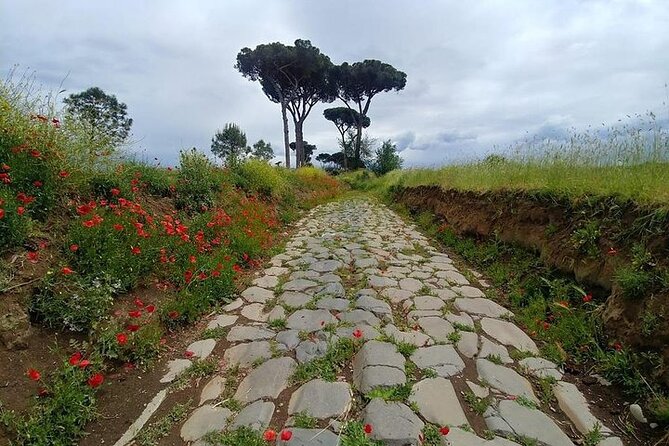
Conveniently, the tour begins at the Giulio Agricola metro station in Rome. Guests then explore the ancient aqueducts, concluding at the Lucio Sestio metro stop, where a short snack break is provided. The entire experience lasts 1 hour and 20 minutes, and admission is free.
The tour is accessible for wheelchair and stroller users, though it’s not recommended for pregnant travelers or those with serious medical conditions. This allows a wide range of visitors to enjoy the serene atmosphere and learn about the fascinating history of Rome’s aqueducts.
| Meeting Point | End Point | Duration | Admission |
|---|---|---|---|
| Giulio Agricola metro station | Lucio Sestio metro stop | 1 hour 20 minutes | Free |
| Accessibility | Wheelchair | Stroller | Not Recommended |
| Accessible | Accessible | Pregnant, Serious Conditions |
Traveler Reviews and Feedback
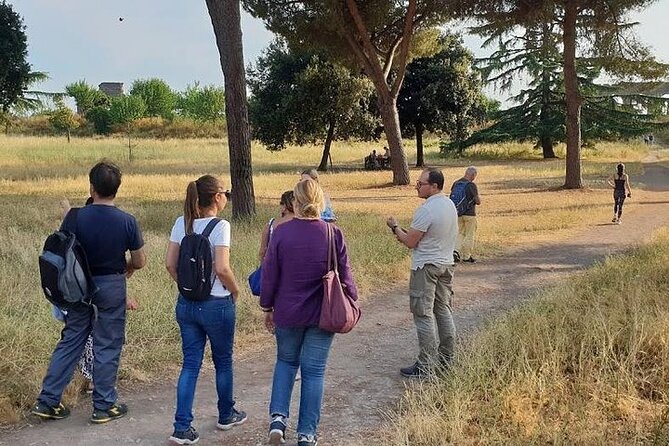
Travelers overwhelmingly recommend the ancient aqueducts tour, with a perfect 5.0-star average rating from 12 reviews.
Guides Giuseppe and Riccardo receive particular praise for their knowledge and enthusiasm.
Reviewers highlight the tour as:
- Informative, providing fascinating insights into the aqueducts’ history and repurposing.
- Engaging, immersing visitors in the lives of ancient workers and slaves.
- Serene, offering a tranquil escape from typical tourist crowds.
The tour’s free admission and accessibility make it an appealing option for a wide range of travelers, except for those with serious medical conditions or pregnant women, as advised.
Frequently Asked Questions
How Do I Reach the Meeting Point From Central Rome?
To reach the meeting point, simply take the metro to the Giulio Agricola station from central Rome. The tour starts right at this station, making it a convenient and accessible starting point for exploring the ancient aqueducts.
Can I Bring My Own Snacks on the Tour?
Yes, you can bring your own snacks on the tour. The tour ends with a short snack break, but you’re welcome to pack your own refreshments to enjoy during the experience.
Are There Any Height Restrictions for the Tour?
There are no height restrictions for the tour. The aqueducts and walkways are accessible to visitors of all heights, though it’s not recommended for those with serious medical conditions that could be aggravated by walking.
Can I Extend the Tour Duration if I Need More Time?
Yes, visitors can extend the tour duration if needed. The tour guides are accommodating and willing to provide more time for guests to explore the aqueducts thoroughly. Additional fees may apply for extended tours.
Is the Tour Offered in Languages Other Than English?
The tour is offered in multiple languages, including English and Italian. Travellers can check availability of their preferred language when booking to ensure they can fully enjoy the informative guided experience.
The Ancient Aqueducts of Rome
“Very good and informative – Joseph and Alex were excellent guides. They explained everything in detail.”
Recap
The ancient aqueducts of Rome offer a captivating glimpse into the city’s rich historical legacy. These engineering marvels have been repurposed over time, from water transport to urban farming, and now stand as alluring ruins inviting exploration. Visiting the Parco Degli Acquedotti allows travelers to experience the serene atmosphere and discover the remarkable past of structures like the Acquedotto Marcio, making for an enriching and accessible historical experience.


