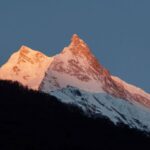
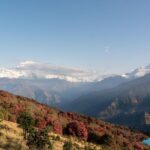
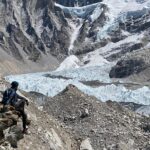
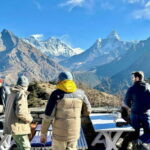
The Annapurna Base Camp Trek is a renowned adventure that captivates trekkers from around the world. Departing from the vibrant capital of Kathmandu, this journey offers a unique blend of natural wonders and culture. Traversing through diverse landscapes, from lush forests to awe-inspiring mountain vistas, the trek culminates at the stunning Annapurna Base Camp, where the majestic Himalayas rise in all their glory. While the trek requires a moderate level of fitness and acclimatization, the rewards of this experience are truly transformative, leaving trekkers with memories that will last a lifetime.
Key Points
- The Annapurna Base Camp trek can be accessed from Kathmandu, with a scenic bus ride to the starting point in Pokhara.
- The 14-day trek offers stunning views of the Annapurna massif and Machapuchare, traversing lush forests and glacial rivers.
- Proper acclimentation and physical fitness are essential to safely complete the high-altitude trek, which reaches an elevation of 4,130 meters.
- Guided tours can handle logistics, including transportation, accommodation, and meals, allowing trekkers to focus on the immersive cultural and natural experiences.
- Recommended gear includes warm layers, sturdy boots, rain protection, and trekking poles, which can be rented to reduce the overall load.
👉 Check out our guide to the 2 Best Guided Tours In Jagat
Contents
- Key Points
- Overview of the Annapurna Trek
- Preparation and Packing Essentials
- Trekking Route and Itinerary
- Accommodation and Meals
- Challenges and Safety Considerations
- Cultural Experiences and Local Interactions
- Recommended Gear and Equipment
- Booking and Logistics
- Frequently Asked Questions
- Can I Extend or Shorten the Trek Duration?
- What Is the Best Time of Year to Do the Trek?
- Are There Any Age Restrictions or Minimum Age Requirements?
- Can I Trek Independently or Do I Need a Guide?
- What Is the Refund Policy for Cancellations?
- Recap
- Our Top Picks in Kathmandu
- More Hiking & Trekking Tours in Kathmandu
- More Tour Reviews in Kathmandu
- Not for you? Here's more things to do in Kathmandu we have recnetly reviewed
Overview of the Annapurna Trek
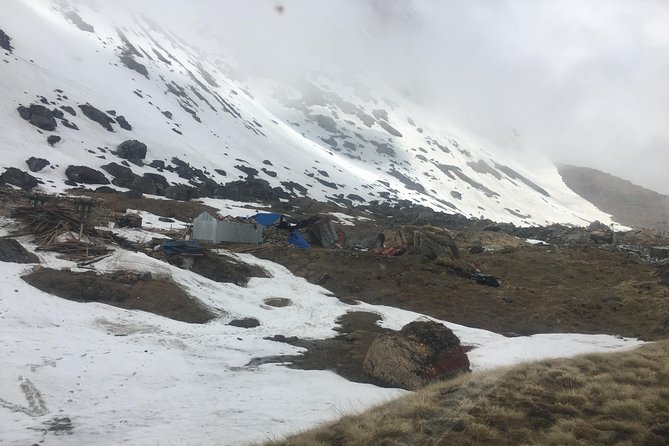
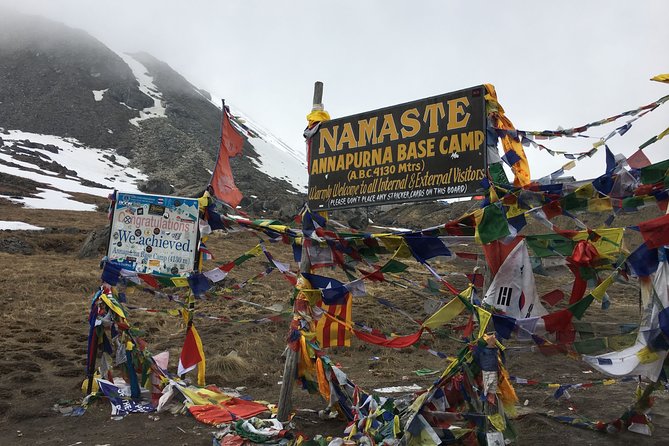
The Annapurna Base Camp Trek is a popular and challenging hike in Nepal’s Annapurna Mountain Range. It takes trekkers through lush rhododendron forests, past glacial rivers, and up to the stunning Annapurna Sanctuary at an elevation of 4,130 meters.
The 14-day trek typically starts in Pokhara and follows a well-established route, offering breathtaking views of the Annapurna massif, Machapuchare, and other Himalayan peaks. Accommodation is provided in teahouses along the way, and the trek requires a moderate level of fitness and acclimatization to the high altitude.
The Annapurna Base Camp Trek is a bucket-list adventure that allows travelers to enjoy the natural beauty and rich culture of Nepal.
Ready to hit more trails? More hiking adventures we feature in Kathmandu
Preparation and Packing Essentials
Preparing for the Annapurna Base Camp Trek requires careful planning and packing of essential gear. Trekkers must bring sturdy hiking boots, moisture-wicking layers, warm insulation, and rain protection. Proper headgear, gloves, and socks are vital.
Trekkers should pack a water bottle, snacks, and a first-aid kit. Trekking poles can help with balance and reduce strain on the knees. Toiletries, personal medications, and a charging bank are also recommended.
Proper preparation guarantees a safe and enjoyable experience on the trails. Consulting with experienced guides can also help identify any additional gear or supplies needed for the specific trek.
With the right preparation, trekkers can focus on seeing the breathtaking Annapurna scenery.
Trekking Route and Itinerary
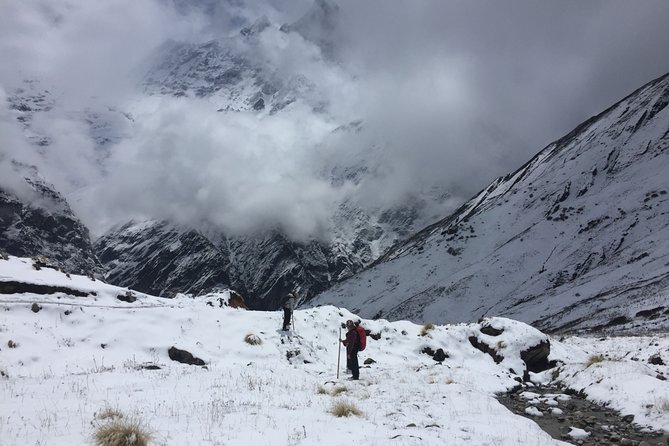
Beginning from Pokhara, the Annapurna Base Camp trek follows a well-established route through the stunning Annapurna mountain range.
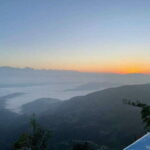
Hikers will start with a scenic bus drive from Kathmandu to Pokhara, where they’ll transfer to a lakeside hotel. The next day, they’ll commence an early morning hike to Poon Hill for a breathtaking sunrise view.
The trek then continues from Tadapani to Chhomrong, Chhomrong to Dovan, and finally from Bamboo to Nayapul, where a drive back to Pokhara completes the journey.
The trek requires strong physical fitness, and specific health conditions should be disclosed prior to booking. The itinerary provides an opportunity to take in the enchanting Himalayan landscape.
Accommodation and Meals
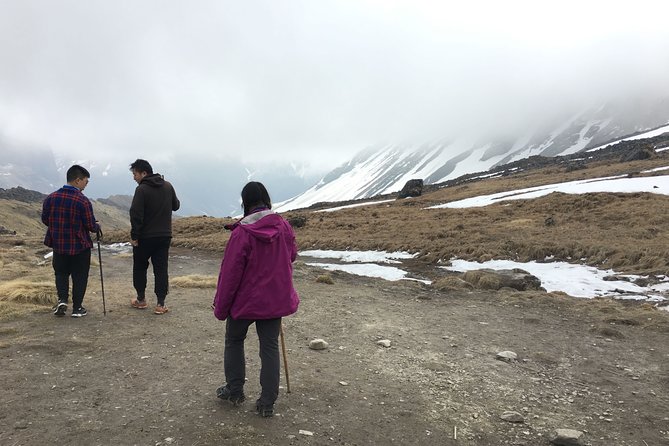
Along the Annapurna Base Camp trek, hikers can expect comfortable accommodations and hearty meals to fuel their journey through the Himalayan landscape.
The tea houses along the route offer basic but clean rooms, often with shared bathroom facilities. Meals typically consist of Nepali staples like dal (lentil soup), rice, and vegetable curries, as well as noodle dishes and the occasional Western option.
Snacks and hot beverages are also available to keep trekkers energized. The food is fresh, locally sourced, and designed to provide the necessary calories and nutrients for the physically demanding trek.
Accommodations and meals are an integral part of the Annapurna Base Camp experience.
Challenges and Safety Considerations
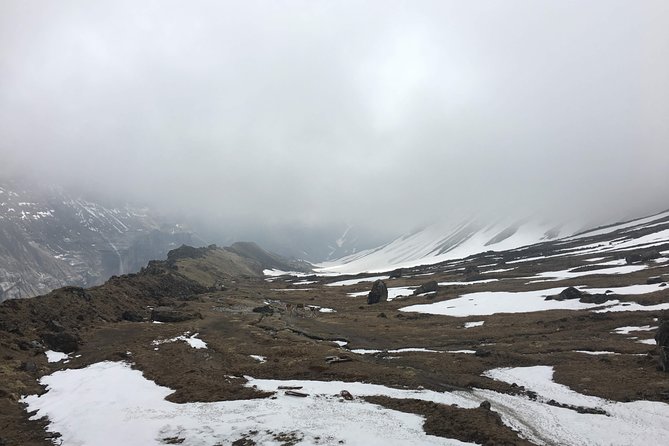
While the Annapurna Base Camp trek offers breathtaking scenery and a rewarding experience, it also presents several challenges and safety considerations for trekkers.
The high altitude, steep terrain, and changeable weather conditions can be physically and mentally demanding. Proper acclimatization is vital to avoid altitude sickness.
Trekkers should also be prepared for the possibility of landslides, avalanches, and other natural hazards. Plus, the remote nature of the trek means that access to medical facilities may be limited.
Thorough planning, appropriate gear, and physical fitness are essential to guarantee a safe and enjoyable journey on the Annapurna Base Camp trek.


Cultural Experiences and Local Interactions
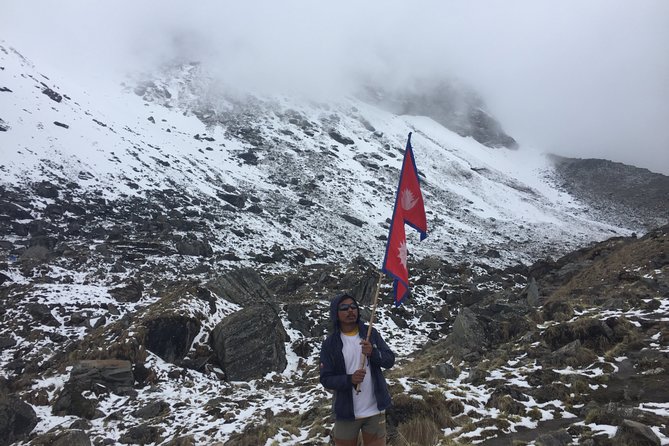
The Annapurna Base Camp trek offers a unique opportunity for trekkers to enjoy the rich cultural tapestry of the Himalayan region.
Along the trail, you’ll encounter traditional Tibetan-influenced villages, where you can observe the daily lives of the local Gurung and Magar communities.
Interact with the friendly residents, learn about their customs, and gain insights into their centuries-old traditions.
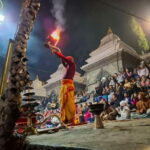
Enjoy a traditional Nepali meal, explore local markets, and witness cultural performances that provide a deeper understanding of the region’s heritage.
These authentic cultural exchanges enrich the trekking experience, offering a glimpse into the vibrant and resilient spirit of the Nepalese people.
Recommended Gear and Equipment
Proper gear and equipment are essential for a successful Annapurna Base Camp trek. Hikers should pack warm, moisture-wicking layers, sturdy hiking boots, and a rain jacket.
Trekking poles can ease the strain on knees during descents. A sleeping bag rated for cold mountain temperatures is a must. Hikers should also bring a headlamp, water bottle, snacks, and personal first-aid items.
Packing light is vital, as porters or pack animals carry the bulk of the gear. Renting some equipment like sleeping bags and jackets can lighten the load.
Thoroughly planning and preparing gear guarantees a comfortable and safe journey through the Annapurna range.
Booking and Logistics
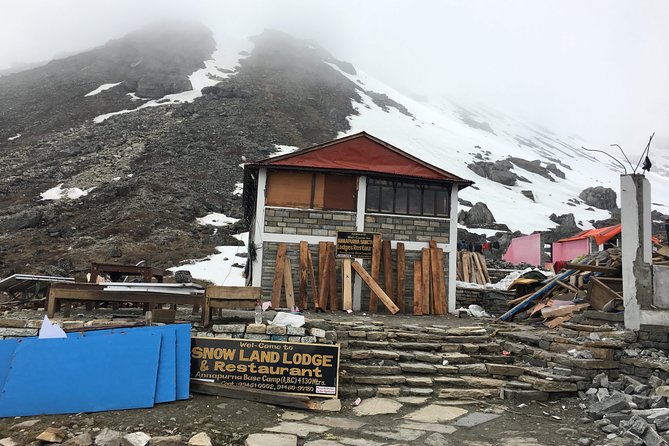
Booking an Annapurna Base Camp trek typically involves coordinating transportation, accommodations, and guides through a reputable tour operator. Prices generally start around $1,000 per person for a 14-day itinerary, including trekking permits, meals, and basic camping equipment.
Travelers should expect to hike 5-7 hours per day over uneven terrain at high altitudes, so a good level of physical fitness is required. Tour operators handle all logistics, from airport transfers to securing porters, allowing trekkers to focus on the journey.
Flexibility is key, as weather and trail conditions can impact the daily itinerary. Proper preparation, including acquiring necessary gear and getting travel insurance, can guarantee a safe and enjoyable Annapurna Base Camp experience.
Frequently Asked Questions
Can I Extend or Shorten the Trek Duration?
Yes, travelers can typically extend or shorten the trek duration. Many tour operators offer flexible itineraries and customizable packages to accommodate individual preferences and fitness levels.
What Is the Best Time of Year to Do the Trek?
The best time to do the Annapurna Base Camp Trek is generally between October and May when the weather is dry, with clear skies and moderate temperatures, though October-November and March-May are the most popular seasons.
Are There Any Age Restrictions or Minimum Age Requirements?
There are no strict age restrictions, but the Annapurna Base Camp Trek requires a good level of physical fitness. Most operators recommend the trek for those aged 16 to 65, though exceptions may be made for younger or older participants in good health.
Can I Trek Independently or Do I Need a Guide?
Trekkers can trek independently, but it’s generally recommended to hire a guide. Guides provide expertise, safety, and support, especially for first-time trekkers or those unfamiliar with the terrain. Most tour operators offer guided treks for a more seamless experience.
What Is the Refund Policy for Cancellations?
The refund policy allows for a full refund for cancellations made up to 24 hours in advance. There are clear guidelines for the cancellation process, and customer support is available for any inquiries.
Annapurna Base Camp Trek Form Kathmandu
“I am sure that i shall go next time for terk.
The journey was aswsome and its was mesmerizing through out the trek”
Recap
The Annapurna Base Camp Trek from Kathmandu offers a truly remarkable adventure. Trekkers can expect breathtaking landscapes, culture, and the chance to reach the iconic base camp of the Annapurna massif. With proper preparation and gear, this challenging trek can be an unforgettable experience, showcasing the natural beauty and friendly people of Nepal. It’s a journey that will leave a lasting impression on any adventurous traveler.