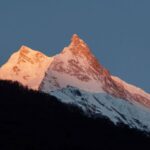
Mera Peak’s towering presence in the Nepalese Himalayas has long beckoned adventurous climbers. Standing at an impressive 6,476 meters, this mountain offers a thrilling challenge for both experienced mountaineers and fit novices. The trek to its summit traverses diverse landscapes, from lush alpine meadows to rugged glaciers, while providing breathtaking vistas of some of the world’s highest peaks. Proper preparation is essential, as the climb requires technical skills and careful acclimatization. Yet those who overcome the demands of this expedition are rewarded with a profound sense of accomplishment and a deeper appreciation for the grandeur of Nepal’s natural wonders. To embark on this journey is to unlock a world of…
Key Points
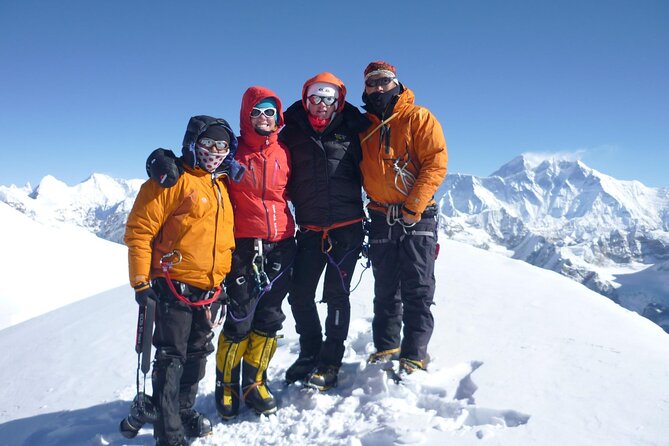
- Mera Peak, at 6,476 meters, is the highest trekking peak in Nepal, offering a challenging but non-technical climb for experienced climbers and fit novices.
- The trekking route traverses Sherpa villages, monasteries, and scenic valleys, providing an immersive experience in the Himalayan environment and culture.
- Proper preparation, including acclimatization, gear fine-tuning, and climbing technique training, is crucial for a successful and safe summit attempt.
- Gradual ascent and careful monitoring of altitude sickness symptoms are essential for the climbers’ well-being during the acclimatization process.
- Flexibility in the itinerary and contingency plans are necessary to accommodate weather, acclimatization, or other unexpected challenges that may arise during the expedition.
👉 Check out our guide to the 2 Best Guided Tours In Jagat
Contents
- Key Points
- Overview of Mera Peak
- Trekking Route and Highlights
- Preparing for the Climb
- Acclimatization Process
- Reaching the Summit
- Contingency Plans
- Return Journey
- Additional Considerations
- Frequently Asked Questions
- What Is the Best Time of Year to Climb Mera Peak?
- Do I Need Previous Mountaineering Experience to Climb Mera Peak?
- What Is the Success Rate for Reaching the Summit of Mera Peak?
- Can I Rent Necessary Climbing Gear in Nepal or Do I Need to Bring My Own?
- What Are the Typical Group Sizes for Mera Peak Climbing Expeditions?
- Recap
- Our Top Picks in Kathmandu
- More Tour Reviews in Kathmandu
- Not for you? Here's more things to do in Kathmandu we have recnetly reviewed
Overview of Mera Peak
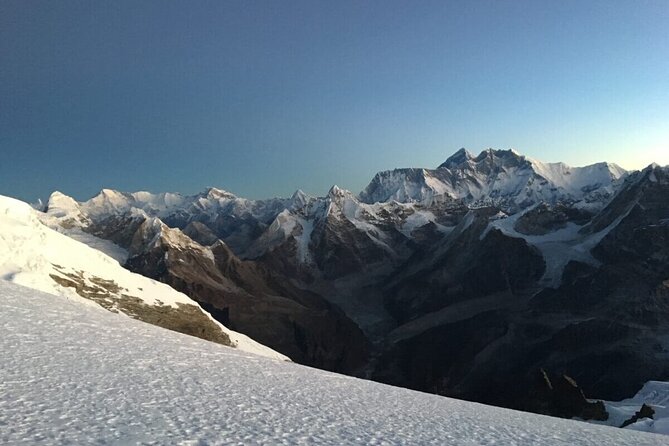
Mera Peak is the highest trekking peak in Nepal, standing at an impressive 6,476 meters (21,247 feet) above sea level.
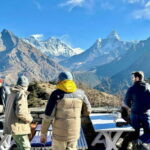
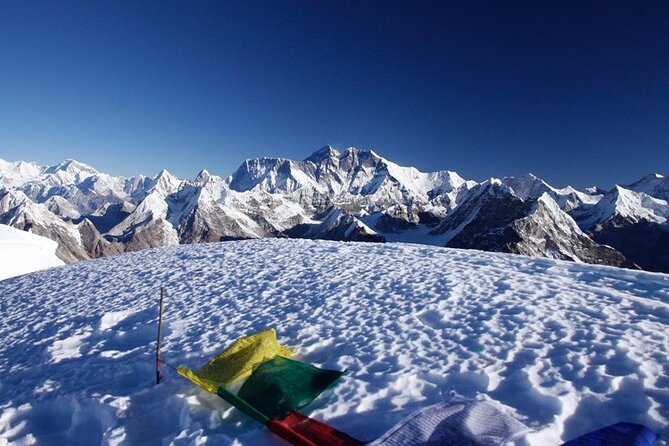
It’s a challenging yet non-technical climb suitable for experienced climbers and fit novices alike. The ascent offers a fantastic introduction to mountaineering, allowing climbers to witness the breathtaking panorama of five of the six highest mountains in the world, including Mount Everest, Lhotse, Makalu, Cho Oyu, and Kangchenjunga.
While not an easy feat, the Mera Peak climb is a rewarding experience that rewards adventurous trekkers with stunning vistas and a sense of accomplishment upon reaching the summit.
You can also read our reviews of more tours and experiences in Kathmandu.
Trekking Route and Highlights
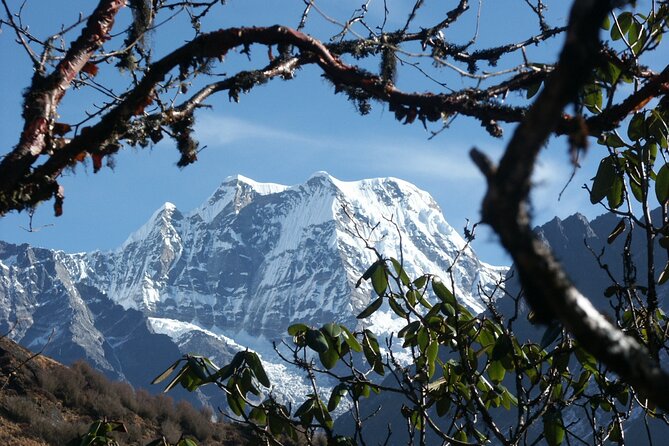
The trekking route to Mera Peak takes adventurers through a picturesque landscape of Sherpa villages, monasteries, and the stunning Hinku and Hongu valleys.
Key stops along the way include Lukla, the starting point with a scenic flight from Kathmandu, as well as Chutok/Paiya, Panggom, Najing Dingma, Chalem Kharka, Tashing Ongma, and Kothe.
Hikers will also experience Makalu Barun National Park, glacial lakes, and alpine terrain before reaching Thangnak and Khare, the final stops before the summit attempt.
The diverse and challenging terrain offers a comprehensive introduction to the Himalayan environment and culture.
Preparing for the Climb
Proper preparation and acclimatization are of paramount importance for a successful and safe Mera Peak climbing expedition. Climbers spend a full day at Khare (5,000m) to practice ice climbing and fine-tune their gear.
Acclimatization is crucial, as the trek involves rapid altitude gains. Gradual ascent allows the body to adjust to the thin air, reducing the risks of altitude sickness.
Climbers also receive training on climbing techniques, such as using an ice axe, crampons, and ropes.
Careful planning and thorough preparation help ensure the summit attempt has the best chance of success while prioritizing the safety of the entire team.
Acclimatization Process
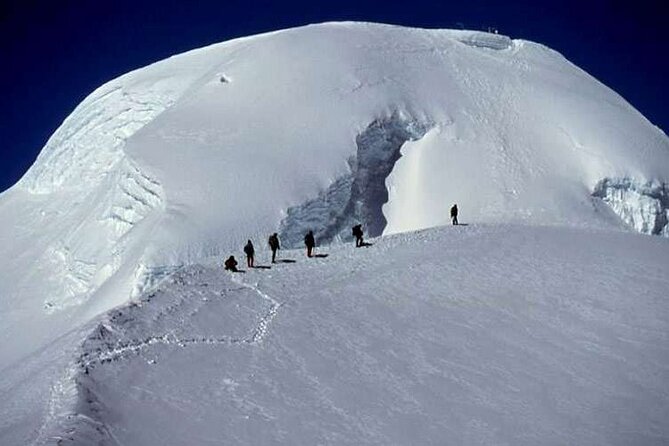
Carefully planned and gradually executed, the acclimatization process is a critical component of a successful Mera Peak climbing expedition. Climbers spend a full day at Khare (5,000m) to allow their bodies to adjust to the thin air. This crucial step ensures they’re prepared for the summit push.
The acclimatization period includes:
- Ice climbing practice to build technical skills
- Gear preparation and training on climbing techniques
- Hydration and nutrition management
- Rest and recovery to combat fatigue
- Monitoring vital signs and recognizing altitude sickness symptoms
Proper acclimatization enhances safety and performance, maximizing climbers’ chances of reaching the summit of Mera Peak.
Reaching the Summit
On summit day, climbers rise early, preparing themselves physically and mentally for the final push to the top of Mera Peak.
After completing their gear checks, they’ll set out from Khare Camp, making their way across the glacier. The trek to the summit typically takes 3-4 hours, requiring focused effort and careful navigation.
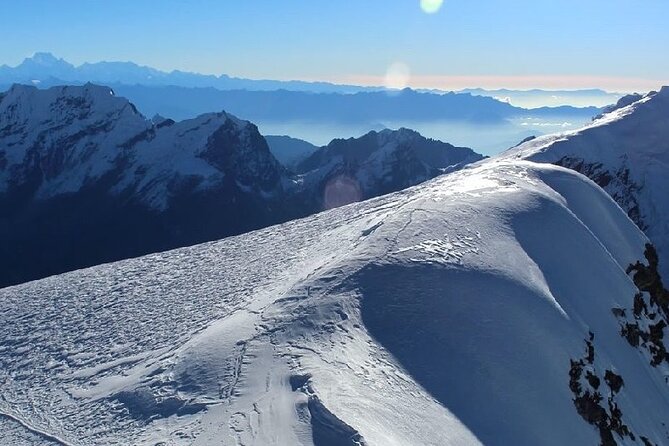
From the top, climbers are rewarded with breathtaking views of five of the six highest mountains in the world, including Mount Everest, Lhotse, Makalu, Cho Oyu, and Kangchenjunga.
After savoring this achievement, they’ll begin the descent, mindful of the challenges that lie ahead as they return to base camp.


Contingency Plans
In the event of weather issues or acclimatization delays, the expedition has contingency plans in place. A dedicated contingency day (Day 14) is scheduled to account for potential setbacks.
This allows the team to:
- Reschedule the summit attempt if weather conditions are unfavorable.
- Allocate additional time for acclimatization if needed.
- Provide a buffer for any unexpected challenges that may arise.
- Ensure the safety and well-being of the climbers throughout the trek.
- Maintain flexibility in the itinerary to adapt to changing circumstances.
Contingency planning is crucial for a successful and safe Mera Peak climbing expedition, allowing the team to respond effectively to any unforeseen circumstances.
Return Journey
After reaching the summit of Mera Peak, the team begins their return journey. They descend from Khare to Kothe on Day 15, covering the distance in one day.
The next day, they continue their trek, reaching Thuli Kharka.
On the final day, Day 17, the team treks from Thuli Kharka back to Lukla, where they celebrated the successful completion of their Mera Peak climbing expedition.
The return journey includes private vehicle transfers and flights from Lukla to Kathmandu.
Climbers will also need to account for additional costs such as personal items, international airfare, and tips for the support staff who accompanied them on the trek.
Additional Considerations
Climbers must consider several additional factors when undertaking the Mera Peak climbing expedition. Proper travel insurance is essential, as are valid travel permits and documentation.
Porters or pack animals can assist with carrying supplies, though climbers should manage their own hydration and nutrition.
Weather forecasts should be monitored closely, as conditions can change rapidly at high altitudes.
Lastly, having a flexible itinerary is crucial, as delays or setbacks may occur along the way.
Key additional considerations include:
- Travel insurance
- Proper permits and documentation
- Use of porters or pack animals
- Monitoring weather forecasts
- Maintaining a flexible itinerary
Frequently Asked Questions
What Is the Best Time of Year to Climb Mera Peak?
The best time to climb Mera Peak is typically from April to May and October to November, when the weather is most favorable for the trek and summit attempt.
Do I Need Previous Mountaineering Experience to Climb Mera Peak?
While previous mountaineering experience is not strictly required, it’s highly recommended for climbing Mera Peak. Experienced climbers and fit novices can attempt this non-technical introduction to mountaineering, but proper training and acclimatization are crucial for a safe and successful summit.
What Is the Success Rate for Reaching the Summit of Mera Peak?
The success rate for reaching the summit of Mera Peak is generally high, with experienced climbers and fit novices having a good chance of successful summit attempts. However, the difficulty and unpredictable weather can impact the overall success rate.
Can I Rent Necessary Climbing Gear in Nepal or Do I Need to Bring My Own?
Climbers can rent most necessary gear like ice axes, crampons, and harnesses in Kathmandu or at the trailhead in Nepal, though it’s recommended to bring personal equipment like boots, sleeping bags, and technical clothing for the Mera Peak climb.
What Are the Typical Group Sizes for Mera Peak Climbing Expeditions?
Typical group sizes for Mera Peak climbing expeditions range from 4 to 12 climbers, allowing for manageable logistics and personalized support. The group size can vary depending on the trekking company and climbers’ experience levels.
Mera Peak Climbing
“Beautiful views with very responsive staff and guides! Went in without knowing what to expect, but the team and their expertise made it all the wor…”
Recap
Mera Peak offers adventurous travelers a chance to summit one of Nepal’s highest peaks. The trek’s stunning Himalayan vistas and Sherpa culture provide an unforgettable experience. Proper preparation, including physical fitness, technical skills, and acclimatization, is crucial for a safe and successful climb. With careful planning and flexibility, climbers can achieve the rewarding goal of reaching the 6,476-meter summit of Mera Peak.