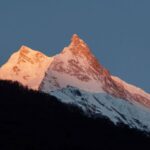
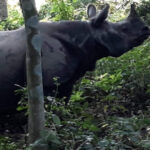
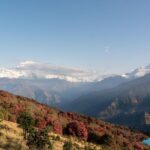
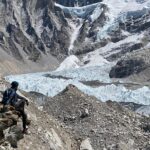
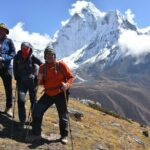
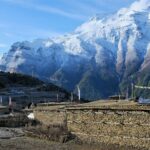
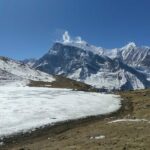
The Annapurna Base Camp Trek is a captivating 10-day journey through Nepal’s majestic Annapurna Mountain Range. Trekkers will navigate picturesque Gurung villages, lush forests, and diverse ecosystems, culminating at the breathtaking Annapurna Base Camp. Along the way, hikers will be immersed in rich cultural experiences, stunning vistas of iconic peaks, and the opportunity to witness unique wildlife. This remarkable adventure offers nature and culture enthusiasts an unforgettable experience, leaving them eager to delve deeper into the trekking experience and uncover the treasures that await.
Good To Know
- The Annapurna Base Camp Trek is a 10-day journey through the Annapurna Mountain Range in Nepal, reaching an elevation of 4,130 meters at the base camp.
- The trek features stunning Himalayan landscapes, diverse flora and fauna, and cultural encounters with welcoming Gurung communities.
- Prominent peaks along the route include Annapurna South (7,219m), Hiunchuli (6,441m), Nilgiri (7,060m), and Machhapuchhre (6,993m).
- Proper gear, preparation, and acclimatization are essential for a safe and enjoyable trek, with the operator providing comprehensive support.
- The trek can be booked through Nepal Himalayan Hiker (P) Ltd., with a starting price of $853.34 per person for the 10-day itinerary.
👉 Check out our guide to the 2 Best Guided Tours In Jagat
Contents
- Good To Know
- Overview of the Trek
- Itinerary Breakdown
- Highlights of the Trail
- Gear and Preparation
- Cultural Experiences
- Flora and Fauna
- Safety Considerations
- Booking and Planning
- Frequently Asked Questions
- What Is the Best Time of Year to Do the Trek?
- How Challenging Is the Annapurna Base Camp Trek?
- Can I Hire a Porter or Guide for the Trek?
- What Are the Visa Requirements for Nepal?
- Can I Extend the Trek to Explore Other Regions?
- Sum Up
- Our Top Picks in Kathmandu
- More Hiking & Trekking Tours in Kathmandu
- More Tour Reviews in Kathmandu
- Not for you? Here's more things to do in Kathmandu we have recnetly reviewed
Overview of the Trek
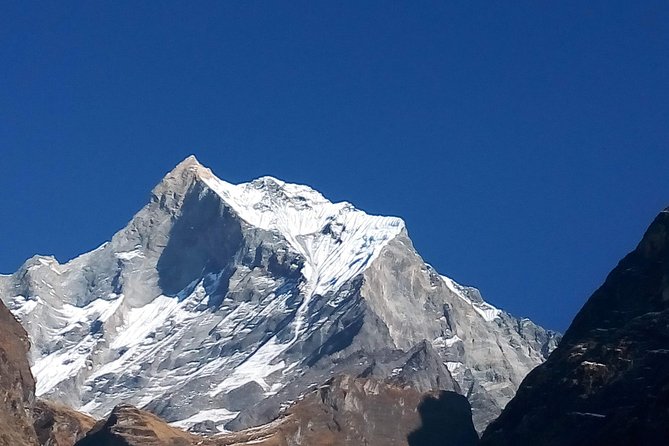
Spanning a duration of 10 days, the Annapurna Base Camp Trek traverses the majestic Annapurna Mountain Range in Nepal.
Reaching an elevation of 4,130 meters at the Annapurna Base Camp, the trek is highlighted by passing through local Gurung villages, experiencing the diverse flora and fauna, and viewing the natural amphitheatre of pristine peaks.
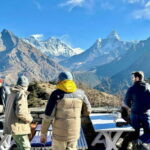
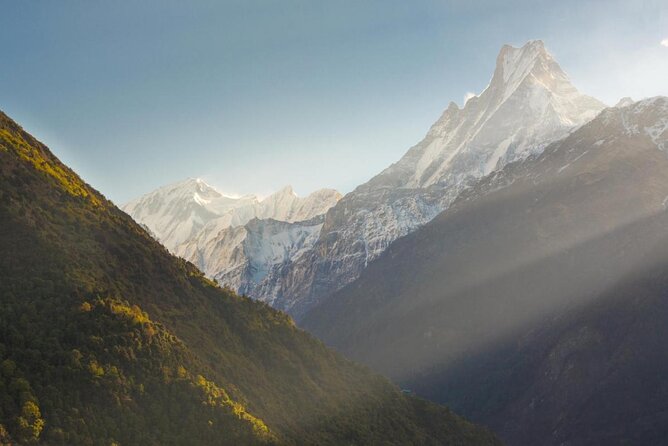
Prominent peaks visible along the way include Annapurna South (7,219m), Hiunchuli (6,441m), Nilgiri (7,060m), and the sacred Machhapuchhre (6,993m) which is off-limits for climbing.
This trek offers a captivating blend of cultural encounters, breathtaking mountain scenery, and an immersion in the natural wonder of the Annapurna region.
Ready to hit more trails? More hiking adventures we feature in Kathmandu
Itinerary Breakdown
The Annapurna Base Camp Trek follows a well-planned itinerary that takes trekkers on a comprehensive journey through the Annapurna region.
The 10-day trek begins with a drive from Kathmandu to Pokhara, then continues with a trek from Nayapul to Ghandruk, Sinuwa, Deurali, and finally, the Annapurna Base Camp at an elevation of 4,130 meters.
The return trek includes stops at Bamboo, Jhinu Hot Spring, and Nayapul before a final drive back to Pokhara.
This meticulously designed itinerary allows trekkers to fully enjoy the stunning Himalayan landscapes, local Gurung culture, and the natural amphitheater of pristine peaks, including the iconic Annapurna South, Hiunchuli, Nilgiri, and Machhapuchhre.
Highlights of the Trail
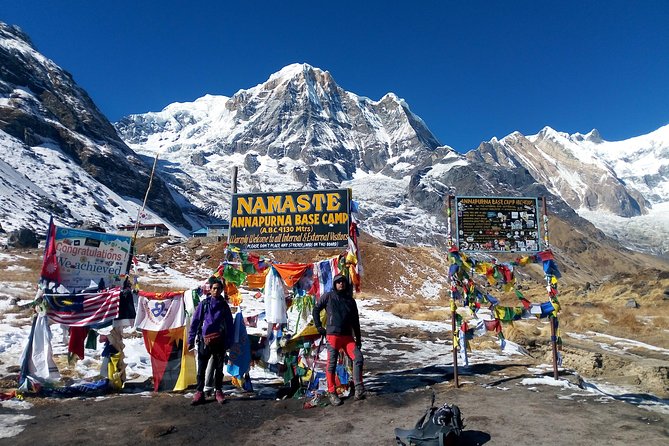
Trekkers on the Annapurna Base Camp Trail are treated to a mesmerizing array of natural wonders and cultural encounters.
They’ll pass through the picturesque Gurung villages, where they can witness the vibrant local culture and traditions.
The trek showcases the region’s diverse flora and fauna, with the possibility of spotting exotic bird species and other wildlife.
The highlight, of course, is the breathtaking natural amphitheatre of pristine peaks, including the mighty Annapurna South, Hiunchuli, Nilgiri, and the sacred Machhapuchhre.
Trekkers will be in awe of the stunning vistas at every turn, creating memories that will last a lifetime.
Gear and Preparation
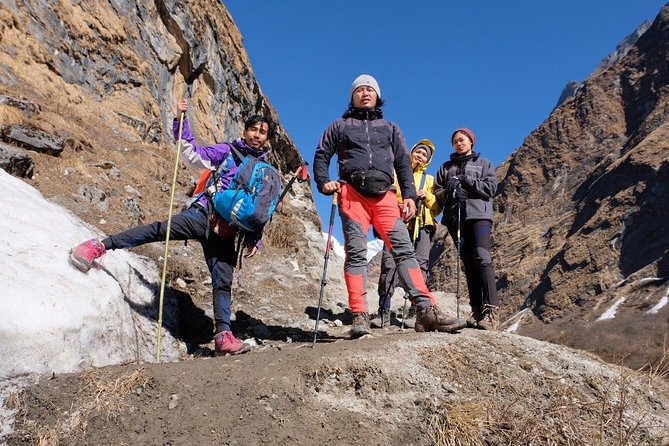
Properly equipped with the right gear, trekkers can confidently navigate the Annapurna Base Camp trail. Sturdy hiking boots, warm layers, and a good backpack are essential.
Trekkers should also pack a water bottle, snacks, sun protection, and a headlamp. Trekking poles can help reduce strain on the knees during long descents.
Proper preparation includes breaking in gear, packing light, and being physically fit. Altitude sickness is a concern, so trekkers should acclimate slowly and carry medication.
With the right mindset and preparation, the Annapurna Base Camp trek offers an unforgettable adventure through Nepal’s stunning mountain landscape.
Cultural Experiences
Along the Annapurna Base Camp trek, trekkers enjoy the vibrant cultural tapestry of Nepal’s Gurung communities.
These friendly mountain dwellers welcome visitors with open arms, sharing their centuries-old traditions and customs. Trekkers may have the opportunity to visit Gurung villages, where they can observe the intricate weaving of Dhaka textiles, learn about ancient agricultural practices, and witness cultural performances featuring traditional music and dance.
The trek also provides insight into the Gurung’s deep reverence for the Annapurna massif, which holds immense spiritual significance.
These cultural encounters offer a profound appreciation for the resilience and rich heritage of Nepal’s highland people.



Flora and Fauna
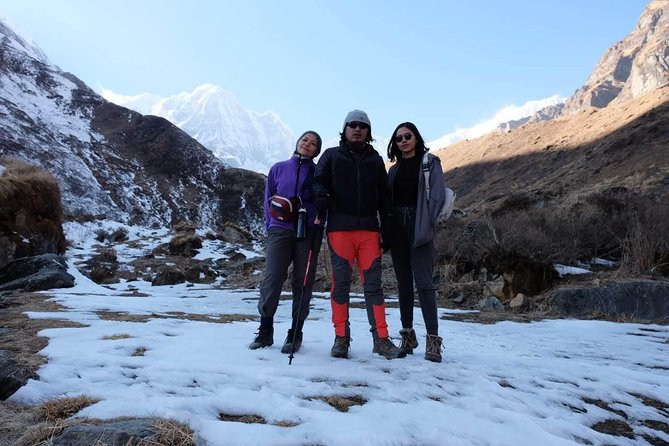
The Annapurna Base Camp trek traverses a diverse tapestry of high-altitude ecosystems, showcasing a vibrant array of flora and fauna unique to the Himalayan region.
As you ascend through lush forests of oak, pine, and rhododendron, you’ll spot colorful birds like the Himalayan monal, national bird of Nepal, as well as the elusive Himalayan black bear.
The higher you go, the more the vegetation transforms, with alpine meadows carpeted in wildflowers and scrublands dotted with hardy dwarf shrubs.
Though rarely seen, the area is home to endangered species like the snow leopard and Himalayan brown bear.
This natural diversity is a testament to the resilience of life in the Annapurna range.
Safety Considerations
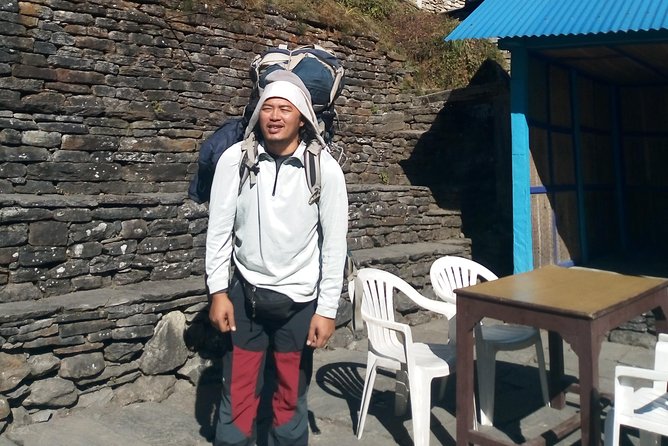
When embarking on the Annapurna Base Camp trek, one must exercise due caution and adhere to essential safety protocols. The high-altitude environment poses unique challenges, and trekkers should be prepared accordingly.
Some key safety considerations include:
-
Proper Acclimatization: Gradual ascent and adequate rest periods are crucial to mitigate the risks of altitude sickness.
-
Adequate Gear and Equipment: Investing in high-quality hiking gear, warm clothing, and proper footwear can make a significant difference in comfort and safety.
-
Hydration and Nutrition: Maintaining proper hydration and a balanced diet is essential for sustaining energy levels and preventing altitude-related illnesses.
-
Route Familiarity: Familiarizing oneself with the trekking route and being aware of potential hazards can help mitigate risks and ensure a safe journey.
Booking and Planning
With the essential safety considerations in mind, trekkers can now focus on booking and planning their Annapurna Base Camp trek.
The 10-day itinerary is operated by Nepal Himalayan Hiker (P) Ltd., with a meeting point in Thamel, Kathmandu. Meals, including lunch, breakfast, and dinner, are included in the starting price of $853.34.
Travelers have the option to book a private tour, ensuring their group’s exclusivity. Confirmation is received upon booking, and there’s free cancellation up to 3 days in advance.
For additional details, trekkers can directly contact the provider. By planning their journey with care, adventurers can look forward to an unforgettable experience in the Annapurna mountain range.
Frequently Asked Questions
What Is the Best Time of Year to Do the Trek?
The best time to do the Annapurna Base Camp trek is during the spring (March-May) and autumn (September-November) when the weather’s mild, skies are clear, and the mountain views are stunning. The summer and winter months can be more challenging.
How Challenging Is the Annapurna Base Camp Trek?
The Annapurna Base Camp trek is considered moderately challenging, requiring good physical fitness and hiking experience. The high elevation, steep ascents, and long trekking days can be demanding, but the stunning mountain scenery makes the effort worthwhile.
Can I Hire a Porter or Guide for the Trek?
Yes, you can hire a porter or guide for the Annapurna Base Camp trek. Most trekking companies offer the option to hire a personal porter or guide to assist you throughout the hike. This can make the trek more comfortable and manageable.
What Are the Visa Requirements for Nepal?
Travelers to Nepal will need a valid passport and a Nepalese tourist visa. The visa can be obtained upon arrival at the airport or in advance from a Nepalese embassy or consulate. Requirements may vary, so it’s best to check the latest guidelines.
Can I Extend the Trek to Explore Other Regions?
Yes, travelers can extend the trek to explore other regions of Nepal. Many trekking packages offer flexibility to customize the itinerary, allowing hikers to visit additional destinations like Poon Hill, Mustang, or Manaslu Circuit based on their interests and time availability.
Annapurna Base Camp Trek 10 Days
“It was a pleasant trip for us, though we planned it in a short time. The plan suit for everyone even with no experience of mountaineering or trekki…”
Sum Up
The Annapurna Base Camp Trek offers an unparalleled adventure for trekkers seeking a truly immersive experience in Nepal’s Himalayan landscape. With its stunning vistas, diverse ecosystems, and rich cultural encounters, the trek promises an unforgettable journey that will leave a lasting impression. Meticulous planning and proper gear are essential, but the rewards of reaching the base camp at 4,130 meters make the challenge well worth it for nature and culture enthusiasts alike.