
The lives of Hungarians have undergone a dramatic transformation over the past few decades, transitioning from the rigid constraints of communist rule to the uncharted waters of capitalism. While the communist era brought severe restrictions on personal freedoms and state control over all aspects of life, the shift to a market-driven economy has introduced new challenges and opportunities. As the country navigates this complex landscape, the legacies of both systems continue to shape the attitudes, perceptions, and experiences of the Hungarian people. Exploring these shifting dynamics reveals a fascinating story of adaptation, resilience, and the enduring impact of political and economic change.
Key Points
• Under communism, Hungarians faced severe restrictions on personal freedoms and a state-controlled economy with shortages of consumer goods.
• Transition to capitalism brought increased personal freedoms and access to consumer goods, but also job insecurity and uneven distribution of wealth.
• The role of the state shifted from extensive control under communism to reduced involvement in the economy under capitalism, leading to mixed reactions.
• Younger Hungarians generally embraced the market-driven opportunities, while older generations struggled to adapt to the dramatic changes.
• The lasting legacies of communism include visible remnants, ongoing expectations for government support, and a mix of nostalgia and enthusiasm for the capitalist system.

👉 Check out our guide to the 2 Best Canoe And Kayak Experiences In Budapest
Contents
- Key Points
- Communism’s Impact on Hungarians
- Transition to Capitalism
- Economic Conditions Under Communism
- Changes in Daily Life
- Role of the State
- Popular Attitudes and Perceptions
- Generational Differences
- Lasting Legacies
- Frequently Asked Questions
- What Were the Typical Wages Under Communism?
- How Did Housing Policies Differ Under the Two Systems?
- What Were the Most Notable Censorship Practices in Communist Hungary?
- How Accessible Was International Travel for Hungarians During Communism?
- What Were the Main Challenges in Transitioning to a Market Economy?
- Recap
- Our Top Picks in Budapest
- More Tour Reviews in Budapest
- Not for you? Here's more things to do in Budapest we have recnetly reviewed
Communism’s Impact on Hungarians
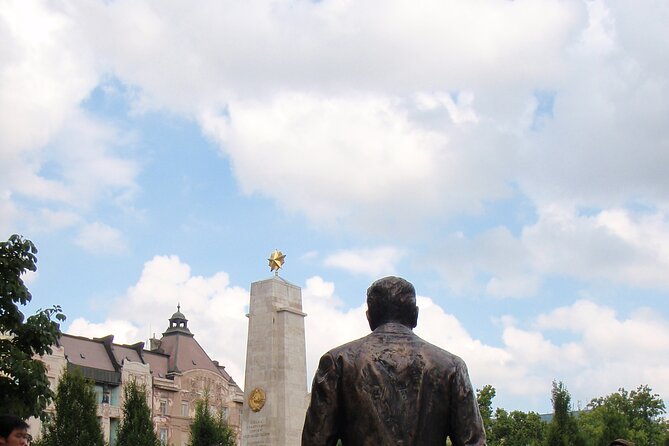
Communism’s rule over Hungary for over four decades profoundly shaped the lives of its citizens, significantly altering both the personal and societal landscape.
Under the communist regime, Hungarians faced severe restrictions on personal freedoms, such as limited freedom of speech, movement, and access to information. The state dictated all aspects of life, from employment to housing, leaving little room for individual choice.
Shortages of consumer goods and basic necessities were commonplace, forcing Hungarians to rely on black markets and informal networks to fulfill their needs.
The totalitarian nature of the system also led to widespread surveillance, repression, and fear, as the state sought to maintain its grip on power.
Despite these challenges, Hungarians developed coping mechanisms and a resilient spirit that would prove crucial in the transition to capitalism.
You can also read our reviews of more tours and experiences in Budapest.


Transition to Capitalism
The collapse of communism in 1989 ushered in a new era of profound change for Hungarians, as the country transitioned towards a market-based capitalist system.
This shift brought both opportunities and challenges, as the country grappled with privatization, economic restructuring, and the integration into global markets. Hungarians experienced:
-
Rapid privatization of state-owned enterprises, leading to the emergence of a new class of entrepreneurs and business owners
-
Uncertainty and job insecurity as industries underwent restructuring and downsizing
-
Exposure to foreign investment and the influx of multinational companies, which reshaped the economic landscape
-
Uneven distribution of wealth, with some Hungarians benefiting from the new system while others struggled with the social and economic upheaval.
Economic Conditions Under Communism

Under communist rule, Hungarians experienced a centralized, state-controlled economy that aimed to provide basic necessities and ensure full employment, though this often came at the expense of individual choice and economic dynamism.
Prices, wages, and production were set by the government, leading to shortages of consumer goods and inefficient allocation of resources. While the state guaranteed jobs, work quality and productivity suffered due to lack of incentives.
Housing, healthcare, and education were subsidized, but options were limited. Everyday luxuries and western imports were scarce.
Changes in Daily Life

Alongside the economic changes, Hungarians experienced profound shifts in their daily lives under the transition from communism to capitalism. Some of the key changes included:
- Greater personal freedoms and choices in areas such as travel, education, and career paths.
- Increased access to consumer goods and services, though affordability remained a challenge for many.
Shifts in social dynamics, with the decline of state-sponsored community organizations and the rise of new social networks.
Adaptation to a more fast-paced, competitive environment, requiring individuals to take on more responsibility for their own financial and professional success.
These transformations touched nearly every aspect of Hungarian life, reflecting the profound social impact of the country’s move towards a market-based economy and democratic governance.
Role of the State
One of the most significant changes during Hungary’s transition from communism to capitalism was the shifting role of the state in citizens’ lives.
Whereas the communist regime had exerted extensive control over the economy, society, and individual freedoms, the new capitalist system dramatically reduced the state’s direct involvement in many aspects of everyday life.
The state’s retreat from the economy allowed for the rise of private enterprise and market forces to play a more dominant role. However, the state’s diminished social welfare programs also led to increased economic insecurity for some segments of the population.


Popular Attitudes and Perceptions
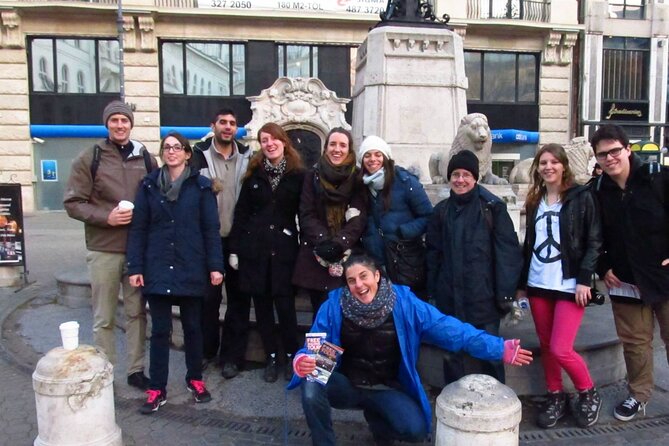
The shifting role of the state also impacted how Hungarians perceived their lives under communist and capitalist systems.
Many citizens grew accustomed to the state’s extensive involvement in their daily affairs during the communist era, and the subsequent reduction in state control and social welfare programs led to mixed reactions.
Some welcomed the newfound freedoms and personal autonomy, while others felt a sense of uncertainty and loss.
Attitudes towards the market economy were similarly divided, with some embracing the opportunities for entrepreneurship and higher living standards, and others lamenting the widening income inequality and erosion of job security.
Generational Differences
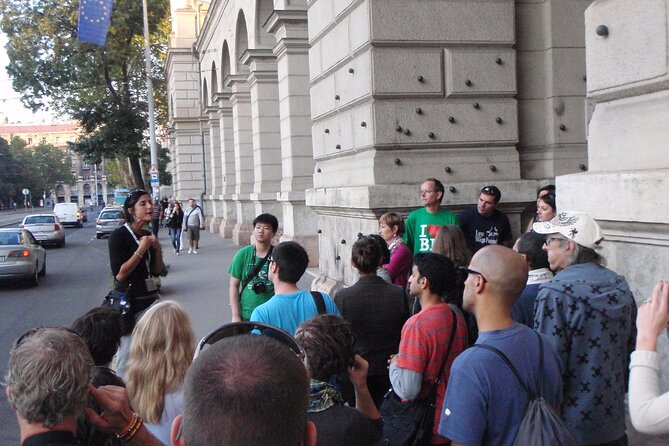
Generational differences played a pivotal role in how Hungarians perceived the transition from communism to capitalism.
While younger Hungarians generally embraced the new market-driven opportunities, their older counterparts often struggled to adapt to the dramatic changes.
The younger generation, raised in a more globalized and consumer-oriented environment, welcomed the increased personal freedoms and economic prospects offered by the capitalist system.
In contrast, many older Hungarians, accustomed to the stability and social welfare of the communist era, felt disoriented by the unfamiliar demands of the free market.
This generational divide shaped public sentiment and the pace of Hungary’s transformation, as the country navigated the challenges of transitioning to a new economic and social landscape.
Lasting Legacies
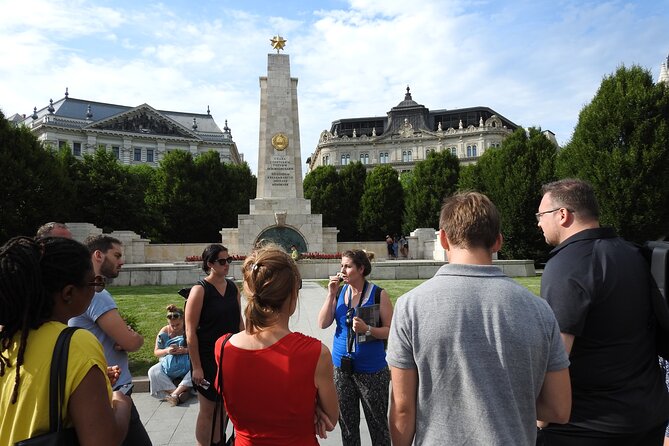
Despite the profound social and economic upheaval, the legacies of both communist and capitalist systems continue to shape the lived experiences of Hungarians today. The remnants of communist-era housing projects and state-owned enterprises are visible reminders of that era, even as the free market economy has taken hold.
The communist-era reliance on the state for social services has contributed to ongoing expectations for government support. The suppression of individual freedoms under communism has led to a deep-seated suspicion of central authority.
Nostalgia for the perceived stability of the communist period coexists with enthusiasm for newfound capitalist opportunities. The transition has spawned generational divides, with younger Hungarians embracing change more readily than their elders.
Plus, the cultural impact of decades under communist rule is reflected in Hungarians’ attitudes towards authority and their sense of national identity.
Frequently Asked Questions
What Were the Typical Wages Under Communism?
During communism in Hungary, wages were typically low and controlled by the state, with most workers earning just enough to cover basic necessities. Salaries were often determined by one’s job rather than individual merit or productivity.
How Did Housing Policies Differ Under the Two Systems?
Under communism, housing was state-owned and allocated based on need. In capitalism, housing is privately owned and allocated by the market. Housing quality and access have differed significantly between the two economic systems in Hungary.
What Were the Most Notable Censorship Practices in Communist Hungary?
The most notable censorship practices in communist Hungary included strict controls on media, publications, and artistic expression. Authorities banned or restricted content deemed critical of the regime, promoting communist ideals instead.
How Accessible Was International Travel for Hungarians During Communism?
During communist rule, international travel for Hungarians was highly restricted. The government tightly controlled foreign currency and exit visas, making it extremely difficult for most citizens to travel abroad. Travel was limited to approved destinations.
What Were the Main Challenges in Transitioning to a Market Economy?
Hungary faced several challenges in transitioning to a market economy after the fall of communism, including privatizing state-owned enterprises, establishing a legal and regulatory framework, and managing high inflation and unemployment rates.
Lives of Hungarians Under Communist and Capitalist System
“The tour guide gave us not only the life under communism, but also a lot of history of Budapest. Through her own experiences we gained a lot of per…”
Recap
The lives of Hungarians have been shaped by the radical shifts from communist rule to a capitalist system.
While communism imposed severe restrictions, the transition to capitalism brought both opportunities and challenges.
Generational differences emerged as younger Hungarians embraced the market-driven economy, while older generations struggled to adapt.
The legacies of both eras continue to coexist, reflected in the country’s evolving attitudes towards authority and national identity.


