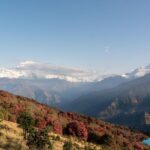
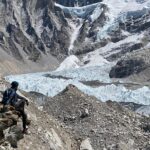
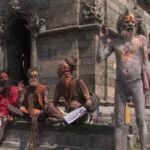
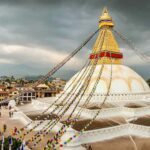
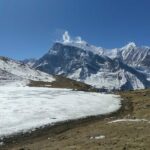
The Langtang Valley Trek in Nepal offers an unforgettable adventure through some of the country’s most captivating landscapes. Spanning 10 days, this trek showcases the natural splendor of Langtang National Park, home to iconic peaks, diverse wildlife, and serene alpine meadows. Trekkers can enjoy the rich Tamang culture, savor traditional cuisine, and witness the cascading waterfalls that make this journey truly remarkable. Whether you’re a seasoned hiker or a novice, the Langtang Valley Trek promises an experience that will leave a lasting impression. With its stunning vistas and immersive cultural encounters, it’s no wonder this trek has garnered enthusiastic praise from adventurers around the world.
Good To Know
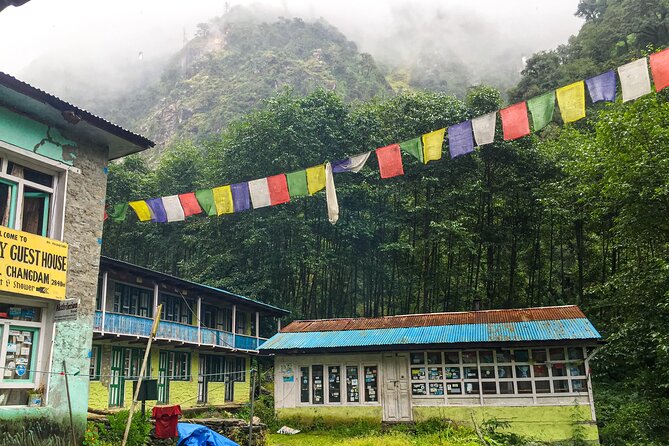
- The Langtang Valley trek offers a picturesque landscape with opportunities to spot diverse wildlife, including the endangered red panda and snow leopard.
- This 10-day trek suitable for both beginners and experienced trekkers showcases the natural wonders of Langtang National Park, including waterfalls and Tamang villages.
- The trek features a gradual acclimatization process, allowing trekkers to reach an altitude of up to 5000m at Tserko Ri/Kyanjin Ri.
- Accommodations along the trek range from basic tea houses to comfortable lodges, providing a balance of comfort and authentic Himalayan experiences.
- The trek offers opportunities to immerse in the Tamang culture, with visits to villages, observations of traditional architecture, and interactions with locals.
👉 Check out our guide to the 2 Best Guided Tours In Jagat
Contents
- Good To Know
- Trekking Overview and Highlights
- Itinerary and Daily Activities
- Trek Accommodations and Facilities
- Transportation and Logistics
- Wildlife and Natural Beauty
- Cultural Experiences and Interactions
- Trekking Difficulty and Preparation
- Traveler Reviews and Feedback
- Frequently Asked Questions
- Is There Reliable Mobile Network Coverage Throughout the Trek?
- Can I Book the Trek at the Last Minute?
- What Is the Weather Like During the Trekking Season?
- Can I Extend or Shorten the Trek Duration?
- Do I Need Any Specific Permits or Paperwork for This Trek?
- Sum Up
- Our Top Picks in Kathmandu
- More Hiking & Trekking Tours in Kathmandu
- More Tour Reviews in Kathmandu
- Not for you? Here's more things to do in Kathmandu we have recnetly reviewed
Trekking Overview and Highlights
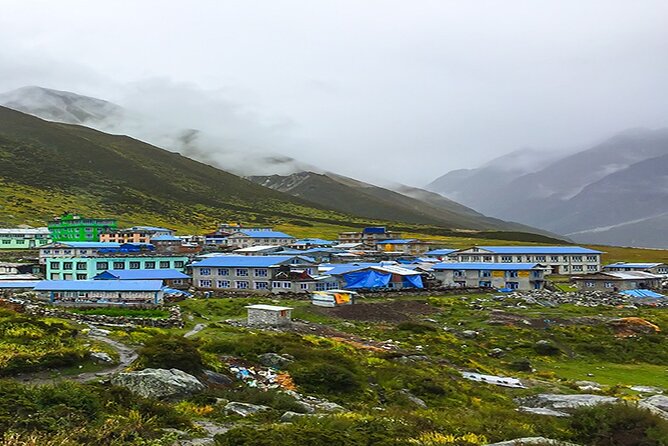
The Langtang Valley trek offers an engaging adventure through the picturesque landscapes of Nepal.
This easy, short, and less crowded trek is suitable for both first-time and experienced trekkers.
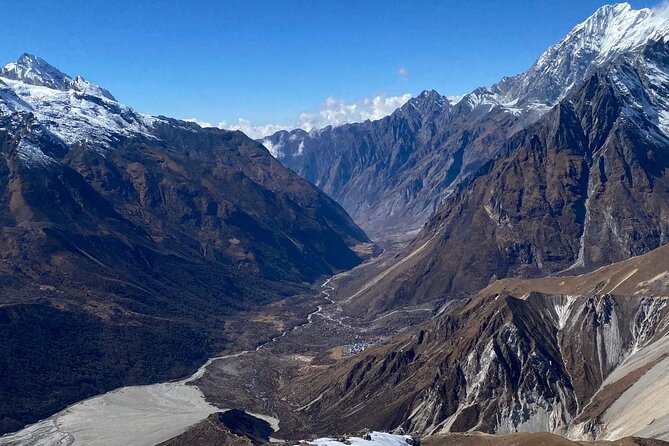
Featuring beautiful vistas, quaint Tamang villages, and stunning waterfalls, the trek showcases the natural wonders of the Langtang National Park.
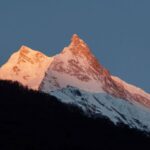
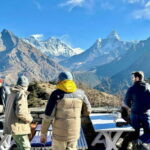
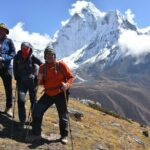
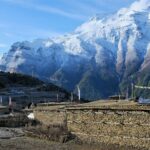
Iconic mountains like Langtang Lirung, Langtang Ri, Dorje Lakpa, and Ganesh Himal provide a breathtaking backdrop.
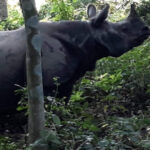
Trekkers have the chance to spot unique wildlife, including red pandas, snow leopards, and diverse bird species.
With its mix of ascents and descents, the Langtang Valley trek promises an unforgettable journey through Nepal’s Himalayan splendor.
Ready to hit more trails? More hiking adventures we feature in Kathmandu
Itinerary and Daily Activities
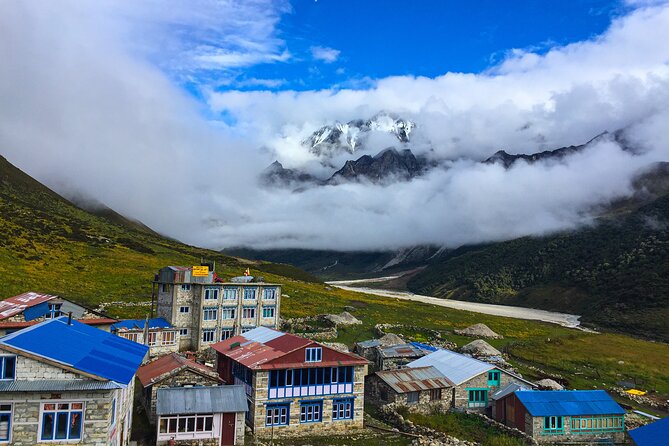
Kicking off the Langtang Valley trek, travelers embark on a journey that spans 10 days, starting with their arrival in Kathmandu. The itinerary includes exploring the city’s historic temples and monuments, followed by a drive to Syabrubesi. From there, the trek progresses through Lama Hotel, Langtang Valley, and Kyanjin Gompa, reaching altitudes up to 5000m. Highlights include a hike to Tserko Ri or Kyanjin Ri and the opportunity to witness unique wildlife within Langtang National Park.
| Day | Destination | Max Altitude |
|---|---|---|
| 3 | Syabrubesi | 1550m |
| 4 | Lama Hotel | 2380m |
| 5 | Langtang Valley | 3307m |
| 6 | Kyanjin Gompa | 3817m |
| 7 | Tserko Ri / Kyanjin Ri | 5000m / 4600m |
Trek Accommodations and Facilities
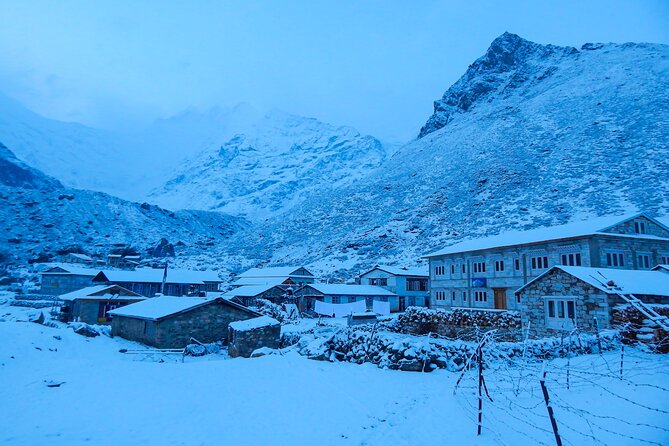
Throughout the Langtang Valley trek, trekkers will find a mix of hotels and lodges to accommodate their needs. The accommodations range from basic tea houses to more comfortable lodges, providing a variety of options to suit different budgets and preferences.
Rooms are typically simple but clean, with shared bathroom facilities. Some lodges may offer upgraded amenities like private bathrooms or heated rooms, though these are less common along the trek route.
Meals are served at the lodges, featuring traditional Nepali cuisine as well as some Western dishes. The trek’s accommodations offer a comfortable and authentic experience amidst the stunning Himalayan scenery.
Transportation and Logistics
Private transportation is provided throughout the Langtang Valley trek, ensuring a seamless journey for participants. The trek includes a mix of jeep rides and trekking through the scenic landscapes of the Himalayas. Guests are picked up at Tribhuvan Airport and driven to their hotel in Kathmandu. All necessary permits for the trek are also included.
| Transportation | Details |
|---|---|
| Airport Pickup | Provided from Tribhuvan Airport |
| Ground Transport | Jeep rides and trekking |
| Permits | All necessary permits included |
The combination of private transportation and inclusive logistics allows trekkers to focus on the breathtaking natural beauty and cultural experiences of the Langtang Valley trek.
Wildlife and Natural Beauty
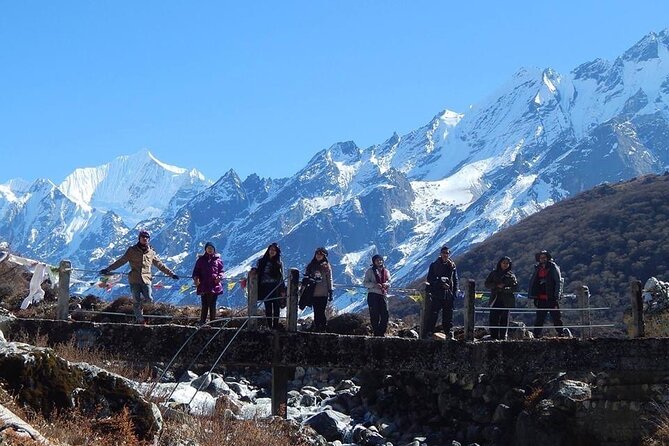
The Langtang Valley trek offers a chance to observe a diverse array of wildlife within the boundaries of Langtang National Park. Trekkers may spot the elusive red panda, known for its distinctive reddish-brown fur and fluffy tail.
The park is also home to several species of endangered birds, including the Himalayan monal, danphe, and Himalayan griffon. Chances of sighting snow leopards, though rare, add to the thrill of the trek.
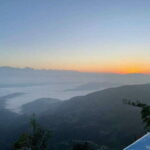
Pristine alpine meadows, cascading waterfalls, and towering Himalayan peaks create a stunning natural backdrop, making the Langtang Valley a true gem for nature enthusiasts.
- Red pandas
- Himalayan monal
- Danphe
- Himalayan griffon
- Snow leopards

Cultural Experiences and Interactions
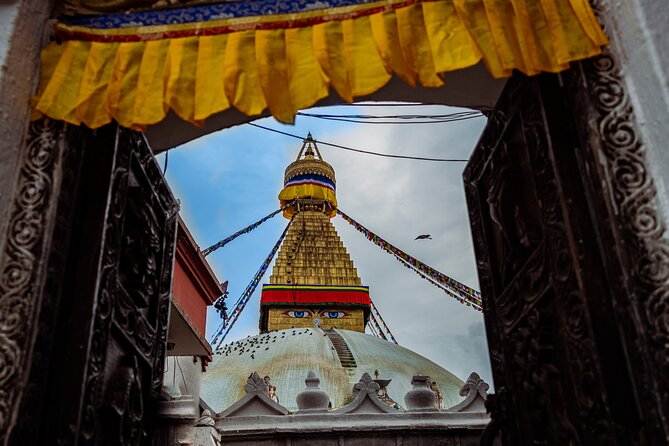
What cultural experiences can trekkers expect on the Langtang Valley trek? The trek offers a unique opportunity to take in the Tamang culture.
Trekkers will pass through several Tamang villages, where they can observe the traditional way of life, architecture, and craftsmanship. Interactions with the locals provide insights into their customs, beliefs, and daily routines.
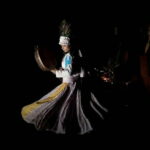
Visitors may be invited to partake in cultural activities, such as traditional dances or ceremonies, allowing for a deeper understanding of the Tamang people.
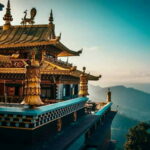
The trek also showcases the region’s Buddhist heritage, with the chance to explore centuries-old monasteries and witness religious practices.
These cultural encounters enrich the trekking experience, fostering a greater appreciation for Nepal’s diverse heritage.
Trekking Difficulty and Preparation
While the Langtang Valley trek is considered an easy and relatively short trek, trekkers shouldn’t underestimate the physical demands. Proper preparation is key to ensure a safe and enjoyable journey:
-
Build cardiovascular fitness through regular exercise leading up to the trek
-
Break in hiking boots and ensure proper foot care to prevent blisters
-
Stay hydrated and maintain a healthy diet to fuel the body during the trek
-
Acclimate gradually to the high altitude to minimize the risk of altitude sickness
-
Pack appropriate clothing and gear to stay comfortable in the changing mountain climate
The trek’s moderate difficulty level makes it suitable for both novice and experienced trekkers, but paying attention to these preparation tips will enhance the overall experience.
Traveler Reviews and Feedback
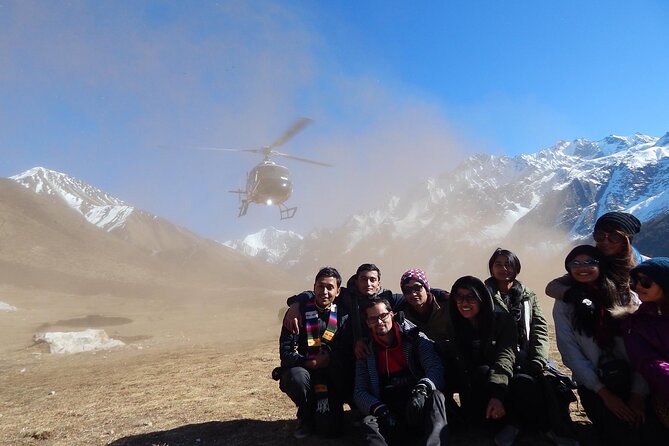
Travelers who’ve embarked on the Langtang Valley trek rave about the unforgettable experiences it offers.
With a perfect 5.0 rating based on 2 reviews, the trek has received overwhelmingly positive feedback. Guests praise the stunning landscapes, well-organized logistics by the Hit The Himalaya team, and the memorable cultural encounters along the route.
Trekkers highlight the opportunity to witness unique wildlife, such as red pandas and snow leopards, within the Langtang National Park.
Frequently Asked Questions
Is There Reliable Mobile Network Coverage Throughout the Trek?
There is generally reliable mobile network coverage along the Langtang Valley trek, though some remote areas may have sporadic or no signal. Trekkers should check with their service provider for coverage details.
Can I Book the Trek at the Last Minute?
You can generally book the Langtang Valley Trek at the last minute, but it’s best to plan ahead. Last-minute bookings may be limited by availability and could increase costs. Advance planning ensures a smoother, more affordable trekking experience.
What Is the Weather Like During the Trekking Season?
The weather is generally mild and dry during the peak trekking season, with daytime temperatures ranging from 10-20°C. Nights can be cool, so warm layers are recommended. Occasional rain or snow is possible at higher elevations.
Can I Extend or Shorten the Trek Duration?
The trek duration can be extended or shortened based on the traveler’s preferences and physical capabilities. Hit The Himalaya offers flexible itineraries to accommodate various schedules and activity levels for a personalized trekking experience in the Langtang region.
Do I Need Any Specific Permits or Paperwork for This Trek?
Yes, trekkers need a Langtang National Park permit and possibly a trekking permit for the Langtang Valley trek. These can be obtained through the trek organizer or purchased in Kathmandu before the start of the trek.
Langtang Valley Trek
Sum Up
The Langtang Valley Trek offers trekkers a captivating adventure through Nepal’s stunning landscapes. This 10-day trek showcases the natural beauty of Langtang National Park, allowing visitors to enjoy the rich Tamang culture, witness diverse wildlife, and experience the serene alpine meadows and cascading waterfalls. With varying difficulty levels, the trek caters to both novice and seasoned adventurers, making it an unforgettable journey for anyone seeking an authentic Himalayan experience.