
The "Slavery and City of London Walking Tour" offers a unique opportunity to uncover the hidden histories that shaped the city’s development. Led by knowledgeable guides, participants explore key landmarks and uncover their architectural and historical connections to slavery. The tour provides valuable insights into London’s complex legacy, focusing on the influential anti-slavery advocate Granville Sharp. As visitors explore the city’s enslaved communities, they’ll gain a deeper understanding of the lasting impact slavery has had on the metropolis. This thought-provoking experience invites attendees to reckon with London’s past and consider its lasting implications.
Key Points
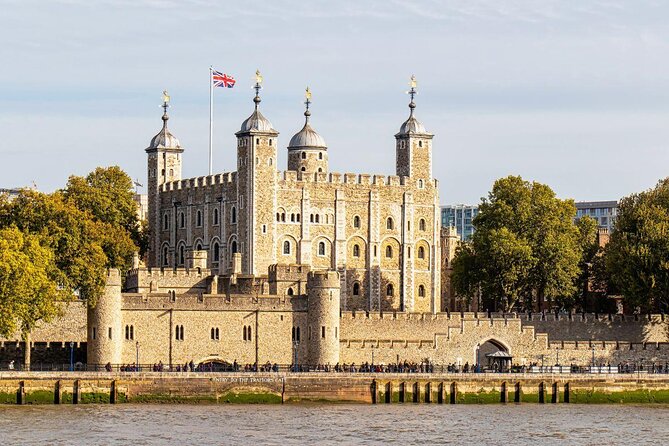
- The tour explores hidden histories of enslaved communities that contributed to London’s growth and prosperity.
- Guides provide expert insights into the architectural connections between landmarks and the slave trade.
- Highlights the advocacy of Granville Sharp, an 18th-century anti-slavery pioneer, and his landmark legal case.
- Emphasizes the deep-rooted and enduring legacy of slavery in shaping London’s fabric.
- Uplifting tone helps navigate the complexities of this historical topic, enhancing the educational value of the tour.

👉 Check out our guide to the 2 Best Craft Beer Tours And Tastings In London
Contents
- Key Points
- Tour Overview and Highlights
- Tour Details
- What to Expect
- Tour Experience and Reviews
- Exploring London’s Enslaved Communities
- Landmarks of Slavery’s Impact
- Granville Sharp’s Anti-Slavery Advocacy
- London’s Lasting Connections to Slavery
- Frequently Asked Questions
- Can I Bring Food and Drinks on the Tour?
- What Is the Cancelation Policy for the Tour?
- Are There Any Discounts Available for Students or Seniors?
- Can the Tour Be Customized for Private or Group Bookings?
- Is the Tour Suitable for Young Children or Families?
- Recap
- Our Top Picks in London
- More Walking Tours in London
- More Tours in London
- More Tour Reviews in London
- Not for you? Here's more things to do in London we have recnetly reviewed
Tour Overview and Highlights

The Slavery and City of London Walking Tour offers an immersive exploration of the hidden histories that enriched the city through the labor of enslaved communities.
This 5.0-rated tour, led by knowledgeable and engaging guides, takes participants to landmarks like the Roman wall of Londonium, St. Paul’s Cathedral, and the Bank of England Museum.
With a maximum group size of 35, the tour provides an intimate experience, delving into the impact of slave labor on the UK’s growth.
Travelers can expect architectural insights and connections to slavery, as well as an uplifting tone that contextualizes this complex history.
Whether interested in 18th-century anti-slavery advocates or the lasting effects of slavery, this tour offers a unique and informative perspective on London’s past.
If you're enjoying exploring London on foot, you'll love these other walking tours we recommend


Tour Details

The tour’s meeting point is Tower Hill Tram, Trinity Square, London EC3N 4TH, UK, with the endpoint at Aldgate Station, Aldgate High St, London EC3N 1AH, UK.
The tour starts at 12:00 PM and is operated by Sams Walks. The price is from $16.35, and there’s free cancellation up to 24 hours before the tour.
The tour isn’t wheelchair accessible but is stroller accessible, and most travelers can participate. The maximum group size is 35 people.
What to Expect

Guests on this tour can expect to learn about Granville Sharp, a prominent 18th-century British anti-slavery advocate. The tour provides insight into the impact of slave labor on the growth of the UK.
Highlights include:
- Exploration of hidden histories of enslaved communities that enriched London.
- Visits to landmarks like the Roman wall of Londonium, St. Paul’s Cathedral, and the Bank of England Museum.
- Architectural insights and connections to slavery.
The tour isn’t wheelchair accessible but is stroller accessible. Most travelers can participate, and the guides are known for their knowledgeable, engaging, and unique perspectives on London’s history.
Tour Experience and Reviews

Guides are known for their knowledgeable, engaging, and unique perspectives on London’s history, providing travelers with an informative and enjoyable pacing throughout the tour. Reviewers consistently praise the expertise and charisma of their guide, Sam, who skillfully brings the city’s connections to slavery to life. The tour’s architectural insights and links to nursery rhymes are also highlighted as enriching experiences. Travelers emphasize the tour’s uplifting tone, despite the serious subject matter, and its ability to provide a comprehensive understanding of London’s complex past.
| Positive Experiences | Informative Nature | Enjoyable Pacing | Knowledgeable Guide | Unique Perspectives |
|---|---|---|---|---|
| ✓ | ✓ | ✓ | ✓ | ✓ |
Exploring London’s Enslaved Communities
London’s enslaved communities played a vital role in the city’s growth and prosperity, enriching its cultural fabric in profound ways.
This walking tour delves into the hidden histories of these communities, uncovering their profound impact on London’s development.
Highlights include:
-
Exploring the connections between slave labor and the rise of iconic landmarks like the Bank of England and St. Paul’s Cathedral.
-
Learning about Granville Sharp, a prominent 18th-century anti-slavery advocate who championed the rights of enslaved people.
-
Discovering the lasting influence of enslavement on the city’s architecture, infrastructure, and even its nursery rhymes.
Through this immersive experience, participants gain a deeper understanding of London’s complex past and the enduring legacy of slavery within its communities.
Want to dig deeper into London? We've also reviewed these city tours


Landmarks of Slavery’s Impact
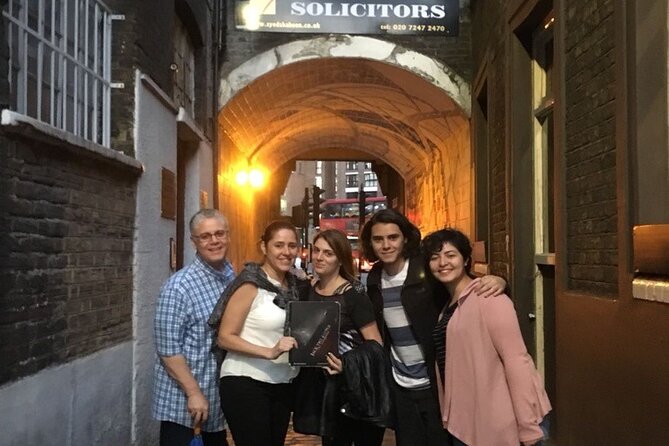
As the tour explores the hidden histories of London’s enslaved communities, it sheds light on the city’s most iconic landmarks and their connections to the institution of slavery.
The tour visits the Roman wall of Londonium, a remnant of the ancient city that prospered through trade, some of which was fueled by slave labor.
Participants also explore St. Paul’s Cathedral, a symbol of British power, whose construction and maintenance relied on the wealth generated by the slave trade.
The tour culminates at the Bank of England Museum, where visitors gain insight into how the profits of slavery shaped the growth of London’s financial district.
Granville Sharp’s Anti-Slavery Advocacy
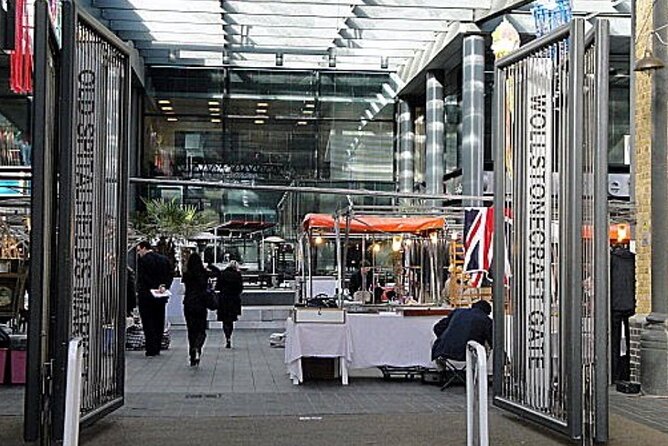
Granville Sharp, a prominent 18th-century British anti-slavery advocate, serves as a central figure in the tour’s exploration of London’s historical connection to the slave trade.
The tour highlights Sharp’s groundbreaking efforts in challenging the institution of slavery, including:
-
His landmark 1772 legal case that set a precedent prohibiting the enslavement of Black people in England.
-
His founding of the Committee for the Abolition of the Slave Trade, which played a pivotal role in the eventual abolition of the British slave trade in 1807.
-
His advocacy for the hotel of Sierra Leone as a free colony for formerly enslaved people, marking an important step towards the emancipation of enslaved individuals.
The tour’s focus on Sharp’s anti-slavery activism provides a powerful counterpoint to the city’s complicity in the slave trade, offering a more nuanced understanding of London’s complex history.
London’s Lasting Connections to Slavery
The tour’s examination of Granville Sharp’s anti-slavery advocacy sets the stage for exploring London’s deep-rooted connections to the slave trade.
The city’s growth and prosperity were inextricably linked to the profits of the transatlantic slave economy.
Landmarks like the Bank of England Museum illuminate how slave labor and the wealth it generated fueled the expansion of London’s financial institutions.
The tour’s insightful connections between the city’s architecture and its colonial past provide a sobering reminder of the human toll behind Britain’s imperial might.
Participants gain a nuanced understanding of how the legacy of slavery continues to shape the fabric of London, underscoring the importance of confronting this complex history.
Frequently Asked Questions
Can I Bring Food and Drinks on the Tour?
The tour allows participants to bring small snacks and non-alcoholic drinks. However, it’s recommended to avoid large or messy items that could distract from the tour experience or disrupt the group. Proper attire and comfortable walking shoes are advised.
What Is the Cancelation Policy for the Tour?
The tour has a free cancellation policy up to 24 hours before the scheduled start time. Customers can cancel their booking and receive a full refund if they need to change their plans.
Are There Any Discounts Available for Students or Seniors?
Based on the provided information, there don’t appear to be any special discounts mentioned for students or seniors on this tour. The tour price is listed as a flat rate of $16.35 per person.
Can the Tour Be Customized for Private or Group Bookings?
The tour can be customized for private or group bookings. Customers can contact the tour operator, Sams Walks, to inquire about arranging a private tour or adjusting the group size and itinerary to meet their specific needs.
Is the Tour Suitable for Young Children or Families?
The tour appears suitable for families with children, as it’s stroller accessible and most travelers can participate. However, the subject matter may be too heavy for young children, so discretion is advised when booking with families.
Slavery and City of London Walking Tour
“Extremely interesting Sam’s broad hostorical knowledge of the area was most informative revealing another side to some of our most treasured land…”
Recap
The "Slavery and City of London Walking Tour" provides a profound exploration of London’s complex history with slavery. Participants uncover the architectural and historical connections to enslaved communities that significantly shaped the city’s development. The tour offers valuable insights into London’s past, fostering a deeper understanding of its legacy through the lens of anti-slavery advocate Granville Sharp and the landmarks that reflect slavery’s impact on the city.


