
Tia Ciata’s home in Little Africa has long been celebrated as the epicenter of Brazil’s samba culture. This immersive tour guides visitors through the vibrant history of this musical legacy, uncovering the profound influence of this Matriarch of Samba. By exploring key landmarks like Valongo Wharf, the tour delves into the African roots of samba and its enduring impact on Brazilian society. With insightful commentary and a focus on accessibility, the tour promises to captivate those seeking to understand the rich tapestry of Afro-Brazilian traditions that have shaped the nation’s cultural identity.
Key Points
• Tia Ciata, the Matriarch of Samba, played a pivotal role in shaping the cultural legacy of samba in the Little Africa district of Rio de Janeiro.
• The home of Tia Ciata served as a hub for samba musicians and artists, fostering the development and proliferation of the genre.
• The Valongo Wharf and Dockworkers Square in Little Africa are significant landmarks that highlight the African roots and influences that shaped the evolution of samba.
• Guided tours of Little Africa, led by experts like Marllon Azevedo, provide an immersive experience for visitors to understand the district’s integral role in samba’s history.
• The legacy of Tia Ciata and the cultural heritage of Little Africa continue to inspire and influence contemporary expressions of Brazilian music and society.

👉 Check out our guide to the 6 Best Canoe And Kayak Experiences In Rio De Janeiro
Contents
- Key Points
- Overview of the Tour
- Significance of Tia Ciata
- The Legacy of Tia Ciata
- Exploration of Little Africa
- Samba’s Roots in the Region
- Accessibility and Logistics
- Visitor Feedback and Reactions
- The Cultural Impact Continues
- Frequently Asked Questions
- How Can I Learn More About Afro-Brazilian History and Culture?
- What Other Tours or Experiences Are Available in the Little Africa Area?
- Are There Opportunities to Participate in Samba Workshops or Classes?
- Where Can I Find More Information on the Contributions of Tia Ciata?
- Are There Any Local Artisans or Vendors I Can Support in the Neighborhood?
- Recap
- Our Top Picks in Rio de Janeiro
- More Historical Tours in Rio de Janeiro
- More Tour Reviews in Rio de Janeiro
- Not for you? Here's more things to do in Rio de Janeiro we have recnetly reviewed
Overview of the Tour
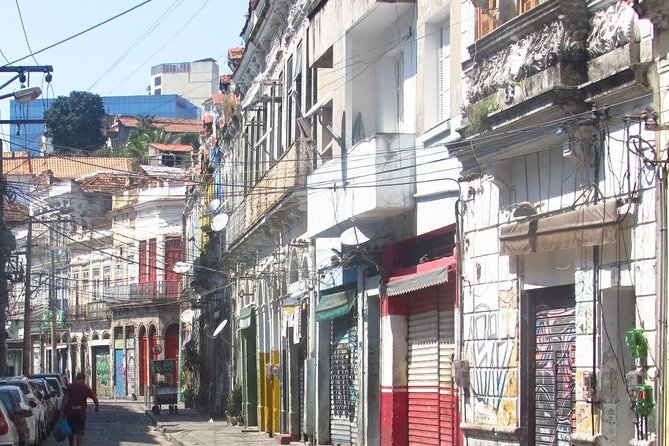
The tour of Little Africa in Rio de Janeiro starts at the MAR – Rio Art Museum and includes significant sites such as the Church of São Francisco da Prainha, Largo São Francisco de Prainha, Salt Rock (Pedra do Sal), Valongo Wharf (Cais do Valongo), Dockworkers Square (Praça dos Estivadores), Valongo Hanging Garden (Jardim Suspenso do Valongo), and ends at the Cultural Space Casa da Tia Ciata.
Guided by the accredited tour guide Marllon Azevedo, this journey explores the important role of this region in the history of samba and African heritage in Brazil.
The tour lasts 30 minutes at the final destination, the Casa da Tia Ciata, and is accessible for wheelchair users and strollers with nearby public transportation options.
Fascinated by Rio de Janeiro's past? More historical tours we've covered


Significance of Tia Ciata
Ciata Paths the History of Samba in Little Africa
Tia Ciata, revered as the Matriarch of Samba, played a pivotal role in the cultural formation of Brazil. Known for her Baiana de Acarajé Board tradition, Tia Ciata was recognized in ‘Heroes and Heroines of Rio de Janeiro’ for her contributions to samba and the broader Brazilian cultural scene.
Her home in Little Africa became a hub for musicians, artists, and intellectuals, where the foundations of samba were laid. Tia Ciata’s legacy celebrates the African influence on Brazilian music and society, making her an integral figure in the history of samba and its cultural significance.
The Legacy of Tia Ciata
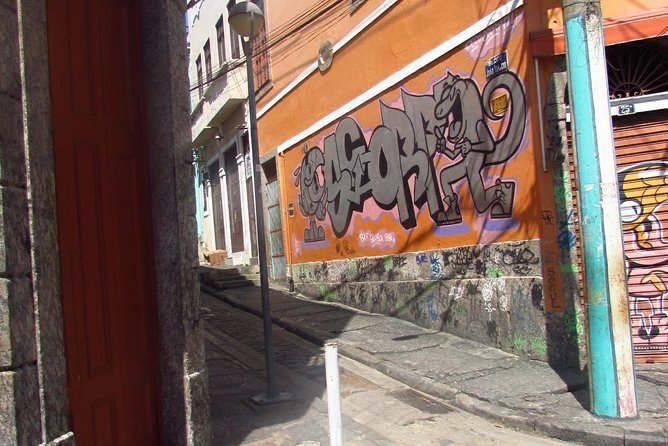
Tia Ciata’s legacy continues to shape Brazil’s cultural landscape, as her pivotal role in the history of samba and her Baiana de Acarajé Board tradition have cemented her status as a revered matriarch of the nation’s musical heritage.
Her contributions as a cultural leader and mentor to countless samba artists have made her an iconic figure, recognized in ‘Heroes and Heroines of Rio de Janeiro.’
Tia Ciata’s home in the Little Africa district of Rio de Janeiro served as a hub for samba gatherings, where the music and its traditions were cultivated and passed down.
Today, her legacy lives on, inspiring a deeper appreciation for the African roots that have so profoundly influenced Brazilian culture.
Exploration of Little Africa
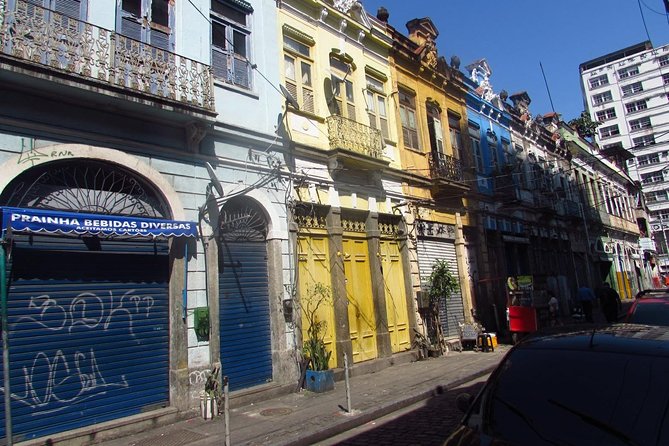
Beyond Tia Ciata’s legacy, the Little Africa district of Rio de Janeiro offers visitors a chance to explore the area’s integral role in the history of samba and African heritage in Brazil.
The tour guide, Marllon Azevedo, leads participants through significant sites in this cultural hub, showcasing the profound influence of African traditions on Brazilian music and society.
The tour begins at the MAR – Rio Art Museum and winds through landmarks like the Church of São Francisco da Prainha, the Valongo Wharf, and the Valongo Hanging Garden, ultimately culminating at the Cultural Space Casa da Tia Ciata.
This journey provides an immersive experience, allowing visitors to deepen their understanding of the African roots that have shaped Rio’s vibrant cultural landscape.
Samba’s Roots in the Region
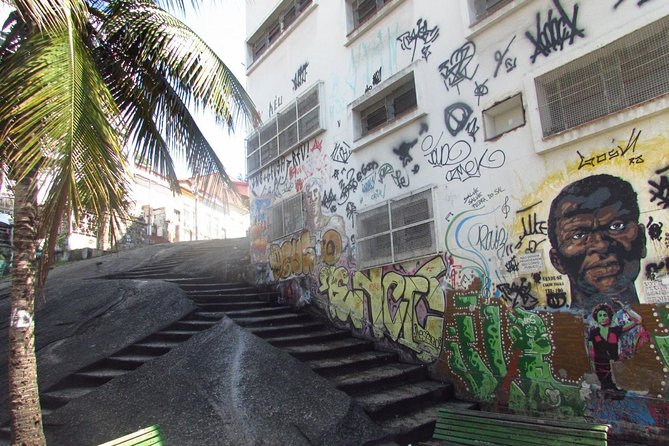
Ciata Paths the History of Samba in Little Africa
The Little Africa district of Rio de Janeiro has long been recognized as the birthplace of samba, a vibrant musical genre that has become a cornerstone of Brazilian cultural identity. Tia Ciata, the legendary matriarch of samba, played a pivotal role in establishing this rich musical tradition within the community.
Some key facts about samba’s roots in Little Africa:
-
The district’s vibrant Afro-Brazilian culture and traditions provided the foundation for the development of samba.
-
Gatherings at Tia Ciata’s home were instrumental in the early evolution of samba, serving as a hub for musicians, dancers, and cultural exchange.
-
The rhythms and influences of West African music were seamlessly woven into the emerging samba sound.
-
Little Africa became a sanctuary where samba could flourish, shaping its unique identity and paving the way for its rise to national prominence.


Accessibility and Logistics
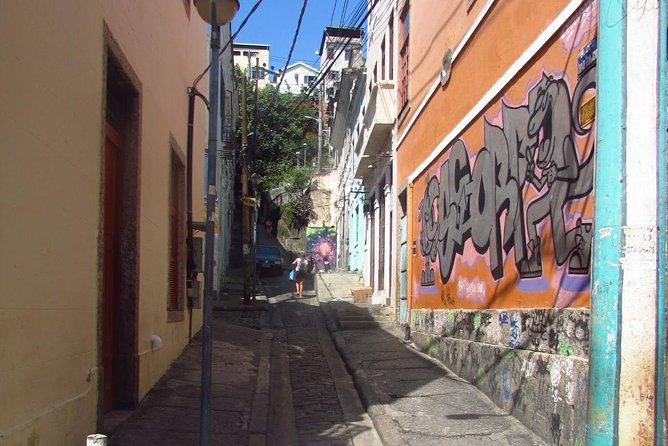
The tour of Little Africa offers accessibility, with the experience starting at the MAR – Rio Art Museum and concluding at the Cultural Space Casa da Tia Ciata, which is wheelchair and stroller accessible.
Public transportation is available nearby, and the admission ticket is free with the option for free cancellation up to 24 hours before the start.
The tour lasts for around 30 minutes at the final stop, providing visitors with an educational and cultural experience that celebrates the legacy of Tia Ciata, the Matriarch of Samba, and the significance of the Little Africa region in the history of Brazilian music and society.
Accessibility and convenience make this tour an inclusive and accessible cultural offering.
Visitor Feedback and Reactions
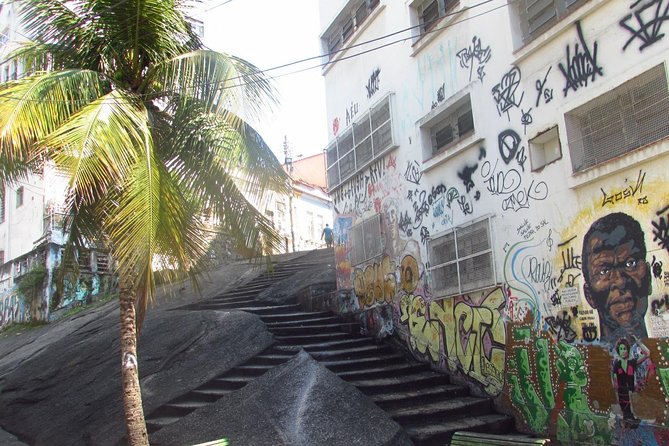
Visitors have overwhelmingly praised the tour, with a perfect 5.0 rating from 5 reviews, highlighting the educational value and cultural significance of the experience.
Reviewers expressed:
-
Deep appreciation for learning about Tia Ciata’s pivotal role in shaping Brazilian samba and culture.
-
A desire for greater awareness and inclusion of African history in educational curricula.
-
Satisfaction with the guided exploration of Little Africa’s landmarks and their connection to samba’s origins.
-
An enriching sense of immersion in the vibrant heritage of this historic neighborhood.
The tour’s emphasis on Tia Ciata’s legacy and the African roots of samba has clearly resonated with visitors, underscoring its importance in preserving and honoring Brazil’s cultural diversity.
The Cultural Impact Continues
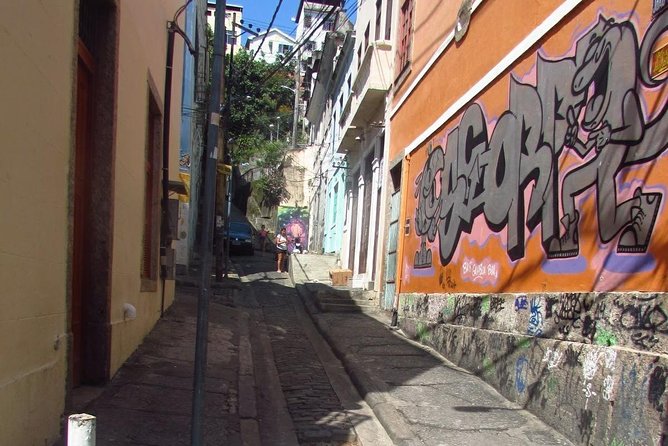
Ciata Paths the History of Samba in Little Africa
The Cultural Impact Continues
Beyond the tour’s profound impact on visitors, Tia Ciata‘s enduring legacy continues to shape Brazil’s cultural landscape, inspiring a deeper appreciation for the African roots that infuse the nation’s most iconic musical traditions.
Through grassroots efforts and community-driven initiatives, the legacy of Tia Ciata and the vibrant history of Little Africa live on, empowering new generations to embrace their heritage and champion the preservation of these vital cultural touchstones.
As the echoes of samba reverberate through the streets, the spirit of Tia Ciata serves as a powerful reminder of the transformative potential of art, community, and the enduring influence of African diaspora traditions within the Brazilian identity.
Frequently Asked Questions
How Can I Learn More About Afro-Brazilian History and Culture?
To learn more about Afro-Brazilian history and culture, one can explore guided tours, visit museums, attend cultural events, read books by Afro-Brazilian authors, and seek out educational resources that highlight the significant contributions of the African diaspora in Brazil.
What Other Tours or Experiences Are Available in the Little Africa Area?
Along With the tour of Little Africa, visitors can explore Pedra do Sal, a historic site with live samba performances, and the Valongo Wharf, a UNESCO World Heritage site that commemorates the African slave trade in Brazil.
Are There Opportunities to Participate in Samba Workshops or Classes?
Yes, visitors can participate in samba workshops and classes in Little Africa. Many cultural spaces, like Casa da Tia Ciata, offer opportunities to learn about and experience the rich samba traditions of this historic neighborhood.
Where Can I Find More Information on the Contributions of Tia Ciata?
Visitors can learn more about Tia Ciata’s contributions through the Casa da Tia Ciata cultural space, which celebrates her role as the Matriarch of Samba and her significant influence on Brazilian cultural formation.
Are There Any Local Artisans or Vendors I Can Support in the Neighborhood?
The tour highlights local artisans and vendors in the Little Africa neighborhood. Visitors can support these small businesses and learn about the rich cultural heritage of the area during the guided experience.
Ciata Paths the History of Samba in Little Africa
“This was amazing tour by Joana G.
This African tour and all the history need to be put out to world. Tia Ciata’s was a very important lady, this …”
Recap
The ‘Ciata Paths the History of Samba in Little Africa‘ tour celebrates the enduring legacy of Tia Ciata, the Matriarch of Samba.
It immerses visitors in the vibrant history and cultural heritage of samba, tracing its roots in the Afro-Brazilian community of Little Africa.
By exploring significant landmarks, the tour highlights the profound impact of samba on Brazil’s identity, showcasing its enduring influence on the country’s artistic and social landscape.


