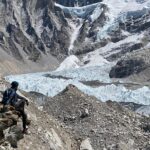
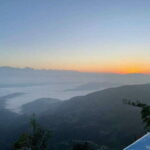
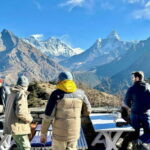
The Everest Base Camp trekking experience is a 14-day journey that takes adventurers on an unforgettable expedition through the heart of the Himalayan mountains. Beginning with a scenic flight to Lukla, trekkers embark on a gradual ascent through the picturesque Dudh Kosi Valley, eventually reaching the iconic Everest Base Camp at an altitude of 5,364 meters. Along the way, they’ll enjoy comfortable guesthouses, nourishing meals, and the opportunity to acclimatize, ensuring a safe and memorable adventure amidst the breathtaking Himalayan scenery. But the true magic of this trek lies in the personal challenges overcome and the connections forged with the captivating Sherpa culture.
Key Points
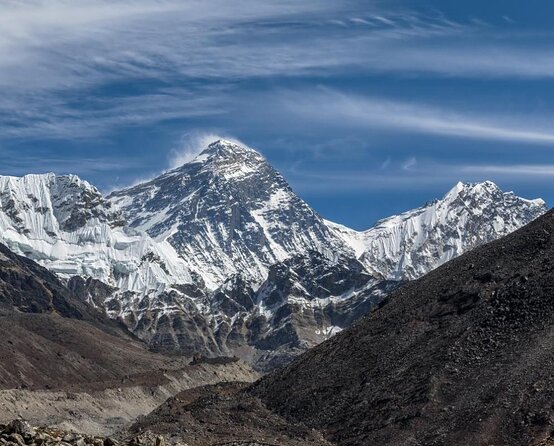
- The 14-day trek from Kathmandu to Everest Base Camp at 5,364 meters (17,594 feet) features a scenic flight to Lukla Airport and gradual ascent through the Dudh Kosi Valley.
- Acclimatization days in Namche Bazar, Khumjung, and Khunde prepare trekkers for the ascent to Dingboche (4,260 meters) before reaching Everest Base Camp.
- Comfortable overnight stays in guesthouses, all meals included, and a 3-star hotel in Kathmandu provide a well-rounded trekking experience.
- Positive feedback highlights the professionalism and expertise of the guides, who ensure a safe and memorable journey with culture.
- Recommended gear includes a basic first aid kit, trekking poles, and large plastic bags, enhancing the overall trekking experience and safety.
👉 Check out our guide to the 2 Best Guided Tours In Jagat
Contents
- Key Points
- Trek Overview
- Route Details
- Accommodations and Meals
- Inclusions and Exclusions
- Positive Feedback
- Guide Experiences
- Recommended Gear
- Booking and Cancellation
- Frequently Asked Questions
- How Difficult Is the Everest Base Camp Trek?
- What Is the Best Time of Year to Do This Trek?
- What Level of Fitness Is Required for This Trek?
- Can I Extend or Shorten the Trek Duration?
- What Happens if I Get Altitude Sickness During the Trek?
- Recap
- Our Top Picks in Kathmandu
- More Hiking & Trekking Tours in Kathmandu
- More Tour Reviews in Kathmandu
- Not for you? Here's more things to do in Kathmandu we have recnetly reviewed
Trek Overview
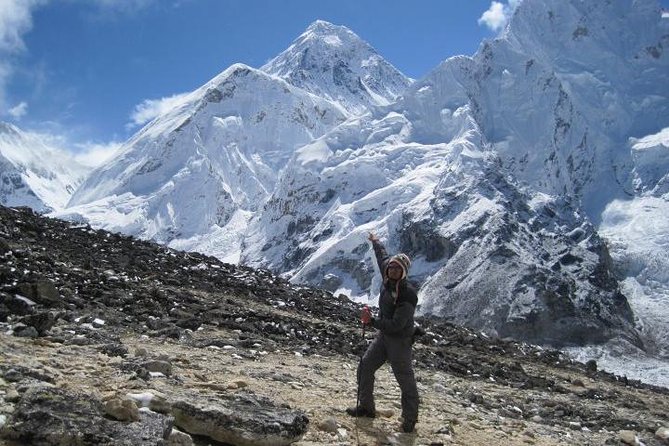
The Everest Base Camp trek is a renowned 14-day journey that takes adventurers from Kathmandu to the breathtaking altitude of 5,364 meters (17,594 feet) at Everest Base Camp.
The trek begins with a scenic flight from Kathmandu to Lukla Airport, followed by a gradual ascent through the Dudh Kosi Valley to the Sherpa town of Namche Bazar at 3,440 meters.
Acclimatization days are spent in Namche, Khumjung, and Khunde before continuing to Dingboche at 4,260 meters for further acclimation.
The final push to Everest Base Camp is made via Gorakshep and Mt. Pumori, with the return trek to Lukla Airport completed in 4 days.
Ready to hit more trails? More hiking adventures we feature in Kathmandu
Route Details
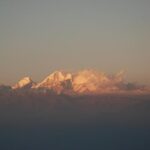
This 14-day Everest Base Camp trek starts with a scenic flight from Kathmandu to Lukla Airport, situated at an elevation of 2,860 meters. The route then follows the Dudh Kosi Valley, ascending to the renowned Sherpa town of Namche Bazar at 3,440 meters. After acclimatizing in Namche, Khumjung, and Khunde, the trek continues to Dingboche at 4,260 meters for further acclimatization. The final ascent takes trekkers to Everest Base Camp at 5,364 meters via Gorakshep and Mt. Pumori. The return journey covers the same route in 4 days, allowing for a timely flight back to Kathmandu.
| Elevation | Location | Duration |
|---|---|---|
| 2,860 m | Lukla Airport | Start |
| 3,440 m | Namche Bazar | 2-3 days |
| 4,260 m | Dingboche | 1-2 days |
| 5,364 m | Everest Base Camp | 1 day |
Accommodations and Meals
Travelers can expect comfortable overnight stays in guest houses during the Everest Base Camp trek. The package includes 2 nights at a 3-star hotel in Kathmandu, with breakfast provided.
While on the trek, hikers will overnight in local guesthouses. All meals – breakfast, lunch, and dinner – are included on trekking days. A welcome and farewell dinner round out the dining experience.
The guesthouse accommodations offer basic but comfortable lodging, allowing trekkers to rest and refuel for the next day’s adventure. This comprehensive meal and lodging plan ensures hikers are well-cared for throughout their Everest Base Camp journey.
Inclusions and Exclusions
As part of the Everest Base Camp trekking package, several key items are included. This covers airport pickup and drop-off, hotel accommodations, meals, the Nepal visa fee, as well as travel and health insurance – including emergency helicopter rescue if needed.
However, some expenses aren’t covered, such as international airfare, personal expenses, and any additional services not specifically mentioned in the package. The exclusions are designed to provide a transparent overview of what’s and isn’t included, allowing trekkers to plan accordingly.
With these details, travelers can better prepare for their Everest Base Camp adventure.
- Inclusions: Airport pickup/drop, hotel stays, meals, Nepal visa, travel/health insurance
- Exclusions: International airfare, personal expenses, additional services
- Transparent overview to aid travel planning
Positive Feedback
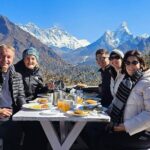
The overwhelmingly positive reviews for the Everest Base Camp trekking experience underscore the professionalism and expertise of the guides.
Customers consistently praise the dedicated support and organization provided by guides like Bishnu Tamang and Ramesh. Reviewers highlight the breathtaking views and memorable moments throughout the 14-day trek.
One customer noted the guides’ exceptional navigational skills, ensuring a seamless and safe journey. Another praised the guides’ ability to adapt to the group’s needs, making the experience truly enjoyable.
The overall 5.0 rating reflects the guides’ commitment to delivering a top-notch trekking adventure to Everest Base Camp.

Guide Experiences
Guides on the Everest Base Camp trek play a crucial role in ensuring a safe and memorable journey for travelers. The guides, such as Bishnu Tamang and Ramesh, are praised for their professionalism, support, and organization.
They possess extensive knowledge of the trekking routes, local culture, and emergency procedures, which allows them to provide a seamless experience for trekkers.
Some key aspects of the guide experiences include:
-
Navigational expertise: Guides lead the way through the rugged terrain, helping trekkers avoid potential hazards and find the optimal routes.
-
Cultural immersion: Guides offer insights into the Sherpa community, their traditions, and the significance of the Everest region.
-
Personalized support: Guides cater to the individual needs of trekkers, ensuring their comfort and well-being throughout the journey.
Recommended Gear
Though not a requirement, recommended gear for the Everest Base Camp trek includes a basic first aid kit, trekking poles, and large plastic bags for keeping items dry.
A first aid kit with bandages, antiseptic, and medications can prove invaluable in case of minor injuries or illness during the trek. Trekking poles provide stability and reduce strain on the knees, especially during steep ascents and descents.
Large plastic bags help protect personal belongings from the elements, as the trek often encounters rain, snow, and dusty conditions. While not mandatory, these items can enhance the overall trekking experience and provide added comfort and safety.
Booking and Cancellation
Customers receive confirmation upon booking the Everest Base Camp trekking experience.
Accessibility is limited, as the trek isn’t suitable for wheelchair users.
To prepare for the trip, hikers should pack a basic first aid kit, trekking poles, and large plastic bags to keep their belongings dry.
Plus, the tour operator offers a flexible cancellation policy, allowing customers to cancel up to 24 hours before the start of the experience. This policy provides peace of mind and flexibility for participants.
Key highlights include:
- Confirmation received at booking
- Not wheelchair accessible
- Free cancellation up to 24 hours before the experience starts
Frequently Asked Questions
How Difficult Is the Everest Base Camp Trek?
The Everest Base Camp trek is considered a moderately difficult endeavor, requiring good physical fitness and acclimatization to handle the high altitudes. While challenging, it’s achievable for trekkers in reasonably good shape with the proper preparation and guidance.
What Is the Best Time of Year to Do This Trek?
The best time to undertake the Everest Base Camp trek is typically during the spring (March-May) or autumn (September-November) seasons. These periods offer the most stable weather, clear skies, and comfortable trekking conditions for hikers.
What Level of Fitness Is Required for This Trek?
The Everest Base Camp trek requires a moderate level of fitness. Trekkers should be able to hike 5-7 hours a day, carrying a daypack, and have good cardiovascular endurance. Regular exercise, like hiking or jogging, will help prepare for the high-altitude conditions.
Can I Extend or Shorten the Trek Duration?
The duration of the Everest Base Camp trek can be extended or shortened based on individual preferences and fitness levels. Travelers can customize the itinerary by adding extra acclimatization days or reducing the number of trekking days, in consultation with the tour operator.
What Happens if I Get Altitude Sickness During the Trek?
If a trekker experiences altitude sickness, they’ll be monitored closely by the guide. The trek may be adjusted or evacuated depending on the severity. Guides are trained to recognize and respond to altitude-related issues, ensuring the trekker’s safety.
Everest Base Camp Trekking 14 Days
“I did the Everest Base Camp Trek (12 Days) and it was one of my best experiences!
I had a really good guide cum porter named Bishnu Tamang. He was …”
Recap
The Everest Base Camp Trekking experience is a truly remarkable adventure that offers trekkers the opportunity to enjoy the breathtaking Himalayan scenery. With a well-planned itinerary, comfortable accommodations, and experienced guides, this 14-day trek is both challenging and rewarding, providing memories that will last a lifetime. Whether you’re a seasoned hiker or a first-time adventurer, the Everest Base Camp trek is a must-do for any outdoor enthusiast.