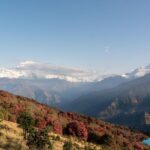
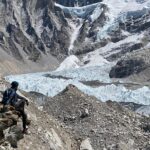
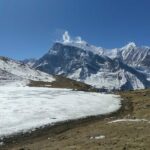
Trekking through the serene Langtang Valley is an unparalleled experience that immerses adventurers in the captivating beauty of the Himalayas. This 11-day excursion showcases the region’s diverse landscapes, from charming villages to ancient monasteries, offering glimpses of the elusive red panda and opportunities to connect with welcoming local communities. As trekkers ascend towards the Kyanjin Gompa, they’ll be rewarded with breathtaking vistas of snow-capped peaks that leave a lasting impression. Whether you’re seeking a challenging outdoor adventure or a culture, the Langtang Valley trek promises an unforgettable journey that will have you yearning to explore further.
Key Points
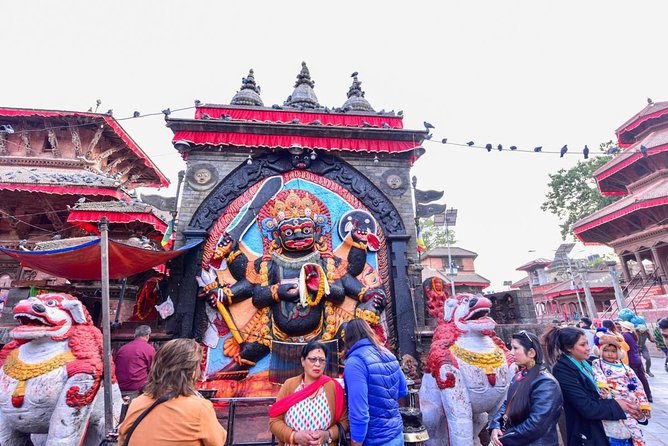
- Langtang Valley is a biodiversity hotspot in the Himalayas, offering trekkers stunning mountain vistas, diverse flora and fauna, and rich cultural experiences.
- The 11-day trekking itinerary showcases Langtang National Park, featuring challenging terrain, high-altitude summits, and traditional Tibetan settlements.
- Trekkers can explore the region’s natural wonders, including glaciers, serene lakes, and the chance to spot the elusive red panda.
- Accommodations range from basic lodges to campsites, with limited amenities in remote areas, requiring proper gear and physical fitness.
- Safety considerations include acclimatization, weather preparedness, and awareness of wildlife, with a need for medical insurance and first-aid kits.
👉 Check out our guide to the 2 Best Guided Tours In Jagat
Contents
- Key Points
- Overview of Langtang Valley
- Trekking Itinerary
- Exploring the Langtang Region
- Highlights of the Trek
- Accommodations and Amenities
- Preparing for the Trek
- Safety Considerations
- Traveler Experiences and Feedback
- Frequently Asked Questions
- What Are the Best Times of Year to Trek in Langtang?
- Is It Possible to Customize the Trekking Itinerary?
- What Precautions Should Be Taken for Altitude Sickness?
- Are There Any Age Restrictions for the Langtang Trek?
- What Equipment and Gear Are Recommended for the Trek?
- Recap
- Our Top Picks in Kathmandu
- More Hiking & Trekking Tours in Kathmandu
- More Tour Reviews in Kathmandu
- Not for you? Here's more things to do in Kathmandu we have recnetly reviewed
Overview of Langtang Valley
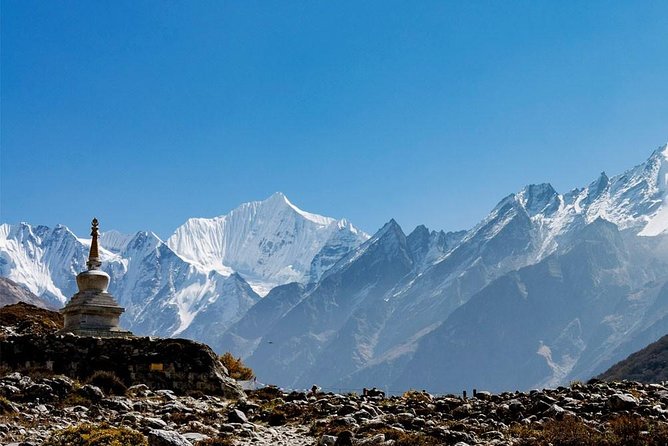
Langtang Valley, nestled within the Himalayas north of Kathmandu, is a renowned trekking destination known for its stunning mountain vistas and diverse ecological wonders.
Part of Nepal’s first Himalayan national park, the valley covers an expansive 1,710 sq. km area and is home to over 1,000 plant species and 150 bird species, making it a rich biodiversity hotspot.
Trekkers can expect a peaceful experience along lightly inhabited trails, immersed in the region’s traditional settlements and breathtaking landscapes.
From snow-capped peaks to rhododendron and pine forests, the Langtang Valley trek offers a captivating blend of natural beauty and cultural discovery.
Ready to hit more trails? More hiking adventures we feature in Kathmandu
Trekking Itinerary
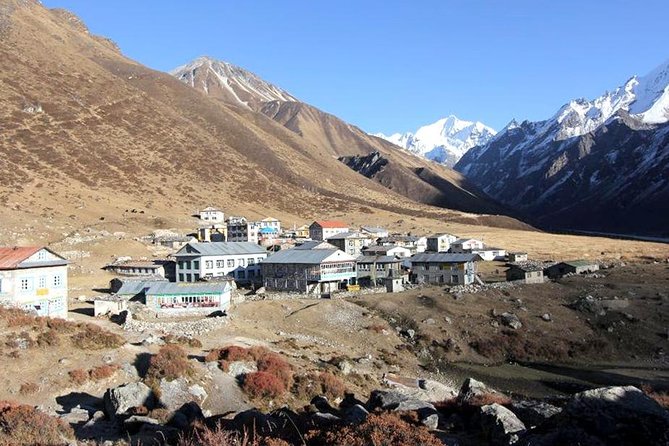
Spanning over 11 days, the Langtang Valley trekking itinerary offers a captivating journey through Nepal’s Himalayan landscapes. The trek begins with an arrival in Kathmandu, followed by a day of sightseeing at iconic landmarks.
Thereafter, the adventure unfolds:
- Day 3: Drive to Syabru Bensi (1450m) for an overnight stay.
- Day 4-7: Trek through Lama Hotel (2480m), Langtang (3540m), and Kyanjin Gompa (3900m), with a day hike to Tsergo Ri (4985m).
- Days 8-9: Trek back to Syabrubensi and drive to Kathmandu.
This meticulously planned itinerary ensures trekkers experience the valley’s stunning mountain vistas, diverse flora and fauna, and rich cultural heritage.
Exploring the Langtang Region
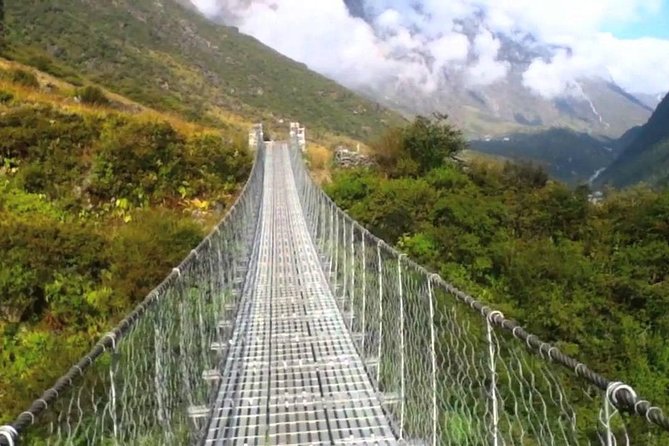
Nestled within Nepal’s Himalayan range, the Langtang region offers trekkers a captivating blend of natural wonders and culture.
Home to the Langtang National Park, this area boasts a diverse ecosystem teeming with over 1,000 plant species and numerous wildlife, including the elusive red panda.
Trekkers can marvel at the majestic glaciers, serene lakes, and traditional Tibetan settlements that dot the landscape.
The highlight of the trek is undoubtedly the climb to the summit of Tsergo Ri, which rewards adventurers with panoramic vistas of the Langtang Lirung and Gangchenpo peaks.
Along the way, explorers can enjoy the rich cultural heritage, visiting ancient monasteries and interacting with the warm and welcoming local communities.
Highlights of the Trek
The Langtang Valley trek offers a wealth of captivating highlights that captivate the senses and leave a lasting impression on adventurous explorers.
Trekkers can look forward to:
-
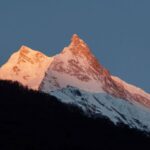
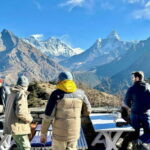
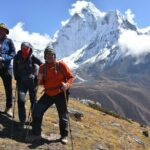
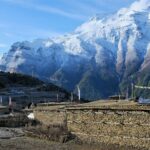
Breathtaking vistas of snow-capped Himalayan peaks, including the majestic Langtang Lirung (7,227m), which dominates the skyline.
-
Immersion in the region’s rich biodiversity, with opportunities to spot Himalayan wildlife such as the elusive red panda and Himalayan black bear.
-
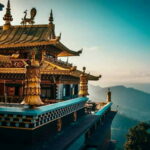
Exploration of the historic Kyanjin Gompa, a Buddhist monastery nestled in the heart of the valley, offering insights into the local culture and spiritual practices.
These captivating experiences, combined with the peaceful ambiance and welcoming local communities, make the Langtang Valley trek a truly unforgettable adventure.
Accommodations and Amenities
Along the Langtang Valley trekking route, trekkers can find a variety of accommodation options that cater to their needs and budgets.
Lodges and teahouses are common, providing basic but comfortable rooms, often with shared bathroom facilities. Larger villages like Lama Hotel and Kyanjin Gompa have more developed facilities, including restaurants and shops.
Campsites are also available, allowing for a more immersive outdoors experience. Amenities such as hot showers, Wi-Fi, and charging stations may be limited in more remote areas.
Trekkers should pack warm sleeping bags and be prepared for basic conditions, especially at higher altitudes.

Preparing for the Trek
Preparing for the Langtang Valley trek involves careful planning to ensure a safe and enjoyable experience. Proper gear and equipment are essential, including sturdy hiking boots, warm layers, rain protection, and trekking poles.
Travelers should also be physically fit, as the trek involves moderate to challenging terrain. It’s recommended to:
- Acclimate gradually by spending a day or two in Kathmandu before starting the trek.
- Pack light and bring only necessary items to make the hike more manageable.
- Familiarize with the route, elevation changes, and potential weather conditions to be prepared.
Safety Considerations
Safety is paramount when embarking on the Langtang Valley trek. Trekkers must be prepared for the challenges of the high-altitude environment, including potential altitude sickness, extreme weather conditions, and wildlife encounters. The following table outlines key safety considerations:
| Consideration | Precaution |
|---|---|
| Altitude Sickness | Acclimatize gradually, stay hydrated, and be aware of symptoms |
| Weather | Bring appropriate gear for cold, snow, and rain |
| Wildlife | Maintain safe distance from animals, store food securely |
| Medical Emergencies | Carry a first-aid kit and ensure proper insurance coverage |
| Trail Conditions | Stay on marked paths, be cautious of steep terrain and river crossings |
Traveler Experiences and Feedback
Travelers have overwhelmingly praised the Langtang Valley trekking experience, sharing their delight with the breathtaking landscapes and culture.
Many reviewers described the trek as a "heaven in Nepal," marveling at the rich wildlife, including Himalayan black bears and red pandas.
Highlights mentioned by hikers include:
- The knowledgeable, attentive guides who enhanced the cultural experience.
- The peaceful, lightly inhabited trails that offered a sense of tranquility.
- The diverse ecosystems, from rhododendron forests to snow-capped peaks, that left a lasting impression.
Frequently Asked Questions
What Are the Best Times of Year to Trek in Langtang?
The best times to trek in Langtang are during spring (March-May) and autumn (September-November) when the weather’s mild, skies are clear, and the views are stunning. Avoid the monsoon season (June-August) when heavy rains can disrupt the trails.
Is It Possible to Customize the Trekking Itinerary?
Yes, the itinerary can be customized based on one’s interests and fitness level. Many trekking companies offer flexibility to modify the route, duration, and activities to create a personalized experience for each traveler.
What Precautions Should Be Taken for Altitude Sickness?
To prevent altitude sickness, trekkers should acclimatize slowly, stay hydrated, avoid alcohol, and monitor symptoms like headache, nausea, and fatigue. Resting and descending to lower elevations are crucial if symptoms worsen.
Are There Any Age Restrictions for the Langtang Trek?
There are no strict age restrictions for the Langtang trek, but it’s not recommended for very young children or elderly travelers. Moderate physical fitness is required, and participants should consult with their healthcare providers before undertaking the trek.
What Equipment and Gear Are Recommended for the Trek?
Trekkers should bring warm layers, good hiking boots, a weatherproof jacket and pants, a hat, gloves, sunscreen, and a water bottle. Trekking poles, a headlamp, and a day pack are also recommended for the Langtang Valley trek.
Langtang Valley Trekking
Recap
Langtang Valley Trekking provides an unparalleled opportunity to take in the captivating Himalayan landscape. From the serene Kyanjin Gompa to the diverse wildlife, this trek offers an unforgettable adventure for nature enthusiasts and cultural explorers alike. With well-appointed accommodations and expert guidance, trekkers can safely navigate the stunning terrain while creating cherished memories of their Himalayan journey.