
Qeswachaka, the last remaining Inca suspension bridge, showcases the remarkable ingenuity of Andean engineering. Constructed annually by the Quechua people using traditional plant fibers, this living testament to ancestral technology embodies the community’s deep connection to their environment and cultural heritage. Beyond its vital function as a river crossing, Qeswachaka highlights the Incas’ advanced material knowledge, preserving a unique aspect of Andean civilization. Exploring this extraordinary structure provides a glimpse into the resilience and collective identity that have defined the region for centuries.
Key Points
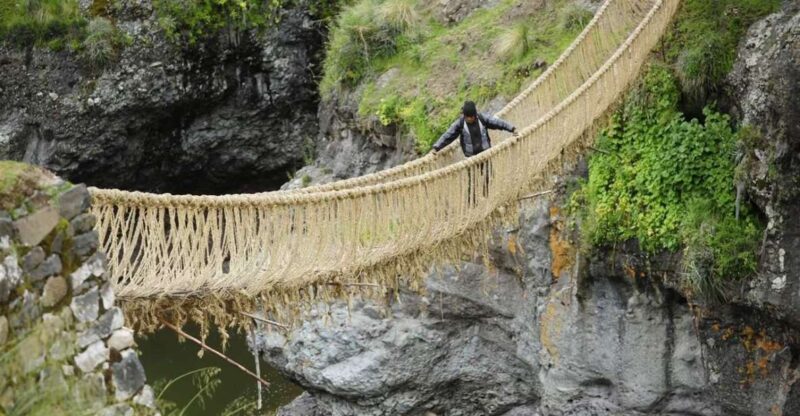
- Qeswachaka Bridge is the last remaining Inca bridge, built annually by the Quechua people using traditional techniques and local plant fibers.
- The annual renewal of the bridge symbolizes the Quechua’s cultural and ancestral traditions, involving family participation and rituals honoring Pachamama and Apus.
- The construction process showcases the resilience and ingenuity of the local community, as well as the Inca’s advanced understanding of materials and connection to the land.
- Visiting Qeswachaka Bridge offers an immersive experience in Andean culture and history, allowing visitors to witness the preservation of this unique heritage.
- The bridge’s cultural significance and the annual renewal tradition represent the Quechua people’s identity, spirituality, and collective responsibility in preserving their ancestral practices.

👉 Check out our guide to the 2 Best Canoe And Kayak Experiences In Cusco
Contents
- Key Points
- Overview of the Qeswachaka Bridge
- Cultural Significance and Traditions
- Activity Details and Itinerary
- Transportation and Logistics
- Sustenance and Refreshments
- Entrance Fees and Costs
- Accessibility and Restrictions
- What to Bring and Prepare
- Frequently Asked Questions
- How Often Is the Bridge Rebuilt?
- Can Visitors Participate in the Bridge Construction?
- Are There Any Myths or Legends Associated With the Bridge?
- What Is the Maximum Weight Capacity of the Bridge?
- Can Visitors Donate to the Bridge’s Preservation Efforts?
- Recap
- Our Top Picks in Cusco
- More Tour Reviews in Cusco
- Not for you? Here's more things to do in Cusco we have recnetly reviewed
Overview of the Qeswachaka Bridge
Qeswachaka stands out as the last remaining Inca bridge, meticulously built each year by the Quechua people using plant fibers.
This living bridge symbolizes the cultural and ancestral traditions of the region, with its construction involving family participation and rituals dedicated to Pachamama and the Apus.
The bridge’s annual renewal is a testament to the resilience and ingenuity of the local community, who’ve preserved this remarkable engineering feat for centuries.
Qeswachaka serves as a powerful reminder of the Inca’s advanced understanding of materials and their deep connection to the land, making it a must-visit destination for those seeking to enjoy Andean culture and history.
You can also read our reviews of more tours and experiences in Cusco.


Cultural Significance and Traditions
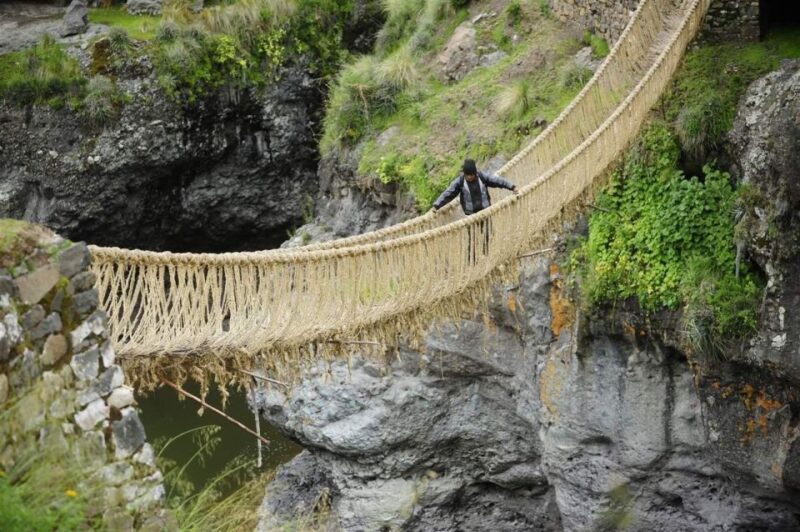
Why is the annual renewal of the Qeswachaka Bridge such a profound cultural event for the Quechua people? The bridge symbolizes their ancestral traditions and connection to the land.
Constructing the bridge is a communal effort involving families, rituals, and reverence for Pachamama and the Apus. The process reinforces cultural identity, passing down skills, and honoring the sacred relationship between the Quechua and their environment.
It’s not merely a physical structure, but a living embodiment of their identity, spirituality, and collective responsibility to preserve this ancient heritage.
The Qeswachaka Bridge stands as a testament to the resilience and ingenuity of the Quechua people, who continue to maintain this centuries-old tradition.
Activity Details and Itinerary

For those interested in experiencing the Qeswachaka Bridge firsthand, the activity details and itinerary provide a rundown of what to expect.
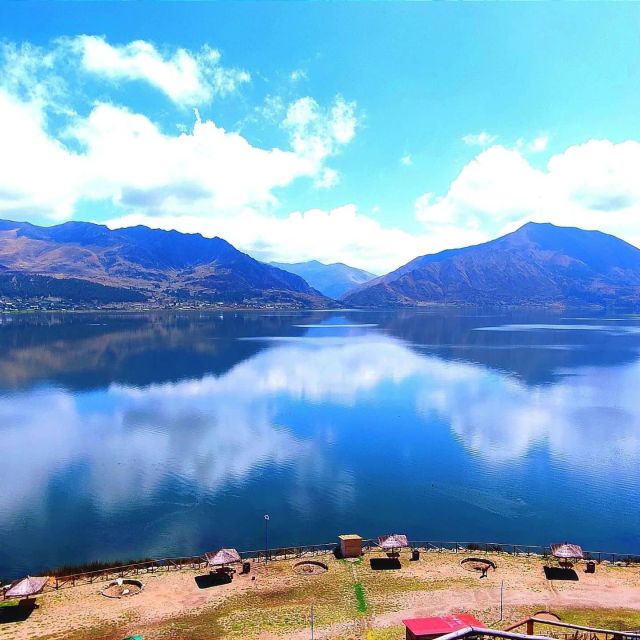
The tour lasts 1 day and includes hotel pickup at 5 AM, visits to 4 lagoons and Yanaoca village, the main attraction at Qeswachaka Bridge, and a comparison with the Checacupe colonial bridge.
A live tour guide is available in Spanish and English, with free cancellation up to 24 hours in advance. Round-trip transportation, breakfast, and lunch are included, along with the entrance fee.
Certain restrictions apply, and travelers should bring appropriate gear. The activity offers an immersive cultural experience at this last remaining Inca bridge.
Transportation and Logistics
The tour package includes round-trip transportation from Cusco, making it convenient for participants to reach the Qeswachaka Bridge.
Hotel pickup is at 5:00 AM, ensuring an early start to the day’s activities. The journey includes stops at four local lagoons and the village of Yanaoca, before arriving at the main attraction – the Qeswachaka Bridge.
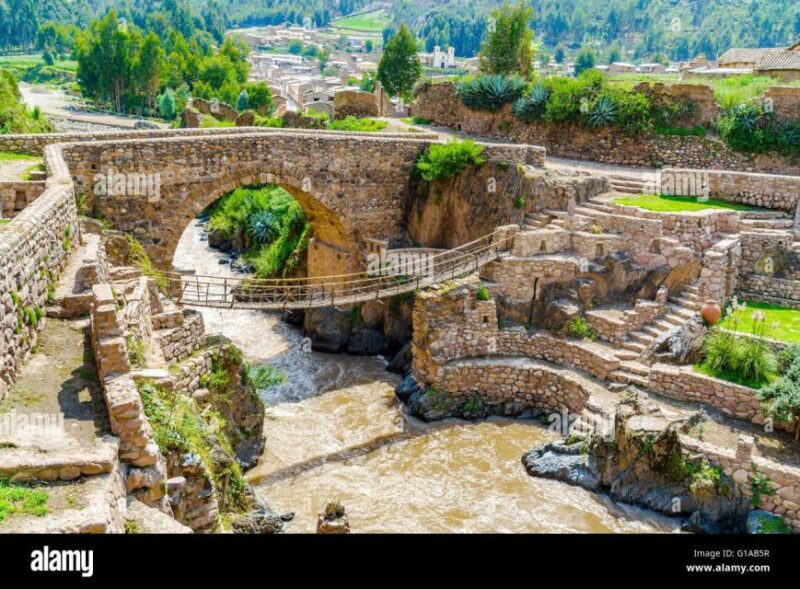
On the return trip, visitors will also see the Checacupe colonial bridge, providing a chance to compare it with the traditional Inca structure.
The tour concludes with drop-off near the historical center of Cusco, allowing participants to explore the city further if desired.
More Great Tours NearbySustenance and Refreshments
Box lunches are provided to participants as part of the tour package, including both breakfast and lunch. These expertly-prepared meals ensure that visitors have the sustenance they need to fully enjoy the day’s activities.
The breakfast box likely contains a hearty selection of local breads, jams, and fruits to fuel the early morning journey. Lunch is served as a portable boxed meal, allowing participants to savor traditional Andean flavors while taking in the stunning scenery along the way.
Ample water is also provided to keep everyone hydrated throughout the excursion. These thoughtful inclusions allow guests to focus on the cultural experience without worrying about their basic needs.


Entrance Fees and Costs
Entrance to the Qeswachaka Bridge costs S/.20 per person. This fee covers the maintenance and preservation efforts required to keep the bridge in its traditional form, allowing visitors to experience this remarkable Incan engineering marvel.
Along With the entry fee, the tour package includes:
- Round-trip transportation
- Breakfast and lunch as boxed meals
- An official tour guide to provide historical insights and context
The tour operator offers a flexible cancellation policy, allowing visitors to receive a full refund up to 24 hours in advance.
Plus, a "reserve now, pay later" option is available, making it convenient for travelers to plan their visit.
Accessibility and Restrictions
Although the Qeswachaka Bridge offers a unique cultural experience, it may not be accessible to all visitors. The bridge isn’t suitable for pregnant women, wheelchair users, or individuals with respiratory issues.
Visitors should also refrain from bringing pets, smoking, or consuming alcohol and drugs on the premises.
What to bring includes a passport, hat, snacks, water, breathable clothing, and hiking pants. The activity isn’t recommended for those with physical limitations or special needs.
It’s crucial to consider these accessibility and restriction guidelines to ensure a safe and enjoyable visit to the last remaining Inca bridge.
What to Bring and Prepare
When visiting the Qeswachaka Bridge, visitors should prepare by bringing essential items like a passport, sun hat, snacks, and water.
The trail to the bridge can be strenuous, so wearing breathable, comfortable hiking pants is recommended. Plus, it’s important to leave pets, smoking materials, alcohol, and drugs at home, as these are prohibited on the tour.
The Qeswachaka experience isn’t suitable for pregnant women, wheelchair users, or those with respiratory issues.
To fully enjoy the tour, visitors should come prepared with the following:
- Passport
- Hat
- Snacks
- Water
Frequently Asked Questions
How Often Is the Bridge Rebuilt?
The bridge is rebuilt annually by the Quechua people, who use traditional plant fibers to construct the Qeswachaka Bridge. This annual rebuilding is a vital cultural tradition that showcases the community’s ancestral knowledge and connection to the land.
Can Visitors Participate in the Bridge Construction?
Visitors can’t actively participate in the annual bridge construction, as it’s a cultural tradition involving the local Quechua community. However, they can observe the process and learn about the ancient techniques used to rebuild this iconic Inca landmark.
Are There Any Myths or Legends Associated With the Bridge?
There are several myths and legends associated with the Qeswachaka Bridge. The locals believe it’s a sacred bridge blessed by the Apus (mountain spirits) and Pachamama (Mother Earth), bringing good fortune to those who cross it.
What Is the Maximum Weight Capacity of the Bridge?
The bridge’s weight capacity is not explicitly stated in the provided information. As an ancestral structure built with natural materials, it likely has a limited weight capacity. Visitors should check with tour guides for specific details before crossing.
Can Visitors Donate to the Bridge’s Preservation Efforts?
Yes, visitors can donate to the preservation of the Qeswachaka Bridge. Donations support the annual reconstruction efforts by the local Quechua community, ensuring this cultural tradition continues for generations. Visitors can inquire with the tour guide about contribution opportunities.
Qeswachaka The Last Inca Bridge, Andean Technology
Recap
The annual rebuilding of Qeswachaka bridge showcases the resilience and cultural heritage of the Quechua people. This living testament to Andean engineering preserves a unique aspect of the Inca civilization, offering visitors an opportunity to witness the community’s deep connection to their environment. Qeswachaka’s enduring presence serves as a symbol of the Andes’ remarkable ingenuity and the ongoing preservation of ancestral traditions.
You can check availability for your dates here:


