
The 19th-century saw a remarkable transformation of Paris’ architectural landscape, driven by the rise of the bourgeoisie class. Thanks to their newfound wealth, grand residential and commercial structures emerged across the city, redefining its character. Spearheaded by Baron Haussmann’s ambitious urban renewal efforts, the Parisian cityscape evolved with elegant facades, ornate decorations, and spacious interiors that reflected the bourgeois sensibilities. From the iconic boulevards to the opulent department stores, this era witnessed the blending of cultural enrichment and leisure, ultimately establishing Paris as a symbol of sophistication and architectural innovation. What’s intriguing, however, is how this dramatic shift in the urban fabric shaped the societal and cultural dynamics of 19th-century Paris.
Key Points
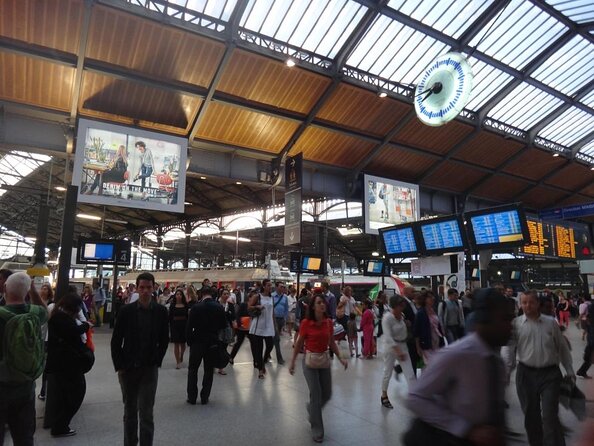
- Emergence of grand, ornate residential and commercial buildings in 19th-century Paris, reflecting the wealth and sensibilities of the growing bourgeois class.
- Haussmann’s urban renewal project transformed Paris’s urban landscape through the creation of wide, straight boulevards and the demolition of historic neighborhoods.
- Affluent bourgeois gravitated towards distinct residential neighborhoods like the 8th arrondissement, showcasing their wealth and cultivated lifestyles.
- Opulent department stores, such as Galeries Lafayette, catered to the bourgeois luxury market and became symbols of Parisian chic.
- Parisian architects incorporated various foreign architectural styles, including Italian Renaissance and German Baroque, reflecting Paris’s cosmopolitan nature.

👉 Check out our guide to the 2 Best Guided Tours In Musee D Orsay
Contents
- Key Points
- The Rise of Bourgeois Architecture
- Haussmann’s Grand Boulevards
- Residential Neighborhoods of the Elite
- Opulent Parisian Department Stores
- Architectural Influences From Abroad
- Technological Innovations in Construction
- Spaces for Culture and Leisure
- Enduring Legacy of 19th-Century Paris
- Recap
- Our Top Picks in Paris
- More Tour Reviews in Paris
- Not for you? Here's more things to do in Paris we have recnetly reviewed
The Rise of Bourgeois Architecture
The rise of bourgeois architecture in 19th century Paris was driven by the growing wealth and influence of the middle class.
As the city underwent massive redevelopment under the leadership of Baron Haussmann, a new breed of residential and commercial buildings emerged, catering to the aspirations of the bourgeoisie.
These structures featured grand facades, ornate decorations, and spacious interiors, reflecting the social status and aesthetic preferences of their owners.
The Haussmannian style, with its harmonious blend of classical and contemporary elements, became a hallmark of Parisian architecture, shaping the city’s iconic boulevards and neighborhoods.
This architectural revolution transformed the urban landscape, leaving an indelible mark on the city’s enduring charm and elegance.
You can also read our reviews of more tours and experiences in Paris.


Haussmann’s Grand Boulevards
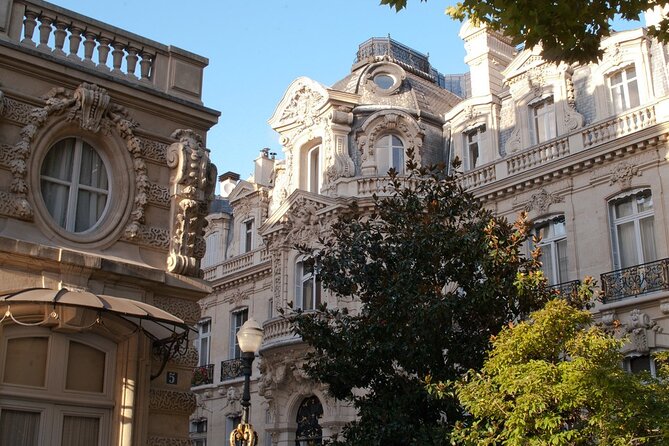
Haussmann’s grand boulevards epitomized the transformative vision that reshaped Paris in the 19th century.
Under the direction of Emperor Napoleon III, Baron Georges-Eugène Haussmann oversaw a vast urban renewal project that widened and straightened the city’s medieval streets. The new wide, tree-lined avenues facilitated traffic flow and allowed for the construction of uniform, multi-story apartment buildings.
This modernization project demolished many historic neighborhoods, sparking controversy, but the resulting boulevards became iconic symbols of Parisian grandeur.
The Champs-Élysées and Boulevard Haussmann remain two of the city’s most famous thoroughfares, showcasing the architectural elegance and bourgeois sensibilities that defined the era’s urban planning.
Residential Neighborhoods of the Elite
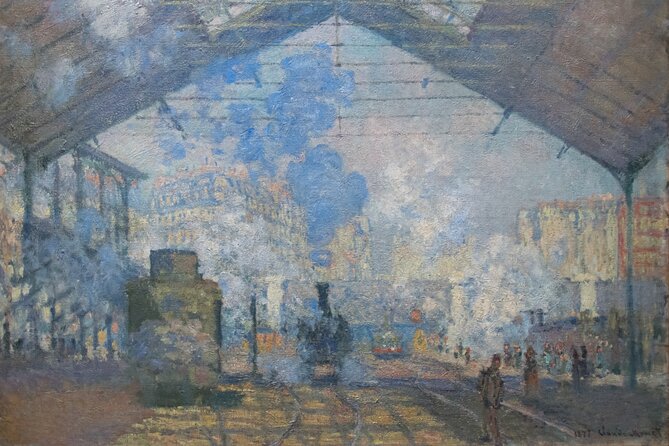
Amidst the dramatic urban transformations orchestrated by Haussmann, Paris’s affluent bourgeoisie gravitated towards distinct residential neighborhoods showcasing their refined tastes and social status.
Prestigious areas like the 8th arrondissement, home to the iconic Champs-Élysées, became synonymous with the city’s elite. Expansive townhouses, lush private gardens, and grand boulevards defined these enclaves.
The affluent flocked to these neighborhoods, constructing lavish residences that demonstrated their wealth and status. These residential districts reflected the bourgeoisie’s aspirations, with architecture and design mirroring their cultivated sensibilities.
Through the development of these elite neighborhoods, the Parisian upper classes asserted their dominance within the city’s evolving social landscape.
Opulent Parisian Department Stores
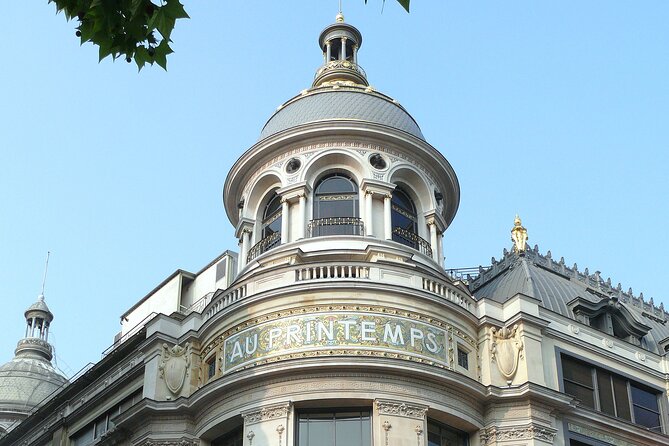
Alongside the rise of the Parisian bourgeoisie, opulent department stores emerged as cathedrals of consumerism, catering to the elite’s insatiable appetite for luxury.
Galeries Lafayette, inaugurated in 1912, embodied this grand retail spectacle with its iconic stained-glass dome and lavish interiors. Rivaling the splendor of palaces, these stores offered a dazzling array of merchandise, from haute couture to gourmet delicacies.
The experience was further enhanced by:
- Ornate architectural details
- Elegant window displays
- Attentive sales staff
- Exclusive in-store amenities
These temples of conspicuous consumption became symbols of Parisian chic, solidifying the city’s reputation as a global fashion and shopping mecca.
Architectural Influences From Abroad
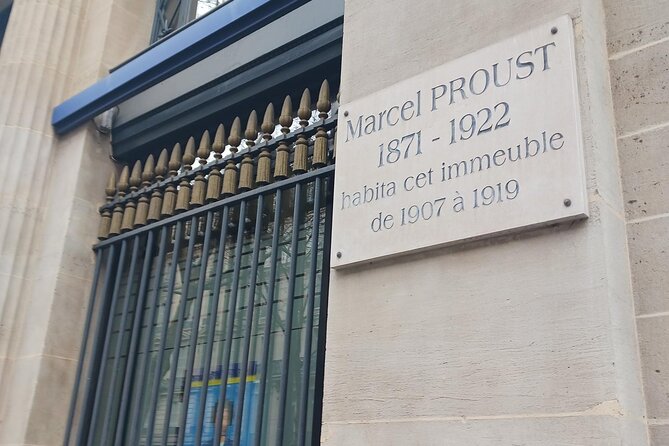
As the Parisian bourgeoisie reveled in the luxurious department stores, a remarkable shift was underway in the city’s architectural landscape. Inspired by the grand buildings and styles of other European capitals, Parisian architects began to incorporate foreign influences into their designs. This blending of traditions gave rise to a unique architectural expression that reflected the city’s growing cosmopolitan nature.
| Architectural Influences | Notable Examples |
|---|---|
| Italian Renaissance | Palais Garnier Opera House |
| German Baroque | Église de la Madeleine |
| English Neoclassicism | Arc de Triomphe |
| Spanish Moorish | Sacré-Cœur Basilica |
| Austrian Secession | Grand Palais |
This cross-pollination of ideas transformed Paris into a global center of innovative design, showcasing the city’s openness to international trends.


Technological Innovations in Construction
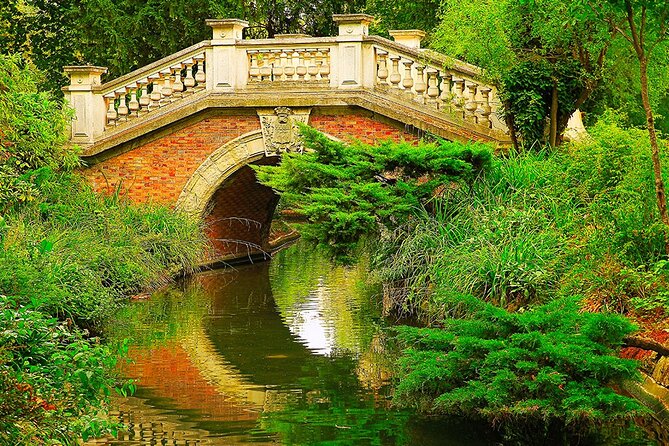
The 19th century saw a remarkable transformation in Parisian construction techniques, as architects and engineers embraced technological innovations to push the boundaries of architectural design.
Key advancements included:
-
The widespread use of iron and glass, enabling the creation of grand structures like the Galeries Lafayette and Palais de l’Industrie.
-
The development of new construction materials, such as reinforced concrete, allowing for taller and more complex buildings.
-
Improved transportation infrastructure, including the city’s metro system, facilitating the rapid expansion of the urban landscape.
-
The adoption of steam-powered machinery, streamlining the construction process and increasing efficiency.
These innovations not only reshaped the physical appearance of Paris but also reflected the city’s growing economic and cultural prominence during the 19th century.
Spaces for Culture and Leisure
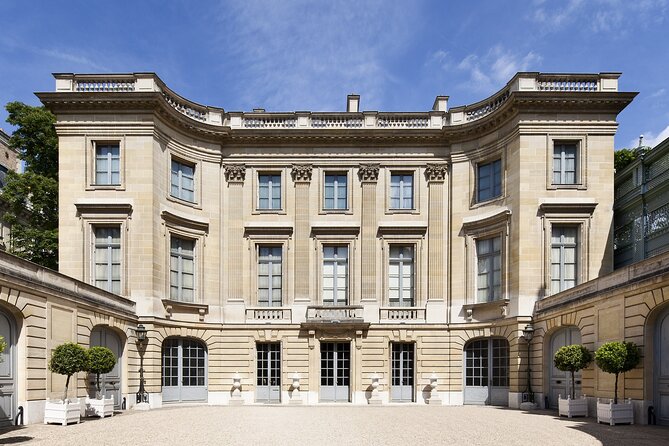
Amidst the technological advancements that transformed Parisian construction, the 19th century saw the emergence of spaces dedicated to cultural enrichment and leisure.
The Palais Garnier, an opulent opera house, became a hub for the city’s elite to indulge in the arts.
Parks like the Parc Monceau also flourished, offering Parisians verdant sanctuaries to stroll and socialize.
Department stores like Galeries Lafayette, with their grand architectural statements, catered to the growing bourgeois class, blending shopping and entertainment.
These multipurpose venues showcased the evolving tastes and priorities of 19th-century Parisian society, reflecting the city’s transformation into a cosmopolitan center of culture and leisure.
Enduring Legacy of 19th-Century Paris
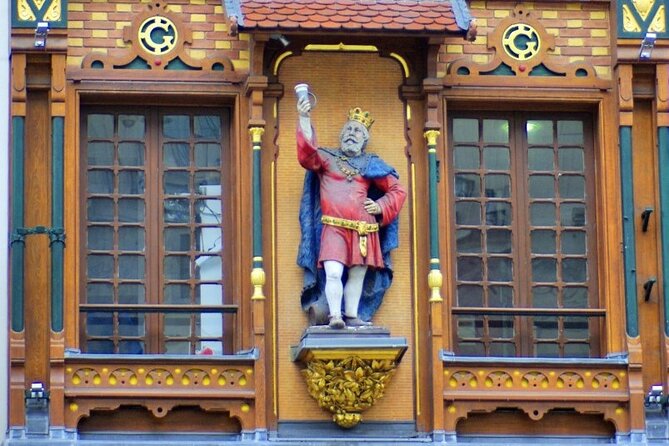
The architectural marvels and cultural institutions that flourished in 19th-century Paris continue to captivate and inspire visitors today.
The city’s enduring legacy is evident in its:
-
Grand boulevards and public spaces, such as the iconic Champs-Élysées and the Parc Monceau.
-
Iconic landmarks, including the Palais Garnier opera house and the Eiffel Tower.
-
Renowned museums, including the Louvre, which expanded and transformed during this era.
-
Vibrant neighborhoods, like the Montmartre district, that retain their 19th-century charm.
These elements of 19th-century Paris continue to shape the city’s urban fabric and cultural identity, making it a premier destination for architecture and history enthusiasts.
Architectural Bourgeois Paris 19th Century
“Francois was very knowledgeable and friendly, and was very comfortable speaking in French as well as English. The tour was interesting and insightf…”
Recap
The architectural landscape of 19th-century Paris reflected the rising influence of the bourgeoisie. Haussmann’s urban renewal efforts transformed the city with grand boulevards, opulent department stores, and elegant residential neighborhoods. Foreign influences and technological innovations further shaped this era’s structures, which blended cultural enrichment with leisure. The architectural legacy of this period established Paris as a symbol of sophistication and innovation, one that continues to captivate visitors to this day.


