
Ludlow, a picturesque English market town, offers visitors a captivating self-guided audio tour that transports them through its rich history. From the imposing Ludlow Castle to the charming timber-framed Feathers Hotel, the town’s remarkable architecture provides a glimpse into its past. Exploring the vibrant local market and the iconic St Laurence’s Church, travelers can enjoy Ludlow’s cultural heritage. But there’s more to discover – scenic spots like Whitcliffe Common and the River Teme add to the town’s allure, leaving one curious to uncover its many hidden gems.
Key Points
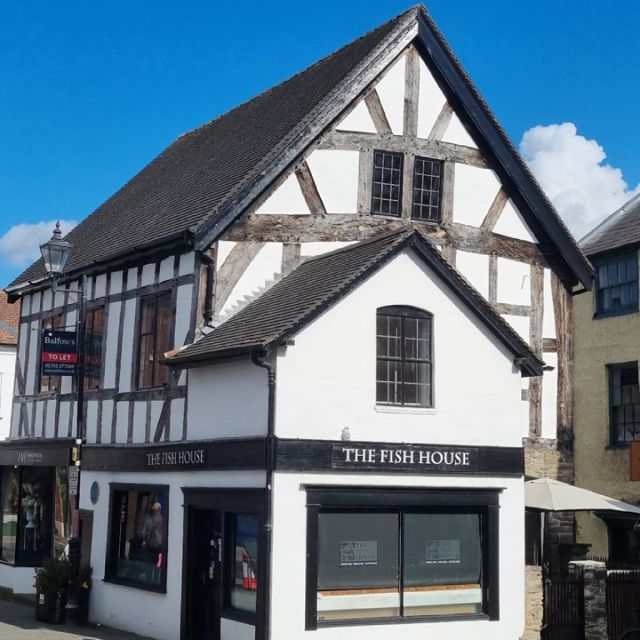
• Ludlow is a historic market town in England along the Welsh border, known for its well-preserved architecture and rich history.
• The Ludlow Castle, dating back to the 11th century, serves as a key attraction with its long military history and strategic significance.
• The Ludlow Assembly Rooms, a Georgian landmark, played a crucial role in the town’s cultural heritage as a center for social events.
• Ludlow’s vibrant market showcases the town’s thriving local food and produce, offering a celebration of its culinary heritage.
• St Laurence’s Church, with its impressive 47-bell carillon, is a must-visit destination for its architectural marvels and musical performances.
Contents
- Key Points
- Historical Significance of Ludlow
- Architectural Highlights of the Town
- Ludlow Castle and Its History
- Ludlow Assembly Rooms and Society
- Ludlow Market and Local Produce
- St Laurence’s Church and Carillon
- Exploring Ludlow’s Historic Inns
- Scenic Spots Around the Town
- Frequently Asked Questions
- Are There Any Guided Walking Tours Available in Ludlow?
- Can I Use a Public Transit System to Get to Ludlow?
- Is There a Recommended Time of Year to Visit Ludlow?
- Are There Any Wheelchair-Accessible Routes on the Self-Guided Tour?
- Can I Purchase the Audio Tour in Languages Other Than English?
- Recap
Historical Significance of Ludlow
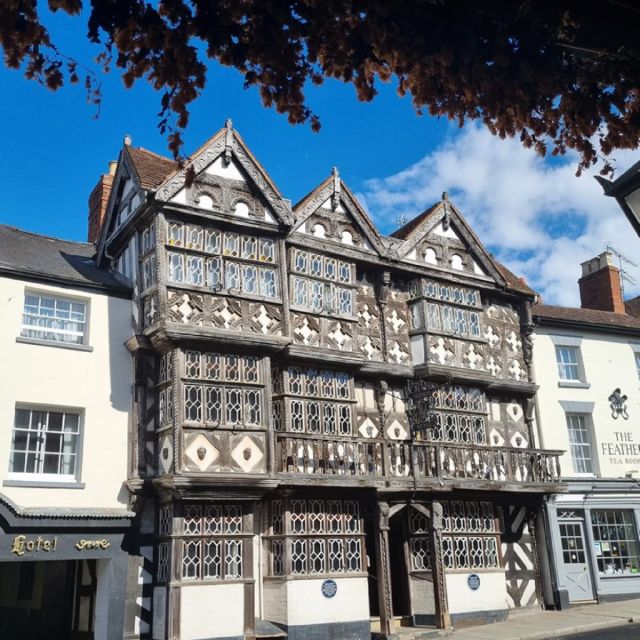
Ludlow, a historic market town in England, holds significant historical importance due to its strategic location along the Welsh border and its role in key events throughout the country’s history.
The town’s Ludlow Castle was once used to muster troops for the Norman invasion of Ireland, demonstrating its military significance.
Ludlow also played a crucial role in the Wars of the Roses, with the town’s bridge being a site of early confrontation in this conflict.
Plus, Ludlow’s Broad Gate, a fortified gatehouse, was built to keep out the Welsh, highlighting the town’s defensive function.
The town’s rich history and well-preserved architecture make it a fascinating destination for history enthusiasts.
Architectural Highlights of the Town
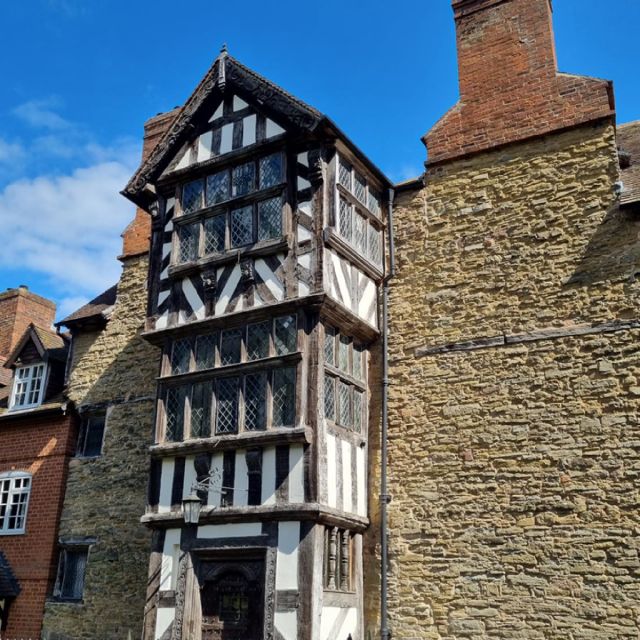
With its wealth of historic buildings, the town of Ludlow boasts an impressive architectural heritage that captivates visitors.
From the imposing Ludlow Castle to the intricate Broad Gate, the town’s structures showcase a range of architectural styles and eras, each contributing to its enduring charm.
The medieval Feathers Hotel, with its distinctive timber-framed facade, is a prime example of the town’s well-preserved Tudor architecture.
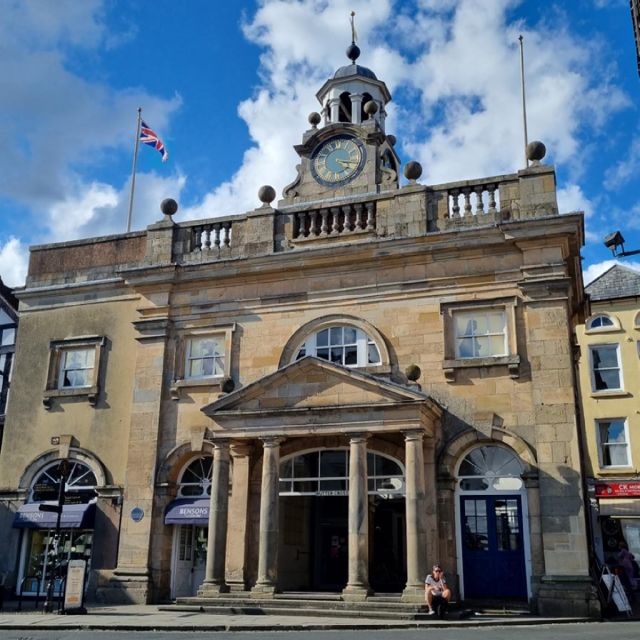
Nearby, the Georgian grandeur of the Ludlow Assembly Rooms stands as a testament to the town’s prosperity in the 18th century.
Whether exploring the ornate St Laurence’s Church or browsing the quaint shops along the picturesque streets, Ludlow’s architectural marvels offer a captivating glimpse into its storied past.
Ludlow Castle and Its History
Ludlow Castle has played a pivotal role throughout England’s history, serving as a strategic stronghold and muster point for troops during the Norman invasion of Ireland. The castle’s origins date back to the 11th century, when it was built by the powerful de Lacy family. Over the centuries, it has witnessed numerous conflicts and power struggles, from the Wars of the Roses to the English Civil War. Today, visitors can explore the castle’s impressive ruins and learn about its rich history through the audio tour.
| Key Facts | |
|---|---|
| Year of Construction | 11th century |
| Owners | de Lacy family |
| Military Role | Troop muster point for Norman invasion of Ireland |
| Significant Events | Wars of the Roses, English Civil War |
| Current Status | Impressive historic ruins open for public visitation |
Ludlow Assembly Rooms and Society
The Assembly Rooms served as a gathering place for Georgian and Victorian society in Ludlow, hosting a variety of social events and functions.
Built in the 18th century, the elegant rooms were the center of high society in the town.
Prominent citizens and aristocrats would gather here for balls, concerts, lectures, and other entertainments.
The Assembly Rooms played a key role in shaping Ludlow’s reputation as a place of culture and refinement.
Today, the beautifully preserved building continues to host events, offering a glimpse into the town’s rich history and its place as a hub of social activity during the Georgian and Victorian eras.
More Great Tours NearbyLudlow Market and Local Produce
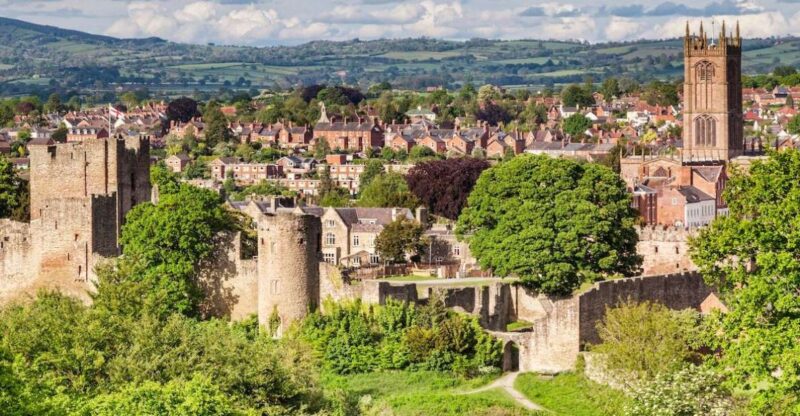
Along With its cultural institutions, Ludlow is renowned for its vibrant market, which showcases the town’s thriving local food and produce scene. Every Tuesday, Thursday, and Saturday, the bustling Ludlow Market comes alive with stalls selling an array of fresh fruits, vegetables, meats, cheeses, and baked goods from nearby farms and artisanal producers. Visitors can browse the selection of organic produce, specialty condiments, and handcrafted artisanal items, all while soaking in the lively atmosphere and interacting with the friendly local vendors. The market is a true celebration of Ludlow’s culinary heritage and commitment to supporting its thriving agricultural community.
| Item | Price |
|---|---|
| Organic Apples | £2.50/kg |
| Free-Range Eggs | £3.00/dozen |
| Artisanal Cheese | £4.75/200g |
| Freshly Baked Bread | £2.25/loaf |
| Locally Sourced Honey | £5.00/jar |
St Laurence’s Church and Carillon
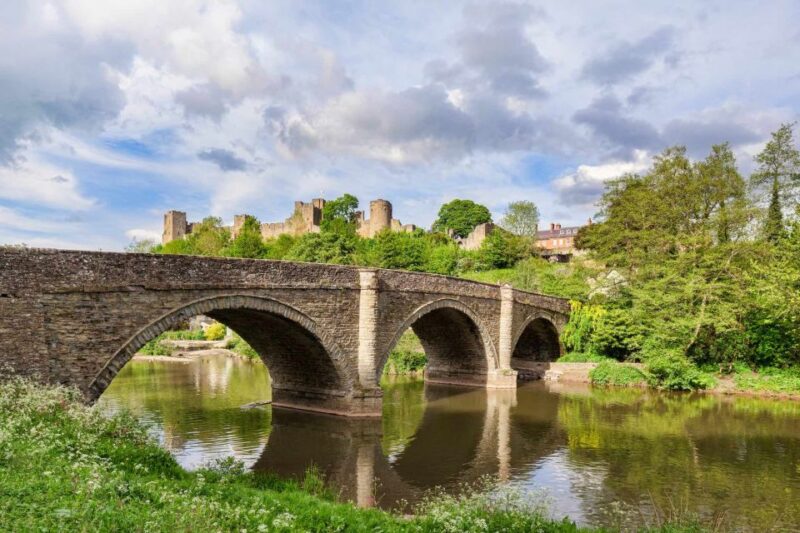
Atop the town’s skyline, St Laurence’s Church stands as a magnificent example of Gothic architecture, its spire dominating the surrounding landscape.
Regarded as one of Ludlow’s most iconic landmarks, this historic place of worship dates back to the 13th century and is renowned for its impressive carillon.
This unique bell tower houses a set of 47 bells, each carefully tuned, that chime out a melodic sequence throughout the day.
Visitors can admire the church’s stunning stained glass windows and intricate carvings, as well as attend events and concerts showcasing the carillon’s enchanting melodies.
A must-see for anyone exploring Ludlow’s rich history and cultural heritage.
Exploring Ludlow’s Historic Inns
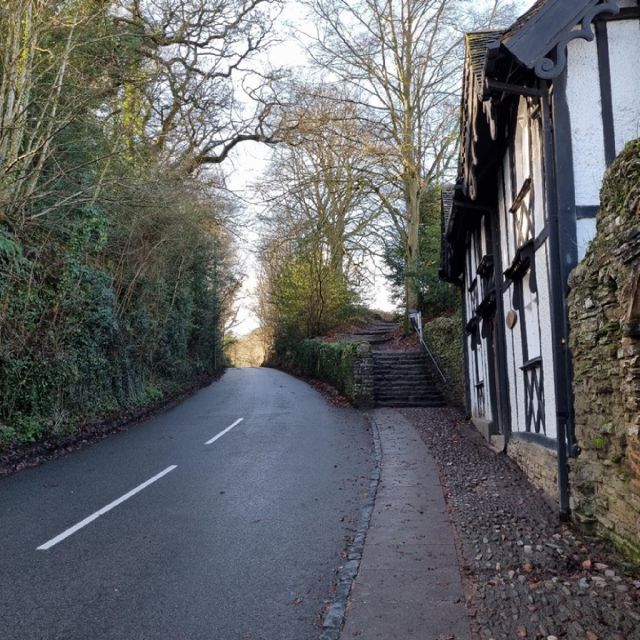
Ludlow boasts a rich tapestary of historic inns, each with its own distinctive charm and storied past. Wander through the town’s winding streets and you’ll discover timeless watering holes that have welcomed weary travelers for centuries. Venture into the cozy confines of the Feathers Hotel, with its ornate 16th-century timber-framed façade, and step back in time. Or visit the historic Bull Inn, a beloved local haunt that has been quenching thirsty patrons since the 1500s. As you sip a pint of local ale, let the centuries-old ambiance transport you to Ludlow’s bygone eras.
| Historic Inns | Year Established |
|---|---|
| Feathers Hotel | 1619 |
| Bull Inn | 1500s |
| The Unicorn Inn | 1400s |
| Dinham Hall Hotel | 1800s |
| The Charlecote Pheasant | 1550 |
Scenic Spots Around the Town
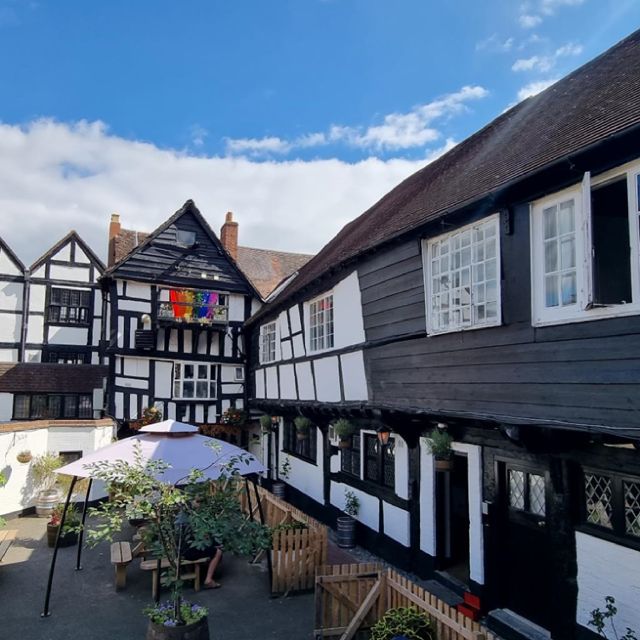
Winding along the River Teme, Whitcliffe Common offers breathtaking vistas of the town and its dramatic natural surroundings. This scenic area is a favorite among visitors, who can enjoy short walks and take in the town’s charming silhouette from across the river.
Further upstream, the River Teme itself is a site of geological interest, with its winding banks and varied terrain.
Back in the heart of the historic center, Broad Gate is a fortified gatehouse that once guarded the town’s entrance, providing a striking architectural contrast to the quaint streets and buildings.
Whether strolling along the riverbank or exploring the town’s historic landmarks, Ludlow’s scenic spots are sure to leave a lasting impression.
Frequently Asked Questions
Are There Any Guided Walking Tours Available in Ludlow?
Yes, there are guided walking tours available in Ludlow. Several tour companies offer guided walks that explore the town’s historic buildings, markets, and other attractions. These tours provide an engaging, in-person experience for visitors to learn about Ludlow’s rich history.
Can I Use a Public Transit System to Get to Ludlow?
Yes, there are public transit options to reach Ludlow. Visitors can take buses or trains to the town center. The nearest train station is Ludlow Railway Station, which provides connections from major cities in the region.
Is There a Recommended Time of Year to Visit Ludlow?
The most pleasant times to visit Ludlow are in the spring and fall when the weather is mild. Summertime can be quite crowded, while winters may be chilly. However, the historic town is worth exploring year-round.
Are There Any Wheelchair-Accessible Routes on the Self-Guided Tour?
The self-guided audio tour doesn’t specify any wheelchair-accessible routes. However, Ludlow’s historic center may present accessibility challenges due to its uneven terrain and older architecture. It’s best to check with local tourism officials for more information on accessible options.
Can I Purchase the Audio Tour in Languages Other Than English?
The audio tour is only available in English at this time. There are no options to purchase the tour in other languages. The developer may consider adding additional language versions in the future, but this is not currently offered.
Ludlow: Self-Guided Audio Tour
Recap
Ludlow’s captivating self-guided audio tour offers visitors a captivating glimpse into the town’s rich history and architectural splendor.
From the imposing Ludlow Castle to the vibrant local market, the tour showcases the town’s cultural heritage.
Scenic spots like Whitcliffe Common and the River Teme add to Ludlow’s charm, making it a must-visit destination for history and architecture enthusiasts.
You can check availability for your dates here: