
Georgetown’s prosperous port and prominent families often obscured the complex history of its Black residents. Though enslaved Africans toiled in tobacco fields and supported the local economy, their stories of resilience and civic engagement have been long overlooked. Uncovering the multifaceted past of this historic neighborhood reveals a deeper understanding of the community’s social and cultural fabric, shaped by the legacies of institutions like Mount Zion United Methodist Church and the Female Union Band Society. Exploring Georgetown’s untold narratives sheds new light on the indelible mark left by its Black population, whose experiences deserve to be brought to the forefront.
Key Points
• Georgetown’s thriving port economy was built on the backs of enslaved Africans forced to labor in the tobacco fields and support port operations.
• Prominent Georgetown families heavily profited from the slave trade, which left a lasting legacy of racial oppression and inequality in the community.
• Black residents of Georgetown, such as Yarrow Mamout, Kitty Weiss, and the Foote family, made significant contributions to the social, economic, and educational fabric of the neighborhood.
• Institutions like Mount Zion United Methodist Church and the Female Union Band Society served as hubs for the Black community, fostering resistance and community-building.
• Uncovering the untold stories of Georgetown’s Black history is crucial to understanding the complex and multifaceted past of the neighborhood, marked by both hardship and resilience.

👉 Check out our guide to the 4 Best Christmas Experiences In Washington Dc
Contents
- Key Points
- Georgetown’s Prosperous Port
- Slavery’s Presence in Georgetown
- Narratives of Former Residents
- The Georgetown Slave Trade
- Impact of Black Residents
- Significance of Mount Zion
- Exploring Georgetown’s Black History
- Uncovering Georgetown’s Untold Stories
- Frequently Asked Questions
- What Is the Duration of the Walking Tour?
- Is This a Public or Private Tour?
- Are There Any Accessibility Accommodations Available?
- What Type of Transportation Is Provided?
- What Is the Required Fitness Level for the Tour?
- Recap
- Our Top Picks in Washington DC
- More Historical Tours in Washington DC
- More Tour Reviews in Washington DC
- Not for you? Here's more things to do in Washington DC we have recnetly reviewed
Georgetown’s Prosperous Port
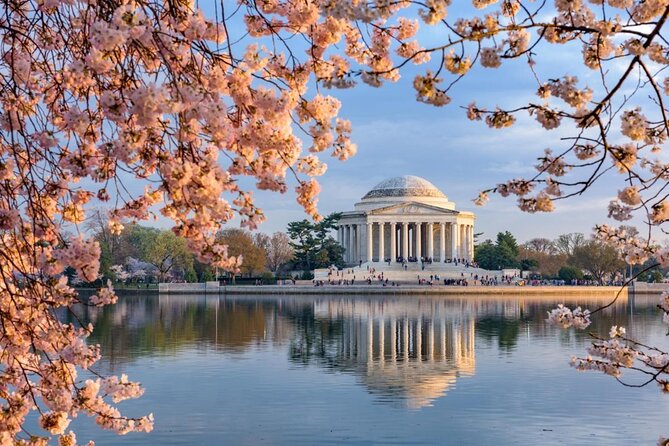
Few hundred years ago, Georgetown served as a bustling port for tobacco exportation, with its strategic location along the Potomac River making it a thriving commercial hub. Ships carried tobacco and other goods from the port, which was a critical economic driver for the region.
Wealthy plantation owners and merchants prospered from this trade, constructing grand homes and buildings that still stand today. The port’s success attracted an influx of people, including enslaved Africans who were forced to work in the tobacco fields and support the port’s operations.
Georgetown’s prosperity was built on the backs of the enslaved, a history that has shaped the neighborhood’s complex legacy.
Fascinated by Washington DC's past? More historical tours we've covered


Slavery’s Presence in Georgetown
Alongside Georgetown’s prosperity as a thriving port, the neighborhood’s history is also marked by the presence and exploitation of slavery.
The slave trade was an integral component of the region’s economy, with enslaved Africans forced to toil in the tobacco fields and support the port’s operations. This legacy of slavery has profoundly shaped the complex history of Georgetown.
Records indicate that prominent Georgetown families, such as the Lees and Craigheads, were heavily involved in the slave trade. The neighborhood was also home to several slave markets, where human beings were bought and sold.
This dark chapter in Georgetown’s past has left an indelible mark on the community and its ongoing struggle for racial justice.
Narratives of Former Residents

Amidst Georgetown’s complex history, the narratives of its former black residents offer a poignant glimpse into the community’s rich tapestry. These stories shed light on the lived experiences and contributions of individuals who shaped the neighborhood despite the injustices they faced.
-
The account of Yarrow Mamout, a freed slave who became a successful businessman and local celebrity in the early 1800s.
-
The story of Kitty Weiss, a midwife and healer who served the community for decades in the late 19th century.
-
The legacy of the Foote family, prominent educators who ran a school for African American children in the 1860s.
-
The narrative of Isaac Hawkins, a former slave who purchased his freedom and became a respected community leader.
The Georgetown Slave Trade

Georgetown’s past as a bustling port town was inextricably linked to the transatlantic slave trade, which left an indelible mark on its history.
As a thriving commercial hub, Georgetown became a central location for the sale and distribution of enslaved Africans. Auction houses dotted the waterfront, and the city’s elite profited from the forced labor of those they enslaved.
The stories of the men, women, and children who endured the horrors of slavery in Georgetown have long been obscured, but recent efforts have aimed to uncover and preserve this painful chapter of the neighborhood’s past.
Understanding this history is crucial to grappling with Georgetown’s complex legacy.
Impact of Black Residents
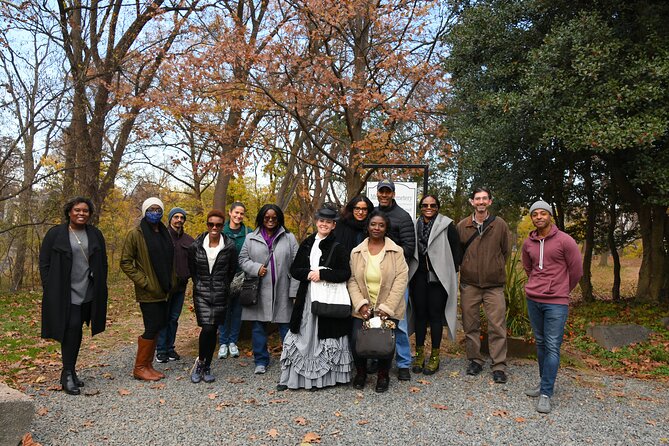
The History of Black Georgetown
Impact of Black Residents
Black residents left an indelible mark on Georgetown, shaping its cultural and social fabric over the centuries. Despite the challenges of slavery and systemic racism, they built vibrant communities, established churches and schools, and made invaluable contributions to the neighborhood’s development.
The Mount Zion United Methodist Church, founded in the early 1800s, served as a hub for the black community and played a crucial role in the abolitionist movement.
The Female Union Band Society, a mutual aid organization, provided education and support to local black women.
Businesses like the Prospect Hill Tavern, owned by free black residents, were important gathering places.
Prominent figures like the educator and abolitionist Anna Julia Cooper left a lasting impact on the community.


Significance of Mount Zion
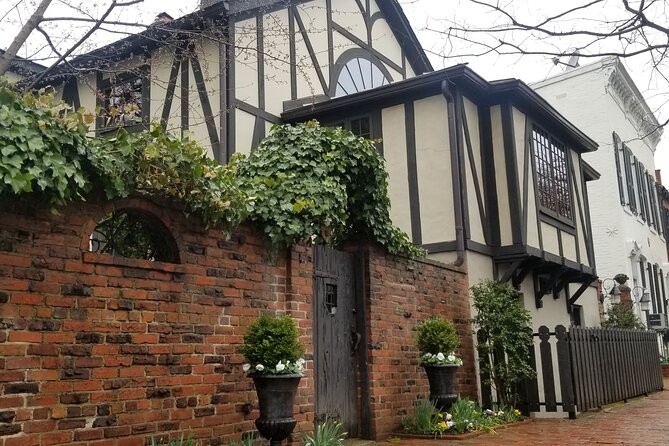
Mount Zion United Methodist Church stood as a focal point for the Black community in Georgetown, serving as a hub for activism and social support.
The church’s cemetery, the Mount Zion and Female Union Band Society Cemeteries, held the remains of many prominent Black residents, including leaders and activists who fought against slavery and advocated for civil rights.
These sacred grounds represented the resilience and determination of Georgetown’s Black community, who faced the harsh realities of racial oppression but continued to carve out spaces of autonomy and empowerment.
The cemeteries and the church itself were integral to the social and cultural fabric of Black Georgetown, preserving the memory and legacy of those who shaped the neighborhood’s history.
Exploring Georgetown’s Black History
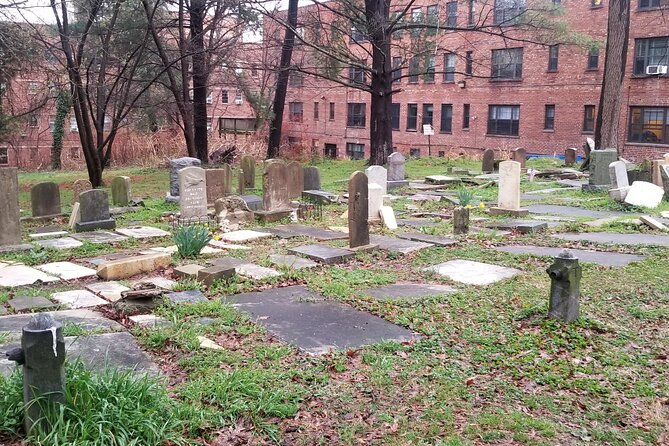
Beneath Georgetown’s affluent veneer lies a complex history shaped by the experiences of its Black residents, who endured the harsh realities of slavery and racial oppression yet persevered in carving out spaces of autonomy and empowerment within the community.
Georgetown’s Black history reveals stories of resilience, resistance, and community-building, including:
-
The site of an active slave trade, where enslaved individuals were bought and sold
-
Narratives of former Black residents who shaped the neighborhood through their labor, entrepreneurship, and civic engagement
-
The hotel of institutions like the Mount Zion and Female Union Band Society Cemeteries, which served as sacred spaces for the Black community
-
The legacy of Black activists and leaders who fought for racial justice and equal rights in Georgetown.
Uncovering Georgetown’s Untold Stories
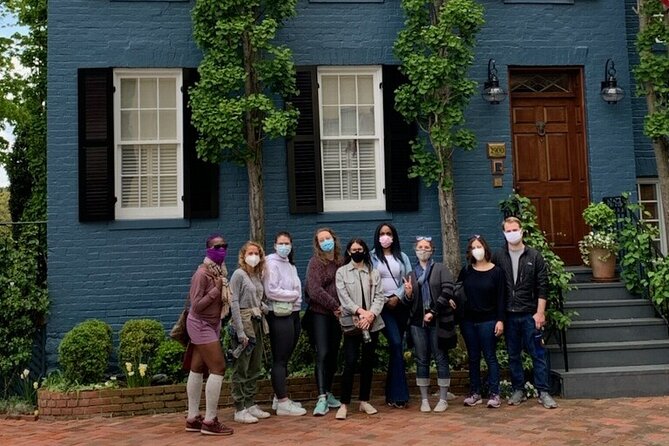
Why do the untold stories of Georgetown’s Black community remain obscured behind the neighborhood’s elite veneer?
Despite the area’s affluence today, its past was shaped by the hardships and resilience of African Americans who overcame the legacies of slavery and racial oppression.
For centuries, Georgetown was a hub of the domestic slave trade, with Black residents facing the daily realities of bondage.
Yet, their stories of perseverance and contributions to the community have been marginalized.
From the enslaved laborers who built prominent landmarks to the free Black families who established churches and schools, Georgetown’s Black history deserves to be brought to light.
Uncovering these overlooked narratives can shed new understanding on the complex and multifaceted past of this iconic Washington, D.C. neighborhood.
Frequently Asked Questions
What Is the Duration of the Walking Tour?
The walking tour lasts over 2 hours, during which the experienced guide provides historic information about the area. The tour covers the neighborhood’s past as a bustling port and the stories of former Black residents.
Is This a Public or Private Tour?
This is a private walking tour, as the information states it is a "private walking tour" and that "only your group will participate." The tour lasts over 2 hours and is led by an experienced guide.
Are There Any Accessibility Accommodations Available?
This private walking tour offers several accessibility accommodations. It’s wheelchair and stroller accessible, allows service animals, and has transportation that’s wheelchair accessible. Travelers should have a moderate physical fitness level.
What Type of Transportation Is Provided?
The tour does not provide transportation. Attendees are responsible for making their own way to the meeting point and from the end point. However, public transportation and wheelchair-accessible options are available near the tour locations.
What Is the Required Fitness Level for the Tour?
The tour requires a moderate physical fitness level, as you will be walking for over 2 hours during the historic exploration of Georgetown. No serious medical conditions are permitted for participation in this private walking tour.
The History of Black Georgetown
“If you think Georgetown is just the home of presidents and congress people, there's a fascinating world of new stories from the Civil War era on in…”
Recap
The history of Black Georgetown reveals a complex and often overlooked narrative.
Despite the horrors of slavery, Georgetown’s Black residents left an indelible mark on the community, shaping its cultural and social fabric through resilience, resistance, and civic engagement.
Their stories deserve to be brought to light, shedding new understanding on the multifaceted past of this historic neighborhood.


