
For the best experience at Cluny Abbey, join a private 2-hour guided tour. The former monastery was once the largest church in the world and the heart of medieval monasticism. The ruins and remaining architecture tell an incredible story spanning from 910 AD through centuries of religious reform. I especially appreciate how local guides bring the abbey’s rich history to life, pointing out architectural details you’d otherwise miss. The included Museum of Art and Archaeology ticket lets you understand the abbey’s artifacts and cultural importance at your own pace. This is a must-do tour for anyone interested in medieval history – it’s well-paced and comprehensive without being overwhelming.
Check out these carefully selected tours to experience the best of Cluny Abbey.
Key Points
- Cluny Abbey offers a private guided tour lasting 2 hours, focusing on the abbey’s rich history and architectural features.
- The tour includes entrance tickets to the abbey and the Museum of Art and Archaeology, providing a comprehensive cultural experience.
- Knowledgeable guides fluent in English and French lead the tour, enhancing visitor engagement and understanding.
- The tour is tailored for private groups, offering a personalized and immersive exploration of the abbey’s daily life and past inhabitants.
- The tour is highly rated by previous guests, making it an ideal choice for history and architecture enthusiasts.
Contents
- Key Points
- Cluny Abbey : Private Guided Tour With Ticket Included
- Frequently Asked Questions
- What Is the Best Time of Year to Visit Cluny?
- How Long Should I Allocate for a Tour of Cluny Abbey?
- Are There Any Discounts Available for Visiting Cluny Abbey?
- Can I Take Photographs Inside Cluny Abbey?
- Are There Any Nearby Attractions to Visit in Cluny?
- Recap
Cluny Abbey : Private Guided Tour With Ticket Included
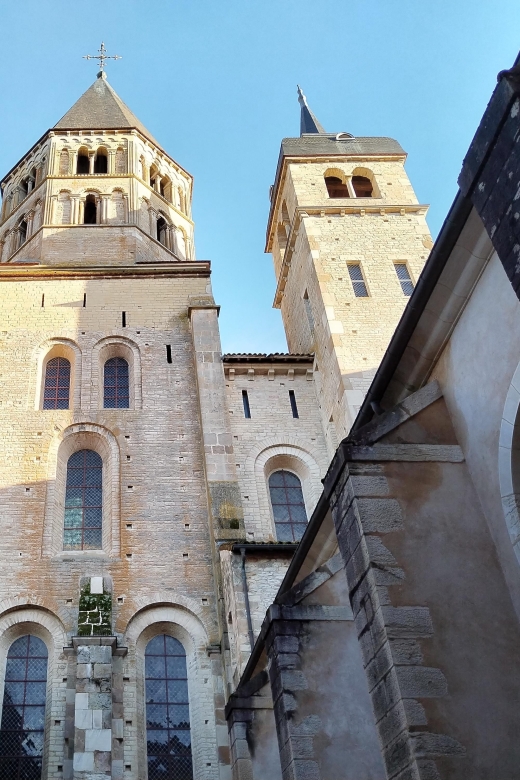
Cluny Abbey offers visitors a captivating private guided tour that delves into the rich history and architectural grandeur of this iconic religious site.
The 2-hour tour starts at the Place de l’Abbaye and includes entrance tickets to the abbey and its Museum of Art and Archaeology.
With knowledgeable English and French-speaking guides, guests can explore the soaring arches, majestic columns, hidden chambers, and serene courtyards that reflect the daily life of past inhabitants.
The tour highlights the abbey’s exceptional craftsmanship and allows visitors to discover its relics and artifacts.
Comfortable shoes are recommended, and large bags aren’t allowed.
This private group experience earns a stellar 5/5 rating from previous guests.
Read our full review: Cluny Abbey : Private Guided Tour With Ticket Included Review
Book now: Check availability
Frequently Asked Questions
What Is the Best Time of Year to Visit Cluny?
The best time to visit Cluny is typically during the spring or fall months. The weather is mild, and the crowds are smaller, providing a more enjoyable experience to explore the historical town and its renowned abbey.
How Long Should I Allocate for a Tour of Cluny Abbey?
A visit to Cluny Abbey typically takes around 1-2 hours to explore the main highlights. Visitors should allow more time if they want to thoroughly explore the abbey’s extensive ruins and learn about its rich history.
Are There Any Discounts Available for Visiting Cluny Abbey?
Cluny Abbey offers discounts for certain visitor groups, such as students, seniors, and those under 18. Plus, packages combining admission with guided tours may provide cost savings. Visitors should check the abbey’s website or inquire at the entrance for available discounts.
Can I Take Photographs Inside Cluny Abbey?
Yes, visitors can take photographs inside Cluny Abbey. However, the use of flash photography is generally prohibited to preserve the historic site’s atmosphere and prevent damage to the delicate artifacts and architecture.
Are There Any Nearby Attractions to Visit in Cluny?
There are several nearby attractions to visit in Cluny, including the Benedictine Abbey, the Romanesque collegiate church, and the Museum of Art and Archaeology. Visitors can also explore the quaint historic town and its charming streets.
Recap
Visiting Cluny Abbey is a must for anyone interested in medieval history and architecture. The private guided tour provides an in-depth look at the abbey’s impressive ruins and significant role in European history. Travelers can expect to gain a deeper understanding of the site’s cultural and religious significance, making it a rewarding experience for both history enthusiasts and casual visitors.