The National Theatre in Tokyo offers a captivating glimpse into Japan’s rich cultural heritage. Visitors can enjoy the intricate artistry of traditional Kabuki and Bunraku performances, where centuries-old storytelling and elaborate costumes come to life. With informative English guides and a serene atmosphere, this venue provides an opportunity to experience the essence of these iconic art forms. Whether you’re a seasoned enthusiast or a curious newcomer, the National Theatre’s program promises to enchant and enlighten.
Key Points
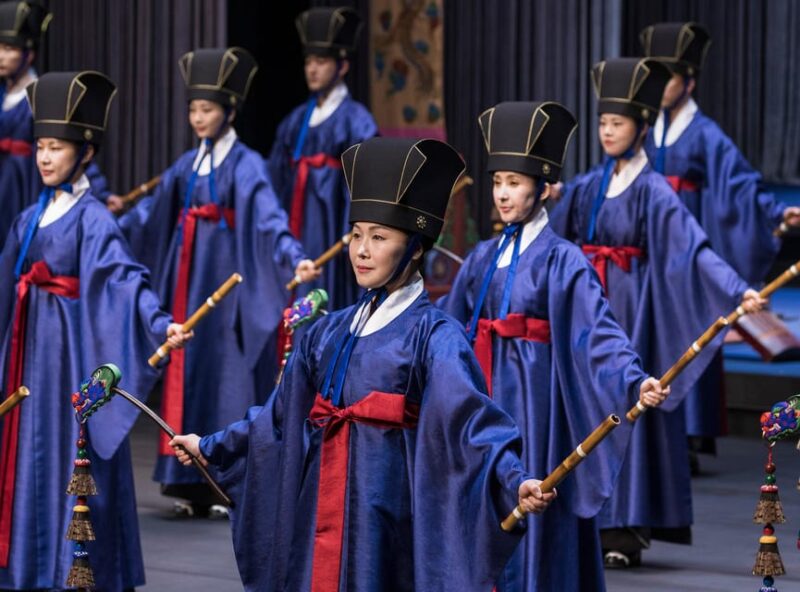
- The National Theatre Japan presents authentic Japanese classical performing arts, including Kabuki, Bunraku, Zashikimai, and Kumiodori & Jongmyo Jeryeak.
- Ticket prices for these performances start from $37.55 per person, with a pay-later option and a free cancellation policy up to 24 hours prior.
- Kabuki is a traditional Japanese theatre form featuring exciting stories, beautiful scenes, and exaggerated makeup and stylized movements.
- Bunraku is a UNESCO-recognized puppet theatre art that captivates audiences with intricate narratives and emotional storytelling.
- Visitors can enjoy English audio guides for Kabuki and Bunraku, and an English brochure for Zashikimai, while adhering to the venue’s visitor guidelines.

👉 Check out our guide to the 2 Best Craft Beer Tours And Tastings In Tokyo
Contents
- Key Points
- Overview of Performances
- Ticket Information and Booking
- Kabuki
- Bunraku
- Zashikimai
- Kumiodori & Jongmyo Jeryeak
- Accessibility and Amenities
- Visitor Guidelines and Reviews
- Frequently Asked Questions
- Can I Purchase Food and Drinks During the Performances?
- Are There Any Child-Friendly Options or Discounts Available?
- How Long Is the Intermission Between Different Acts?
- Are There Any Opportunities to Meet the Performers After the Shows?
- Are There Any Restrictions on What I Can Wear to the Performances?
- The Sum Up
- Our Top Picks in Tokyo
- More Tour Reviews in Tokyo
- Not for you? Here's more things to do in Tokyo we have recnetly reviewed
Overview of Performances
The article provides an overview of the diverse Japanese classical performing arts available for visitors to experience, including the renowned Kabuki and Bunraku, as well as the lesser-known Zashikimai and Kumiodori & Jongmyo Jeryeak.
These performances, presented by the National Theatre Japan, showcase authentic Japanese culture with a history spanning hundreds of years.
Kabuki is a traditional theatre known for its exciting stories and beautiful scenes, while Bunraku is a UNESCO-recognized puppet theatre art.
Zashikimai is a traditional dance expressing subtle human emotions, often performed in serene settings.
Kumiodori & Jongmyo Jeryeak are imperial court performing arts from Japan and Korea.
You can also read our reviews of more tours and experiences in Tokyo.

Ticket Information and Booking
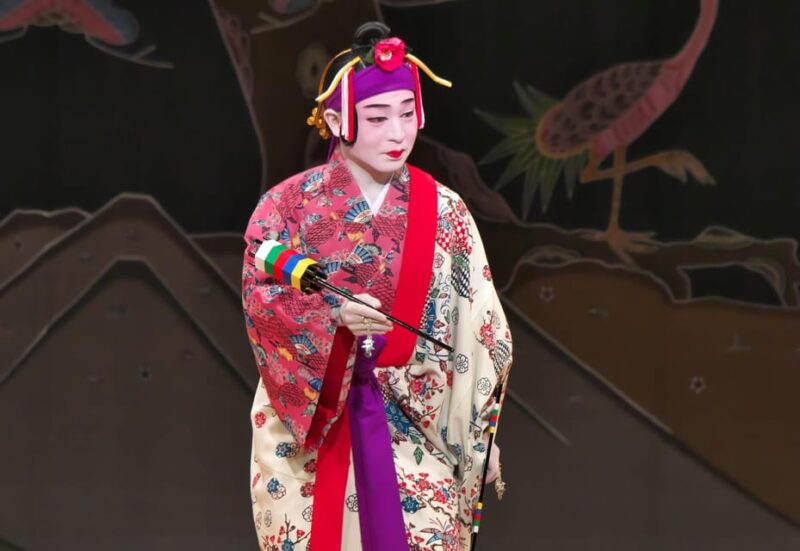
Tickets for the Japanese classical performing arts start from $37.55 per person.
Visitors can reserve their tickets now and pay later, providing flexibility with travel plans. A free cancellation policy is available up to 24 hours in advance for a full refund.
The duration of the performances ranges from 1 hour to 200 minutes, so guests can check availability for specific starting times.
The available performances include:
- Kabuki
- Bunraku
- Zashikimai
- Kumiodori & Jongmyo Jeryeak
These shows are presented by the National Theatre Japan, which has supported classical performing arts since 1965.
Kabuki
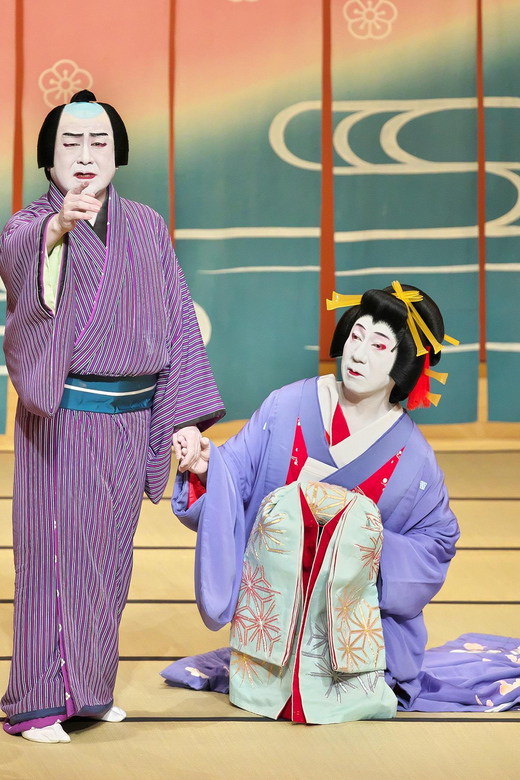
Kabuki is a traditional Japanese theatre that combines music, dance, and elaborate costumes to tell captivating stories. Audiences are enthralled by the dynamic performances, which often depict historical dramas, love stories, and tales of revenge. Kabuki is renowned for its striking visuals, from the actors’ exaggerated makeup and stylized movements to the intricate stage sets and props.
| Element | Description |
|---|---|
| Origins | Kabuki originated in the early 17th century and has since evolved into a highly refined art form. |
| Performances | Kabuki performances can last several hours, with actors delivering their lines in a distinctive, chanting style. |
| Significance | Kabuki is considered a vital part of Japan’s cultural heritage and is recognized worldwide for its artistic excellence. |
Bunraku
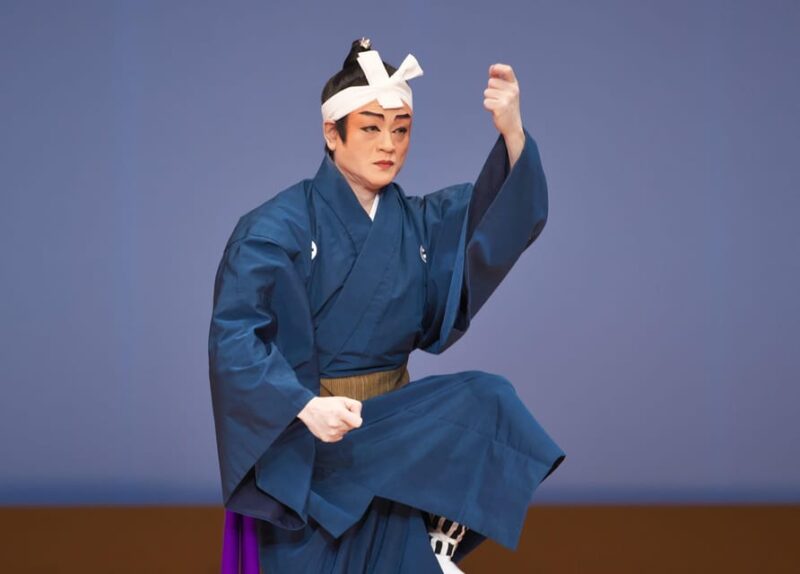
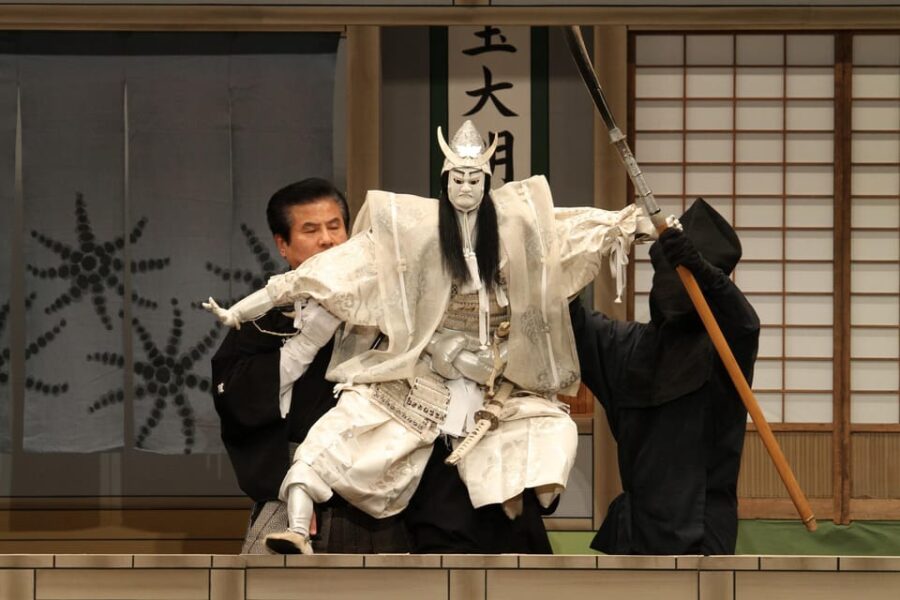
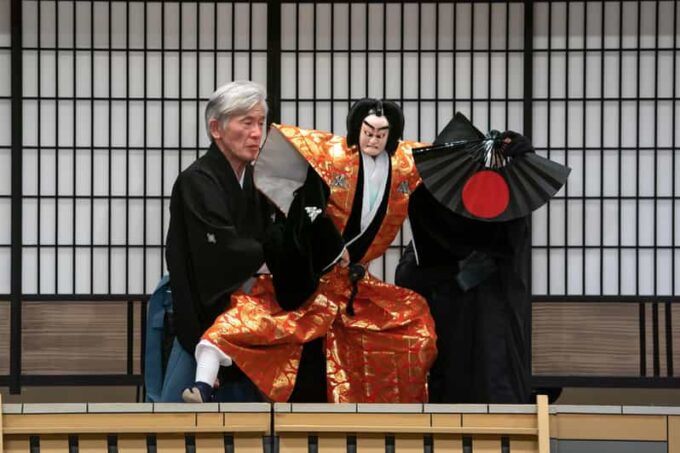
Bunraku, a UNESCO-recognized puppet theater art, captivates audiences with its intricate narratives, shamisen music, and mesmerizing puppetry.
Performers skillfully manipulate life-sized puppets, while a narrator recites the dialogue and a shamisen musician provides the score.
The performances showcase:
- Centuries-old traditions passed down through generations.
- Elaborate, ornate puppets with expressive features.
- Synchronized movements between the puppeteers and their characters.
- Emotional storytelling that transcends language barriers.
Bunraku offers a unique theatrical experience, blending Japanese heritage and artistry into a captivating display.
More Great Tours NearbyZashikimai
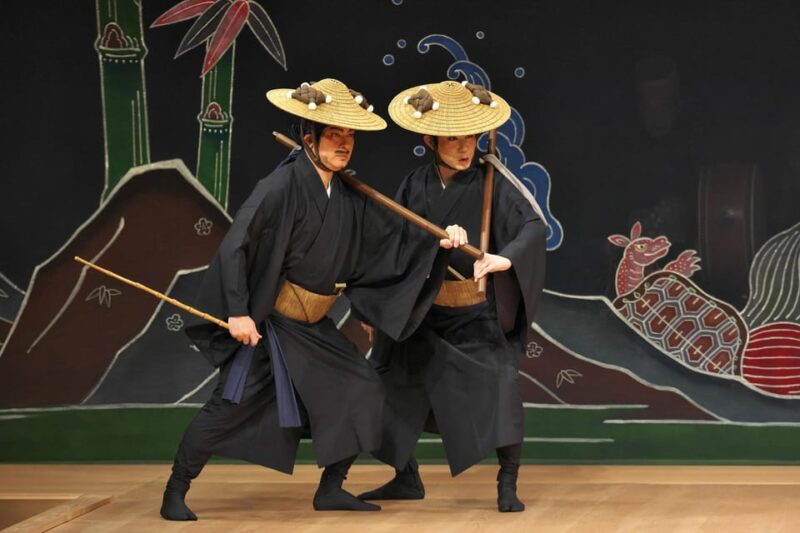
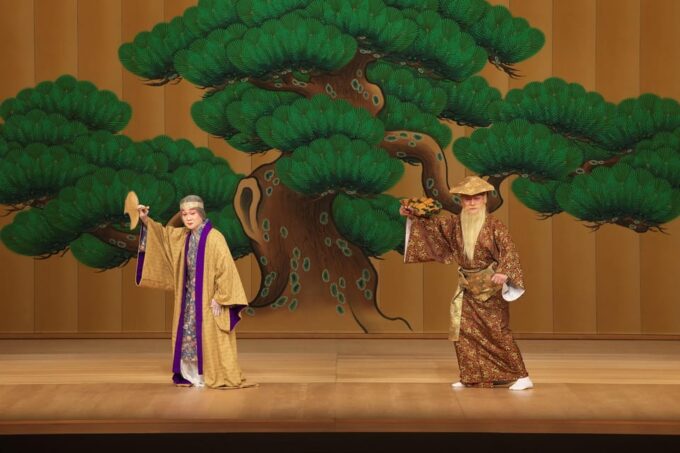
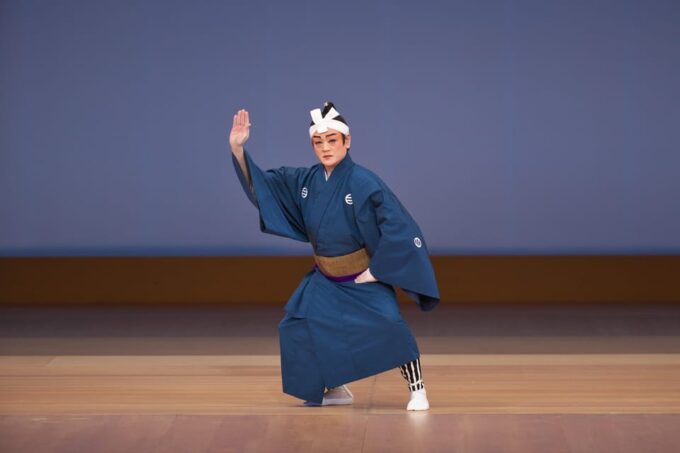
Zashikimai, a traditional Japanese dance form, expresses subtle human emotions through graceful movements and serene settings.
Performed in tatami-matted rooms, Zashikimai features intricate footwork, elegant gestures, and understated elegance. Dancers wear ornate kimonos and move with precision, conveying a range of feelings from melancholy to joy.
The performances often take place in tranquil environments, allowing the audience to fully enjoy the artistic experience.
Zashikimai represents the refined and contemplative aspects of Japanese culture, offering a captivating glimpse into the nation’s rich performing arts heritage.



Kumiodori & Jongmyo Jeryeak
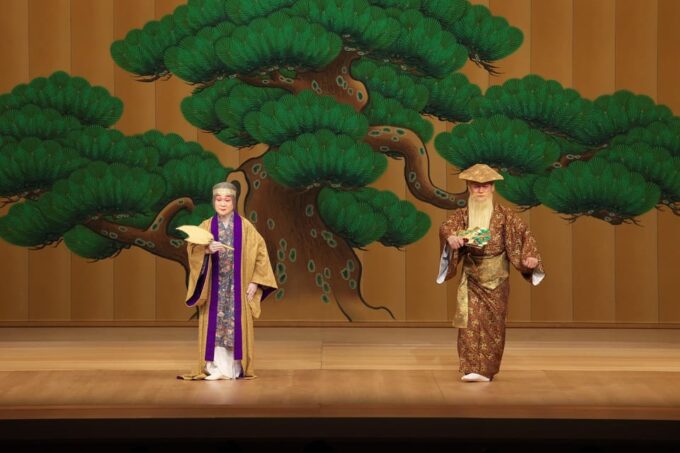
Although less well-known than other classical Japanese performing arts, Kumiodori and Jongmyo Jeryeak offer a unique glimpse into the imperial court traditions of Japan and Korea.
Kumiodori features an integrated performance of dialogue, music, and dance, while Jongmyo Jeryeak is a Korean imperial court ritual performance.
These two captivating art forms showcase:
-
Refined Elegance: Elegant, refined movements and gestures express the nuances of human emotions.
-
Cultural Exchange: Kumiodori reflects the historical cultural exchange between the Japanese and Korean imperial courts.
-
Ritualistic Tradition: Jongmyo Jeryeak preserves the ceremonial tradition of honoring royal ancestors.
-
Immersive Experience: Audience members are transported to the splendor of the imperial past.
Accessibility and Amenities
Visitors attending the classical Japanese performing arts at the National Theatre Japan can take advantage of several accessibility features and amenities.
English audio guides are available for Kabuki and Bunraku performances, allowing non-Japanese speakers to better understand the shows. For Zashikimai, an English brochure is provided.
The venue offers a unique experience by avoiding loud speakers, providing a serene atmosphere.
Seating positions will be assigned by the theater. Smoking, pets (except assistance dogs), alcohol, video recording, photography, and noise are prohibited to maintain the traditional ambiance.
Visitor Guidelines and Reviews
What guidelines must visitors follow when attending the classical Japanese performing arts at the National Theatre Japan? Smoking, pets (except assistance dogs), alcohol, and video recording or photography are strictly prohibited.
Additionally:
- Visitors must remain quiet and refrain from making excessive noise during the performances.
- Audience members will be assigned seating positions by the theater, so they must follow the instructions provided.
- Guests are encouraged to arrive early and plan accordingly, as latecomers may not be permitted entry.
- Overall, reviews highlight the value of the provided audio guides for non-Japanese speakers, with an average rating of 4.8/5 based on 37 reviews.
Frequently Asked Questions
Can I Purchase Food and Drinks During the Performances?
Food and drinks are generally not permitted during the performances. The venue focuses on providing a traditional and immersive cultural experience, so visitors are advised to enjoy the shows without consuming any edibles or beverages.
Are There Any Child-Friendly Options or Discounts Available?
There are children’s performances with discounts available. For regular shows, children under 6 get free admission, while those 6-15 receive a 50% discount. Seating and accessibility accommodations make the performances family-friendly.
How Long Is the Intermission Between Different Acts?
The intermission between different acts typically lasts around 15-20 minutes, allowing attendees to refresh and prepare for the next performance. The National Theatre give you a seamless and immersive experience for all visitors.
Are There Any Opportunities to Meet the Performers After the Shows?
Unfortunately, there aren’t any opportunities to meet the performers after the shows. The performances are presented by the National Theatre Japan, which doesn’t offer post-show interactions due to the traditional and formal nature of these classical Japanese performing arts.
Are There Any Restrictions on What I Can Wear to the Performances?
There are no specific dress code restrictions, though attendees are advised to wear comfortable attire. Formal wear is not required, but visitors should avoid overly casual or distracting clothing to respect the traditional nature of the performances.
Tokyo: KABUKI, BUNRAKU, Etc. Presented by National Theatre
“Everything was just great. It was a mesmerizing performance by some of the finest actors.”
The Sum Up
The National Theatre in Tokyo offers a unique cultural experience, showcasing the rich traditions of Kabuki, Bunraku, and other renowned Japanese performing arts. Visitors can enjoy these captivating art forms, enhanced by English audio guides and informative brochures. With a serene atmosphere and accessibility features, the National Theatre provides an unforgettable opportunity to explore the vibrant tapestry of Japanese cultural heritage.
You can check availability for your dates here: