
The National Museum of Palazzo Massimo is a true gem in the heart of Rome, offering visitors an unparalleled glimpse into the rich cultural and artistic heritage of ancient Roman civilization. From the iconic Boxer at Rest sculpture to the breathtaking frescoes of the Villa Livia, this museum is a treasure trove of artifacts that transport visitors back in time. But beyond the stunning visual displays, a private tour of Palazzo Massimo unveils a deeper understanding of the Roman calendar, ancestor worship, and funerary practices – insights that shed light on the daily lives and beliefs of the ancient Romans. Those who step through the museum’s doors are in for an immersive and enlightening experience.
Key Points
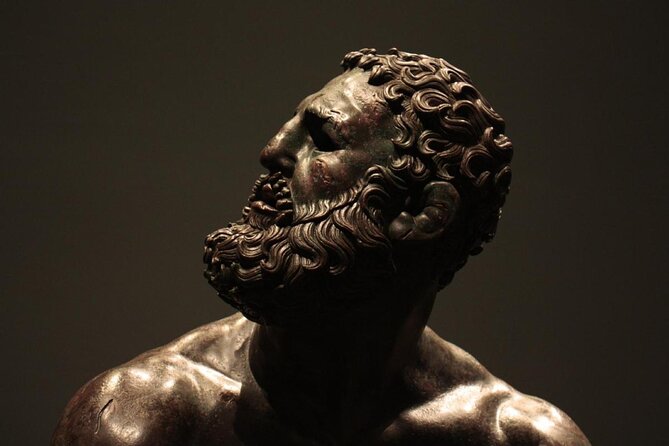
- Private tours at the Palazzo Massimo Museum offer an intimate and personalized exploration of its extensive collection of ancient Roman art and artifacts.
- Highlights include the iconic Boxer at Rest sculpture, breathtaking frescoes from the Villa Livia, and insights into ancient Roman timekeeping and ancestor worship practices.
- Knowledgeable guides provide in-depth commentary on the museum’s most significant pieces, offering a deeper understanding of Roman history and culture.
- Private tours allow for flexibility in itinerary, enabling visitors to focus on their areas of interest and avoid crowded public tours.
- Customized tours can be tailored to specific needs, such as exploring the museum’s extensive collection of Roman and Greek deities or uncovering the secrets of ancient Roman funerary practices.

👉 Check out our guide to the 20 Best 2 Day Tours In Rome
Contents
- Key Points
- Exploring the Palazzo Massimo Museum
- Ancient Roman Calendars and Time Keeping
- Ancestor Worship and Funerary Practices
- Unveiling the Villa Livia Frescoes
- Admiring the Boxer at Rest Sculpture
- Roman and Greek Deities in Marble
- Artistic Techniques of Ancient Rome
- Logistics and Tour Information
- Frequently Asked Questions
- Can I Take Photos During the Tour?
- Is There a Dress Code for the Museum?
- Are There Any Food or Drink Options at the Museum?
- Do I Need to Bring My Own Headphones for the Audio Guide?
- Can I Purchase Souvenirs at the End of the Tour?
- Recap
- Our Top Picks in Rome
- More Private Tours in Rome
- More Tours in Rome
- More Tour Reviews in Rome
- Not for you? Here's more things to do in Rome we have recnetly reviewed
Exploring the Palazzo Massimo Museum
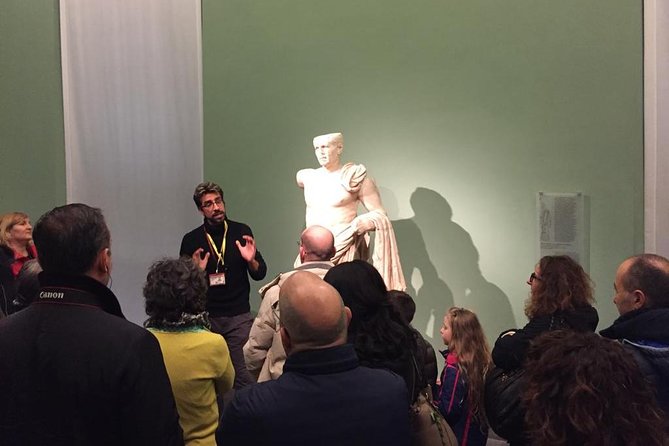
Private Tour – National Museum of Palazzo Massimo
Exploring the Palazzo Massimo Museum
The Palazzo Massimo Museum, a treasure trove of ancient Roman history and art, invites visitors to embark on an illuminating exploration of its renowned collections. As part of the National Roman Museum, this magnificent institution houses an impressive array of artifacts and masterpieces that offer a captivating glimpse into the rich cultural heritage of ancient Rome.
From the iconic Boxer at Rest sculpture to the breathtaking frescoes from the Villa Livia, the museum’s exhibits captivate visitors with their exquisite craftsmanship and the stories they hold. With the guidance of a knowledgeable private tour, guests can delve deeper into the museum’s vast treasures, uncovering the intriguing world of ancient Roman calendars, ancestor worship, and artistic practices that defined the era.
Want to keep it personal? More private experiences we love in Rome


Ancient Roman Calendars and Time Keeping
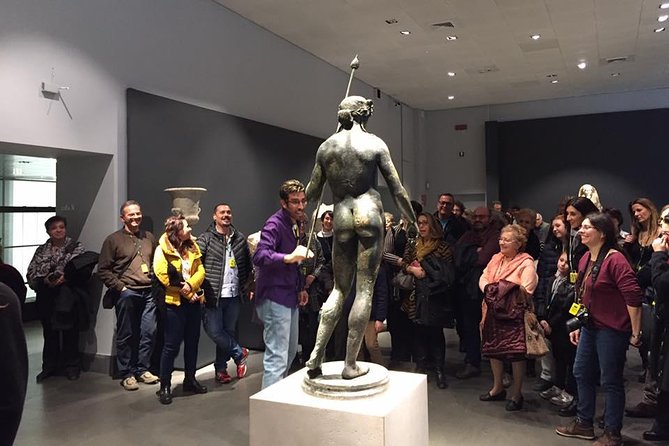
Integral to the Palazzo Massimo‘s collection is its exploration of ancient Roman calendars and time-keeping practices, offering visitors a deeper understanding of how the Romans organized and measured time.
The Roman calendar, which was based on the cycles of the moon and had 12 months, differed significantly from the solar-based Gregorian calendar used today.
Sundials and water clocks were crucial tools for tracking the passage of time, though they were less precise than modern timepieces.
Ancestor worship and the veneration of household gods were closely tied to the Roman calendar and its rituals.
The development of astronomical knowledge underpinned the Romans’ sophisticated approach to measuring and recording time.
Ancestor Worship and Funerary Practices
Private Tour – National Museum of Palazzo Massimo
Ancestor worship held a central place in ancient Roman culture, shaping important rituals and beliefs surrounding death and the afterlife. Families revered their deceased forebears, considering them integral guardians of the household and sources of prosperity. This reverence manifested in various funerary practices, from elaborate tombs and grave goods to periodic commemorations and offerings at ancestral shrines.
| Funerary Practice | Description |
|---|---|
| Tomb Construction | Elaborate tombs served to honor and house the deceased, often featuring sculpted sarcophagi and decorative elements. |
| Grave Goods | Objects such as jewelry, pottery, and tools were placed in the tomb to provide for the dead in the afterlife. |
| Commemorations | Family members regularly visited the tomb to make offerings and honor the deceased through rituals and feasts. |
| Ancestral Shrines | Smaller household shrines allowed for more frequent veneration of ancestral spirits and deities. |
Unveiling the Villa Livia Frescoes
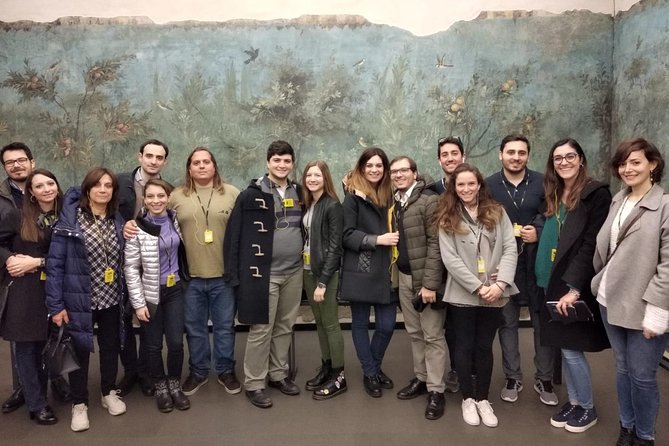
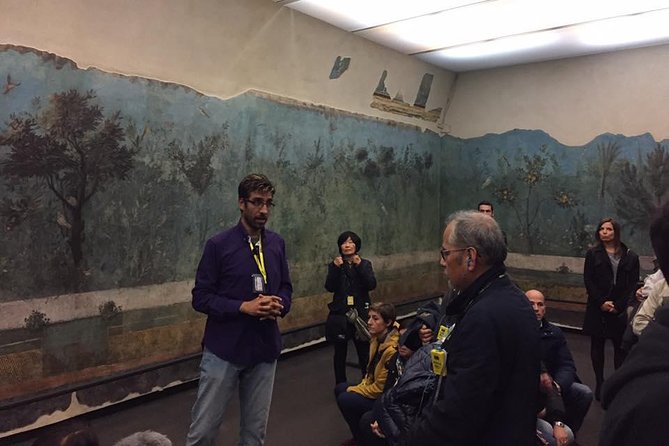
Prominently displayed within the Palazzo Massimo’s collection, the exquisite frescoes from the Villa Livia captivate visitors with their vibrant depictions of a lush garden landscape.
Uncovered in the 19th century, these well-preserved frescoes offer a unique glimpse into the opulent world of ancient Roman aristocracy.
As part of the private tour, guests can:
-
Admire the naturalistic rendering of flowers, vines, and trees that create a sense of serene tranquility.
-
Observe the intricate details and skillful use of perspective that showcase the artistic mastery of Roman painters.
-
Learn about the significance of garden imagery in Roman art and its connection to themes of abundance and fertility.
-
Discover how the frescoes provide valuable insights into the domestic spaces and lifestyle of the Roman elite.
Admiring the Boxer at Rest Sculpture
The Boxer at Rest, a mesmerizing bronze sculpture, captivates visitors to the Palazzo Massimo Museum.
Depicting a weary but resolute boxer in a moment of repose, this captivating work of art offers a powerful glimpse into the ancient Roman fascination with athleticism and physical prowess.
Crafted in the 4th century BCE, the sculpture captures the boxer’s fatigued yet determined expression, his bandaged hands resting on his knees as he prepares for the next bout.
Historians believe the statue may have served as a votive offering, honoring the boxer’s skill and perseverance.
Visitors are drawn to the sculpture’s raw emotion and technical mastery, marveling at the sculptor’s ability to breathe life into bronze.
Ready for more culture? More museums we feature in Rome


Roman and Greek Deities in Marble
Among the many treasures housed within the Palazzo Massimo Museum, visitors can’t miss the impressive collection of marble statues depicting Roman and Greek deities. These grand sculptures, crafted with meticulous detail, offer a captivating glimpse into the pantheon of ancient gods and the artistic mastery of their creators.
The museum’s galleries showcase:
A majestic statue of Zeus, the king of the gods, depicted with an imposing presence and powerful physique.
The serene and graceful form of Aphrodite, the goddess of love and beauty, captured in pristine marble.
The fierce and determined Athena, the goddess of wisdom and warfare, standing tall and resolute.
The enigmatic and alluring Dionysus, the god of wine and revelry, captured in a dynamic pose.
These exquisite works of art not only inspire awe but also illuminate the rich mythology and cultural significance of the ancient world.
Artistic Techniques of Ancient Rome
In the Palazzo Massimo Museum, visitors can marvel at the exquisite artistic techniques employed by ancient Roman sculptors and painters.
Through the museum’s captivating collection, one can witness the mastery of stone carving, the vibrancy of fresco painting, and the sophistication of metalwork that defined the artistic legacy of the Roman Empire.
The museum’s marble statues demonstrate the Romans’ skill in rendering the human form with remarkable realism and attention to detail.
The preserved frescoes from the Villa Livia showcase the Romans’ mastery of color, composition, and storytelling through mural painting.
Visitors can also appreciate the intricate metalwork of objects like bronze figurines, which highlight the Romans’ technical prowess and artistic innovation.
Logistics and Tour Information
Private Tour – National Museum of Palazzo Massimo
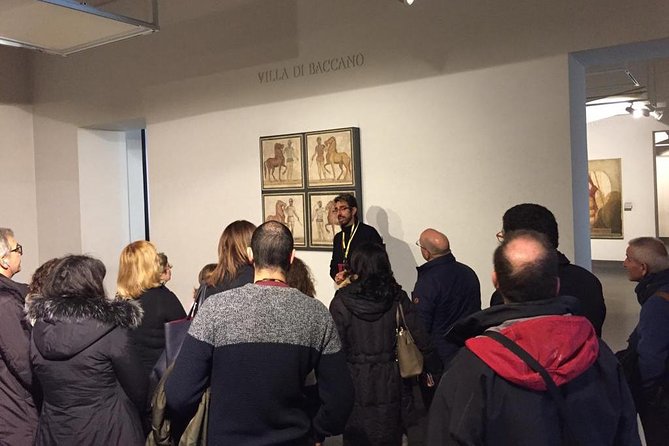
Visitors can easily access the National Museum of Palazzo Massimo, as it’s located right at the museum’s meeting point.
The tour lasts 2.5 hours and includes admission tickets, a private guide, and transportation.
Guests will begin and end their experience at the same location – the National Roman Museum – Palazzo Massimo.
The logistics of this private tour are straightforward:
- The meeting point is the National Roman Museum – Palazzo Massimo.
- The tour duration is 2.5 hours.
- Admission tickets, a private guide, and transportation are all included.
- At the end, visitors return to the same starting point.
With these convenient arrangements, guests can enjoy the museum’s ancient Roman history and art without worrying about the practical details.
Frequently Asked Questions
Can I Take Photos During the Tour?
Photography is generally allowed during museum tours, but visitors should follow the tour guide’s instructions and any posted rules. Some museums may have restrictions on flash photography or taking pictures of certain artworks.
Is There a Dress Code for the Museum?
There is typically no strict dress code for visiting museums, though visitors are generally expected to wear modest, respectful attire. Casual clothing is generally acceptable, but excessively revealing or untidy outfits may not be permitted.
Are There Any Food or Drink Options at the Museum?
The Palazzo Massimo Museum does not have any food or drink options available on-site. Visitors are advised to plan ahead and consume any refreshments before or after their visit to the museum.
Do I Need to Bring My Own Headphones for the Audio Guide?
No, you typically don’t need to bring your own headphones for the audio guide on a museum tour. Most museums provide compatible headphones or audio devices as part of the tour experience.
Can I Purchase Souvenirs at the End of the Tour?
Yes, visitors can typically purchase souvenirs at the end of the tour. Most museums have gift shops that offer a variety of items related to the museum’s collection and exhibits for visitors to take home as mementos.
Private Tour – National Museum of Palazzo Massimo
Recap
The National Museum of Palazzo Massimo offers an unparalleled journey through ancient Roman history and art.
From the iconic Boxer at Rest sculpture to the breathtaking Villa Livia frescoes, visitors are immersed in the cultural and artistic richness of the ancient civilization.
A private tour of this treasure trove is an unforgettable experience, transporting guests back in time and providing unrivaled insights into the Roman calendar, ancestor worship, and funerary practices.


