
If you’re planning a trip to the oldest city in the United States, a visit to the St. Augustine History Museum offers an accessible glimpse into the city’s complex past. This museum is a quiet, affordable stop that many travelers find worth their time—though opinions vary. It’s a place where history enthusiasts and casual visitors alike can get a sense of the layered stories that shaped this charming coastal town.
What makes this experience stand out are its visual displays of historical artifacts and the chance to see relics from Florida’s colonial eras. We also appreciate the Spanish sunken treasure room, a highlight for those curious about shipwrecks and maritime adventures. On the flip side, some visitors find the tour somewhat pedestrian, especially if expectations are high for more interactive or immersive exhibits.
This museum is best suited for history buffs on a budget or families looking for a quick, educational activity. If you’re after a comprehensive tour of St. Augustine, you’ll want to combine it with other experiences. But for a brief, insightful overview of Florida’s past, it’s a solid choice.
St. Augustine History Museum Experience
“Just a very disapointing experience very pedestrian!”
Key Points
- Affordable entry at just $9 per person
- Focus on Spanish, British, and French influences
- Includes a Spanish sunken treasure room and Indian Village
- Offers a view of Flagler’s Railroad development
- Ideal for history lovers and families on a budget
- Some reviews mention the experience being “very pedestrian,” so manage expectations
We start with the location—the museum sits at 167 San Marco Ave., a convenient spot easily accessible from other historic attractions. For just $9, visitors receive admission that lasts for the day, making it a flexible option for those wanting to explore at their own pace.
Once inside, you’ll find a collection of displays that bring over 400 years of Florida’s history to life. The exhibits showcase how St. Augustine and the surrounding area evolved under different colonial powers—Spain, England, France—and later as part of the United States. These displays aren’t just dry text; they include artifacts, photographs, and reconstructed scenes that help contextualize Florida’s tumultuous past.
A key highlight is the Spanish sunken treasure room—a small but intriguing space dedicated to maritime history and shipwrecks. Treasure hunters and history buffs alike will appreciate seeing relics from Spanish galleons and pirate stories, which are woven into Florida’s narrative. The museum also features a Timucan Indian Village, offering a glimpse into the indigenous peoples who inhabited the region long before European contact.
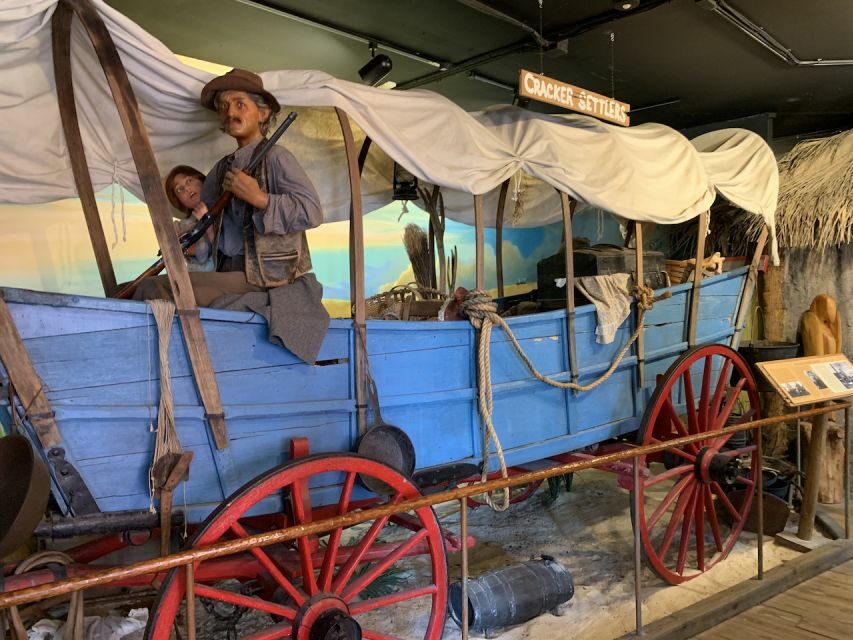
For those interested in early Florida trade, there’s a Florida Cracker trading post display, providing insight into how local settlers and traders operated. Visitors can learn about Flagler’s Railroad, which started in St. Augustine and extended 128 miles out to sea to reach Key West, illustrating the city’s importance in regional development.
Though compact, the museum aims to give a rundown—from Native Americans and Colonial powers to pirates and Revolutionary War stories. Some visitors, however, have found the experience “very pedestrian,” feeling it lacks interactive elements or engaging storytelling to keep younger audiences entertained. Still, if you appreciate well-curated historical collections, you’ll find plenty to pique your curiosity.
The displays do a good job of illustrating how Florida’s various rulers contributed to its diverse heritage. For instance, at the Spanish section, you might see artifacts from shipwrecks, coins, and clothing that reveal how Spaniards navigated the Gulf and Atlantic waters. The British influence is evident in the architecture and some of the artifacts relating to colonial governance, while the French presence is acknowledged through specific items and historical context shared via panels.
The Spanish sunken treasure room is a favorite for many visitors. It features preserved relics from ships that sank along Florida’s coast, giving a tactile sense of maritime peril and adventure. We loved the way this section sparks imagination—what stories do these coins and cannonballs tell?
The Indian Village offers a different perspective—an attempt to honor the Timucan people, who lived in the region long before Europeans arrived. Here, you might see models or reconstructed dwellings, which help paint a picture of indigenous life pre-1500s. For history lovers, it’s a reminder of Florida’s original inhabitants often overlooked in mainstream narratives.
The Flagler’s Railroad exhibit is particularly interesting because it ties into the city’s rise as a tourist destination. We appreciated the historic photos and small-scale models showing how this 128-mile railway connected St. Augustine with the Gulf of Mexico, boosting trade and tourism. This part of the museum helps visitors understand the infrastructural development that shaped modern Florida.
Considering the $9 price point, the museum provides decent value. It’s a quick, affordable way to familiarize yourself with the region’s history without committing to more expensive tours or museums. For travelers who enjoy reading informative panels and seeing artifacts, this spot is satisfying.
However, some reviews remind us that the experience can feel “pedestrian”—meaning it might lack the engaging storytelling or interactive elements many modern museums offer. If you’re expecting immersive experiences or guided tours, you’ll need to supplement your visit elsewhere. The self-guided nature provides flexibility but might leave some visitors wanting more.
The location and duration—a one-day visit—fit well into a broader sightseeing plan. It’s a good stop if you’re exploring downtown St. Augustine or perhaps as part of a multi-attraction pass.
This museum is best for budget-conscious travelers eager to get a quick overview of Florida’s colonial past. History buffs will appreciate the artifacts and the storylines, though those seeking highly interactive or dramatized exhibits should look elsewhere. It’s also suitable for families with kids, especially if they’re interested in pirates or Native American history, though very young children might find some parts less engaging.
If you’re visiting St. Augustine and want a low-cost, locally focused experience, this museum can be a nice addition. But if you crave a more dynamic or comprehensive historical experience, consider pairing it with other local tours or outdoor excursions.
Is the museum suitable for children?
Yes, children interested in pirates, Native Americans, or maritime stories might enjoy the exhibits, but very young kids could find the displays less engaging due to the lack of interactive features.
How long does the visit typically take?
Most visitors spend around 1 to 2 hours exploring the exhibits, giving enough time to read panels and observe artifacts without feeling rushed.
Is the museum wheelchair accessible?
While specific accessibility details aren’t provided, most small museums aim to accommodate visitors with mobility issues. It’s advisable to contact the museum directly for specific concerns.
Can I visit the Spanish sunken treasure room separately?
The treasure room is part of the main admission; it’s included in your ticket price and can be explored during your visit.
What’s the best time to visit?
Since it’s a small, indoor museum, it’s a good option regardless of weather. Visiting during less crowded times, such as weekday mornings, can enhance your experience.
Are there guided tours available?
The tour described is self-guided; no mention of guided tours is made. You can explore independently at your own pace.
Is this experience worth the $9 fee?
For the price, it’s a decent introduction to Florida’s colonial history with artifacts and exhibits that can satisfy casual curiosity. If you’re passionate about history, you might find it a bit basic, but it offers good value overall.
What should I bring?
Comfortable shoes and curiosity are all you need. If you’re interested in detailed stories, bringing a notebook or camera might be handy.
The St. Augustine History Museum offers an affordable, straightforward peek into Florida’s past. Its collection of artifacts and displays provides context for the city’s colonial, indigenous, and maritime history, making it a worthwhile stop for those on a budget or with limited time. While some visitors wish for a more lively or interactive experience, the museum’s strength lies in its curated exhibits and the stories they tell.
If you’re interested in learning about how St. Augustine grew from Native settlements to a strategic colonial hub, this museum will give you a solid foundation. It’s best enjoyed as part of a broader exploration of the city’s landmarks and outdoor sights, especially if you’re traveling with family or history enthusiasts.
For those who appreciate a quiet, educational experience that’s easy on the wallet, this museum is a good choice. Just remember, it’s a quick stop—not a full-day adventure—and managing expectations will make your visit more enjoyable.
Whether you’re a history lover or just looking for an inexpensive activity, the St. Augustine History Museum provides a respectful, well-curated window into Florida’s past—worth the visit if you’re nearby and curious about those 400 years of stories.
Note: Be sure to check current opening hours and availability before your visit, especially if you’re traveling during off-peak times.
You can check availability for your dates here: