
If you’re considering a taste of Kyoto’s cultural traditions, a Kimono & Tea Ceremony experience offered by Tondaya could be a highlight of your trip. This tour invites you into a centuries-old Kyoto townhouse, where you’ll dress in a luxurious silk kimono and participate in a calming tea ceremony. While it’s a popular activity with many glowing reviews, it also has some practical considerations for travelers to keep in mind.
We love the chance to wear authentic kimono and explore a traditional machiya—a historic townhome—while enjoying a peaceful tea ceremony. These moments make for unique memories and fabulous photos. However, some travelers mention the group size and language barriers as potential downsides. This experience is best suited for those interested in Japanese culture, photography, or simply a gentle, immersive activity in Kyoto’s historic heart.
Key Points
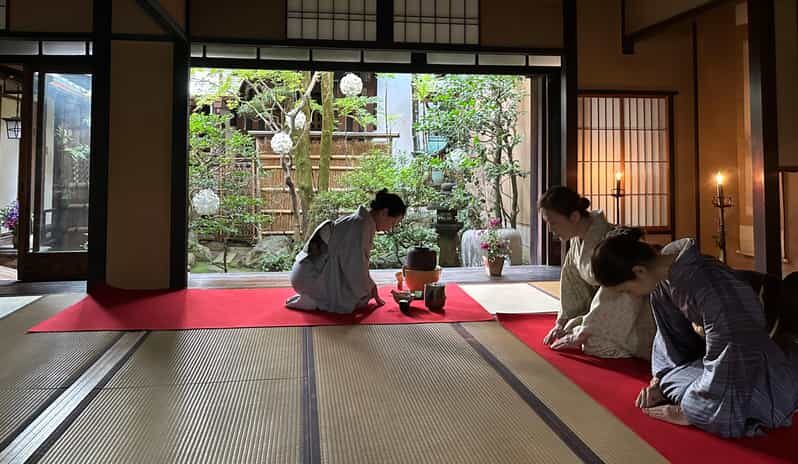
- Authentic Kimono Fitting: Experience wearing a 100% silk kimono in a traditional style.
- Historic Setting: Explore a Meiji-era machiya, a beautifully preserved Kyoto townhouse.
- Traditional Tea Ceremony: Participate in an educational and relaxing matcha tea ritual.
- Photo Opportunities: Ample time for photos around the house and in your kimono.
- Group & Private Options: Available as a group activity or a private session.
- Good Value: For $121, you get kimono dressing, a tea ceremony, and a house tour—considered a fair price for such an immersive experience.

👉 Check out our guide to the 5 Best Cruises And Boat Tours In Kyoto
Contents
- Key Points
- What to Expect: A Step-by-Step Breakdown
- Arrival and Kimono Dressing
- Exploring the Machiya
- Tea Ceremony Experience
- House Tour and Final Photos
- Wrapping Up
- Practical Details and Value
- Duration, Group Size, and Price
- What to Bring and Tips
- Accessibility and Language
- Authenticity and Cultural Value
- Balance and Considerations
- The Sum Up: Who Is This Tour Perfect For?
- FAQ
- Our Top Picks in Kyoto
- More Tour Reviews in Kyoto
- Not for you? Here's more things to do in Kyoto we have recnetly reviewed
What to Expect: A Step-by-Step Breakdown
You can also read our reviews of more tours and experiences in Kyoto.


Arrival and Kimono Dressing
Your journey begins at the Tondaya – Nishijin Japanese Cultural Experience Museum in Kyoto. The staff is friendly, and their main goal is to make you look and feel fantastic. They’ll quickly fit you into a beautiful silk kimono, with an emphasis on comfort and style. The kimonos are mostly of traditional design, with shorter guests getting the more colorful, printed options, while taller visitors often receive solid-color kimonos.
One reviewer, Amy, mentioned, “We enjoyed wearing the kimonos. I would’ve liked more education about the garments we wore, their origins, and significance,” highlighting that some may wish for a deeper cultural context. Still, most appreciate the chance to dress up in traditional attire and get some memorable photos.
Exploring the Machiya
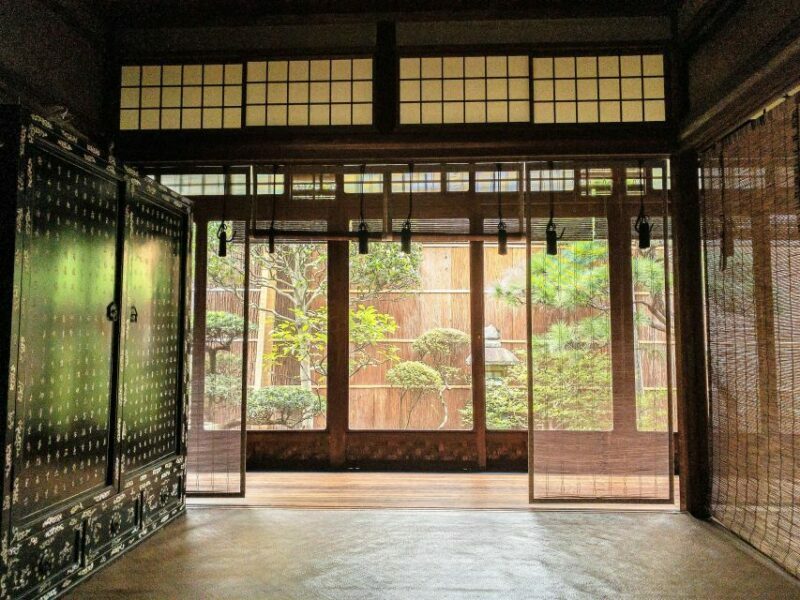
Once dressed, you’re free to walk around the originally Meiji-period house. The architecture boasts wooden beams, sliding doors, and charming gardens—all offering a genuine sense of Kyoto’s historic atmosphere. You can snap plenty of photos, as the staff are happy to help and take pictures for you. Several reviews praise the stunning backdrop of the house and interior gardens, making for excellent photo souvenirs.
Tea Ceremony Experience
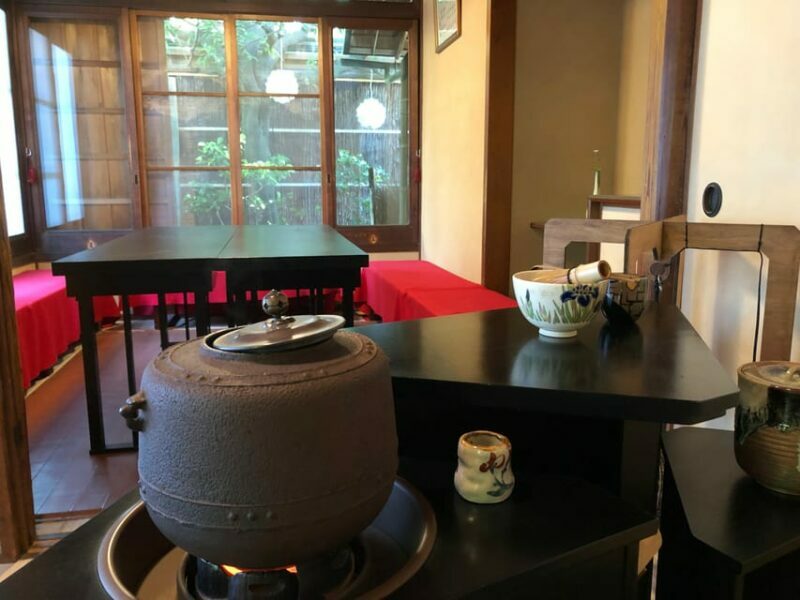
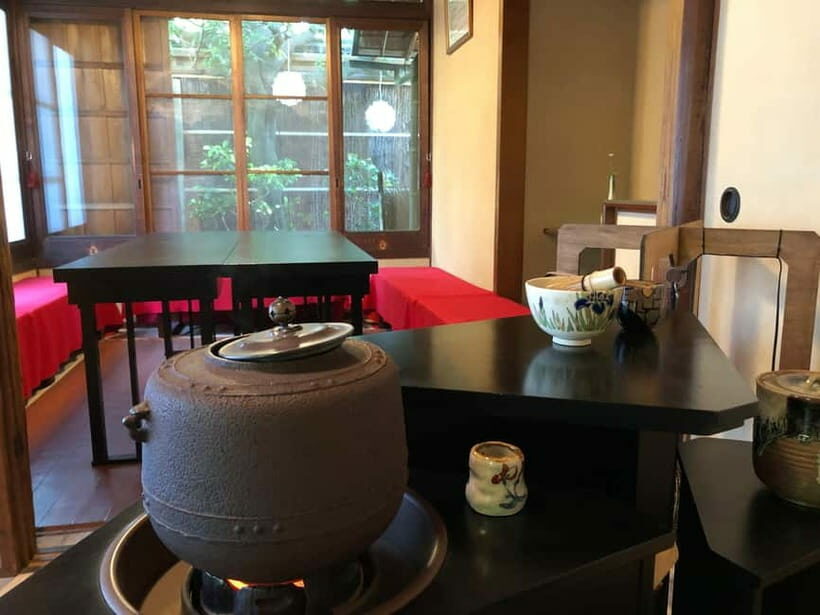
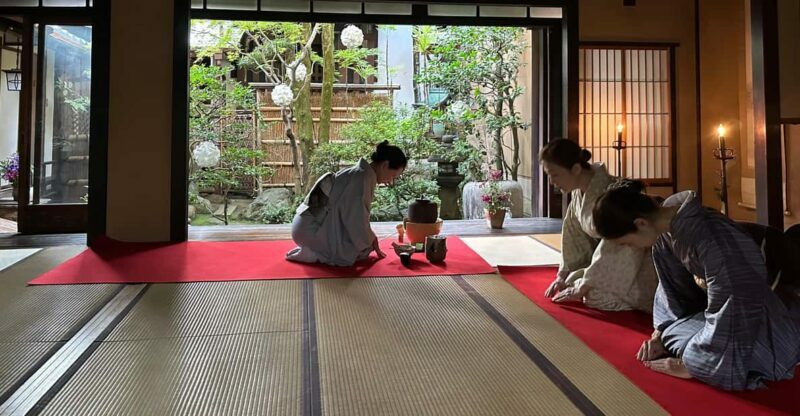
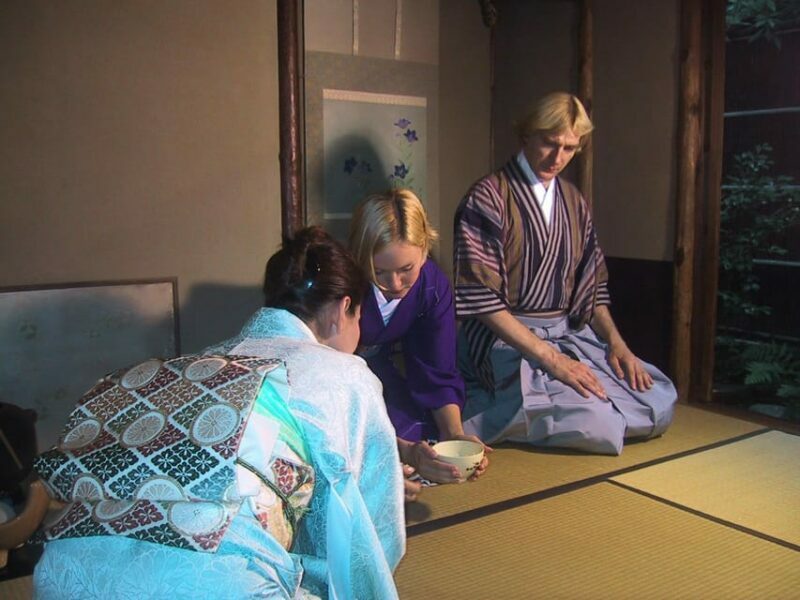
Next, you’ll move into the tea room for a traditional Japanese tea ceremony. The ceremony is typically performed by knowledgeable guides, who explain each step of the matcha preparation with clarity. The experience is generally described as calm and informative. Brittany noted, “The tea ceremony was very informative, and the guide was very clear in her explanations.”
While most reviews are positive, a few mention group size as a factor—larger groups might feel a bit crowded or noisy, which can detract from the peaceful nature of a tea ceremony. Also, those expecting to mix or prepare the tea themselves might be disappointed, as most guides perform the ceremony while explaining it.
More Great Tours NearbyHouse Tour and Final Photos
After the tea, you can enjoy a guided tour of the house, learning about its history and architecture. Many guests enjoy this part, with Amy describing it as “a lovely spot for photos and I appreciated having plenty of time to take our own.” Some mention that not all staff speak English fluently, so a translation device might be helpful, especially during the house tour.


Wrapping Up
The experience concludes back at the meeting point, with ample time to reflect and share photos. It’s a relaxed, friendly activity that allows you to savor Kyoto’s traditional charm without rushing.
Practical Details and Value
Duration, Group Size, and Price
The tour typically lasts about 1 to 1.5 hours, making it a manageable activity for most schedules. It’s conducted as a group experience, usually with other travelers, which can enhance the lively atmosphere or, as some note, introduce a bit of noise or waiting during busy times.
At $121 per person, this experience is a considered good value. It includes the kimono dressing, the tea ceremony, and a house tour—an immersive package that offers plenty of cultural insight and memorable moments. Keep in mind, during New Year’s (December 28 to January 5), prices increase by 30%, and the tour is closed during the last days of December.
What to Bring and Tips
- Socks are mandatory—please bring your own, as bare feet are not allowed.
- Wear clothes that aren’t too tight around the neck to show the kimono’s best fit.
- You might want to bring a clean T-shirt to change if your own is wet; this is especially relevant if you plan to wear the kimono for a longer period.
- For those with specific needs, the experience offers private options—but note that if you didn’t book private, you may wait for other participants.
Accessibility and Language
Some reviews note that not all staff are fluent in English. While guides are friendly and helpful, a translator device might enhance understanding. The warm hosts and beautiful setting compensate for language gaps.
Authenticity and Cultural Value
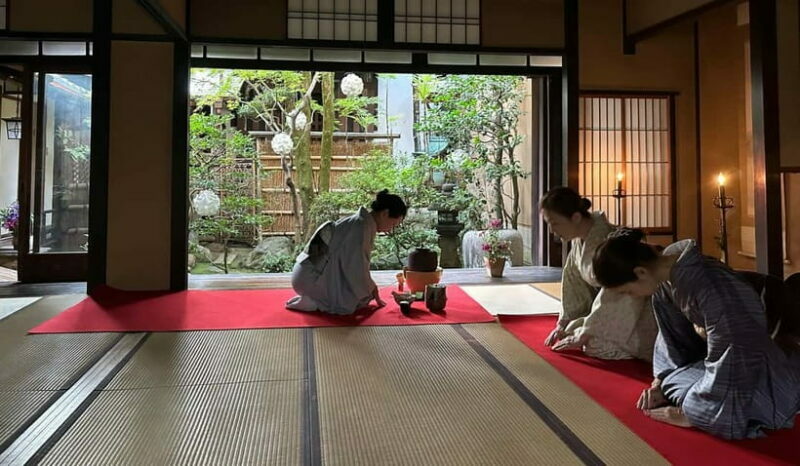
What makes this activity appealing is its authentic setting—a genuine Kyoto townhouse, not a commercialized or overly touristy venue. Guests frequently mention the history and atmosphere as enriching, especially since the house is over a century old.
The kimono dressing offers a tangible connection to Japan’s traditional garments, even if it’s more about the visual rather than an in-depth lesson on their significance. Several reviewers, like Sarah, say, “Getting dressed was amazing,” and others recognize the opportunity to capture beautiful photos.
The tea ceremony is the heart of this experience, offering a glimpse into Japanese hospitality and mindfulness. Its formal yet welcoming style resonates with many as a meaningful way to connect with local culture.
Balance and Considerations
While the majority of reviews are glowing, a handful point out some downsides. For instance, crowding can sometimes hinder the serene nature of the tea ceremony, as Razvan observed, “it was a bit crowded, but the experience is well worth it.” A few guests have expressed a desire for more educational content about the garments or the ceremony’s history, indicating that those seeking a deep cultural dive might find this experience somewhat surface-level.
Another aspect to consider is that not all participants might get the same quality of kimono fitting—larger guests or those with specific body types may find their options limited or less comfortable.
The Sum Up: Who Is This Tour Perfect For?
This Kimono & Tea Ceremony experience in Kyoto offers a well-rounded taste of traditional Japanese culture. It’s ideal for photo enthusiasts and first-time visitors wanting a beautiful keepsake, or those genuinely curious about kimono dressing and tea rituals. The setting and guides are generally praised for their warmth and knowledge, making it a memorable cultural highlight.
It’s a particularly good choice if you’re looking for a relaxing activity that combines history, aesthetics, and a touch of formality. The value for money is decent, considering the inclusion of kimono dressing, house tour, and tea ceremony. Though it might be crowded at times and the language barrier is a minor concern, the authentic atmosphere more than makes up for it.
For travelers who want a friendly, approachable introduction to Kyoto’s traditional life—without the expense or complexity of more intensive lessons—this experience hits the right notes. Just remember to bring socks, wear loose clothing around the neck, and prepare for a peaceful, picture-worthy adventure.
Kimono & Tea Ceremony Experience in a Kyoto Cultural Asset
“We enjoyed wearing the kimonos. I would've liked more education about the garments we were wearing, origins, significance, etc. Also, my friend and…”
FAQ
Do I need to bring anything special?
Yes, bring your own socks, since bare feet are not allowed. Wearing comfortable, loose clothing around the neck can help the kimono fit and look its best.
Can I book a private session?
Yes, private options are available for those who prefer an exclusive experience, which can offer more personalized attention and privacy.
Is this activity suitable for children?
The tour is designed for adults, but older children who are respectful and interested in Japanese culture might enjoy it. Check with the provider for specific age recommendations.
What is included in the price?
The fee covers kimono dressing, the tea ceremony, and a house tour. It does not include socks, geta, hair styling, makeup, or lunch.
How long does the tour last?
Expect about 1 to 1.5 hours, depending on group size and pace.
What if I don’t speak Japanese?
Guides generally speak English, but some staff may use translation devices as needed. Learning basic phrases or bringing a translation app can help.
Are the kimono sizes flexible?
Most kimonos are available in various sizes, but taller guests may find they receive solid-color options rather than patterned ones.
Is there an age limit?
The experience is geared towards adults, but older children with an interest in culture could participate. Confirm with the provider for specific age restrictions.
What should I wear to the tour?
Wear comfortable clothes that aren’t too tight around the neck. Avoid tight collars or turtlenecks that might interfere with kimono fitting.
When is the best time to book?
Reserve at least a few days in advance, especially during peak seasons or holidays. Availability is flexible with the “book now, pay later” option, and cancellations are free up to 24 hours beforehand.
In short, this tour offers a delightful glimpse into Kyoto’s traditional world, balancing photo-worthy moments with cultural insight. With friendly hosts, a stunning setting, and a fair price, it’s an activity that will leave you with both memories and a touch of Japan’s timeless elegance.
You can check availability for your dates here:


