
Are you curious about the real meaning behind Japan’s ancient tea rituals? This Kyoto tea ceremony experience offers a thoughtfully curated glimpse into the authentic art of matcha preparation, set in a beautifully preserved 150-year-old townhouse. It’s perfect for travelers who crave more than just a photo op — they want to understand and participate in a genuine cultural practice.
What we appreciate most about this tour is its focus on educating guests about the history and significance of the tea ceremony. Plus, the setting — a traditional Kyoto townhouse with a welcoming, spacious yet cozy atmosphere — makes it feel both special and accessible. One potential consideration is that the experience involves a standing-style tea ceremony, which is a departure from the typical sitting on tatami mats, and some may prefer traditional seating. Overall, it’s best suited for those genuinely interested in Japanese culture, aesthetics, and traditional arts, rather than casual travelers.
Key Points
- Authentic experience with high-quality Uji matcha sourced directly from a long-standing family farm
- Educational focus with detailed explanations and demonstrations by knowledgeable guides
- Intimate setting with small groups, making it ideal for personal interaction
- Traditional craftsmanship in the wagashi, crafted by a historic Kyoto confectioner
- Comfortable and accessible design with chairs to suit guests who prefer not to sit on the floor
- Excellent value considering the depth of cultural insight and high-quality ingredients involved

👉 Check out our guide to the 5 Best Cruises And Boat Tours In Kyoto
Contents
- Key Points
- An Honest Look at What You’ll Experience
- The Location and Setting
- The Group Size and Atmosphere
- The Structure of the Experience
- The Tea and Wagashi
- What Makes This Experience Special
- The Practical Side: Pricing, Duration, and Accessibility
- Accessibility and Considerations
- Authenticity and Education: What You’ll Take Away
- The Value of the Experience
- The Sum Up
- FAQ
- Our Top Picks in Kyoto
- More Tour Reviews in Kyoto
- Not for you? Here's more things to do in Kyoto we have recnetly reviewed
An Honest Look at What You’ll Experience
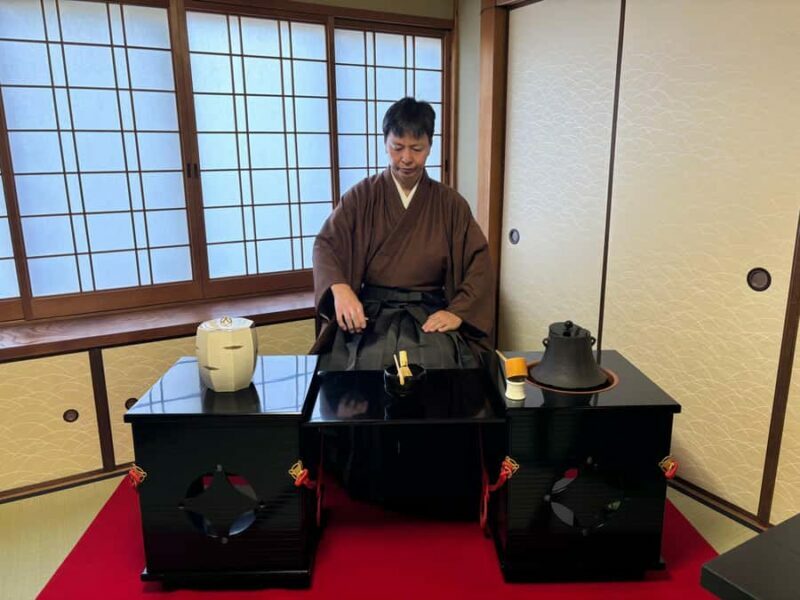
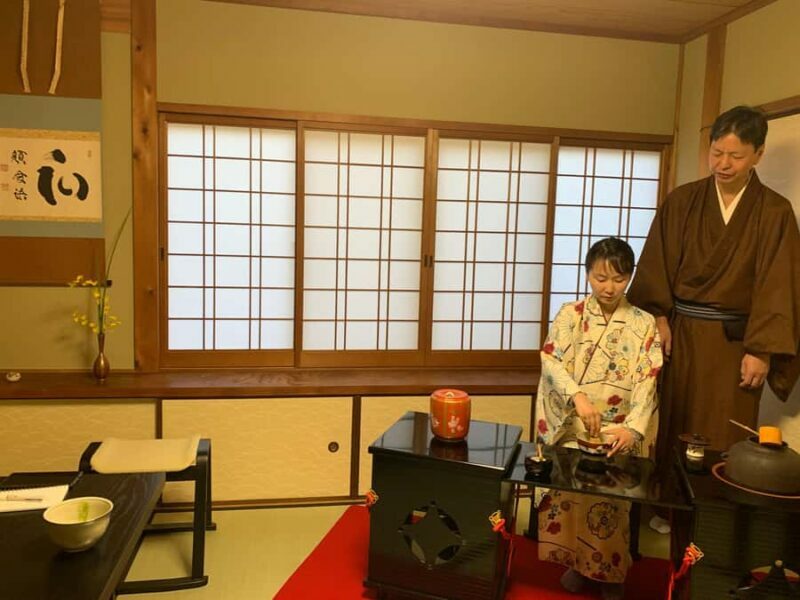
This Kyoto tea ceremony is not your average tourist trap. It’s a carefully arranged, authentic encounter designed for those eager to understand the depth of Japan’s tea culture. From the moment you arrive near Kiyomizu Temple, you’re stepping into a peaceful, historic environment. The venue is a charming 150-year-old townhouse, which retains its original woodwork and traditional character, yet features a bright and welcoming interior designed to feel open and serene.
You can also read our reviews of more tours and experiences in Kyoto.


The Location and Setting
The meeting point is conveniently situated at the end of the Ninenzaka alley, near a Starbucks and Kiyomizu Temple. The location can be a little tricky to find, especially since Google Maps may direct you to another nearby experience provider. Clear directions are provided, but it’s wise to allow extra time.
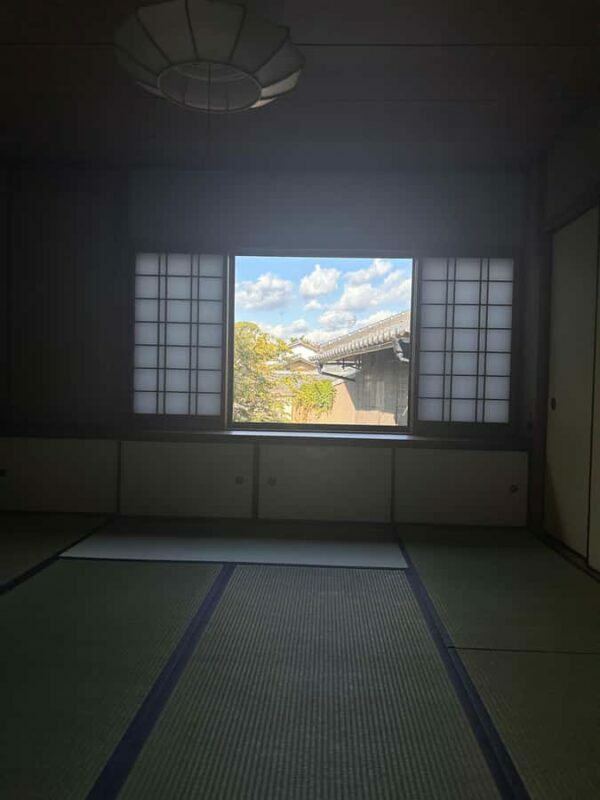
Inside, the ambiance blends traditional Japanese architecture with a modern touch, making it comfortable for guests. The rooms are small, with low ceilings typical of old Kyoto houses, but the space is kept bright and airy — a smart move to avoid the usual dark, cramped feel of traditional tea rooms. Be aware, stairs can be steep and narrow, so those with mobility issues should consider this.
The Group Size and Atmosphere
Most tours are intimate, with groups typically limited to six to twenty participants. This creates a friendly, informal environment where questions are encouraged, and your guide can give personalized attention. Numerous reviews highlight how knowledgeable guides make a real difference, taking the time to thoroughly explain each step, answer questions, and share insights.
The Structure of the Experience
The tour lasts about 50 minutes, making it a manageable yet meaningful activity. It begins with a brief introduction to the history and significance of the tea ceremony. Guides then lead you through the different tea utensils, explaining their uses, care tips, and cultural symbolism.
Then comes the focus on proper etiquette and serving techniques. You’ll see a demonstration of elegant movements that reflect centuries of tradition, followed by the chance to prepare your own matcha — an engaging activity that helps you appreciate the craftsmanship involved.
More Great Tours NearbyThe Tea and Wagashi
The highlight—besides learning—is tasting premium Uji matcha, sourced directly from a family farm dating back to the Bunsei era (1818–1831). Many reviews emphasize how smooth and flavorful the matcha is, creating a real contrast to the often bland, commercial varieties found elsewhere.
Accompanying the tea are handcrafted wagashi, traditional Japanese sweets from a long-established Kyoto confectionery. These sweets are not only pleasing to the eye but also crafted with care, adding to the sensory experience. Several guests noted how delicious and beautiful the wagashi were, and how they added depth to the tasting.


What Makes This Experience Special
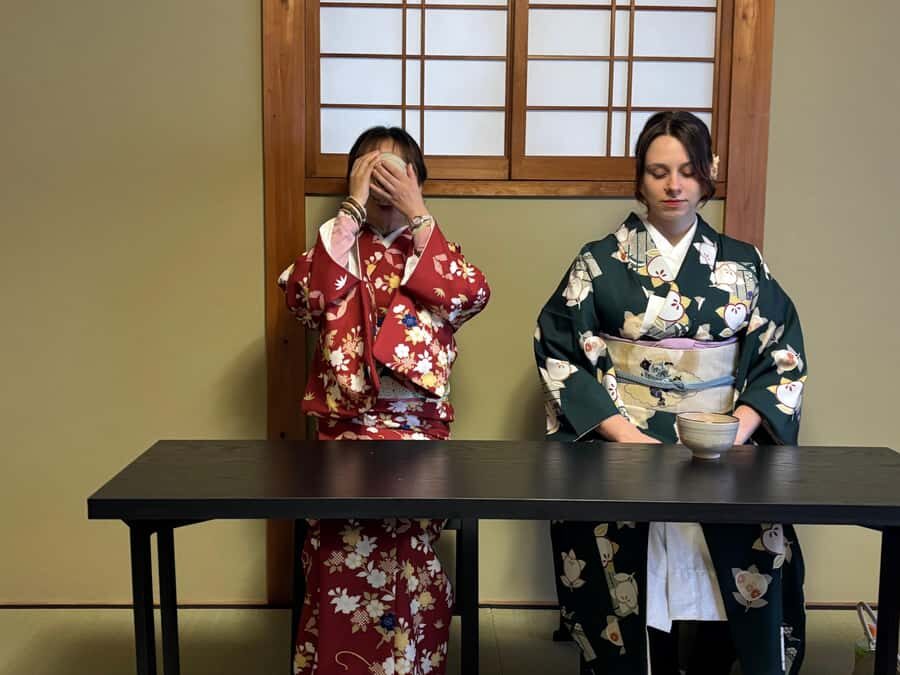
Beyond the core activities, what sets this apart is its focus on authenticity and cultural respect. The tea is enjoyed in a quiet, distraction-free environment — a key principle of the tea ceremony — so you can fully focus on the moment. The setting, a traditional townhouse, evokes a sense of stepping back in time, yet it feels welcoming and comfortable.
The tea master and guides are praised for their professionalism, kindness, and depth of knowledge. Multiple reviewers appreciated the educational aspect, noting that they left with a much better understanding of the ceremony’s symbolism and history.
The Practical Side: Pricing, Duration, and Accessibility
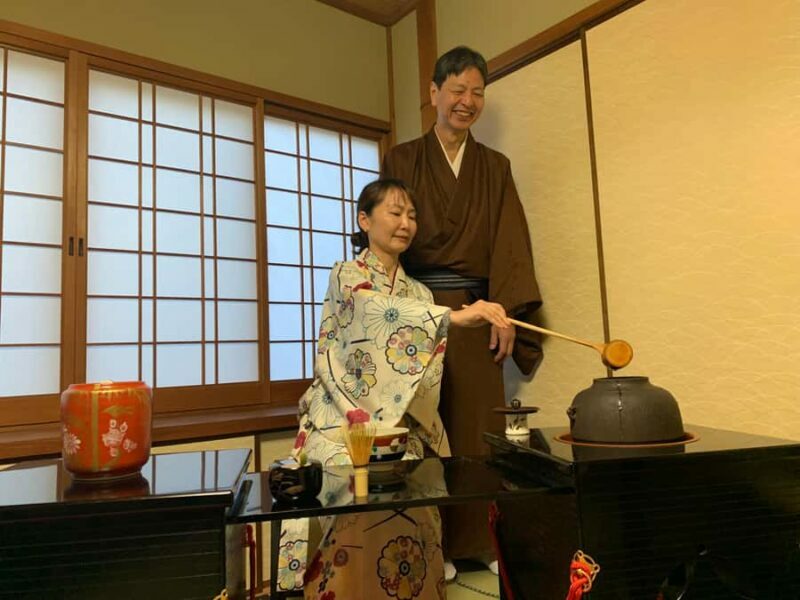
At around 50 minutes, this tour hits a sweet spot between being thorough and not overdoing it. It’s priced reasonably considering the quality of the ingredients, the craftsmanship involved in wagashi making, and the expert guidance. For those who value educational, authentic experiences over cheap tourist shows, the value is clear.
The experience is designed to be comfortable for most guests—chairs are provided, making it easier for those who find sitting on the floor challenging. However, note that big accessories should be removed to avoid damaging the tea bowls. Also, shoes must be removed before entering the tea space, as is customary.
Accessibility and Considerations
While the experience is generally accessible thanks to the chairs, it’s not suitable for children under 10, wheelchair users, or those with mobility challenges due to stairs. The environment is quiet and reflective but not suitable for loud groups or parties.
Guests are asked to bring socks (since shoes are removed) and refrain from wearing fragrances that might interfere with the delicate scents involved in the experience. Photography is restricted to preserve the atmosphere, but at the end, there’s an option for a photo opportunity.
Authenticity and Education: What You’ll Take Away
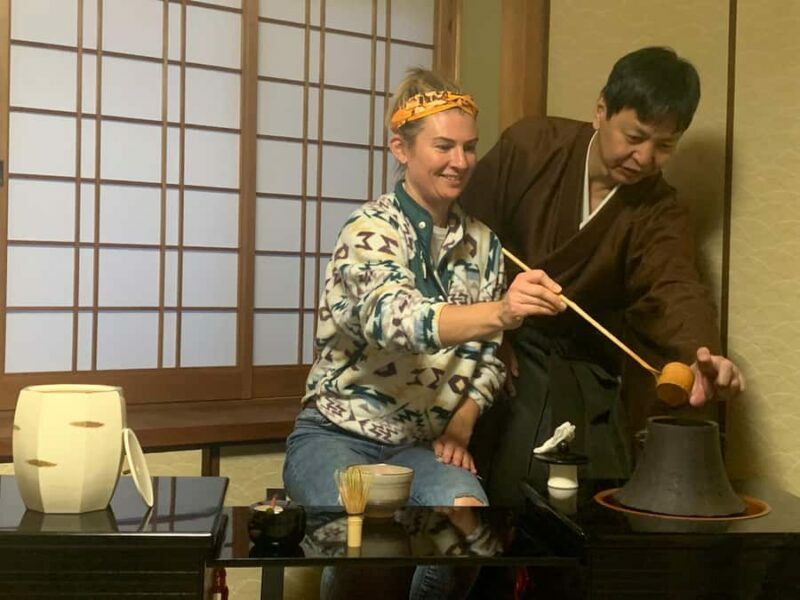
Guests consistently praise how knowledgeable the guides are, with some describing their explanations as “thorough,” “entertaining,” and “genuine.” Several reviews point out that this experience is not a tourist gimmick but a sincere sharing of Japan’s tea traditions.
Many mention how the experience clarifies the philosophy of peace and harmony behind the ceremony, with some saying it left them with a calming, almost meditative feeling. The detailed explanation of the utensils, movements, and seasonality makes this more than just tasting — it’s understanding a cultural ritual.
The Value of the Experience
Considering the high-quality ingredients, the expert guidance, and the intimacy of the setting, this tour offers substantial value. It’s especially good for those who want a deeper understanding of Japanese culture rather than just a quick demonstration. The inclusion of handcrafted wagashi and the chance to make your own matcha elevates the experience beyond a simple tasting.
While it’s not the cheapest activity in Kyoto, many reviews highlight how the educational aspect and authentic ambiance justify the price. It’s a chance to gain insight into an art form that’s been refined over centuries, making it more meaningful than fleeting photo souvenirs.
This experience is ideal for culture enthusiasts, history buffs, and serious tea lovers. If you’re someone who appreciates craftsmanship, tradition, and quiet reflection, you’ll find this very rewarding. It’s also suited for guests who prefer sitting chairs over floor seating, making it more accessible for older travelers or those with mobility issues.
However, if you’re after a lively, party-style activity or traveling with young children, you might find this experience too subdued. It’s best enjoyed by those with a genuine interest in the art of tea, Japanese aesthetics, or history.
The Sum Up
In a city as historic and vibrant as Kyoto, this tea ceremony offers a rare chance to connect deeply with Japan’s cultural roots. The knowledgeable guides, authentic setting, and high-quality ingredients make it a standout experience for those who want to learn, taste, and reflect. It’s a peaceful, intimate activity that leaves lasting impressions of the mindful beauty behind every cup.
If you’re coming to Kyoto with a desire for meaningful cultural encounters, this tour provides a genuine taste of Japan’s revered tea traditions — simply, beautifully, and respectfully.
Kyoto Ninenzaka: Tea Ceremony in Old Townhouse with Chairs
“Amazing. They were so kind. The place is peaceful and quiet. I recommend it”
FAQ
Is this experience suitable for people who don’t sit on the floor well?
Yes. The ceremony is conducted in a standing style, and chairs are provided to ensure comfort for all guests.
How long does the tour last?
It lasts approximately 50 minutes, giving you enough time to learn, observe, and taste without feeling rushed.
Do I need to bring anything?
Yes, guests are asked to bring socks since shoes must be removed. Socks are available for purchase if needed.
Can I take photos during the experience?
Photography during the ceremony is not allowed to preserve the atmosphere, but there’s a photo opportunity at the end.
Is the experience suitable for children?
It’s recommended for guests aged 10 and above. Young children may find the quiet and focus required challenging.
What’s included in the price?
You’ll receive expert guidance, a demonstration of the ceremony, a self-prepared matcha, and handcrafted wagashi.
Is there any special attire or accessories I should avoid?
Large accessories like long necklaces and big rings can damage the tea bowls, so it’s best to remove them beforehand.
How do I find the meeting point?
The location is near Kiyomizu Temple, at the end of Ninenzaka alley, close to Starbucks. Clear written directions are provided.
Is this experience good value?
Considering the quality of ingredients, the expert guides, and the authentic setting, most reviews agree it offers excellent value for a meaningful cultural experience.


