
When considering a visit to Hiroshima, many travelers want to understand the profound history behind the city’s devastation and its inspiring journey toward peace. This walking tour offers a thoughtful, in-depth look at Hiroshima’s memorial sites, guided by knowledgeable experts. It’s a chance to reflect on a tragic past while witnessing the city’s resilient spirit firsthand.
What I particularly appreciate about this tour are the expert guidance from a PhD scholar, which elevates the experience beyond mere sightseeing, and the well-paced, respectful visits to important memorials. The tour’s focus on authentic, meaningful stops makes it stand out from more superficial city tours. One potential consideration is that it’s fairly walking-intensive; comfortable shoes are a must.
This tour is perfect for travelers who want a thoughtful, educational experience that balances history and reflection. If you’re eager to understand Hiroshima’s story beyond the typical tourist spots, and value insightful commentary from a knowledgeable guide, this outing deserves serious consideration.
Key Points
- Authentic, respectful exploration of Hiroshima’s major peace monuments
- Guided by a PhD scholar, offering in-depth historical context
- Small group size ensures personalized attention and an intimate experience
- Free admission to most sites, making this a cost-effective way to learn
- Self-guided museum visit allows flexibility to explore at your own pace
- Advance booking ensures a smooth experience, with most travelers booking two weeks ahead

👉 Check out our guide to the 2 Best Dining Experiences In Hiroshima
Contents
- Key Points
- An In-Depth Look at the Tour Experience
- The Overview and What Makes It Special
- Starting Point and Itinerary Breakdown
- What Travelers Say About the Tour
- Practical Considerations and Tips
- Who Should Join This Tour?
- The Sum Up
- FAQ
- Our Top Picks in Hiroshima
- More Historical Tours in Hiroshima
- More Walking Tours in Hiroshima
- More Tour Reviews in Hiroshima
- Not for you? Here's more things to do in Hiroshima we have recnetly reviewed
An In-Depth Look at the Tour Experience
If you're enjoying exploring Hiroshima on foot, you'll love these other walking tours we recommend


The Overview and What Makes It Special
Priced at just over $30 per person, this 2-hour walk offers remarkable value. It covers Hiroshima’s most significant memorials and monuments, providing deep insight into the city’s history and message of peace. The fact that it’s led by a scholar with a PhD adds a layer of credibility and depth that many casual tours lack. The small group format—limited to 8 travelers—means plenty of room for questions and personal interaction.
The tour is designed to be a thoughtful, contemplative journey through Hiroshima’s most moving sites. From the haunting Atomic Bomb Dome to the symbolic Gates of Peace, each stop offers a chance to connect emotionally and intellectually with the city’s story.
Starting Point and Itinerary Breakdown
The tour begins at a convenient meeting point in Hiroshima’s Naka Ward, making it easy to include as part of a broader city exploration. The entire route is designed as a gentle stroll, mostly on flat ground, making it accessible even for those with mobility concerns.
Atomic Bomb Dome (20 minutes)
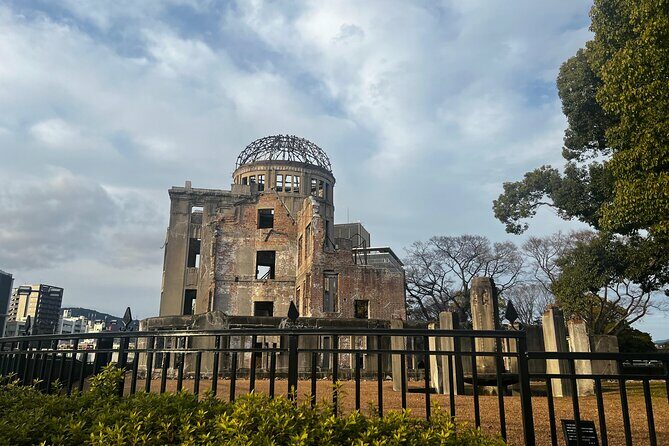
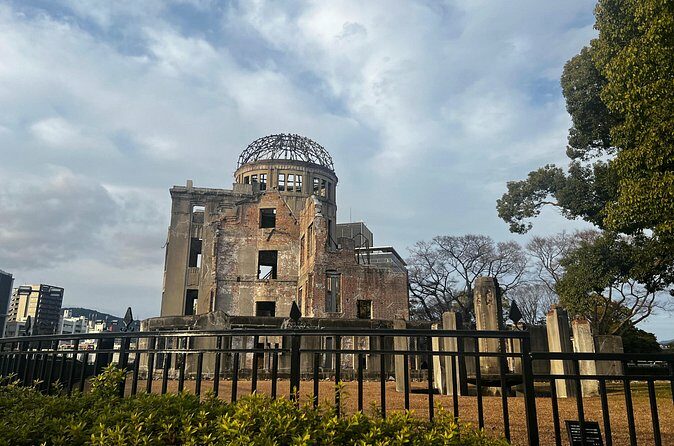
This UNESCO World Heritage Site is the tour’s emotional centerpiece. You’ll see the skeletal remains of the building that survived the atomic blast, a powerful reminder of destruction. The guide will share the tragic events of August 6, 1945, and explain the symbolism of the Dome as a beacon of resilience and a call for peace. Travelers rave about the authenticity of this stop; one reviewer called it “a haunting yet powerful reminder of the past.”
Peace Bell (10 minutes)
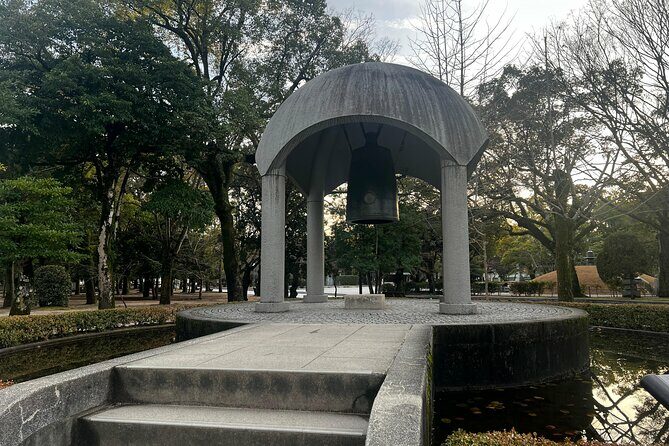
Next, you’ll visit the Peace Bell, whose resonant sound echoes across the memorial park. It’s a simple but profound symbol of harmony and the hope for a nuclear-free world. Visitors often mention how the tranquil setting invites reflection, making it a favorite moment for many.
Monument to Korean Victims and the Children’s Peace Monument (20 minutes total)
The tour then moves to memorials honoring victims from Korea and children who suffered from the atomic bombing, especially Sadako Sasaki, whose story of folding paper cranes inspires hope. Several reviews highlight how these monuments evoke compassion and a desire for reconciliation. One reviewer noted, “The stories behind these memorials really made the history personal and touching.”
Peace Flame and Hiroshima National Peace Memorial Hall (40 minutes combined)
Walking along, you’ll see the continuous Peace Flame, burning since 1964, symbolizing Japan’s unwavering commitment to a world without nuclear arms. The nearby Memorial Hall provides a quiet space to absorb survivor stories and photographs—an impactful experience that many describe as deeply moving. Visitors often mention how this part of the tour encourages introspection and empathy.
Cenotaph and Peace Memorial Museum (20 minutes)
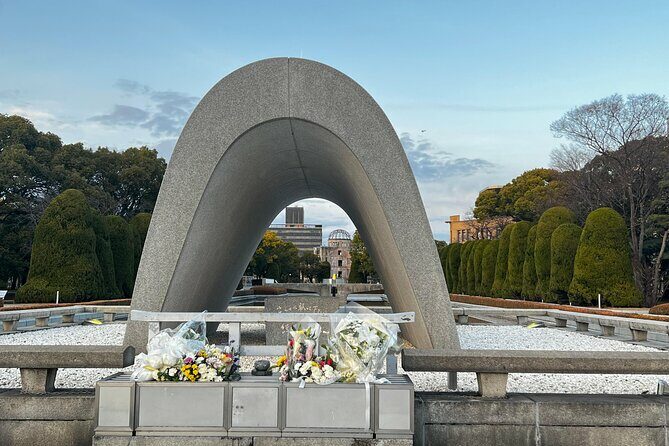
The arched Cenotaph bears inscriptions advocating peace and remembering all victims. While entry to the museum is included in the ticket, you’ll visit independently afterward, allowing you to explore at your own pace. The museum’s exhibits are renowned for their powerful personal stories and historical artifacts. Many reviews emphasize the importance of pre-booking tickets to avoid long lines.
Gates of Peace (20 minutes)
Finally, the series of glass gates inscribed with “peace” in many languages captures the universal hope for harmony. It’s a visually striking, symbolic end to the tour. Visitors often comment on the emotional resonance of seeing these gates and considering their message of global unity.
What Travelers Say About the Tour
The consistent praise from reviews centers on the expertise and kindness of guides, with many describing guides as knowledgeable, personable, and eager to answer questions. Multiple travelers mention that the guide’s explanations add depths of understanding to each site, transforming a simple walk into an enlightening experience.
The value for money is also a recurring theme. With free access to most sites and the museum ticket included (with a skip-the-line feature), many say this tour offers more than its modest price suggests. One reviewer called it “well worth doing,” emphasizing that the tour adds significant context to Hiroshima’s memorials.
Some reviewers appreciated the considerate pacing, especially in hot weather or for those with mobility challenges. Ghani, the guide, was praised for slowing down, making it accessible to everyone, and explaining complex history simply.
Practical Considerations and Tips
- Book in advance: Most travelers book about two weeks ahead, ensuring availability and smooth planning.
- Wear comfortable shoes: The walk covers several sites, mostly on flat ground, but expect a fair bit of strolling.
- Arrive early at the meeting point to get settled and ready for the tour.
- Bring water and sun protection: Hiroshima can get hot, especially in summer.
- Museum visit: You’ll explore the Peace Memorial Museum independently, so plan your time accordingly.
Fascinated by Hiroshima's past? More historical tours we've covered


Who Should Join This Tour?
This experience is best suited for travelers seeking a deep, respectful understanding of Hiroshima’s history. It appeals to those who value knowledgeable guides and want to see the city’s most significant memorials without the hassle of navigating on their own. The small group size fosters a more intimate, reflective atmosphere, ideal for travelers who appreciate meaningful conversations.
It’s a particularly good choice for history buffs, peace advocates, and anyone interested in the stories behind the monuments. Those with mobility issues should note the walking component but can be reassured by the generally flat terrain and considerate pacing.
The Sum Up
In a city marked by tragedy and resilience, this walking tour offers an authentic, moving introduction to Hiroshima’s commitment to peace. Guided by expert scholars, it brings to life the stories behind the monuments and memorials, helping visitors grasp the profound importance of reconciliation and hope.
The combination of free access to major sites, inclusive storytelling, and a small-group format makes this a fantastically valuable experience. It’s perfect for travelers who want a respectful, informative, and personal encounter with Hiroshima’s history.
If you’re looking for a way to connect emotionally and intellectually with Hiroshima’s scars and triumphs, this tour will stay with you long after you leave. It’s a meaningful addition to any visit, especially for those who cherish stories of resilience and the ongoing pursuit of peace.
Walking Through History: Hiroshima’s Path to Peace
“Ghani, our guide, was very knowledgeable about Hiroshima and was an excellent host! I learned a lot today that I did not already know. Additionally…”
FAQ
Is this tour suitable for all ages?
Yes, the walk is on flat ground and paced with consideration, making it accessible for most ages. However, travelers should be comfortable with walking and standing for about two hours.
Can I visit the Peace Memorial Museum on my own after the tour?
Yes, the museum admission is included, but you will need to explore it independently. It’s recommended to arrive early to avoid lines, as the guide cannot speak inside.
How many people are in each group?
The tour is limited to a maximum of 8 travelers, ensuring a personal and reflective experience.
What should I wear?
Comfortable shoes are a must, as you’ll be walking on mostly flat surfaces. Sun protection and water are also advisable, particularly in summer.
Do I need to pre-book this tour?
Yes, most travelers book about two weeks in advance to secure their spot and ensure a smooth experience.
Are service animals allowed?
Yes, service animals are permitted on the tour.
This walking tour of Hiroshima is more than just sightseeing; it’s a chance to reflect on a city’s history and its message of peace. Well-organized, deeply respectful, and led by expert guides, it’s a meaningful experience for anyone wanting to understand Hiroshima’s past and hope for the future.


