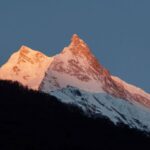
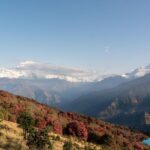
If you’re dreaming of standing beneath towering snow-capped peaks, the Annapurna Base Camp Trek offers an opportunity not just to see these giants, but to walk among them. While we haven’t personally trekked these trails (this is a review based on detailed information and traveler feedback), the journey promises a combination of breathtaking scenery, genuine cultural exchanges, and professional guidance.
What we love most? First, the expert guides who know these trails inside out, making safety a priority. Second, the authentic cultural experiences with the Gurung and Magar communities, which add a meaningful dimension to the trek. On the flip side, travelers should consider the physical demands of the route, especially during steep ascents and at higher altitudes.
This trek suits those with moderate fitness levels who are eager to see Nepal’s wilderness and enjoy local hospitality. If you’re someone who values well-organized trips with an emphasis on safety and culture, this tour could be a perfect fit.
Key Points
- Expertly Guided: Knowledgeable guides ensure safety and enrich your understanding of the region.
- Cultural Encounters: Interactions with Gurung and Magar communities add authenticity beyond just scenic views.
- Great Value: All-inclusive pricing covers permits, accommodations, and most meals, offering good value for a high-altitude trek.
- Stunning Scenic Spots: Iconic moments, like sunrise from Poon Hill and sunrise at Annapurna Base Camp, are unforgettable.
- Well-Organized Itinerary: Carefully planned daily activities avoid unnecessary rush and maximize enjoyment.
- Physical Readiness Needed: Moderate fitness is recommended due to altitude changes and steep sections.
👉 Check out our guide to the 2 Best Guided Tours In Jagat
Contents
- Key Points
- Introduction: A Trek That Balances Adventure and Culture
- What You Can Expect: An In-Depth Look at the Itinerary
- Day 1 & 2: Starting in Kathmandu and Moving to Pokhara
- Day 3: Trek to Tikhedhunga
- Day 4: Climbing to Ghorepani
- Day 5: Sunrise at Poon Hill
- Day 6 & 7: Into Gurung Country & Approaching Annapurna Sanctuary
- Day 8 & 9: Reaching Annapurna Base Camp (ABC)
- Day 10 & 11: Descent and Return to Pokhara
- Day 12: Back to Pokhara
- The Practicalities: What Does the Tour Cover?
- The Authentic Experience: Why Travelers Love This Trek
- Who Is This Trek Best For?
- FAQs
- Final Thoughts
- Our Top Picks in Kathmandu
- More Hiking & Trekking Tours in Kathmandu
- More Tour Reviews in Kathmandu
- Not for you? Here's more things to do in Kathmandu we have recnetly reviewed
Introduction: A Trek That Balances Adventure and Culture
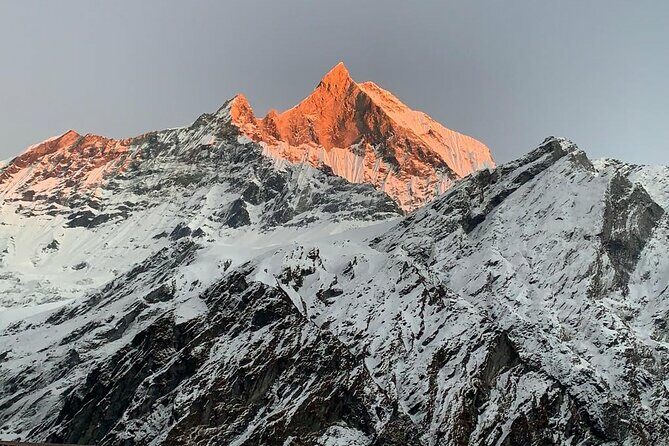
This 12-day Annapurna Base Camp trek, operated by Adventure Glacier Treks & Expedition, promises more than just reaching a mountain’s feet. It combines hearty hiking through diverse landscapes with the chance to connect with local communities, making it an experience suited for travelers who want depth and authenticity.
Two aspects stand out immediately. First, the professional guides who have years of experience on these trails, making safety and local insights their top priorities. Second, the cultural encounters with Gurung and Magar villages, which help you see Nepal not only through your camera lens but through meaningful interactions.
A potential consideration? The journey involves several days of trekking with some steep ascents and altitude gains—expect a physical challenge, especially at higher points like Poon Hill and Annapurna Base Camp. This trip is best suited for those with at least a moderate level of fitness. If you’re looking for a scenic, well-organized trek that balances adventure, culture, and value, this tour is likely to tick all your boxes.
Ready to hit more trails? More hiking adventures we feature in Kathmandu
What You Can Expect: An In-Depth Look at the Itinerary
Day 1 & 2: Starting in Kathmandu and Moving to Pokhara
Your journey begins in Kathmandu, where a representative will greet you at Tribhuvan Airport and transfer you to your hotel. This initial meeting includes a briefing — a good chance to clarify doubts and get a feel for what’s ahead. The next day involves a scenic drive to Pokhara, roughly 6-7 hours by tourist bus, offering a glimpse of Nepal’s rural life and lush landscape.
This transfer is not just transportation; it’s part of the adventure. Sitting comfortably in a private or semi-private vehicle, you’ll pass terraced farms, rivers, and small villages, building anticipation for the trek ahead.
Day 3: Trek to Tikhedhunga
Leaving Pokhara by private vehicle, you’ll arrive at Nayapul in about two hours, where your trek begins. The trail starts with gentle walks along Modi River, but the real challenge is the climb to Tikhedhunga, a small village. Here, the landscape begins to shift; lush greenery gives way to more rugged mountain terrain, and the air feels crisper.
Day 4: Climbing to Ghorepani
Today, you’ll ascend to Ulleri, a village famous for its stone steps—about 3,000 of them. This section tests your stamina but rewards you with panoramic views and a sense of conquering the mountain. From Ulleri, the trail winds through rhododendron forests to reach Ghorepani, a lively village bustling with trekkers and local hospitality.

Day 5: Sunrise at Poon Hill
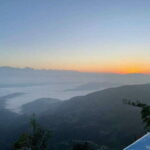
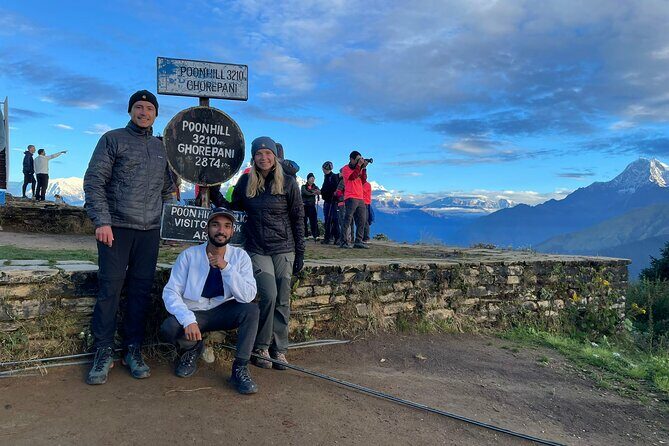
This is a highlight of the trip. Waking early, you’ll hike for about 50 minutes to Poon Hill (3,200m), a prime spot for sunrise over the Himalayas. The view encompasses around 15 peaks, including Annapurna and Dhaulagiri. Many reviewers rave about this moment, calling it “one of the best sunrise experiences in Nepal.” It’s an early start, but those unforgettable views make it worth the effort.
Day 6 & 7: Into Gurung Country & Approaching Annapurna Sanctuary
Descend slightly into the Gurung village of Chhomrong, then continue down to Dovan, nestled at the foothills of the Annapurna massif. Along the way, expect lush forests and quiet mountain streams. The trek here is a gentle mix of downhill and uphill sections, with a chance to spot Himalayan birds and maybe a monkey or two.
Day 8 & 9: Reaching Annapurna Base Camp (ABC)
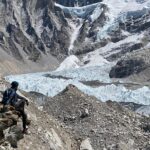
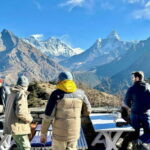
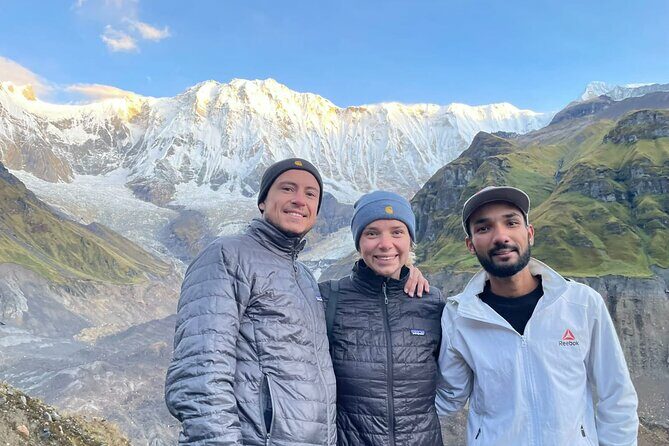
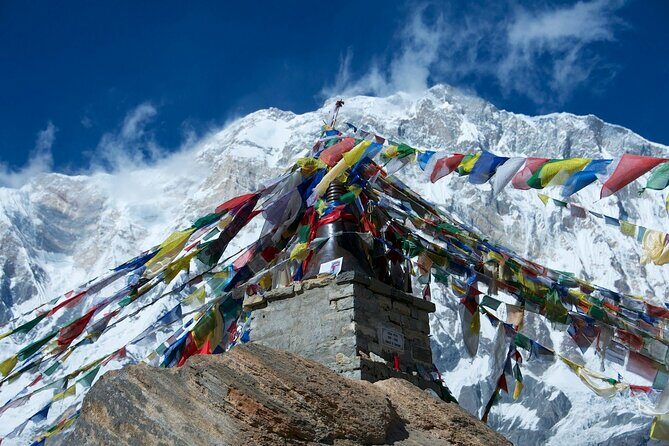
As you climb toward Deurali, the terrain becomes more alpine, with rocky paths and stunning vistas. The journey culminates at Annapurna Base Camp, a surreal scene of glaciers and snowfields surrounded by towering peaks. Here’s where the views are truly jaw-dropping, with many travelers quoting the experience as “beyond words.”
The trek route may vary depending on weather and avalanche risk, but guides will choose the safest, best-spot for your memorable sunrise at ABC.
Day 10 & 11: Descent and Return to Pokhara
After soaking in the sunrise at ABC, your descent begins—more gentle downhill terrain, with options for relaxation at Dovan or Sinuwa. The path along rivers, waterfalls, and green forests offers peaceful scenery and birdwatching opportunities. The final night is spent at a lodge near Sinuwa, with your last full day on the trail a chance for a relaxing walk or a visit to natural hot springs nearby.
Day 12: Back to Pokhara
The trek concludes with a short walk to Jhinu, famous for its natural hot springs. Here, you can unwind in the warm waters before a scenic drive back to Pokhara. Many travelers use this final day to relax lakeside or explore the town’s shops and cafes.
The Practicalities: What Does the Tour Cover?
Accommodation is provided at lodges along the route, offering basic but comfortable rooms with mountain views. Meals are included for most of the trip—breakfasts, lunches, and dinners—cooked by local staff with fresh ingredients. The price also covers all necessary permits and fees such as ACAP and local permits, a crucial part of ensuring a smooth experience.
Transportation includes airport pickups and ground transfers—important touches that eliminate travel stress. A professional guide manages the group, ensuring safety and providing insights into local culture and scenery. The tour is private, meaning your group won’t be mixed with strangers, allowing for a more personalized experience.
Cost is $799 per person, which, when you consider the inclusive nature—permits, accommodations, meals, and guides—offers good value compared to other treks in the region. Many reviews highlight the quality of service and the professionalism of guides, emphasizing that this isn’t a rushed or low-budget operation.
The Authentic Experience: Why Travelers Love This Trek
Multiple reviews praise the guides for their knowledge and friendliness, with one mentioning guide Arjun as “very experienced,” and another noting the excellent help and support from Dil, the organizer. The emphasis on safety is clear, especially at higher altitudes, which can pose risks if not managed properly.
Participants also highlight the delicious food, often local Nepali dishes, as a highlight. The camaraderie formed over shared meals and stories is an integral part of the experience.
The views are frequently described as breathtaking, with sunrise at Poon Hill being a standout moment. Many travelers appreciated the well-paced itinerary, which balances challenging sections with rest days or lighter walks, helping prevent exhaustion.
Who Is This Trek Best For?
This trek is ideal for those with a moderate fitness level who are prepared for several days of walking at altitude. It’s perfect if you value professional guidance, authentic cultural interactions, and value for money. The inclusive pricing and organized logistics make it accessible for travelers who want a hassle-free adventure, without sacrificing safety or authenticity.
It’s also suitable for those who prefer private tours for a more tailored experience, and for travelers interested in capturing iconic Himalayan sunrises and sunsets. If you’re after a scenic, culturally immersive journey that balances effort with unforgettable rewards, this trek hits the mark.
FAQs
How physically demanding is this trek?
While the trek is designed with moderate fitness in mind, expect some steep sections, high-altitude climbs, and long walking days. Proper preparation and pacing are important for a comfortable experience.
Are meals included?
Yes, most meals—breakfast, lunch, and dinner—are provided along the route, cooked by local staff with fresh ingredients. Beverages and tips are not included.
What about accommodation?
Lodges along the trail offer basic but comfortable rooms. The focus is on providing a cozy place to rest after a day’s hike.
Is the price all-inclusive?
The $799 fee covers permits, accommodations, most meals, ground transportation, and guides. It does not include drinks, personal expenses, tips, or hotel stays in Kathmandu or Pokhara.
Can I customize this trip?
Since it’s a private tour, there’s room for some customization depending on your preferences and physical condition. Discuss your needs with the operator beforehand.
What’s the best time to do this trek?
While not explicitly mentioned, the best times are usually during clear weather seasons, generally spring and autumn, when visibility and trail conditions are ideal.
Annapurna Base Camp Trek 12 Days
“We recently completed the Annapurna Base Camp trek with Adventure glacier treks and had an amazing time! Dil helped us a lot in the months and week…”
Final Thoughts
The Annapurna Base Camp Trek with Adventure Glacier Treks offers a well-rounded Himalayan adventure for those ready to explore Nepal’s stunning mountains and vibrant cultures. With experienced guides, meaningful cultural stops, and iconic mountain vistas, it’s a solid choice for travelers seeking both natural beauty and genuine connection.
The tour’s value lies in its careful organization, inclusive pricing, and emphasis on safety and authenticity. It’s best suited for those willing to take on a moderate challenge for a truly memorable experience. If you’re looking for a reliable, enriching trek with good food, friendly guides, and breathtaking scenery, this journey could very well match your mountain dreams.
Whether you’re a seasoned trekker or a first-time adventurer eager for a high-altitude experience, this trek offers a wonderful taste of the Himalayas—authentic, scenic, and thoroughly enjoyable.