Imagine strolling through vast fields of blooming nemophila (baby blue eyes) or marveling at a 150-year-old wisteria tree draping its purple cascades overhead. Now, picture doing all that comfortably on a guided day trip that takes care of transport and logistics. That’s essentially what this tour offers—a chance to see Japan’s most celebrated flower gardens without the fuss of planning your own trip.
We’ve looked into this experience from multiple angles. What we love is how it offers a peek at Japan’s natural beauty beyond Tokyo’s urban sprawl — especially if you’re pressed for time but craving authentic floral scenery. The ease of round-trip coach transport from Shinjuku makes it accessible for travelers unfamiliar with local transit, and the parks themselves promise spectacular photo opportunities.
However, a potential snag is the timing. Flower blooming is heavily dependent on weather and season, which means you might arrive when the flowers are past their prime or not blooming at all. Also, the tour doesn’t include lunch or guided explanations beyond basic commentary, so it’s more of a sightseeing experience than a cultural deep dive.
This trip suits travelers who love flowers, enjoy peaceful walks, and want a straightforward way to enjoy iconic gardens. It’s ideal if you’re new to Japan or prefer all logistics handled for you, but don’t expect a highly educational or in-depth botanical tour.
Key Points
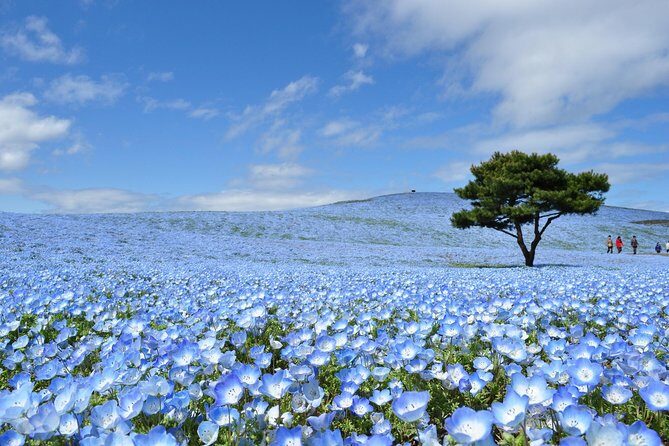
Scenic Floral Displays: Witness vast fields of nemophila and wisteria in full bloom, perfect for memorable photos.
Convenient Transport: Round-trip coach service from Shinjuku simplifies travel, especially for those unfamiliar with Japanese transit.
Limited Guided Commentary: The tour conductor uses a translation app, so expect basic info rather than detailed explanations.
No Lunch Included: Bring snacks or plan to purchase at the parks; the experience is more about sightseeing than dining.
Seasonal Timing Matters: Flower blooms depend on weather—peak seasons are mid-April to early May, but this can vary.
Average Cost, Good Value: At around $93, this tour offers a lot of visual reward for the price, considering transportation and entry fees included.

👉 Check out our guide to the 2 Best Craft Beer Tours And Tastings In Tokyo
Contents
- Key Points
- A Closer Look at the Itinerary
- Hitachi Seaside Park: The Blue Carpet of Spring
- Ashikaga Flower Park: A Purple Wonderland
- What’s Not Included
- Transportation and Timing
- Weighing the Value
- Who’s It Best For?
- FAQs
- Final Thoughts
- Our Top Picks in Tokyo
- More Tour Reviews in Tokyo
- Not for you? Here's more things to do in Tokyo we have recnetly reviewed
A Closer Look at the Itinerary
You can also read our reviews of more tours and experiences in Tokyo.


Hitachi Seaside Park: The Blue Carpet of Spring
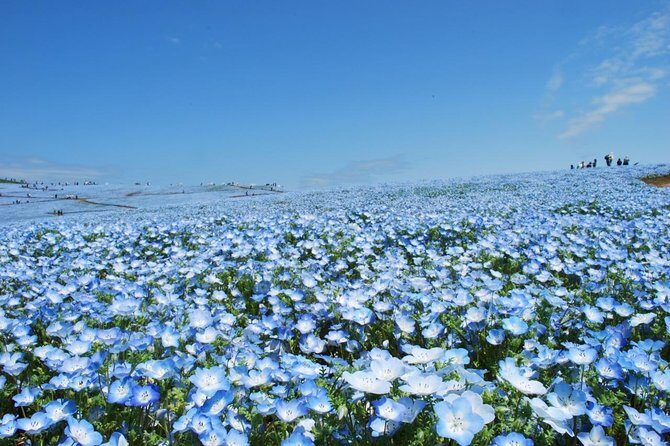
Our first stop is Hitachi Seaside Park in Ibaraki Prefecture, renowned for its sweeping Nemophila Hill. Picture millions of tiny blue flowers stretching out like a sea of sky under the sun. It’s a sight that has been celebrated in photos, and for good reason. Visiting in early spring, you might find yourself walking through what’s sometimes called Japan’s “Blue Carpet,” a truly mesmerizing experience.
What makes this park special isn’t just the scope of the blooms but the atmosphere. The park is huge, and you’ll want to budget around 1 hour and 40 minutes to enjoy the views. From the parking lot, it takes about 5-10 minutes to reach the entrance, then another 10-15 minutes to reach the top of Miharashi no Oka Hill—where the view of the blue flowers against the sky is breathtaking.
A note from reviews: Some visitors expressed disappointment because during their visit, wisteria wasn’t in bloom. Remember, this tour runs in mid-April to early May, so if you visit too early or late, you might miss the peak. Also, the famous kochias—bright red bushes—are seasonal, typically autumn visitors’ highlight, so don’t expect them during spring.
Ashikaga Flower Park: A Purple Wonderland
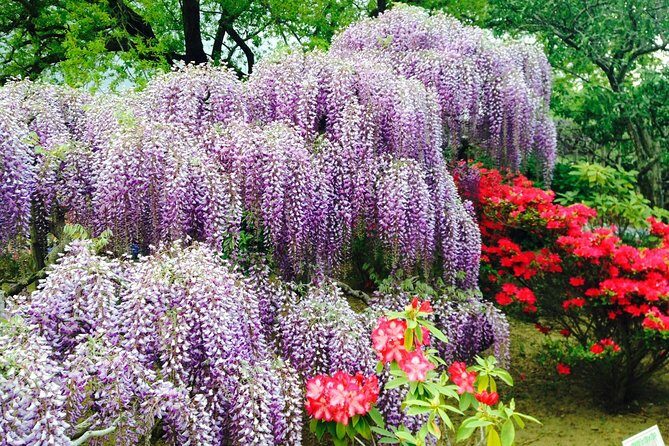
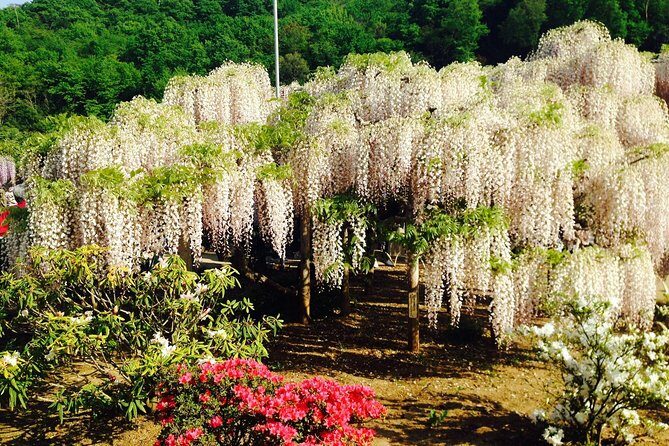
Next, your coach will whisk you to Ashikaga Flower Park in Tochigi Prefecture, a garden that’s famous worldwide for its wisteria displays. The park’s 150-year-old Great Wisteria Tree creates a canopy of deep purple blossoms, an iconic sight that seems straight out of fairy tale illustrations.
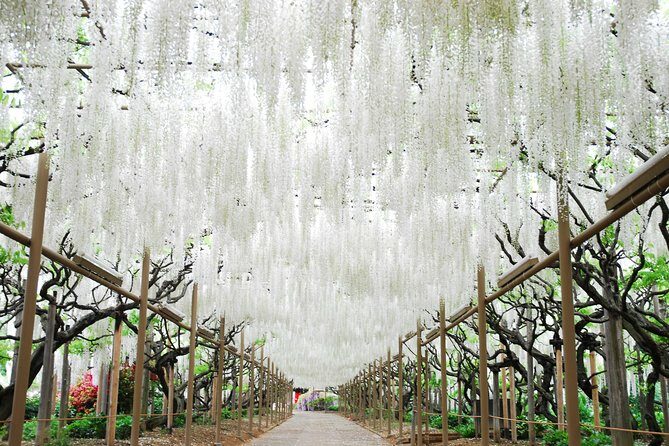
You’ll also see the Shirofuji (White Wisteria) tunnel, an 80-meter stretch of cascading white flowers, and the Kibana Fuji (Yellow Wisteria) tunnel, all blooming in mid-April to early May. The park’s lush, tranquil setting invites leisurely strolling and photography, and you should plan on spending about 1 hour and 20 minutes here.
From reviews, visitors have praised the stunning views, with one calling it a “glorious spectacle of colors.” Some, however, noted that if the timing is off, the big wisteria tree might not be in full bloom, which can be a letdown for those expecting the iconic display.
What’s Not Included
This tour is quite straightforward. No lunch is provided, so bring a snack or plan to buy refreshments at the parks. Also, the guide uses a translation app rather than a licensed guide, meaning explanations are basic. If you’re looking for deep botanical insights, you might find this a bit limited.
Transportation and Timing
Travel is by comfortable coach, with all taxes and fees included. The entire day lasts roughly 10 hours, making it a long but manageable outing. The group size is capped at 42, which helps keep things intimate enough for easy movement and quick questions.
It’s worth noting that the tour departs from a single meeting point in Shinjuku, so be sure to confirm your location. The buses run on a strict schedule, and delays due to traffic or weather aren’t unusual, so punctuality is essential.



Weighing the Value
At around $93 per person, this experience provides access to two of Japan’s most famous floral parks with transportation and entry fees included. Considering you’d spend similar amounts on separate train tickets and entry fees, this offers good value for those wanting an effortless way to enjoy these gardens.
However, some reviews highlight the importance of timing. If flowers are past their peak, the visual payoff diminishes. But for travelers who enjoy the serenity of gardens and don’t mind a busy day with a few limitations, the experience is still worthwhile.
Who’s It Best For?
This tour is ideal for flower lovers eager to see the iconic blue and purple blooms, especially in spring. It suits those who prefer convenience over in-depth guided commentary, given the language barrier with the tour conductor. The long travel time might not appeal to very young children or those with mobility issues, but for most adults, it’s doable.
If you’re someone who values stunning scenery and easy logistics, and you’re happy to skip on local dining or detailed botanical explanations, this trip offers a visually rewarding day out.
FAQs
Is this tour suitable for non-Japanese speakers?
Yes, the tour is led by a Japanese-speaking conductor who uses a translation app to communicate basic information. It’s not a guided tour in the traditional sense, so don’t expect detailed commentary.
Are the flowers blooming during the tour?
The tour is scheduled for mid-April to early May, which is typically peak for nemophila and wisteria. However, blooming depends on the weather, so there’s a chance flowers may not be fully in bloom if conditions are atypical.
Can I bring my own food?
Yes, the tour does not include lunch, so bringing snacks or a packed meal is recommended. You can also purchase light refreshments at the parks.
How long is the coach ride?
The entire day lasts about 10 hours, with the bus ride to and from Tokyo taking a significant portion of that time. The first stop is roughly 1 hour and 40 minutes from Shinjuku, and the second about 1 hour 20 minutes.
What should I wear?
Comfortable clothing and walking shoes are advised because both parks involve some walking and uneven ground. Weather can vary, so check the forecast and dress appropriately.
Are there any hidden costs?
All taxes, fees, and handling charges are included. You’ll need to budget for personal expenses like souvenirs or additional snacks.
Is this a good value for the price?
Considering transportation, entry fees, and the convenience factor, many find it offers good value. However, the experience hinges on the flowers blooming at their peak.
Hitachi Seaside Park & Ashikaga Flower Park from Tokyo
“this tour was a waste of time and money. There were no Wisteria blooming. The bus ride was long and we passed many things that I wish the agent sp…”
Final Thoughts
This guided day trip to Hitachi Seaside Park and Ashikaga Flower Park offers a straightforward way to enjoy Japan’s spring floral displays without the hassle of planning transportation or admissions. It’s a scenic, visually impressive outing that truly shines when the flowers are at their best. For those who love gardens, want ease of access, and are okay with a busy schedule, this experience delivers beautiful sights and memorable moments.
However, it’s worth remembering that blooms are seasonal and weather-dependent. If you’re after a more in-depth botanical or cultural experience, or if flowers are past their prime, you might want to consider other options. But for an accessible, photo-friendly, and relaxing day among Japan’s most famous gardens, this tour does a solid job.
In essence, if you’re a flower enthusiast, enjoy a good group trip, and want to see Japan’s springtime floral magic with minimal fuss, this tour will satisfy your wish for scenic beauty—and perhaps inspire future visits to explore these gardens on your own.