If you’re seeking an authentic taste of Japan beyond the tourist-packed temples and skyscrapers, a matcha-making experience in Shinjuku offers a wonderful glimpse into one of Japan’s most revered traditions. This hands-on session promises not only to teach you how to prepare matcha tea with the proper tools, but also to introduce you to its fascinating background and ceremonial rituals. With the chance to sip your own freshly whisked tea, it’s a memorable way to connect with Japanese culture—at a reasonable price and in a friendly, small-group setting.
What we love most about this experience is the opportunity to learn a new skill while enjoying a genuine cultural activity. The inclusion of delicious sweets to accompany your tea is a delightful bonus, and the commentary on matcha’s history makes the process much more meaningful. A potential drawback? The session lasts about an hour, so if you’re short on time or prefer longer in-depth classes, this might feel a bit brisk. Still, it’s perfect for travelers looking for a practical, fun, and authentic activity that enriches their stay in Tokyo—especially if you’re curious about Japan’s tea rituals or want a hands-on souvenir.
Who should consider this experience?
If you’re a tea lover, a culture enthusiast, or simply someone wanting a memorable, local activity, this tour is a winner. It’s also ideal for travelers who appreciate small, intimate group settings with knowledgeable guides, and those looking for a short, engaging cultural activity that offers both learning and tasting.

👉 Check out our guide to the 2 Best Craft Beer Tours And Tastings In Tokyo
Contents
Key Points
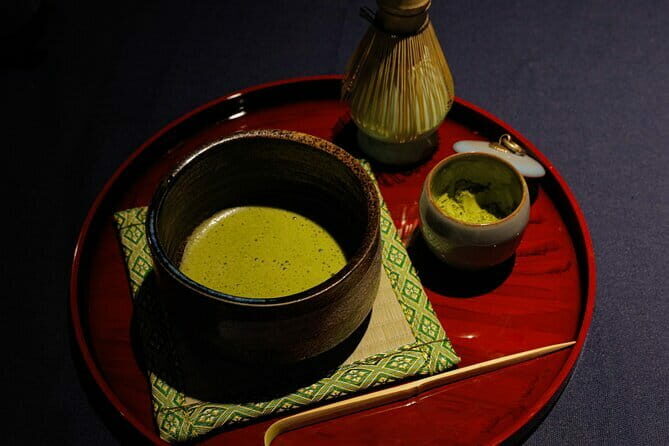
- Authentic skill-building: You’ll learn how to prepare matcha with traditional tools, including a bamboo whisk.
- All-included: Equipment and ingredients are provided, no need to bring anything except curiosity.
- Cultural insight: The guide offers fascinating stories about the history and rituals of matcha.
- Tasting experience: Savor your freshly made matcha alongside traditional sweets.
- Affordable: At just over $30 per person, it offers good value for a cultural workshop in Tokyo.
- Small group: With a maximum of 20 travelers, expect a personalized and relaxed atmosphere.
You can also read our reviews of more tours and experiences in Tokyo.


What the Experience Entails
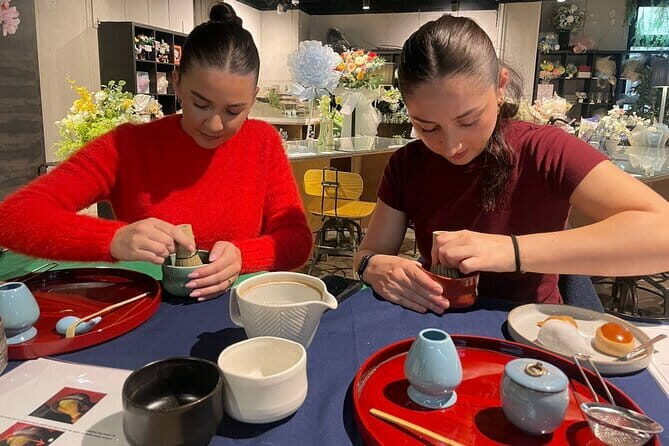
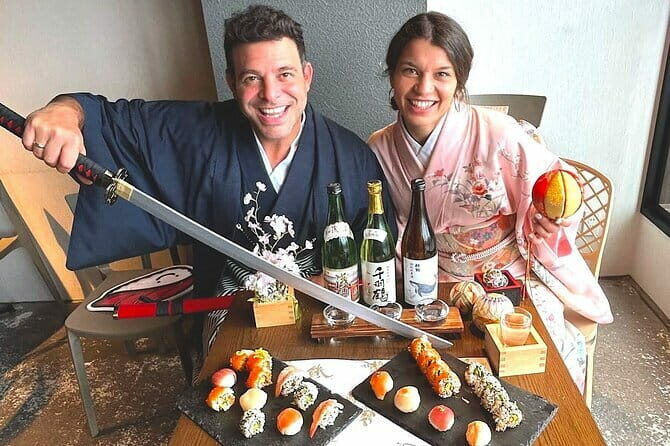
This one-hour session in Shinjuku is designed to give you more than just a quick demo—it’s a hands-on lesson that demystifies the traditional process of preparing matcha, the finely powdered green tea central to Japanese tea ceremonies. You’ll meet your guide at a cozy, flower-decorated venue, a setting that feels inviting and authentic, right in the heart of bustling Shinjuku.
The session begins with a brief introduction to matcha’s origins—how it evolved from simple powdered green tea to a ritual that’s deeply embedded in Japanese culture. Expect to hear stories about its significance in tea ceremonies and how it symbolizes harmony, respect, purity, and tranquility. This background enriches the activity beyond just whisking tea, giving you a sense of its cultural gravity.
Next, you’ll learn how to use traditional tools such as the bamboo chasen (whisk), tea scoop, and tea bowl. The instructor, dressed in a kimono in many cases, guides you step-by-step through the process. You’ll scoop the vibrant green powder, add hot water, and then whisk it in a rhythmic motion to create a frothy, inviting cup of matcha. This process, while seemingly simple, involves a few techniques that make all the difference in taste and presentation. The instructor’s commentary is fascinating, adding depth and context to each step.
Enjoying Your Creation
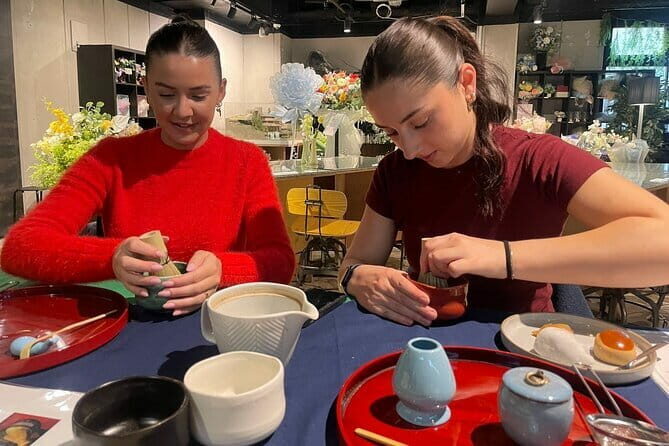
Once your matcha is ready, you’ll get to enjoy it immediately. The warm, slightly bitter, yet umami-rich flavor of freshly prepared matcha is best appreciated without haste. Paired with some traditional sweets—usually small, beautifully crafted confections—you’ll experience a taste sensation that’s both calming and invigorating.
Participants often comment on the quality of the sweets, which complement the tea perfectly. One reviewer, Jane, described the experience as “great fun” and appreciated the authenticity, especially since the instructor dressed in a kimono. She emphasized how much she enjoyed both learning the process and the personal touch that made the session special.
Practical Details and Group Dynamics
The tour is designed for small groups—up to 20 participants—ensuring plenty of interaction and attention from the guide. The overall duration is about an hour, making it a compact but meaningful addition to your day in Tokyo. The tour is booked an average of 7 days in advance, which is a good sign of its popularity. The meeting point is conveniently located near public transportation, easing logistics after a busy day sightseeing.
The price of $32.66 per person might seem modest, but it covers everything—including all equipment and ingredients—making it quite a good deal for a cultural workshop that also provides a tangible souvenir: your own cup of matcha.
Matcha Making Experience in Shinjuku
“Great fun, learned a lot and enjoyed the class immensely. It was interesting to learn the Matcha tea process and the tradition/ techniques behind i…”




Analyzing the Value
Considering the price, the intimate setting, and the quality of the experience, this matcha-making class provides excellent value. It’s not just about tasting tea; it’s about understanding a key aspect of Japanese culture in a relaxed environment. For those wanting a practical skill they can take home—learning how to prepare matcha—the class is particularly rewarding. Plus, the included sweets enhance the overall experience and give you a real taste of Japanese confectionery.
This experience is ideal for culture seekers, foodies, or anyone curious about traditional Japanese rituals. It’s particularly suitable for travelers who prefer shorter, participatory activities that leave them with a skill and a story to tell. If you’re traveling with friends or family, it’s an engaging, shared activity that often garners compliments for its authenticity and fun factor.
Those with an interest in Japanese history or tea will find the guide’s commentary particularly enriching. It’s also great for people who enjoy interactive experiences rather than passive sightseeing.
Absolutely. For just over thirty dollars, this matcha-making experience in Shinjuku offers not only a chance to learn about Japan’s cultural heritage but also to enjoy a genuine, delicious cup of tea prepared with your own hands. The inclusion of sweets and the intimate group setting make it a charming, memorable activity that complements any itinerary focused on cultural discovery.
While it’s a short experience, that’s part of its charm: it’s quick enough to fit into a busy day but rich enough to leave a lasting impression. Whether you’re a tea enthusiast or just interested in Japanese traditions, this class is a delightful way to add a meaningful, flavorful chapter to your Japan story.
How long does the matcha making experience last?
The total duration is approximately one hour, making it a perfect quick but engaging activity during your day in Tokyo.
Is anything required to bring to the class?
No, all equipment and ingredients are provided, so you only need to bring your curiosity.
What is included in the price?
The fee covers all necessary utensils, ingredients, and a tasting of your freshly prepared matcha along with traditional sweets.
Can I cancel if my plans change?
Yes, you can cancel free of charge up to 24 hours before the experience, with a full refund.
Is this experience suitable for children or beginners?
Yes, the class is accessible to all, regardless of prior experience, and is suitable for small groups, including families.
What should I expect at the meeting point?
The meeting point is a cozy venue near public transportation, decorated with flowers, creating a welcoming environment.
Are there any dress code or attire recommendations?
There are no specific dress code, but participating guides often wear traditional kimono, which adds to the authenticity.
Will I learn about the history of matcha?
Yes, the guide provides fascinating commentary on the origins and cultural significance of matcha during the session.