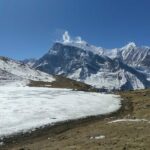
The Annapurna Circuit Trek is a renowned trekking route in Nepal that captivates adventurers with its breathtaking vistas and immersive cultural experiences. Spanning 14 days, this high-altitude journey takes trekkers through lush valleys, traditional villages, and the iconic Thorung La Pass, offering a diverse array of natural wonders and opportunities for culture. While the trek caters to moderately fit individuals, it promises an unforgettable adventure that will leave you eager to uncover the treasures that lie ahead.
Key Points
-
The Annapurna Circuit Trek is a popular 14-day trekking route in Nepal known for its diverse landscapes, including lush valleys and high-altitude passes like the iconic Thorung La Pass.
-
Highlights of the trek include unparalleled views of the Annapurna massif, exploration of the Manang Valley, and insight into the Tibetan Buddhist heritage of the Mustang region.
-
Accommodation during the trek is in traditional tea houses and lodges, with communal-style meals featuring fresh, local ingredients and Nepali cuisine.
-
The trek requires a moderate level of physical fitness due to the high-altitude terrain, and proper acclimatization and hydration are crucial for safety.
-
The trek price includes necessary permits, such as the Annapurna Conservation Area Permit (ACAP) and Trekkers’ Information Management System (TIMS) card, as well as organized transportation and transfers.
👉 Check out our guide to the 2 Best Guided Tours In Jagat
Contents
- Key Points
- Trek Overview
- Highlights of the Trek
- Accommodation and Meals
- Transportation and Transfers
- Trekking Permits and Fees
- Trek Equipment and Supplies
- Health and Fitness Requirements
- Cancellation and Refund Policy
- Frequently Asked Questions
- What Is the Best Time of Year to Do the Annapurna Circuit Trek?
- Can I Book This Trek as a Solo Traveler?
- What Is the Weather Like During the Trek?
- How Difficult Is the Thorung La Pass Crossing?
- Are There Any Cultural Events or Festivals Along the Trek Route?
- Recap
- Our Top Picks in Kathmandu
- More Hiking & Trekking Tours in Kathmandu
- More Tour Reviews in Kathmandu
- Not for you? Here's more things to do in Kathmandu we have recnetly reviewed
Trek Overview
The Annapurna Circuit Trek is one of Nepal’s most popular and well-known trekking routes, offering a comprehensive exploration of the Annapurna mountain range and its surrounding regions.
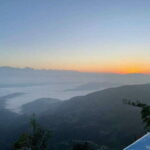
This 14-day trek takes adventurers through diverse landscapes, from lush green valleys to high-altitude passes, with breathtaking views of the world’s tallest mountains.
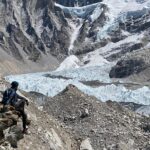
Trekkers will cross the iconic Thorung La Pass, at an elevation of over 5,400 meters, and enjoy the rich Tibetan-influenced culture of the Mustang region.
The trek is suitable for moderately fit individuals and can be customized to meet individual needs.
With a range of inclusions from professional guides to full-board meals, the Annapurna Circuit Trek offers an unforgettable and well-rounded trekking experience in the heart of the Himalayas.
Ready to hit more trails? More hiking adventures we feature in Kathmandu
Highlights of the Trek
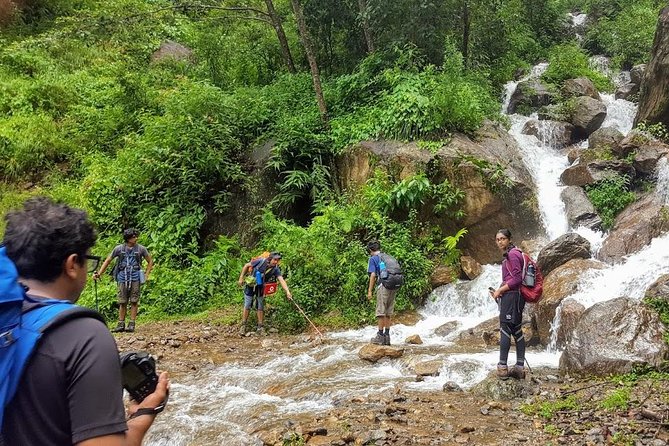
Trekkers exploring the Annapurna Circuit can expect to encounter a diverse range of natural wonders and cultural experiences that make this trek truly remarkable.
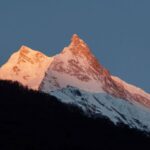
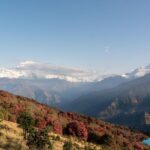
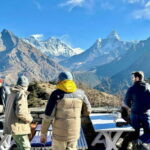
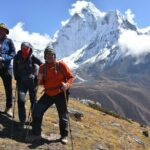
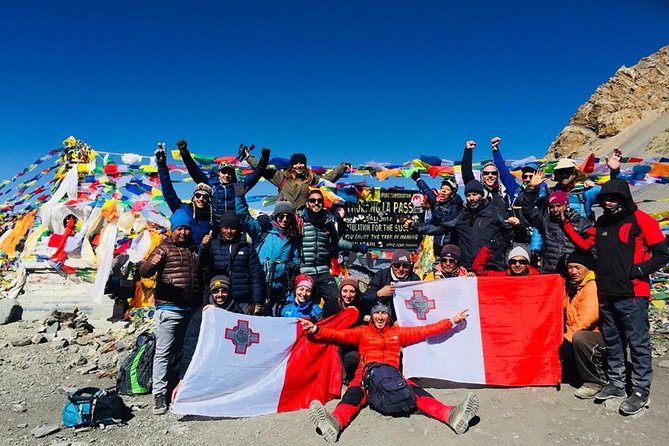
Crossing the formidable Thorung La Pass, at an elevation of over 5,400 meters, provides unparalleled views of the Annapurna massif and surrounding peaks, including the famous Dhaulagiri and Manaslu.
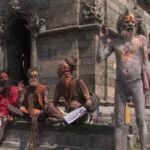
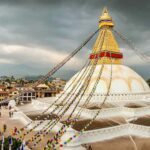
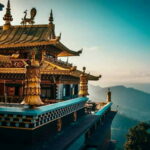
Plus, the trek showcases the rich Tibetan-influenced culture of the Mustang region, allowing visitors to enjoy the unique traditions and way of life of the local people.
The highlights of the Annapurna Circuit trek include:
-
Traversing high-altitude passes with breathtaking vistas
-
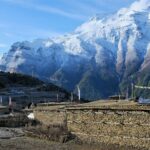
Exploring the picturesque Manang Valley and its traditional villages
-
Encountering diverse flora and fauna in the Annapurna Conservation Area
-
Gaining insight into the Tibetan Buddhist heritage of the Mustang region
Accommodation and Meals
Throughout the Annapurna Circuit trek, accommodations are primarily in the form of traditional tea houses and lodges, providing trekkers with a comfortable and authentic experience.
These simple yet cozy lodgings offer twin-sharing rooms, and meals are served communal-style, featuring a variety of Nepali and Tibetan-influenced cuisine.
Breakfast, lunch, and dinner are all included during the trek, ensuring trekkers are well-fueled for the day’s activities.
The meals are fresh, hearty, and prepared using local ingredients, offering a taste of the region’s culinary delights.
With a mix of home-cooked dishes and Nepali staples, the food on the Annapurna Circuit trek is a highlight for many travelers.
Transportation and Transfers
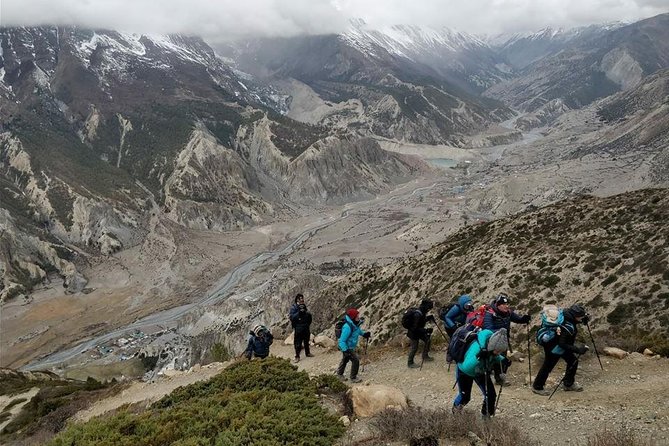
Transportation to the starting point and from the end of the trek is well-organized, with a mix of private and public options. Travelers arrive at Tribhuvan Airport in Kathmandu, where they’re greeted by a private transfer to their hotel.
For the trek itself, they take a tourist bus from Kathmandu to Besishar, the trailhead. Upon completing the circuit, a local bus or jeep transports them from Muktinath to Pokhara, followed by a private transfer back to Kathmandu.
The transportation on the Annapurna Circuit Trek includes:
-
Private transfers to and from the airports
-
Tourist bus from Kathmandu to Besishar
-
Local bus or jeep from Muktinath to Pokhara
-
Private transfer from Pokhara to Kathmandu
Trekking Permits and Fees
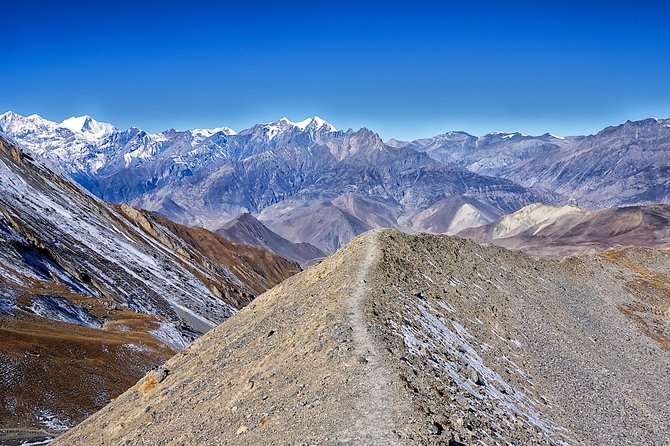
The trekking permits and area entrance fees are included in the price of the Annapurna Circuit Trek. Trekkers need to obtain the necessary permits, such as the Annapurna Conservation Area Permit (ACAP) and Trekkers’ Information Management System (TIMS) card, which the tour operator handles on their behalf. This ensures a seamless trekking experience, as the guides and support staff are responsible for acquiring the required documentation.
| Permit | Purpose |
|---|---|
| ACAP | Allows access to the Annapurna Conservation Area |
| TIMS | Provides trekking information and emergency support |
| Conservation Fee | Contributes to the maintenance and preservation of the region |
These permits and fees are essential for trekkers to comply with local regulations and support the sustainable development of the Annapurna region.

Trek Equipment and Supplies
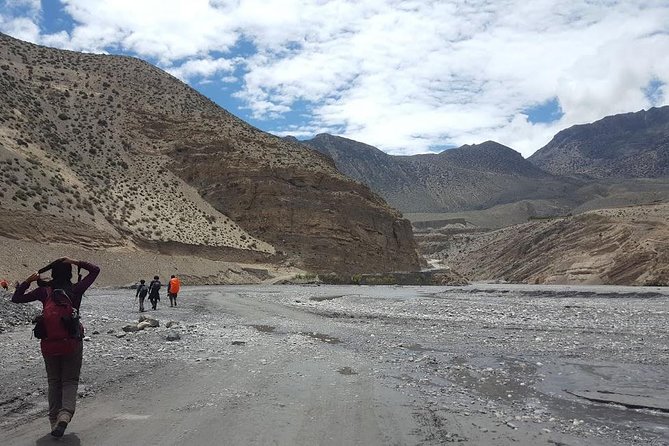
Proper trekking equipment and supplies are essential for a safe and enjoyable Annapurna Circuit experience. Participants must bring a well-curated set of gear, including sturdy hiking boots, warm layers, and necessary personal items, to withstand the varied terrain and climate conditions along the route.
Key gear to bring includes:
-
High-quality waterproof jacket and pants
-
Thermal base layers and insulating mid-layers
-
Trekking socks, hats, and gloves
-
Sunscreen, lip balm, and sunglasses
Plus, a daypack for carrying essentials, a headlamp, and water bottles or a hydration system are musts.
Renting or purchasing gear locally can be convenient, but packing the right equipment from home ensures reliability and comfort throughout the challenging trek.
Health and Fitness Requirements
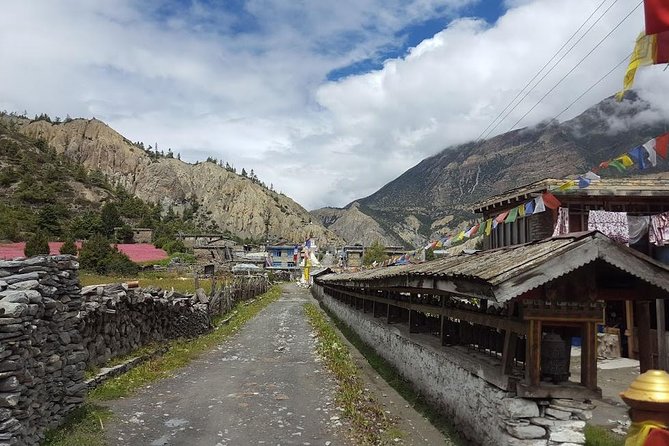
Participants must have a moderate level of physical fitness to successfully complete the Annapurna Circuit Trek. The high-altitude terrain and strenuous nature of the trek require trekkers to be able to hike for extended periods, often at a steady pace, while carrying a daypack.
Individuals with pre-existing medical conditions, such as heart or respiratory problems, should consult with a healthcare professional before embarking on this challenging adventure.
Proper acclimatization, adequate hydration, and a willingness to listen to your body’s signals are crucial. Altitude sickness can be a serious concern, so trekkers must be prepared to adjust their pace or seek medical assistance if necessary.
Cancellation and Refund Policy
Free cancellation is available up to 24 hours before the experience starts. Travelers can receive a full refund if they cancel within this time frame.
However, any cancellations made less than 24 hours prior to the trek’s commencement won’t be eligible for a refund. This policy allows for flexibility while also ensuring the tour operator can appropriately plan and prepare for the trek.
The cancellation and refund policy includes:
-
Refunds processed within 2-3 business days of cancellation
-
No refunds for no-shows or early departures
-
Refunds subject to a 5% service fee
-
Trip insurance strongly recommended to cover unforeseen circumstances
Frequently Asked Questions
What Is the Best Time of Year to Do the Annapurna Circuit Trek?
The best time to do the Annapurna Circuit Trek is typically between October and November or March and May. These months offer clear skies, moderate temperatures, and fewer crowds, making for an optimal trekking experience.
Can I Book This Trek as a Solo Traveler?
Yes, solo travelers can book this trek. The tour operator offers private tours, allowing solo travelers to join a group or arrange a private trek to suit their individual needs and schedule. Solo trekking is possible with proper planning and safety precautions.
What Is the Weather Like During the Trek?
The weather during the trek can vary significantly. Typically, it’s cool and dry in the mornings and evenings, with occasional rain or snow showers at higher elevations. Hikers should prepare for a range of temperatures and weather conditions throughout the trek.
How Difficult Is the Thorung La Pass Crossing?
The Thorung La Pass crossing is challenging due to the high elevation of over 17,000 feet. Trekkers must be prepared for steep ascents, potentially adverse weather conditions, and the risk of altitude sickness. Proper acclimatization and pacing are crucial for a safe crossing.
Are There Any Cultural Events or Festivals Along the Trek Route?
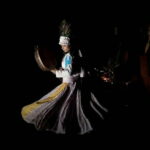
Along the trek route, visitors can experience various cultural events and festivals that showcase the Tibetan-influenced culture of the Mustang region. These events often feature traditional music, dance, and cuisine, providing a unique culture.
Annapurna Circuit Trek
Recap
The Annapurna Circuit Trek is an unparalleled adventure that showcases Nepal’s stunning natural beauty and rich cultural heritage.
Trekkers will be rewarded with breathtaking mountain vistas, cozy accommodations, and immersive cultural experiences.
With proper preparation and a moderate level of fitness, adventurers can embark on this transformative journey, creating memories that will last a lifetime.