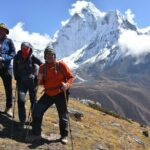
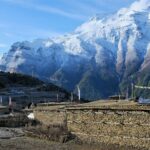
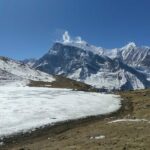
Trekking to Everest Base Camp is a bucket-list experience for many adventurous travelers. This challenging journey through Nepal’s Khumbu region rewards participants with unparalleled views of the world’s highest mountain and its surrounding peaks. Led by experienced Sherpa guides, the trek immerses trekkers in rich local culture while navigating lush forests, Sherpa villages, and high-altitude glaciers. Though physically demanding, the sense of accomplishment and the breathtaking vistas make it an unforgettable experience. Those seeking an extraordinary adventure amidst the majesty of the Himalayas won’t want to miss the opportunity to explore Everest Base Camp.
Key Points
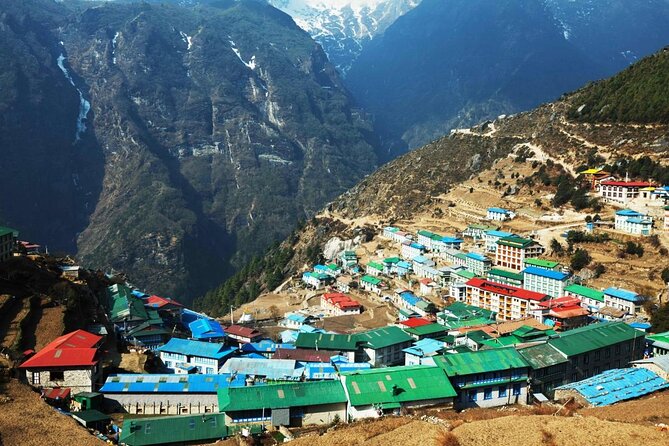
- The Everest Base Camp Trek is a renowned trekking route in the Khumbu region of Nepal, offering breathtaking landscapes and rich Sherpa culture.
- The trek includes accommodations in basic lodges or tea houses, round-trip airfare between Kathmandu and Lukla, and a licensed, English-speaking Sherpa guide and porter service.
- Meals provided during the trek include 11 lunches, 11 breakfasts, and 12 dinners, with options to accommodate dietary restrictions.
- The trek is considered a challenging endeavor, requiring thorough physical preparation and familiarity with altitude sickness management techniques.
- The trek encourages eco-friendly travel practices, proper waste disposal, mindful water usage, and support for the local Sherpa community.
👉 Check out our guide to the 2 Best Guided Tours In Jagat
Contents
- Key Points
- Trek Overview and Location
- Included Services and Accommodations
- Meals Provided
- Exclusions and Additional Costs
- Booking and Participation Information
- Trekking Highlights
- Difficulty Level and Preparation
- Responsible Travel Practices
- Frequently Asked Questions
- What Is the Weather Like During the Trek?
- Can I Charge My Electronic Devices on the Trek?
- What Is the Best Time of Year to Do the Trek?
- Are There Any Age Restrictions for the Trek?
- Can I Hire a Personal Porter for the Trek?
- Recap
- Our Top Picks in Kathmandu
- More Hiking & Trekking Tours in Kathmandu
- More Tour Reviews in Kathmandu
- Not for you? Here's more things to do in Kathmandu we have recnetly reviewed
Trek Overview and Location

The Everest Base Camp Trek is a renowned trekking route located in the Khumbu region of Nepal, allowing adventurers to enjoy the breathtaking landscapes and rich Sherpa culture at the base of the world’s highest mountain, Mount Everest.
This challenging yet rewarding trek takes trekkers through lush forests, across high-altitude glaciers, and past awe-inspiring Himalayan peaks.
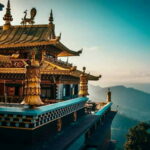
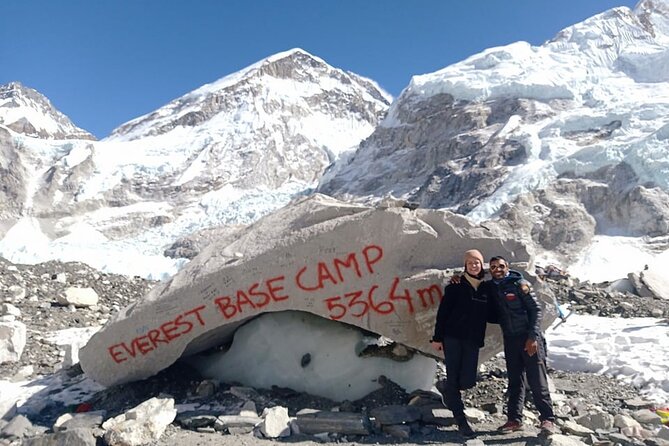
Along the way, they’ll have the opportunity to visit historic monasteries, interact with the friendly Sherpa people, and ultimately reach the iconic Everest Base Camp at an elevation of 5,364 meters (17,598 feet).
With 13 reviews, this trek is a popular choice for those seeking to experience the majesty of the Himalayas firsthand.
Ready to hit more trails? More hiking adventures we feature in Kathmandu
Included Services and Accommodations
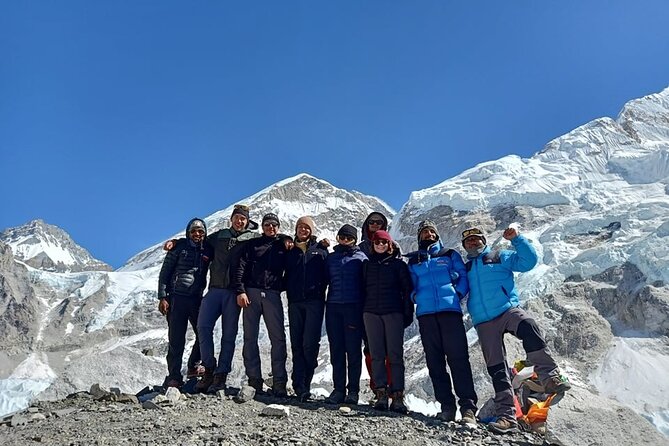
To ensure a seamless trekking experience, the Everest Base Camp Trek package includes a range of accommodations and services.
Travelers can expect basic lodge or tea house accommodation, with twin-sharing rooms throughout the trek. Plus, the package provides two nights of accommodation in Kathmandu, with breakfast included.
The trek also includes round-trip airfare between Kathmandu and Lukla, as well as all necessary permits and security cards.
Travelers will be accompanied by a fully-licensed, English-speaking local Sherpa guide, and porter service is provided (1 porter per 2 trekkers).
The package covers the salaries and expenses of the guide and porter, and also includes airport transfers, a Kathmandu sightseeing tour, and a trip completion certificate.
Meals Provided
Meals throughout the trek are carefully catered, providing trekkers with 11 lunches, 11 breakfasts, and 12 dinners.
Breakfast typically includes a variety of options like eggs, porridge, toast, and tea or coffee.
Lunch features local and international dishes, ensuring a balanced and nourishing midday meal.
Dinners are more substantial, with a selection of Nepali and Western-style entrees, accompanied by soup, side dishes, and dessert.
The meals are designed to fuel trekkers’ bodies and keep them energized for the challenging hikes.
Dietary restrictions and preferences can be accommodated with advance notice.
Exclusions and Additional Costs
Aside from the included services, travelers will need to account for several additional costs and exclusions when booking the Everest Base Camp Trek.
International flights to Nepal and the Nepal entry visa aren’t covered. Travel insurance is also the responsibility of the trekker.
Personal expenses like showers, hot water, battery recharging, and laundry are additional costs. Tips for the trekking staff are also not included.
Travelers should be aware of any unforeseen costs that may arise, such as flight cancellations or weather conditions. Plus, Wi-Fi isn’t provided during the trek.
While these exclusions may add to the overall cost, the Everest Base Camp Trek remains an unmatched experience for adventurous travelers.
Booking and Participation Information
Confirmation is received at booking for the Everest Base Camp Trek, which isn’t wheelchair accessible but does allow service animals.
The tour is considered a private activity, with only the traveler’s group participating. Public transportation is available nearby, though the trek isn’t recommended for pregnant individuals or those with serious medical conditions. Most travelers, however, can readily participate in this experience.
The booking for this trek offers:
-
A Lowest Price Guarantee.
-
Free cancellation up to 24 hours before the experience starts.
-
Operating hours spanning from 12:15 AM to 11:45 PM across various days of the week.
-
An overall rating of 5.0 out of 13 reviews.

Trekking Highlights
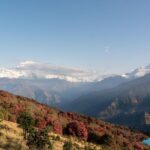
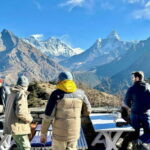
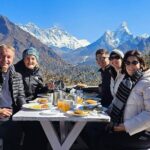
Embarking on the Everest Base Camp Trek, trekkers can expect to be rewarded with captivating views of the world’s highest mountain, alongside the serene landscapes of the Khumbu region.
The path winds through picturesque villages, lush forests, and dramatic glacial moraines, offering a glimpse into the rich Sherpa culture.
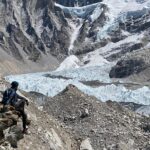
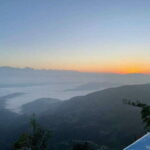
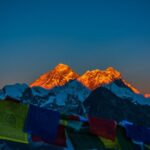
Highlights include the iconic Tengboche Monastery, the stunning Khumbu Icefall, and the chance to witness the breathtaking sunrise over Everest from Kala Patthar.
Though the trek is challenging, the sense of accomplishment and the unforgettable memories make it a truly unforgettable experience.
With the guidance of experienced local Sherpa guides, trekkers can fully enjoy the wonders of this magnificent region.
Difficulty Level and Preparation
Despite the stunning scenery and culture, the Everest Base Camp trek is considered a challenging endeavor requiring thorough preparation. While most travelers can participate, certain physical fitness and acclimatization measures are crucial to safely navigating the high-altitude terrain.
To ensure a successful and safe trek, the following are recommended:
-
Engage in regular cardiovascular exercises like hiking, jogging, or cycling for several months prior to the trek.
-
Gradually increase the duration and intensity of your training to build endurance.
-
Familiarize yourself with techniques for managing altitude sickness, such as hydration and slow ascent.
-
Consult a physician to evaluate your fitness and obtain any necessary vaccinations or medications.
Responsible Travel Practices
When embarking on the Everest Base Camp trek, travelers are encouraged to adopt responsible travel practices that minimize their environmental impact and support the local community. This includes using eco-friendly accommodations, properly disposing of waste, and respecting local customs and traditions.
Trekkers should also be mindful of their water usage and opt for biodegradable toiletries. Plus, hiring local guides and porters helps to empower the Sherpa community and preserve their cultural heritage.
Frequently Asked Questions
What Is the Weather Like During the Trek?
The weather during the trek can vary significantly. It’s typically colder at higher elevations, with temperatures dropping below freezing. Precipitation, including snow, is common, and hikers should be prepared for changing conditions throughout the journey.
Can I Charge My Electronic Devices on the Trek?
Trekkers can charge their electronic devices at the lodges and tea houses along the trek. However, electricity may be limited, and charging may incur an additional cost. It’s recommended to bring portable chargers and minimize device usage to conserve battery life.
What Is the Best Time of Year to Do the Trek?
The best time of year to do the trek is typically during the spring (March to May) and fall (September to November) seasons when weather conditions are mild, with clear skies and moderate temperatures, making it an ideal time for trekking.
Are There Any Age Restrictions for the Trek?
There are generally no age restrictions for trekking, though the trek may not be suitable for very young children or older adults with mobility issues. Participants should be in good physical condition to handle the demands of the trek.
Can I Hire a Personal Porter for the Trek?
Yes, you can hire a personal porter for the trek. The package includes 1 porter for every 2 trekkers, but you can request a personal porter at an additional cost to carry your personal belongings.
Everest Base Camp Trek
Recap
The Everest Base Camp Trek offers an unparalleled opportunity to explore the majestic Himalayan landscape, take in Sherpa culture, and challenge one’s physical and mental limits.
With knowledgeable guides, comfortable accommodations, and well-planned logistics, this trek caters to adventurous travelers seeking a truly unforgettable experience amidst the grandeur of the world’s highest mountain.
The trek’s moderate difficulty level and responsible practices ensure a safe and sustainable journey, making it a must-do for any avid trekker.