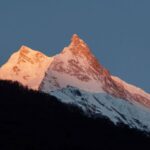
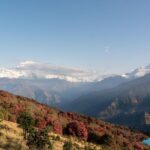
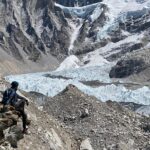
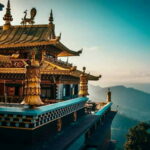
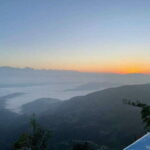
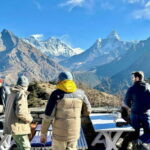
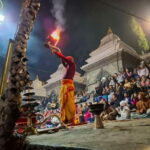
The Annapurna Base Camp Trek is a renowned trekking route in Nepal that takes adventurers deep into the heart of the Annapurna Himal. Along the way, trekkers are treated to awe-inspiring views of some of the world’s highest peaks, including the iconic Annapurna South and Machhapuchhare. As they traverse through the stunning Annapurna Sanctuary, they’ll have the opportunity to enjoy the vibrant culture of the Gurung people and witness the breathtaking beauty of the Modi Khola river. Whether you’re an experienced hiker or a newcomer to trekking, this journey promises to leave a lasting impression.
Good To Know
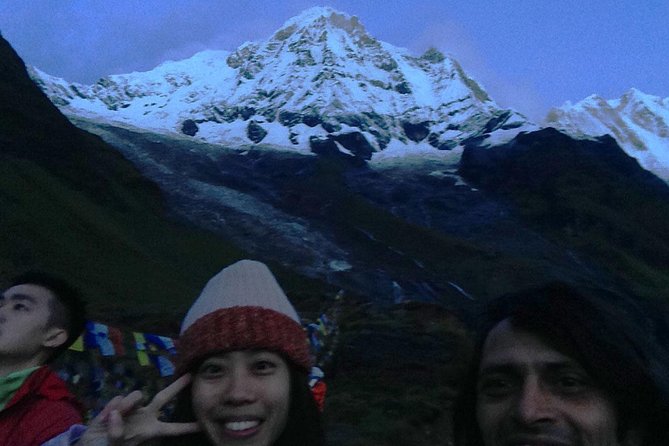
- The Annapurna Base Camp Trek traverses the Annapurna Himal, showcasing stunning panoramic views of principal peaks like Annapurna, Machhapuchhare, and others.
- The trek includes the Annapurna Sanctuary, a glacier basin surrounded by peaks, and offers scenic walking along the Modi Khola river.
- Trekkers require two main permits: Annapurna Conservation Area Permit (ACAP) and Trekkers’ Information Management System (TIMS) card, which can be obtained in Kathmandu or at checkpoints.
- Accommodation options range from basic teahouses to lodges, providing a comfortable Himalayan trekking experience with locally-sourced, hearty meals.
- The trek is best undertaken during the popular seasons of spring (March-May) and autumn (September-November), with appropriate preparation and gear for sudden weather changes.
👉 Check out our guide to the 2 Best Guided Tours In Jagat
Contents
- Good To Know
- Overview of the Trek Route
- Key Highlights and Attractions
- Trekking Permits and Paperwork
- Accommodation and Dining Options
- Packing List and Preparation
- Weather and Seasonal Considerations
- Safety and Emergency Procedures
- Customization and Pricing Details
- Frequently Asked Questions
- What Is the Best Time of Year to Do the Annapurna Base Camp Trek?
- How Difficult Is the Annapurna Base Camp Trek Compared to Other Treks in Nepal?
- Are There Any Medical Facilities Along the Annapurna Base Camp Trek Route?
- Can I Hire a Porter or Guide for the Annapurna Base Camp Trek?
- What Is the Typical Group Size for the Annapurna Base Camp Trek?
- Sum Up
- Our Top Picks in Kathmandu
- More Hiking & Trekking Tours in Kathmandu
- More Tour Reviews in Kathmandu
- Not for you? Here's more things to do in Kathmandu we have recnetly reviewed
Overview of the Trek Route
The Annapurna Base Camp Trek winds through the stunning Annapurna Himal, offering trekkers a captivating journey into the heart of the Himalayas.
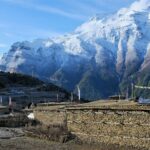
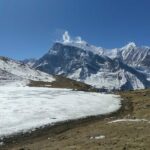
The trek showcases the principal peaks of the western Annapurna range, including Hiunchuli, Annapurna South, Fang, Annapurna, Ganagapurna, Annapurna 3, and the iconic Machhapuchhare.
Trekkers traverse through the Annapurna Sanctuary, a glacier basin nestled within this magnificent circle of peaks. The Modi Khola river flows through a deep gorge, leading to the fertile Gurung valley below.
The middle and upper sections of the Modi Khola offer excellent short trekking options that can be combined with explorations of the Kali Gandaki region.
Ready to hit more trails? More hiking adventures we feature in Kathmandu

Key Highlights and Attractions
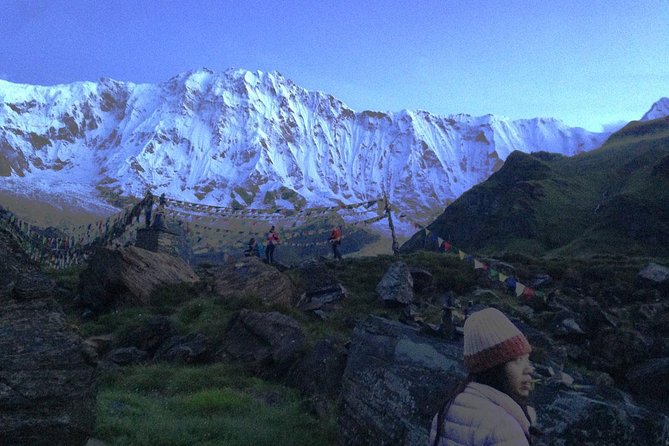
Key highlights of the Annapurna Base Camp Trek include the magnificent panorama of the Annapurna massif, which surrounds the central Annapurna Sanctuary.
Trekkers are treated to stunning views of Hiunchuli, Annapurna South, Fang, Annapurna, Ganagapurna, Annapurna 3, and the iconic Machhapuchhare (Fish Tail) mountain.
Descending into the Annapurna Sanctuary, a glacial basin nestled between these towering peaks, is a breathtaking experience.
The trek also features the scenic Modi Khola river, which flows through a deep gorge.
Along the way, trekkers have the opportunity to interact with the friendly Gurung people and learn about their unique culture and traditions.
Trekking Permits and Paperwork
Obtaining the necessary trekking permits is a crucial step in preparing for the Annapurna Base Camp Trek. Trekkers must obtain two main permits:
-
The Annapurna Conservation Area Permit (ACAP), which grants access to the Annapurna Conservation Area
-
The Trekkers’ Information Management System (TIMS) card, which provides insurance coverage and helps authorities monitor trekker movements
These permits can be obtained in Kathmandu prior to the trek or at the ACAP checkpoint upon entering the Annapurna region.
The cost of the permits is included in the overall trek package, ensuring a seamless and hassle-free experience for participants.
Proper documentation is essential for a successful and enjoyable Annapurna Base Camp Trek.
Accommodation and Dining Options
Along the Annapurna Base Camp Trek, trekkers can expect a range of accommodation options to suit various preferences and budgets.
Teahouses and lodges are the primary accommodation, offering basic but comfortable rooms with shared bathroom facilities. Some lodges provide private rooms, while others have dormitory-style sleeping arrangements.
Meals are typically served in the teahouse dining rooms, featuring local Nepali cuisine as well as some Western dishes. Vegetarian options are readily available.
Trekkers should be prepared for simple but hearty meals, often made with fresh, locally-sourced ingredients.
The accommodation and dining experience contributes to the authentic Himalayan trekking adventure.
Packing List and Preparation
What should trekkers pack for the Annapurna Base Camp Trek? Proper preparation is key to a successful and comfortable trek. Recommended items include:
-
Warm layers like thermal underwear, fleece jackets, and down jackets to combat the cold mountain temperatures.
-
Sturdy, broken-in hiking boots with good traction for the rocky terrain.
-
Sun protection like hats, sunglasses, and high-SPF sunscreen.
-
First-aid supplies and personal medications.
Trekkers should also bring necessary documents, snacks, a water bottle, and a good daypack.
With the right gear and some advance planning, adventurers can look forward to an unforgettable journey through the stunning Annapurna region.



Weather and Seasonal Considerations
The weather on the Annapurna Base Camp Trek varies greatly depending on the season.
During the popular trekking months of March to May and September to November, days are generally clear and sunny, with mild temperatures.
However, the monsoon season from June to August brings heavy rainfall, increasing the risk of landslides and making the trails more challenging.
Winters from December to February can be bitterly cold, with freezing temperatures and snowfall at higher elevations.
Trekkers should pack appropriate gear for the season and be prepared for sudden changes in weather.
Understanding the seasonal climate is crucial for a safe and enjoyable Annapurna Base Camp experience.
Safety and Emergency Procedures
Safety is paramount on the Annapurna Base Camp Trek. Trek operators have well-established emergency protocols in place to respond quickly to any issues that may arise.
Guides carry emergency equipment like first-aid kits and radios, and are trained in wilderness medicine. Porters assist with transporting injured trekkers if necessary.
The trek also has reliable evacuation procedures, with options to airlift participants from the remote trails if a serious medical situation occurs. Trekkers are advised to heed the guidance of their experienced guides, remain vigilant, and purchase comprehensive travel insurance prior to the trek.
- First-aid kits and radio communication
- Trained guides in wilderness medicine
- Porters for injured trekker transport
- Established evacuation procedures
Customization and Pricing Details
The Annapurna Base Camp Trek offers opportunities for customization to suit individual preferences and schedules. The private tour allows participants to tailor the itinerary based on their needs.
The package includes accommodation, trekking permits, taxes, and emergency rescue costs. Pricing starts from $850 per person, with variation based on group size.
Travelers can take advantage of the lowest price guarantee and free cancellation up to 6 days before the trek.
The positive reviews highlight the excellent guidance and management provided by the staff, contributing to an unforgettable experience in the Annapurna region of Nepal.
Frequently Asked Questions
What Is the Best Time of Year to Do the Annapurna Base Camp Trek?
The best time to do the Annapurna Base Camp Trek is typically from March to May or October to November when the weather is mild, skies are clear, and the trails are less crowded.
How Difficult Is the Annapurna Base Camp Trek Compared to Other Treks in Nepal?
The Annapurna Base Camp Trek is considered more challenging than some other popular treks in Nepal due to its higher elevation gain, longer daily distances, and steeper terrain. However, it’s still achievable for fit trekkers with proper preparation and acclimatization.
Are There Any Medical Facilities Along the Annapurna Base Camp Trek Route?
There are basic medical facilities available along the Annapurna Base Camp Trek route, including basic first aid kits and supplies at teahouses and lodges. However, more advanced medical care may require evacuation to larger towns or cities.
Can I Hire a Porter or Guide for the Annapurna Base Camp Trek?
Yes, trekkers can hire a porter or guide for the Annapurna Base Camp trek. Porters and guides are readily available and recommended to help carry gear, navigate the trail, and enhance the overall trekking experience.
What Is the Typical Group Size for the Annapurna Base Camp Trek?
The typical group size for the Annapurna Base Camp trek is variable, but most tours accommodate between 2-8 trekkers. Group size can be customized based on a traveler’s preferences and schedule, allowing for a more personalized trekking experience.
Annapurna Base Camp Trek
“My friends and I went on 8 day trek to Annapurna Base Camp. We had the most amazing time, mostly due to our fantastic guide Krishna Pokhrel. From d…”
Sum Up
The Annapurna Base Camp Trek offers an unforgettable adventure, immersing trekkers in the captivating Annapurna Himal. With stunning vistas, cultural encounters, and the challenge of high-altitude trekking, this trek caters to both seasoned and novice adventurers. Whether seeking breathtaking landscapes or a deeper connection with the Himalayan region, the Annapurna Base Camp Trek promises an enriching experience that will leave a lasting impression.