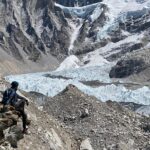
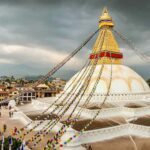
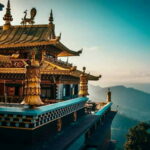
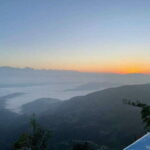
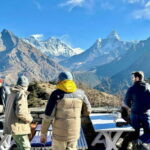
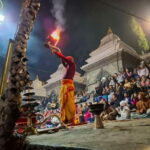
The Annapurna Base Camp trek is a renowned adventure that beckons trekkers to Nepal’s stunning Annapurna region. Over the course of 8 days, explorers will witness the grandeur of iconic Himalayan peaks, enjoy the serene beauty of alpine forests, and connect with the vibrant culture of local villages. With a well-curated itinerary and expert guidance, this trek ensures a gradual ascent, allowing for proper acclimentation and an unforgettable journey. For those seeking to experience the majestic splendor of the Himalayas, the Annapurna Base Camp trek offers an unparalleled opportunity to discover the true essence of this remarkable destination.
Key Points
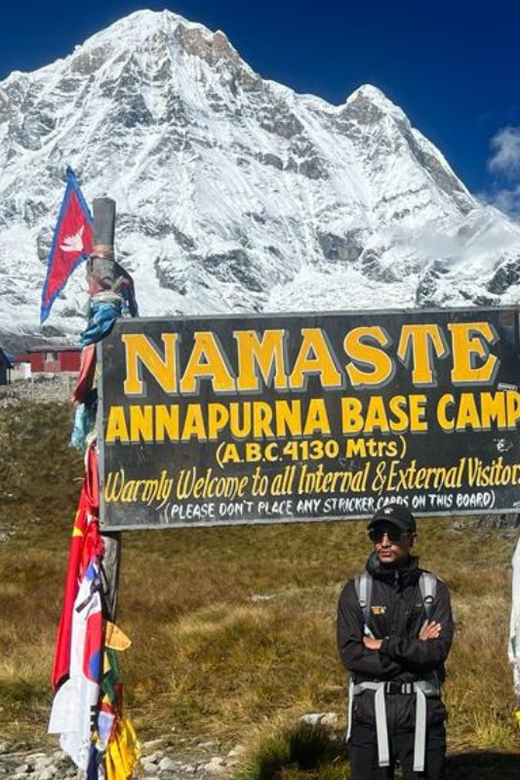
- The Annapurna Base Camp trek is a popular 8-day adventure in Nepal’s Annapurna region, offering stunning views of Annapurna South, Hiunchuli, and Machhapuchhre.
- The itinerary includes arrival in Kathmandu, a flight to Pokhara, and a trek through picturesque villages, forests, and diverse ecosystems to reach the Annapurna Base Camp.
- The trek package includes airport/hotel transfers, hotel stays, meals during the trek, a trekking map, a guide, and a porter, ensuring a comprehensive and seamless experience.
- Altitude sickness is a key consideration, and the importance of acclimatization, hydration, and monitoring for symptoms is emphasized to ensure a safe and enjoyable trek.
- The trek is available year-round, with the best seasons being spring and autumn, and the itinerary can be customized based on preferences and fitness levels.
👉 Check out our guide to the 2 Best Guided Tours In Jagat
Contents
- Key Points
- Trek Overview and Highlights
- Itinerary Breakdown
- Pricing and Booking
- Included and Excluded
- Altitude Sickness Consideration
- Recommended Gear
- Environmental Responsibility
- Availability and Flexibility
- Frequently Asked Questions
- What Is the Typical Weather During the Annapurna Base Camp Trek?
- Are There Any Cultural or Historical Sites Along the Trek?
- Can I Extend or Shorten the Trek Duration if Needed?
- Is There a Minimum Group Size Required for This Trek?
- What Is the Best Time of Year to Undertake the Annapurna Base Camp Trek?
- Recap
- Our Top Picks in Kathmandu
- More Hiking & Trekking Tours in Kathmandu
- More Tour Reviews in Kathmandu
- Not for you? Here's more things to do in Kathmandu we have recnetly reviewed
Trek Overview and Highlights
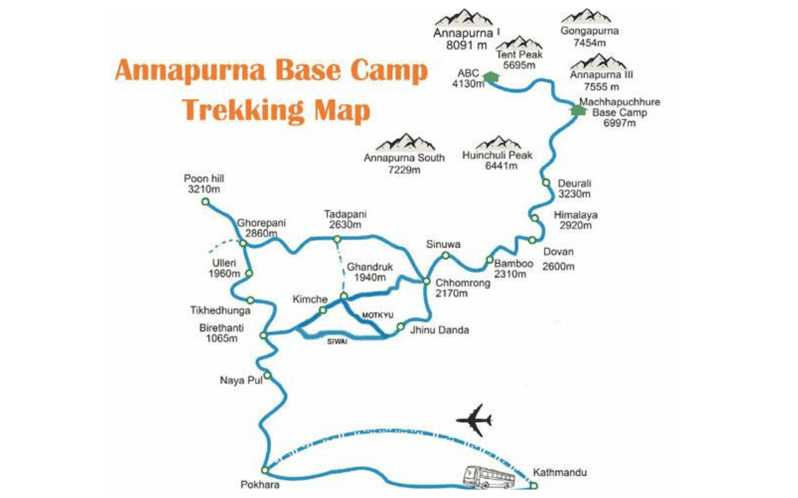
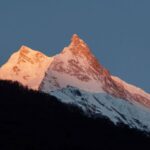
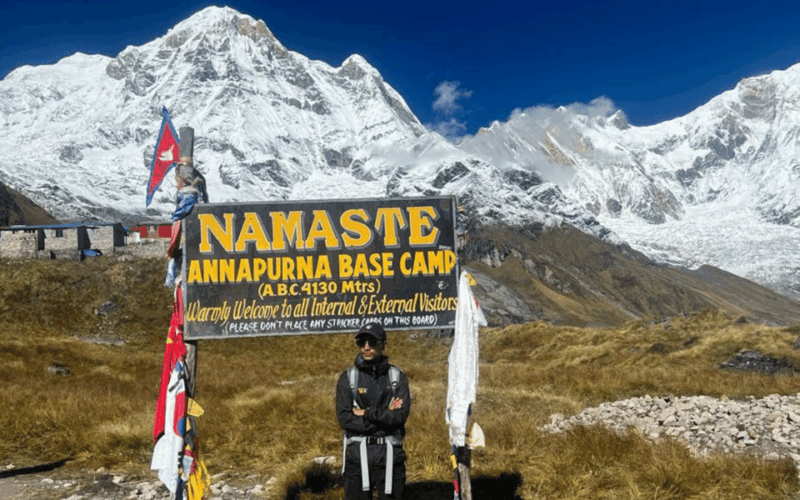
The Annapurna Base Camp trek is a popular adventure in Nepal’s stunning Annapurna region. Lasting 7-12 days, this moderate trek offers breathtaking views of Annapurna South, Hiunchuli, Gangapurna, and the iconic Machhapuchhre (Fishtail).
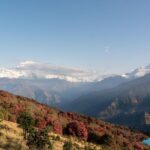
While Annapurna Base Camp is a highlight, the region boasts other noteworthy treks like the Annapurna Circuit, Poon Hill, Jomsom, and Mardi Himal. Trekkers can expect to pass through picturesque villages, lush forests, and terraced fields while immersed in the area’s rich biodiversity.
With careful preparation, the Annapurna Base Camp trek provides a chance to witness Nepal’s natural wonders and connect with the local culture.
Ready to hit more trails? More hiking adventures we feature in Kathmandu
Itinerary Breakdown
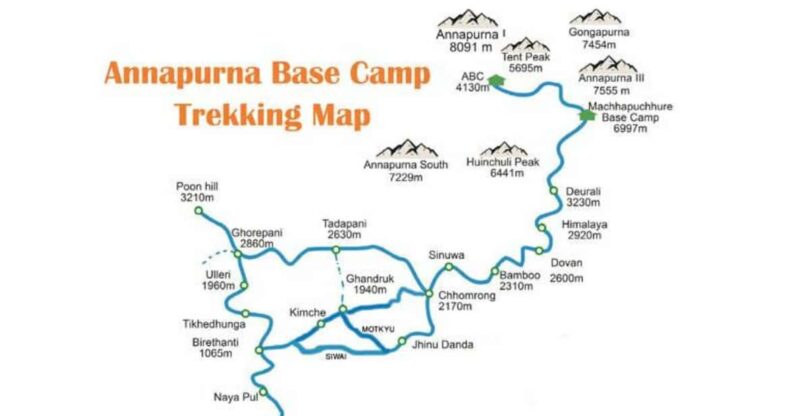
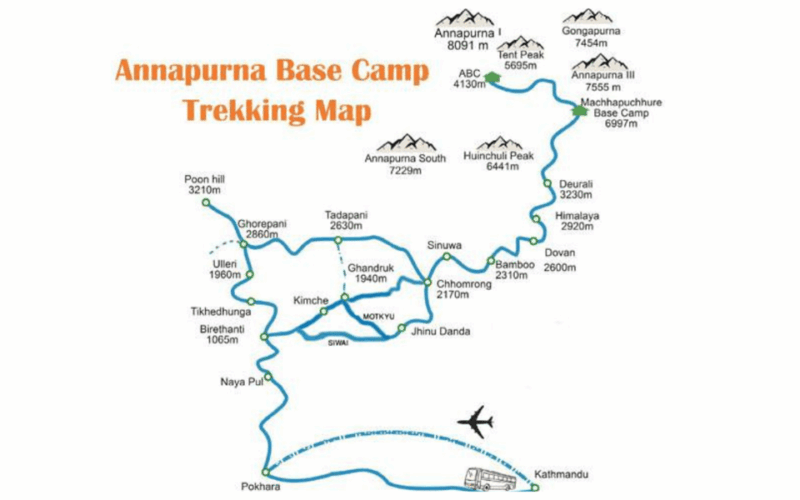
The Annapurna Base Camp trek itinerary spans 7 days, though it can vary from 7 to 12 days depending on the chosen route and trekking pace.
On day 1, trekkers arrive in Kathmandu and check into a hotel for a briefing. The next day, they fly to Pokhara, drive to Nayapool, and trek to Ghadurk Village.
Days 3 and 4 involve trekking to Sinuwa and Deurali Dada, respectively. Trekkers reach the Annapurna Base Camp on day 5.
The return journey includes stops at Chhumrong Village and Sinuwa before reaching Pokhara and flying back to Kathmandu on day 7. The 8th day is reserved for departure.
Pricing and Booking
The Annapurna Base Camp trek package starts from $1,161.88 per person.
Travelers can reserve their spot now and pay later, with the option of free cancellation up to 24 hours in advance for a full refund.
The package includes airport/hotel transfers, two nights in a 3-star hotel in Kathmandu, all meals during the trek, an Annapurna trekking map, and transportation by tourist bus between Kathmandu and Pokhara.
Plus, it covers the cost of a government-licensed guide, a porter, necessary permits, and entry fees.
However, meals in Kathmandu, travel insurance, international airfare, Nepal entry visa, and personal expenses aren’t included.
Included and Excluded
The Annapurna Base Camp trek package includes a range of essential services and amenities. This comprehensive offering ensures a seamless and comfortable trekking experience. To provide a clear understanding, the inclusions and exclusions are outlined in the table below.
| Inclusions | Exclusions |
|---|---|
| Airport/hotel transfers | Meals in Kathmandu |
| 2 nights in a 3-star Kathmandu hotel | Travel insurance |
| Full board meals during the trek | International airfare |
| Trekking map, guide, and porter | Nepal entry visa |
While the package covers the core aspects, participants should also be aware of additional personal expenses and the expected, but not mandatory, tips for the staff and driver.
More Great Tours NearbyAltitude Sickness Consideration
One important factor to consider when planning the Annapurna Base Camp trek is the risk of altitude sickness. The trek reaches an elevation of over 4,000 meters, which can cause various symptoms like headaches, nausea, and fatigue.
Trekkers should acclimatize properly by ascending gradually and allowing their bodies to adjust to the thin air. It’s crucial to monitor for signs of altitude sickness and be prepared to descend immediately if necessary.
Drinking plenty of fluids, avoiding alcohol, and taking breaks can help mitigate the risks. Consulting a doctor before the trek and carrying medication like acetazolamide can also be beneficial.
Proper preparation and vigilance are key to enjoying a safe and successful Annapurna Base Camp experience.

Recommended Gear
A variety of specialized gear is essential for the Annapurna Base Camp trek. Comfortable, broken-in hiking boots are a must to navigate the varied terrain.
Moisture-wicking base layers, insulating mid-layers, and weatherproof outer shells help regulate body temperature. Trekkers should also pack a warm hat, gloves, and thick socks. Lightweight, packable down jackets provide additional warmth.
Hiking poles can ease the strain on knees during descents. Proper sun protection, including sunglasses, sunscreen, and a wide-brimmed hat, is crucial given the high altitude.
Plus, a headlamp, water bottle, and snacks are recommended for the trek. Packing the right gear ensures a safe and comfortable journey.
Environmental Responsibility
Preserving the natural beauty and ecological balance of the Annapurna region is a top priority for trekkers and tour operators alike. All visitors are expected to adhere to strict "leave no trace" principles, including proper disposal of waste and avoidance of littering. To further promote sustainability, trekking companies collaborate with local communities to implement eco-friendly practices.
| Sustainable Practices | Benefits | Challenges |
|---|---|---|
| Waste Management | Maintain pristine environment | Accessibility of facilities |
| Local Hiring | Empower communities | Skill gap in some areas |
| Energy-Efficient Lodges | Reduced carbon footprint | Infrastructure limitations |
Ultimately, responsible tourism ensures the Annapurna region remains a breathtaking wilderness for generations to come.
Availability and Flexibility
Scheduling flexibility is a key feature of the Annapurna Base Camp trek, with participants able to customize their itinerary based on preferences and fitness levels.
The standard 7-day trek can be adjusted to span 7-12 days, accommodating varying paces and allowing more time for rest and acclimatization. Participants can also choose to extend their trek by exploring additional routes, such as the Annapurna Circuit or Mardi Himal.
The trek is available year-round, though the best seasons are:
- Spring (March-May): Moderate temperatures, clear skies
- Autumn (September-November): Stable weather, vibrant fall foliage
- Winter (December-February): Fewer crowds, pristine snow-capped landscapes
Reservations can be made well in advance, and a "reserve now, pay later" option is offered, providing flexibility for planning.
Frequently Asked Questions
What Is the Typical Weather During the Annapurna Base Camp Trek?
The weather during the Annapurna Base Camp trek is generally cool and dry, with temperatures ranging from around 5°C at the higher elevations to 20°C at the lower altitudes. Precipitation is moderate, with occasional snow and rain showers.
Are There Any Cultural or Historical Sites Along the Trek?
The trek passes through several traditional Nepali villages, offering glimpses of the region’s rich cultural heritage. Travelers can visit local monasteries, explore historic temples, and interact with friendly locals along the way.
Can I Extend or Shorten the Trek Duration if Needed?
The trek duration can be adjusted based on the traveler’s preference and fitness level. It typically ranges from 7 to 12 days, allowing flexibility to extend or shorten the trek if needed.
Is There a Minimum Group Size Required for This Trek?
The trek does not have a minimum group size requirement. Travelers can join as individuals or in small groups. However, the maximum group size is usually limited to ensure a personalized trekking experience.
What Is the Best Time of Year to Undertake the Annapurna Base Camp Trek?
The best time to undertake the Annapurna Base Camp trek is during the spring (March-May) and autumn (September-November) seasons when the weather is mild, skies are clear, and trekking conditions are optimal.
Annapurna Base Camp: Trekking 8D
Recap
The Annapurna Base Camp trek offers an unforgettable adventure through Nepal’s stunning Annapurna region. Trekkers can expect breathtaking views of iconic peaks, picturesque villages, and lush forests. With a well-structured itinerary and gradual ascent, the trek ensures proper acclimatization and an immersive experience at the serene Annapurna Base Camp. This 8-day journey is a must-do for anyone seeking a transformative Himalayan adventure.
You can check availability for your dates here: