
Rummelsburg, a neighborhood in Berlin, has transformed from a site of marginalization into a vibrant cultural hub. Once home to warehouses and factories, the area now showcases a blend of historical and contemporary art, inviting visitors to explore its architectural heritage and creative communities. Amidst this dynamic landscape, the neighborhood’s cinematic legacy, particularly its connection to the iconic DEFA film ‘Paul and Paula,’ adds another layer of intrigue, hinting at the multifaceted narratives that define Rummelsburg’s unique character. Whether you’re drawn to the visual arts, architectural marvels, or cinematic explorations, this neighborhood promises to captivate and inspire.
Key Points
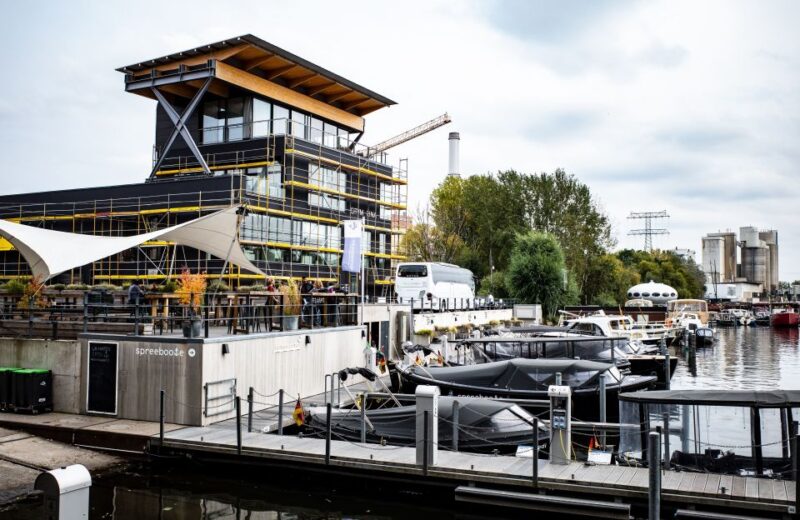
• Rummelsburg’s transformation from a marginalized community to a vibrant cultural hub is reflected in the adaptive reuse of its historical buildings into art studios and galleries.
• The former Rummelsburg prison has been repurposed as an apartment hotel, highlighting the area’s complex past and its evolution towards a modern, livable neighborhood.
• The Klingenberg power station and river bathing facility in Rummelsburg exemplify the neighborhood’s blend of practical and recreational amenities, drawing on its industrial heritage.
• The cinematic legacy of Rummelsburg is marked by its association with the 1973 DEFA film ‘Paul and Paula’, which features the neighborhood’s scenic riverbank as a central backdrop.
• Rummelsburg’s architectural landscape showcases a harmonious blend of preserved historical structures and modern renovations, creating a unique and visually compelling urban environment.
You can check availability for your dates here:
👉 Check out our guide to the 5 Best Craft Beer Tours And Tastings In Berlin
Contents
- Key Points
- Rummelsburg’s Historical Development
- Key Institutions of Rummelsburg
- Tour Booking and Availability
- Exploring Marginalized Biographies
- Modernization and Transformation
- Rummelsburg’s Architectural Highlights
- Local Attractions and Amenities
- Discovering Rummelsburg’s Cinematic Legacy
- Frequently Asked Questions
- What Is the Current Population of Rummelsburg?
- Are There Any Guided Tours in English Offered?
- Can I Purchase Tickets for the Tour On-Site?
- Are There Any Restaurants or Cafes Near the Meeting Point?
- Are There Any Wheelchair-Accessible Options for the Tour?
- Recap
- Our Top Picks in Berlin
- More Tour Reviews in Berlin
- Not for you? Here's more things to do in Berlin we have recnetly reviewed
Rummelsburg’s Historical Development
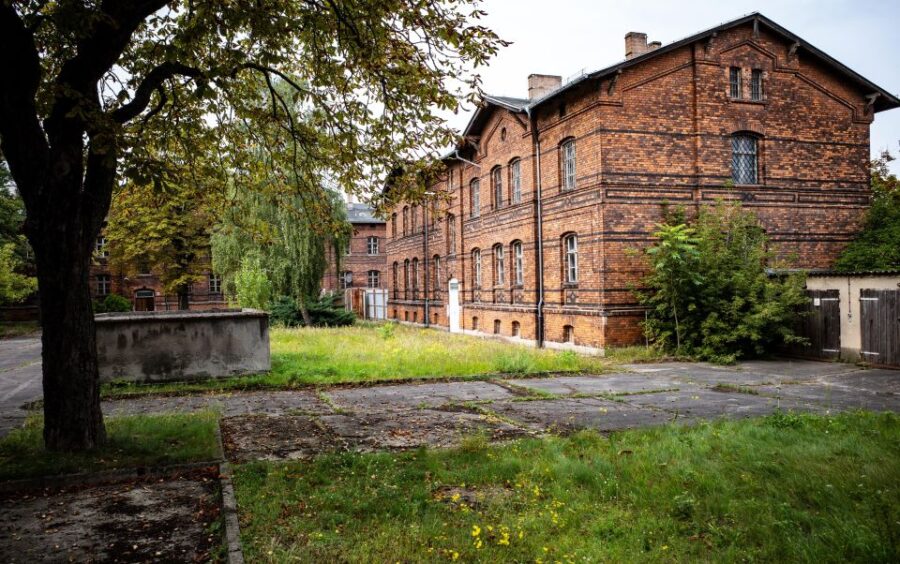
Rummelsburg’s development began in the 19th century, initially as a hub for nurseries, fisheries, and a dairy.
The area soon became home to key institutions like the Friedrich orphanage, municipal workhouse, and the infamous Rummelsburg prison. Over the decades, Rummelsburg’s reputation was shaped by these facilities, which housed marginalized groups during the German Empire, Weimar Republic, and GDR eras.
After German reunification in 1989, the area underwent a transformation, with many former buildings repurposed into apartments, offices, and studios.
Today, Rummelsburg’s historical significance is still visible, though the neighborhood has evolved, embracing new uses for its existing structures and infrastructure.
You can also read our reviews of more tours and experiences in Berlin.


Key Institutions of Rummelsburg
Three key institutions shaped Rummelsburg’s historical development – the Friedrich orphanage, the municipal workhouse, and the notorious Rummelsburg prison. The Friedrich orphanage provided care for disadvantaged children, while the workhouse served as a facility for the poor and unemployed. However, the Rummelsburg prison had a darker history, notorious for its harsh conditions and mistreatment of inmates.
| Institution | Purpose | Historical Significance |
|---|---|---|
| Friedrich Orphanage | Care for disadvantaged children | Provided for the welfare of Rummelsburg’s vulnerable youth |
| Municipal Workhouse | Facility for the poor and unemployed | Addressed issues of poverty and unemployment in the local community |
| Rummelsburg Prison | Incarceration facility | Infamous for its harsh conditions and mistreatment of inmates |
These institutions played a pivotal role in shaping the social fabric and history of Rummelsburg.
Tour Booking and Availability
Visitors can easily book a guided tour of Rummelsburg, with flexible scheduling and no upfront payment required.
Participants can reserve their spots and pay later, and cancellations are permitted up to 24 hours in advance for a full refund.
The tours are conducted in German and led by knowledgeable local guides, providing insights into the neighborhood’s captivating history.
Guests can check availability for starting times that suit their preferences.
The 2-hour walking tour departs from the Rummelsburg station, allowing participants to explore the area’s key landmarks and uncover the stories behind its transformation over the years, from its infamous prison to its present-day residential and cultural hub.
Exploring Marginalized Biographies
The guided tours of Rummelsburg explore the intriguing biographies of marginalized groups who lived in the German Empire, Weimar Republic, and GDR, offering valuable insights into their experiences and struggles.
Visitors learn about the personal stories of those who were often overlooked or stigmatized, such as orphans, the homeless, and political prisoners.
By exploring these lesser-known narratives, the tours shed light on the social inequalities and injustices that shaped the history of the region.
Through this lens, participants gain a deeper understanding of the complex and multifaceted nature of Rummelsburg’s past, beyond the typical historical narratives.
More Great Tours NearbyModernization and Transformation
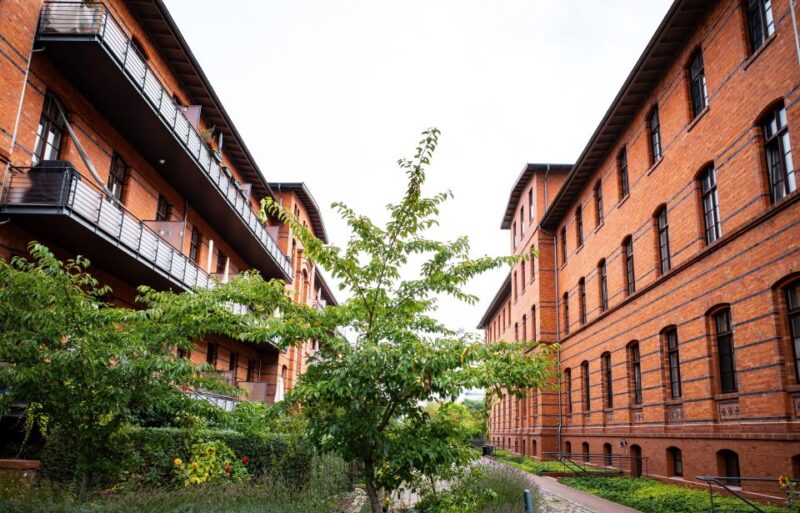
Post-1989, Rummelsburg has undergone a remarkable transformation, with its existing buildings repurposed to meet the needs of a changing society.
The former prison, once a symbol of oppression, has been converted into an apartment hotel, offering visitors a unique glimpse into the area’s history.
Nearby, the Klingenberg power station and municipal river bathing facility have also been reimagined, utilizing the area’s waste heat to provide warmth and recreation during the colder months.
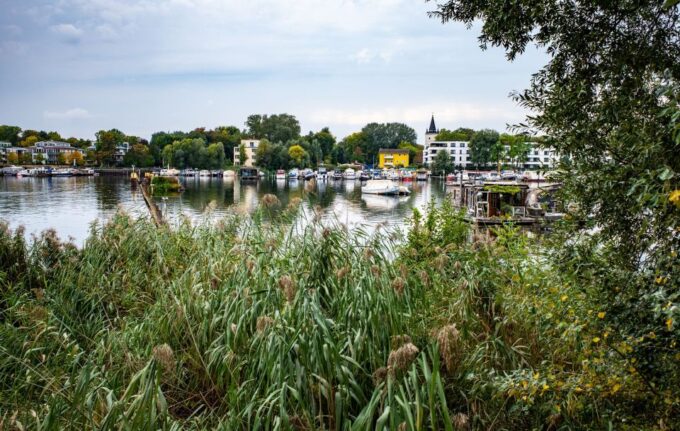
The shore along the Spree has even been named after the DEFA film ‘Paul and Paula,’ reflecting the neighborhood’s evolving identity.
These modernization efforts have breathed new life into Rummelsburg, transforming it into a vibrant, multifaceted community.


Rummelsburg’s Architectural Highlights
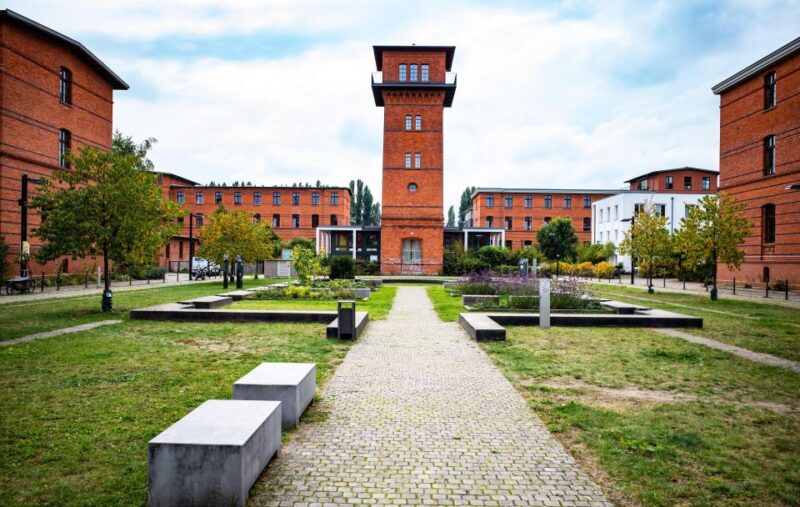
Amidst Rummelsburg’s industrial past, the neighborhood’s architectural landscape showcases a harmonious blend of historical structures and contemporary remodeling.
The former municipal workhouse, now converted into modern apartments, stands as a testament to the area’s transformation.
The Friedrich orphanage, a stately 19th-century building, has been reimagined as a vibrant cultural center.
Plus, the Rummelsburg prison, once a symbol of societal exclusion, has been repurposed as an apartment hotel, allowing visitors to experience the juxtaposition of past and present.
Throughout the neighborhood, abandoned warehouses and factories have been thoughtfully renovated, housing art studios, offices, and recreational spaces that breathe new life into Rummelsburg’s urban fabric.
Local Attractions and Amenities
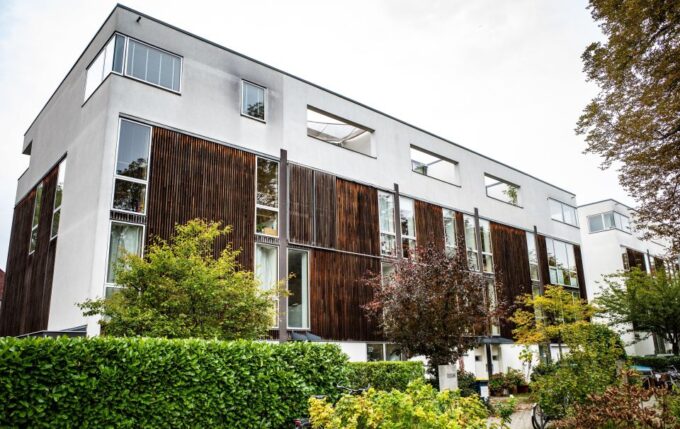
Alongside Rummelsburg’s architectural transformation, the neighborhood boasts an array of local attractions and amenities that cater to diverse interests.
The former Rummelsburg prison now operates as an apartment hotel, offering visitors a unique opportunity to experience the area’s history.
Just nearby, the Klingenberg power station and municipal river bathing facility make use of waste heat during the colder months, providing both practical and recreational facilities.
The shore along the Spree has even been named after the DEFA film ‘Paul and Paula’, further highlighting the neighborhood’s cultural significance.
With these diverse offerings, Rummelsburg has evolved into a vibrant and multifaceted community that balances its past with contemporary attractions.
Discovering Rummelsburg’s Cinematic Legacy
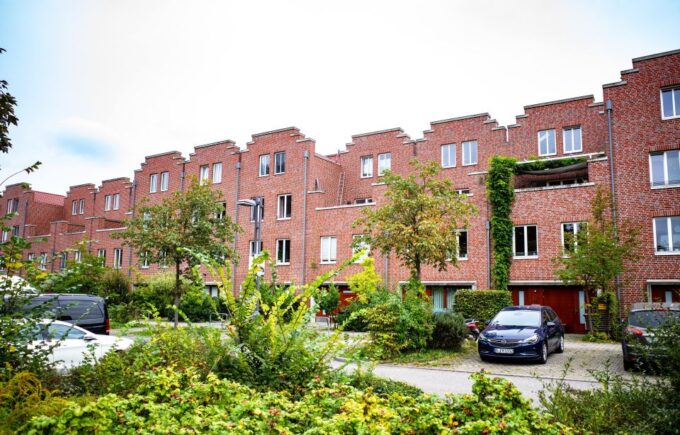
Rummelsburg’s cinematic legacy extends beyond its architectural transformation, with the neighborhood’s shoreline along the Spree earning a lasting association with the iconic DEFA film ‘Paul and Paula’.
Released in 1973, the movie captured the bittersweet love story of its protagonists against the backdrop of Rummelsburg’s riverbank.
Today, visitors can stroll along the ‘Paul and Paula’ shore, taking in the scenic vistas that were immortalized on the silver screen.
This cinematic connection serves as a poignant reminder of Rummelsburg’s cultural significance, showcasing how the neighborhood’s history has been woven into the fabric of Berlin’s artistic and filmic heritage.
Frequently Asked Questions
What Is the Current Population of Rummelsburg?
The current population of Rummelsburg is not explicitly stated in the provided knowledge. As a former industrial and residential area in Berlin, Rummelsburg’s population has likely evolved over time due to redevelopment, but the exact current figure is not given.
Are There Any Guided Tours in English Offered?
The tour information provided doesn’t mention English-language tours. However, the tour is led by a live guide, so it’s possible they can accommodate English-speaking visitors upon request. It’s best to inquire about language options when booking the tour.
Can I Purchase Tickets for the Tour On-Site?
Yes, you can purchase tickets for the Rummelsburg tour on-site. The tour offers flexible booking – you can reserve now and pay later without any upfront payment required.
Are There Any Restaurants or Cafes Near the Meeting Point?
There are several cafes and restaurants located near the Rummelsburg station meeting point. Visitors can find a variety of dining options, from casual cafes to more formal restaurants, within a short walk of the tour’s starting location.
Are There Any Wheelchair-Accessible Options for the Tour?
The tour provider offers wheelchair-accessible options for the Rummelsburg tour. Visitors can contact the provider in advance to ensure appropriate accommodations are made available. The meeting point at Rummelsburg station also has accessible facilities.
Art: Berlin – Rummelsburg
Recap
Rummelsburg has evolved from a site of marginalization to a vibrant cultural hub, where art and history intertwine.
The neighborhood’s repurposed warehouses and factories now house art studios, fostering creativity amidst architectural heritage.
Visitors can explore Rummelsburg’s cinematic legacy, particularly through the DEFA film ‘Paul and Paula,’ and discover the diverse narratives that define the area’s unique character.
You can check availability for your dates here:


