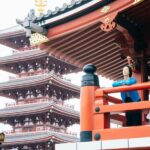
Asakusa’s vibrant history and cultural heritage make it a must-visit destination for travelers to Tokyo. After exploring the iconic Sensoji Temple and Nakamise Shopping Street, the tour culminates with a stop at Kappabashi Street, where visitors can enjoy the captivating world of Japanese food replica artistry. Here, they’ll discover the intricate techniques used to craft meticulously detailed plastic food models, an essential element of the country’s culinary industry. This unique experience offers a fascinating glimpse into the artistic precision that defines Japanese gastronomic culture, leaving visitors with a deeper appreciation for the nation’s rich traditions.
Key Points
-
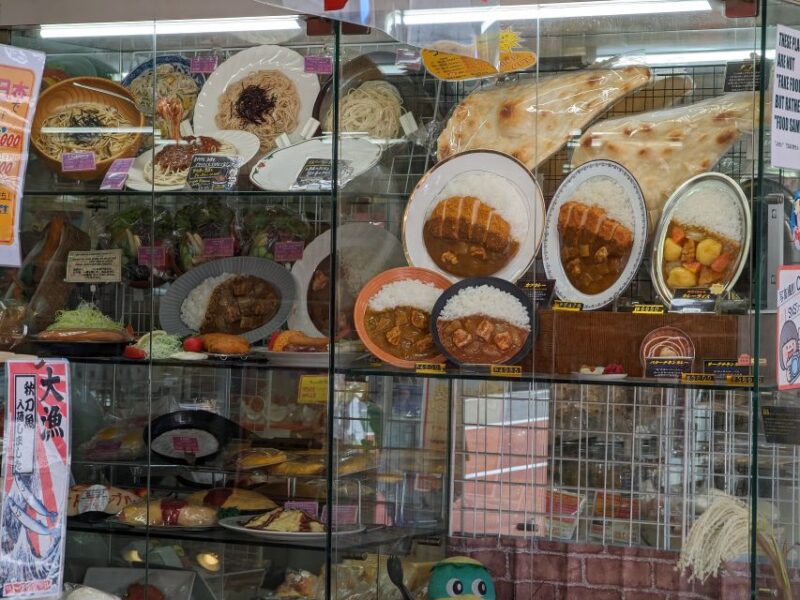
After exploring the rich cultural and historical sites of Asakusa, visitors can enjoy the unique culinary culture by visiting the Kappabashi Street’s food replica stores.
-
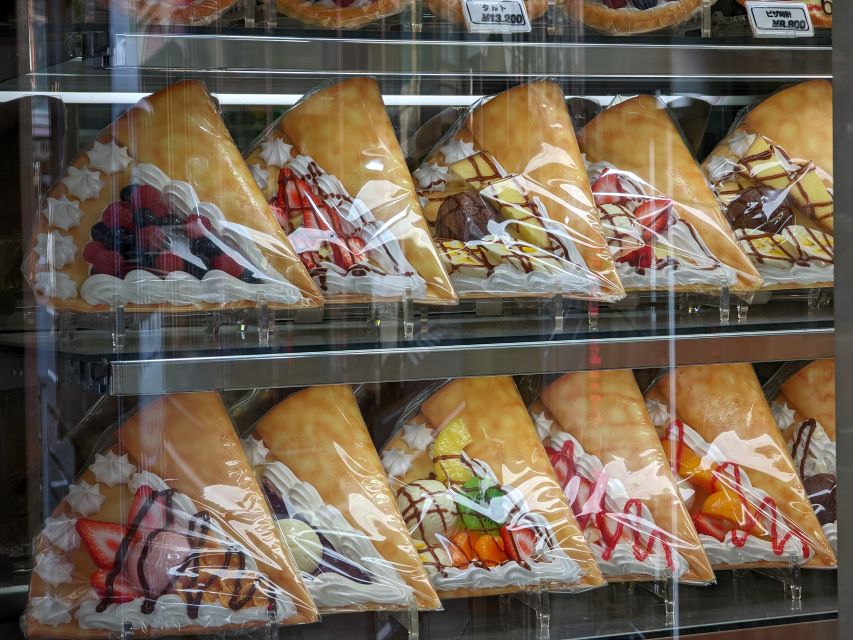
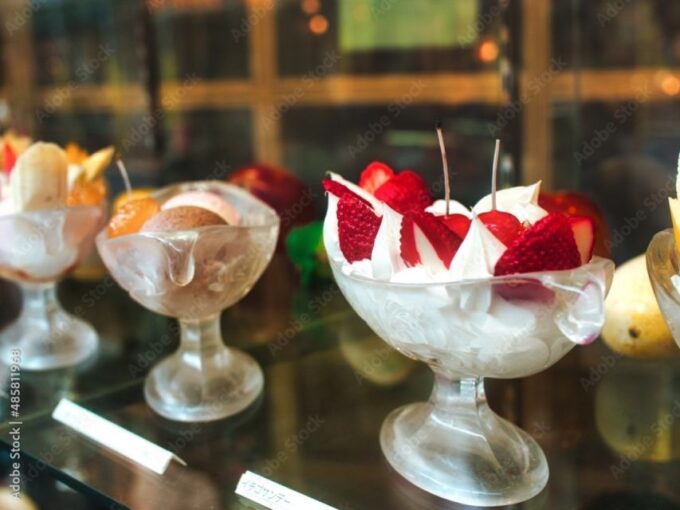
The food replica stores offer an enchanting experience, showcasing meticulously crafted plastic food models that provide a glimpse into the intricate world of Japanese culinary art.
-
Visitors can watch skilled artisans demonstrate the techniques used to create these intricate food replicas, gaining a deeper appreciation for the attention to detail in Japanese cuisine.
-
The opportunity to purchase unique souvenirs, such as miniature food replicas, allows visitors to bring a piece of the Asakusa culinary experience back home.
-
Exploring the Kappabashi Street, known as the ‘Kitchen Town’ of Tokyo, and sampling local delicacies at family-owned eateries, further enhances the understanding of Asakusa’s rich culinary heritage.

👉 Check out our guide to the 2 Best Craft Beer Tours And Tastings In Tokyo
Contents
- Key Points
- Asakusa Culture Tourist Information Center
- Kaminarimon: Gateway to Sensoji Temple
- Nakamise Shopping Street Exploration
- Hozomon Gate: Entrance to Sensoji
- Sensoji Temple’s Impressive Architecture
- Kappabashi Street: Food Replica Stores
- Sampling Japanese Sweet Snacks
- Tour Ending at Matsugaya District
- Frequently Asked Questions
- Can I Bring My Own Food on the Tour?
- Is There a Dress Code for the Temple Visit?
- Can I Take Photos Inside the Sensoji Temple?
- How Do I Get Back to My Hotel After the Tour?
- Can I Purchase the Food Replicas at the End of the Tour?
- Recap
- Our Top Picks in Tokyo
- More Food & Drink Experiences in Tokyo
- More Tours in Tokyo
- More Tour Reviews in Tokyo
- Not for you? Here's more things to do in Tokyo we have recnetly reviewed
Asakusa Culture Tourist Information Center
The Asakusa Culture Tourist Information Center serves as a hub for visitors, providing essential information and orientation about the historic district.
Travelers can find maps, brochures, and displays that highlight the area’s key landmarks and attractions. The center’s knowledgeable staff is on hand to answer questions and offer recommendations, ensuring visitors make the most of their time in Asakusa.
With its convenient location, the information center is a logical starting point for exploring the neighborhood’s rich cultural heritage and vibrant atmosphere.
Whether seeking guidance on navigating the streets or insights into the local customs, the Asakusa Culture Tourist Information Center is a valuable resource for an enriching experience.
Taste buds happy? More delicious discoveries we love in Tokyo


Kaminarimon: Gateway to Sensoji Temple
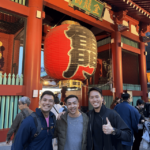
After learning about the Asakusa Culture Tourist Information Center, visitors now make their way to the iconic Kaminarimon, the striking gateway that marks the entrance to Sensoji Temple, the oldest Buddhist temple in Tokyo. Towering over the bustling Nakamise shopping street, the Kaminarimon is adorned with a massive red lantern and statues of the temple’s guardian deities.
Passing through the gate, visitors are greeted by the ornate architecture and the lively atmosphere of the temple grounds. The Kaminarimon is a beloved landmark, symbolizing the rich history and cultural heritage of Asakusa.
Key features include:
- Massive 37-foot-tall red lantern
- Guardian statues of Nio and Fūjin
- Vibrant Nakamise shopping street leading to Sensoji Temple
- Intricate architectural details and design
- Spiritual and cultural significance for visitors
Nakamise Shopping Street Exploration
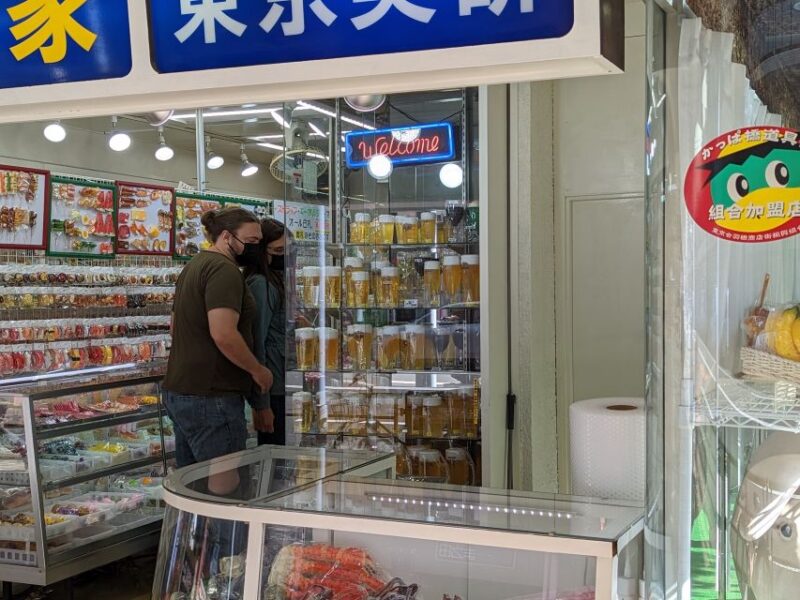
As visitors pass through the imposing Kaminarimon gateway, they’re greeted by the bustling energy of Nakamise Shopping Street, a centuries-old market lined with over 50 traditional craft and snack shops. This iconic Tokyo locale offers an array of delightful Japanese souvenirs and treats, from intricate fans and kimonos to steaming dumplings and colorful sweets. While exploring the lively stalls, travelers can enjoy the vibrant culture and history of the Asakusa district. The sights, sounds, and aromas of Nakamise create an unforgettable experience that captures the essence of old Tokyo.
| Emotion | Description |
|---|---|
| Wonder | Discovering unique Japanese handicrafts and delicacies |
| Delight | Savoring traditional snacks and sweets |
| Immersion | Feeling the energy of the historic marketplace |
| Nostalgia | Connecting with Asakusa’s rich cultural heritage |
| Appreciation | Experiencing the vibrant heart of old Tokyo |
Hozomon Gate: Entrance to Sensoji
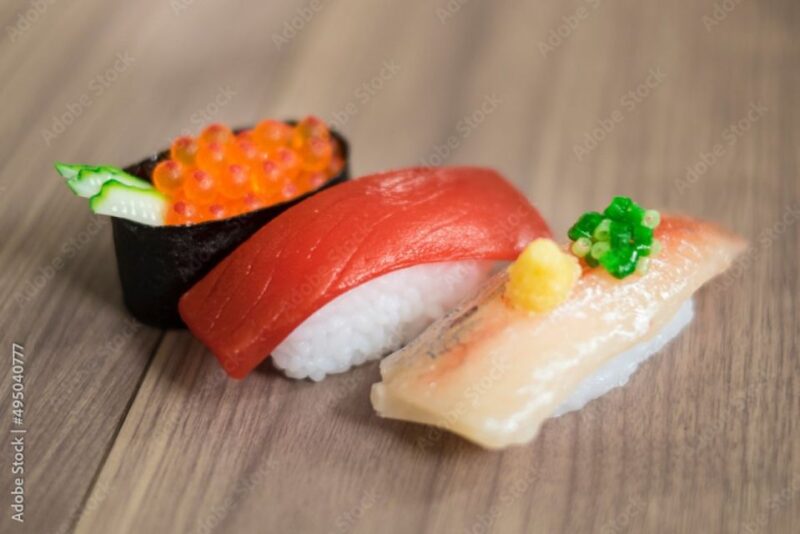
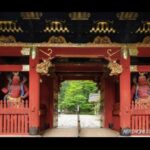
Beyond the lively Nakamise Shopping Street, visitors encounter the imposing Hozomon Gate, the grand entryway leading into the iconic Sensoji Temple complex.
This magnificent two-story gate, adorned with intricate carvings and a striking red lacquer finish, serves as the symbolic threshold into the spiritual heart of the Asakusa district.
As guests pass through the gate, they’re met with a sense of reverence and anticipation, eager to explore the treasures that lie within.
The Hozomon Gate is more than just an architectural marvel – it’s a gateway to a world of cultural wonder and spiritual enlightenment.
Ornate carvings and red lacquer finish give the gate a striking appearance.
Serves as the symbolic entry point to the Sensoji Temple complex.
Visitors feel a sense of reverence and anticipation as they pass through.
The gate represents the spiritual significance of the Asakusa district.
A must-see attraction for any visitor to the Sensoji Temple.
More Great Tours NearbySensoji Temple’s Impressive Architecture
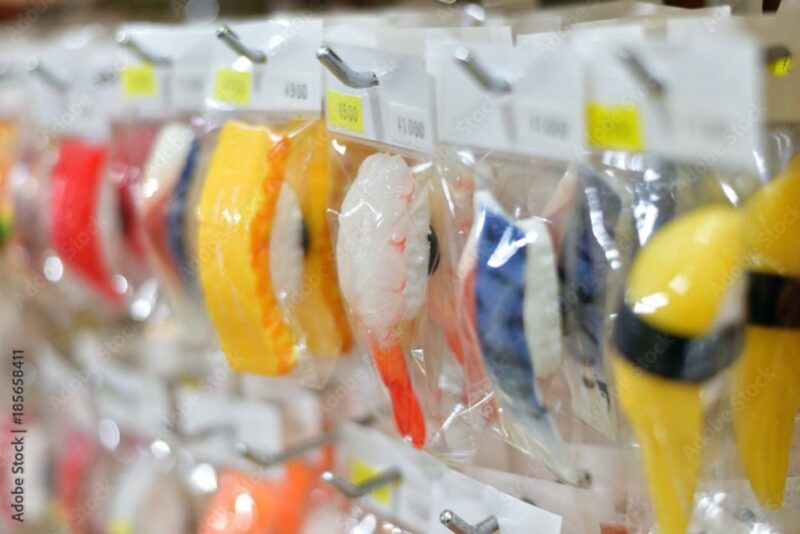
The magnificent Sensoji Temple complex impresses visitors with its intricate architecture, blending traditional Japanese design elements with a captivating visual appeal.
The grand Kaminarimon gate, with its towering lanterns and ornate carvings, sets the stage for the temple’s grandeur.
Beyond the gate, the Nakamise shopping street leads to the Hozomon gate, another stunning example of Japanese architectural mastery.
The main hall of the temple, known as the Kannondo, features a unique roof structure and intricate woodcarvings, exemplifying the skilled craftsmanship of the era.
The temple’s pagoda, with its distinct multi-tiered design, further accentuates the overall harmonious and awe-inspiring nature of the Sensoji Temple complex.
Here are more great tours and experiences we've reviewed in Tokyo


Kappabashi Street: Food Replica Stores

After exploring the magnificent Sensoji Temple, the tour takes visitors to Kappabashi Street, a renowned hub for food replica stores in Tokyo.
These specialized shops offer an enchanting glimpse into the intricate world of Japanese culinary art, where artisans meticulously craft hyper-realistic food models for display and promotional purposes.
Some highlights of the Kappabashi Street experience include:
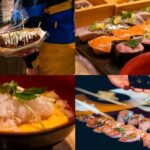
- Browsing rows of meticulously crafted plastic sushi, ramen, and other Japanese delicacies that look good enough to eat
- Watching skilled artisans demonstrate the techniques used to create these lifelike replicas
- Discovering the wide range of food samples, from individual dishes to entire meal sets
- Learning about the cultural significance and practical uses of these food models in Japanese businesses
- Purchasing unique souvenirs and gifts, like miniature food replicas, to bring home.
Sampling Japanese Sweet Snacks
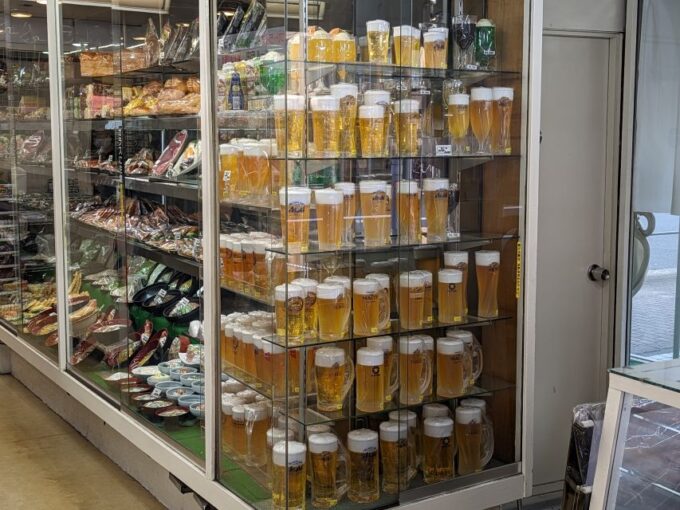
Amidst the vibrant atmosphere of Kappabashi Street, the tour delves into the delightful world of Japanese sweet snacks, allowing visitors to savor a range of traditional confections.
The guide introduces various types of wagashi, intricate and beautifully crafted confections that showcase the country’s rich culinary heritage.
Guests have the opportunity to sample mochi, soft and chewy rice cakes, as well as delicate dagashi, bite-sized candies and cookies.
These sweet treats offer a glimpse into the attention to detail and artistry that permeates Japanese cuisine. By indulging in these delectable delights, travelers gain a deeper appreciation for the nuanced flavors and traditions that define the nation’s confectionery culture.
Tour Ending at Matsugaya District
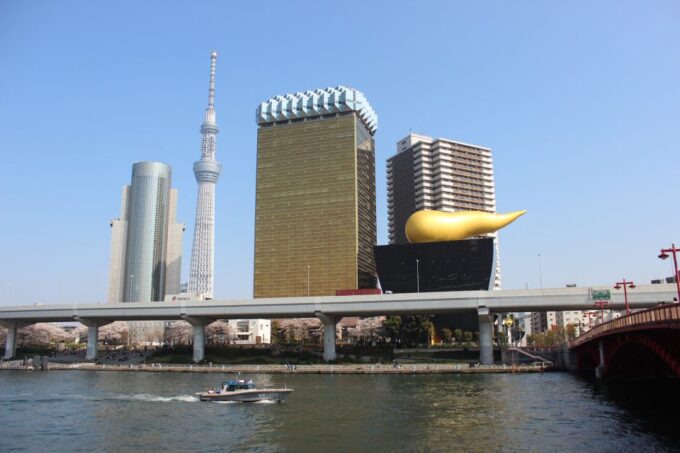
As the tour winds down, it culminates at the Matsugaya district, where visitors can further enjoy the culinary culture of Japan. This charming neighborhood is home to a variety of shops and restaurants, each offering a unique glimpse into the diverse flavors of the country.
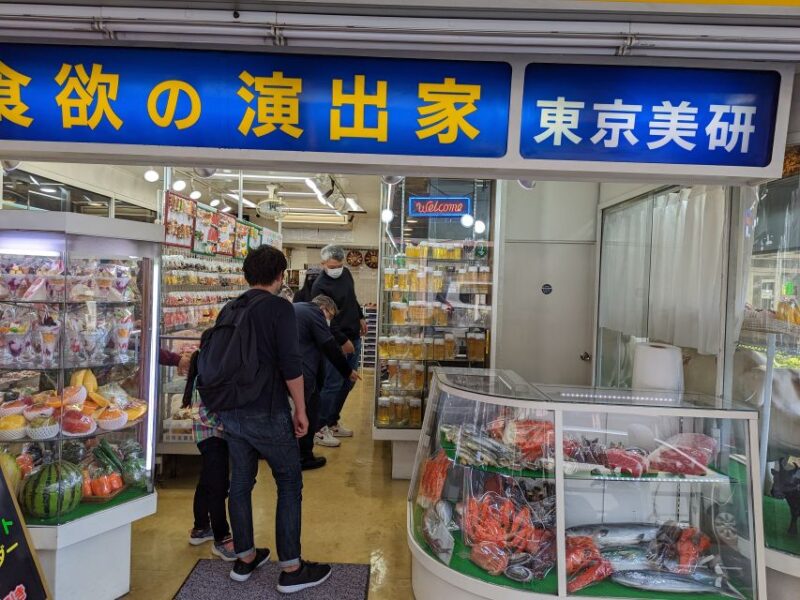
Visitors can browse the shelves of specialty stores, marveling at the intricate food replicas and souvenirs that make perfect gifts.
Explore the world of traditional Japanese cookware, exploring the wares of the Kappabashi Street, known as the ‘Kitchen Town’ of Tokyo.
Sample local delicacies at family-owned eateries, savoring the harmonious blend of flavors that define Japanese cuisine.
Discover hidden gems and lesser-known culinary treasures, expanding one’s understanding of the rich gastronomic heritage of Asakusa.
Bring home a taste of Japan, whether it’s in the form of a unique cooking utensil or a meticulously crafted food replica.
Frequently Asked Questions
Can I Bring My Own Food on the Tour?
According to the activity details, the tour does not mention allowing participants to bring their own food. The tour includes visiting a replica food store, so bringing outside food is likely not permitted during the experience.
Is There a Dress Code for the Temple Visit?
There is no strict dress code for the temple visit, but it’s recommended to wear modest, comfortable clothing. Visitors should avoid revealing or overly casual attire out of respect for the cultural significance of the site.
Can I Take Photos Inside the Sensoji Temple?
Yes, visitors are generally allowed to take photos inside the Sensoji Temple, though they should be mindful of any signage or instructions from staff. Photography is a popular way to capture the temple’s stunning architecture and atmosphere.
How Do I Get Back to My Hotel After the Tour?
At the end of the tour, the guide will provide directions to help participants return to their hotels. Depending on the location, they may need to take a subway, bus, or taxi back to their accommodations.
Can I Purchase the Food Replicas at the End of the Tour?
Yes, visitors can purchase the food replicas at the end of the tour. The tour includes a visit to Kappabashi Street, known for its many shops selling high-quality food samples and replicas that can be taken home as souvenirs.
Asakusa: Food Replica Store Visits After History Tour
Recap
After exploring the historic landmarks of Asakusa, the tour culminates with a visit to the renowned Kappabashi Street – Tokyo’s ‘Kitchen Town’.
Visitors witness the intricate craft of creating lifelike plastic food replicas, used extensively by Japanese eateries.
This unique experience offers a deeper appreciation for the artistry and precision within Japan’s culinary culture, allowing guests to purchase one-of-a-kind souvenirs that capture the essence of the country’s gastronomic heritage.
You can check availability for your dates here: